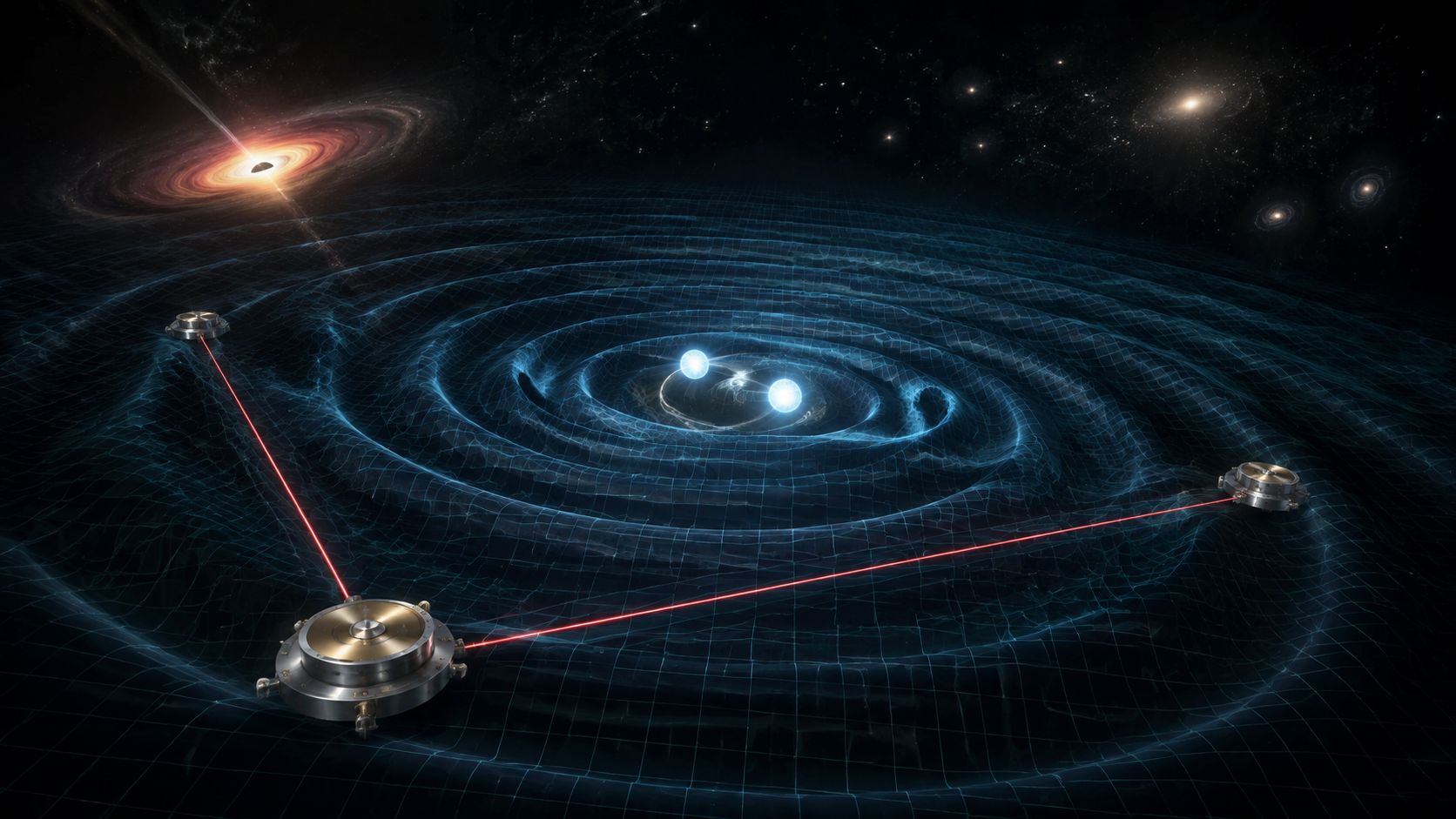
Methods for Detecting Gravitational Waves in the Fabric of Space-Time
Author: SpacePedia
Theme: Different Methods
Subject: How gravitational waves are measured and which observation methods are used
Article Summary: Gravitational waves are ripples in the fabric of space-time that occur as a result of the accelerated motions of extremely massive celestial objects and propagate at the speed of light. In particular, the mergers of black holes and neutron stars can generate strong gravitational waves. When these waves reach Earth, they stretch and compress space-time by extremely small amounts. Instead of directly 'seeing' these changes, astronomers detect them using sensitive measurement systems. Today, one of the most important methods for this is kilometer-long laser interferometers. Observatories such as LIGO, Virgo, and KAGRA determine the trace left by the wave by measuring the difference in the path of laser light along two perpendicular arms. In addition, pulsar timing arrays investigate much lower frequency waves, while the future space-based LISA observatory aims to study frequency ranges that ground-based detectors cannot reach.
Date: 19-09-2026

The Secrets of How Scientists Discover Distant Exoplanets
Author: SpacePedia
Theme: Different Methods
Subject: Exoplanet Discovery
Article Summary: Exoplanets are planets that orbit other stars outside our Solar System. Since they are much dimmer than their stars, most cannot be seen directly. To detect these planets, scientists measure small changes in the brightness, motion, and position of stars in the sky. In the transit method, the dip in brightness as a planet passes in front of its star is examined, while the radial velocity method investigates changes in the star's movement caused by the planet's gravity. Astrometry relies on detecting tiny shifts in a star's position in the sky, and direct imaging focuses on faint light from planets under suitable conditions. By combining data from different methods, scientists can learn about the existence, orbits, sizes, and masses of exoplanets.
Date: 11-09-2026
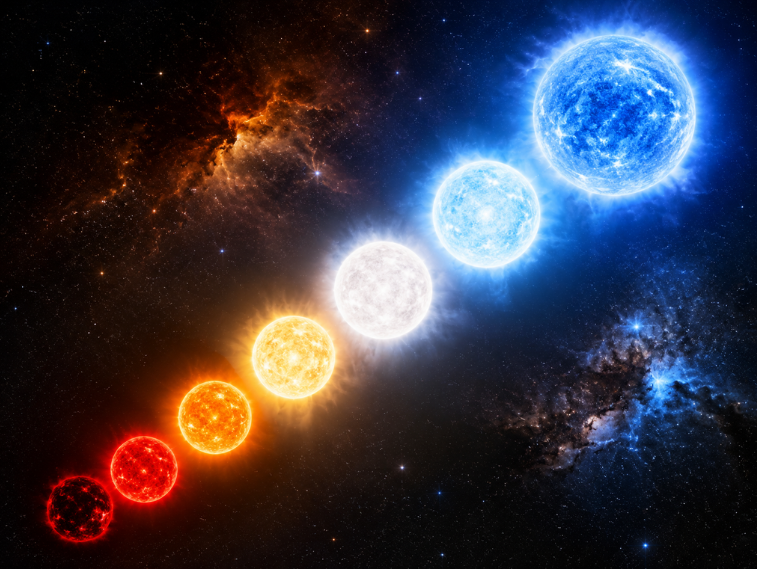
What Star Colors Tell Us About Surface Temperatures
Author: SpacePedia
Theme: Stars
Subject: Star Colors
Article Summary: The color of a star is one of the fundamental features that directly provides information about its surface temperature. The wavelengths of light emitted by stars vary depending on their temperatures. Hotter stars appear in blue and blue-white tones, while cooler stars tend toward orange and red hues. Yellow-white stars are found in the middle of this temperature range. The Sun's yellow-white appearance is related to its surface temperature of about 5,500 °C. The colors of stars are not just a visual difference; when the spectrum of their light is analyzed, measurable information about the star's surface temperature can be obtained.
Date: 16-09-2026
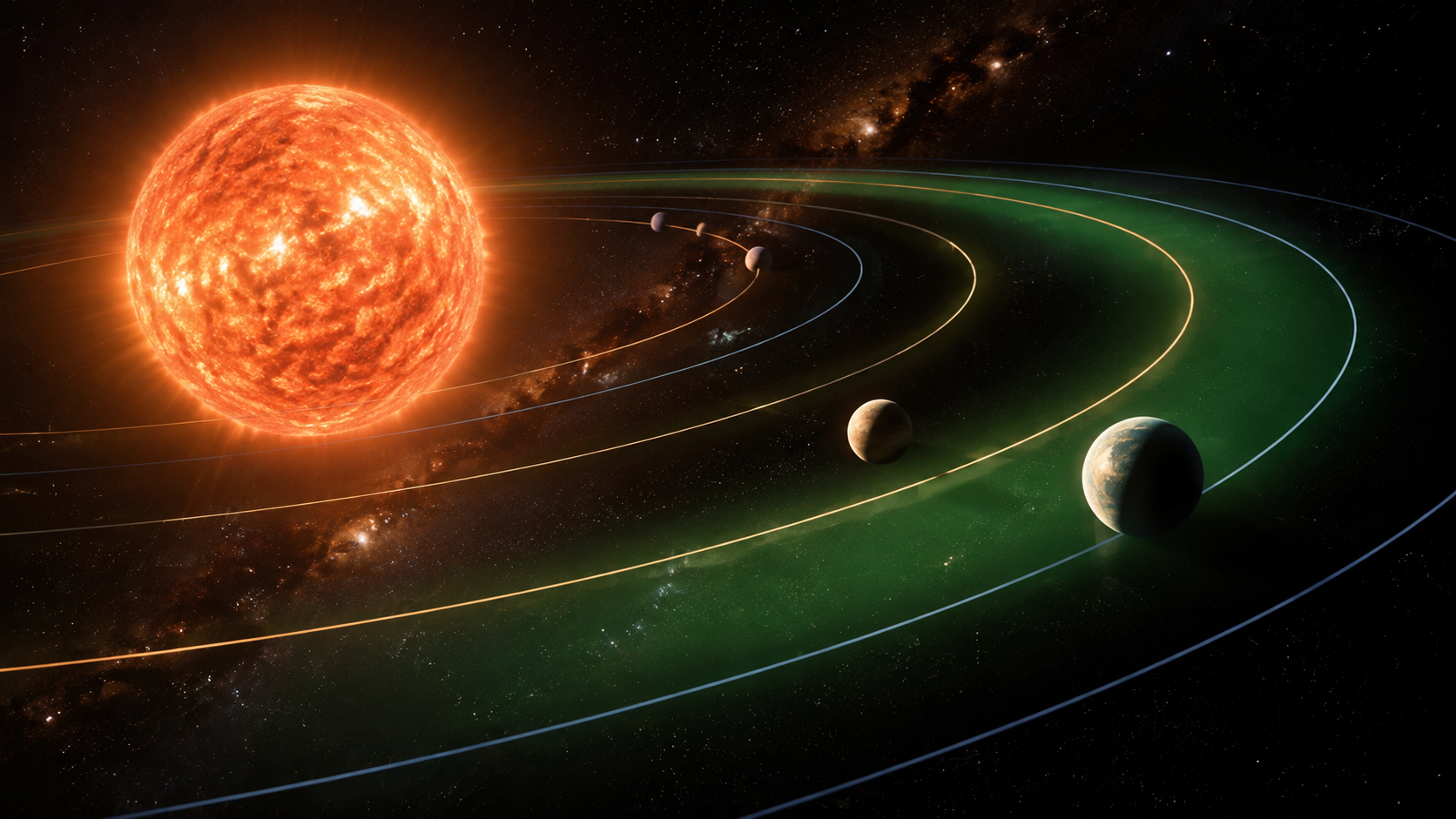
The Current State of Exoplanet Research in Light of the Habitable Zone Concept
Author: SpacePedia
Theme: New Developments
Subject: Habitable Zone
Article Summary: The habitable zone is the range of distances around a star where, if surface conditions are suitable, liquid water could exist on a planet. The location of this zone varies depending on the star's temperature and the amount of energy it emits. The presence of an exoplanet in the habitable zone does not necessarily mean it harbors life; the planet's atmosphere, surface conditions, mass, and the activity of its star must also be considered. Today, exoplanet research is not limited to determining the distances of planets from their stars. Using transit observations, radial velocity measurements, and spectroscopic analyses, more detailed information about the atmospheres and physical properties of planets is being obtained. These studies particularly focus on investigating the characteristics of planets that are close to Earth's size and located in the habitable zones of their stars.
Date: 19-09-2026
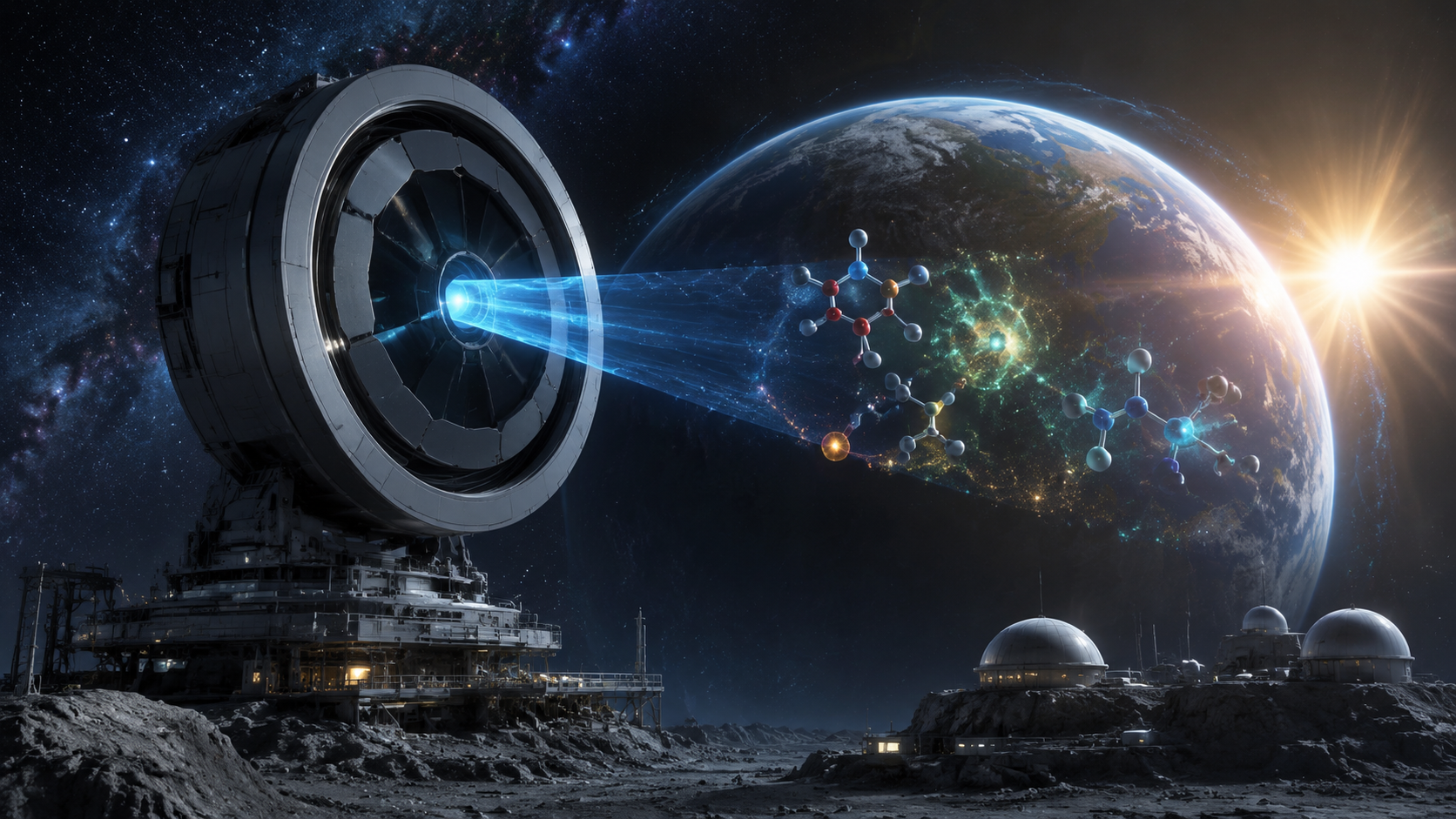
Next-Generation Biosignature Searches Used in the Quest for Life in Space
Author: SpacePedia
Theme: New Developments
Subject: Searching for biosignatures
Article Summary: The search for life in space is no longer just about finding a planet similar to Earth. Today, researchers are looking for biosignatures that could indicate a celestial body may have hosted life in the past or present. These traces do not have to be the direct observation of a living organism; the simultaneous presence of certain gases in the atmosphere, the detection of organic molecules on the surface, or chemical imbalances that could be created by life are also important clues. Thanks to next-generation observation and analysis methods, it is now possible to investigate these traces both in the atmospheres of distant exoplanets and on intriguing worlds within the Solar System such as Mars, Europa, and Enceladus.
Date: 19-09-2026
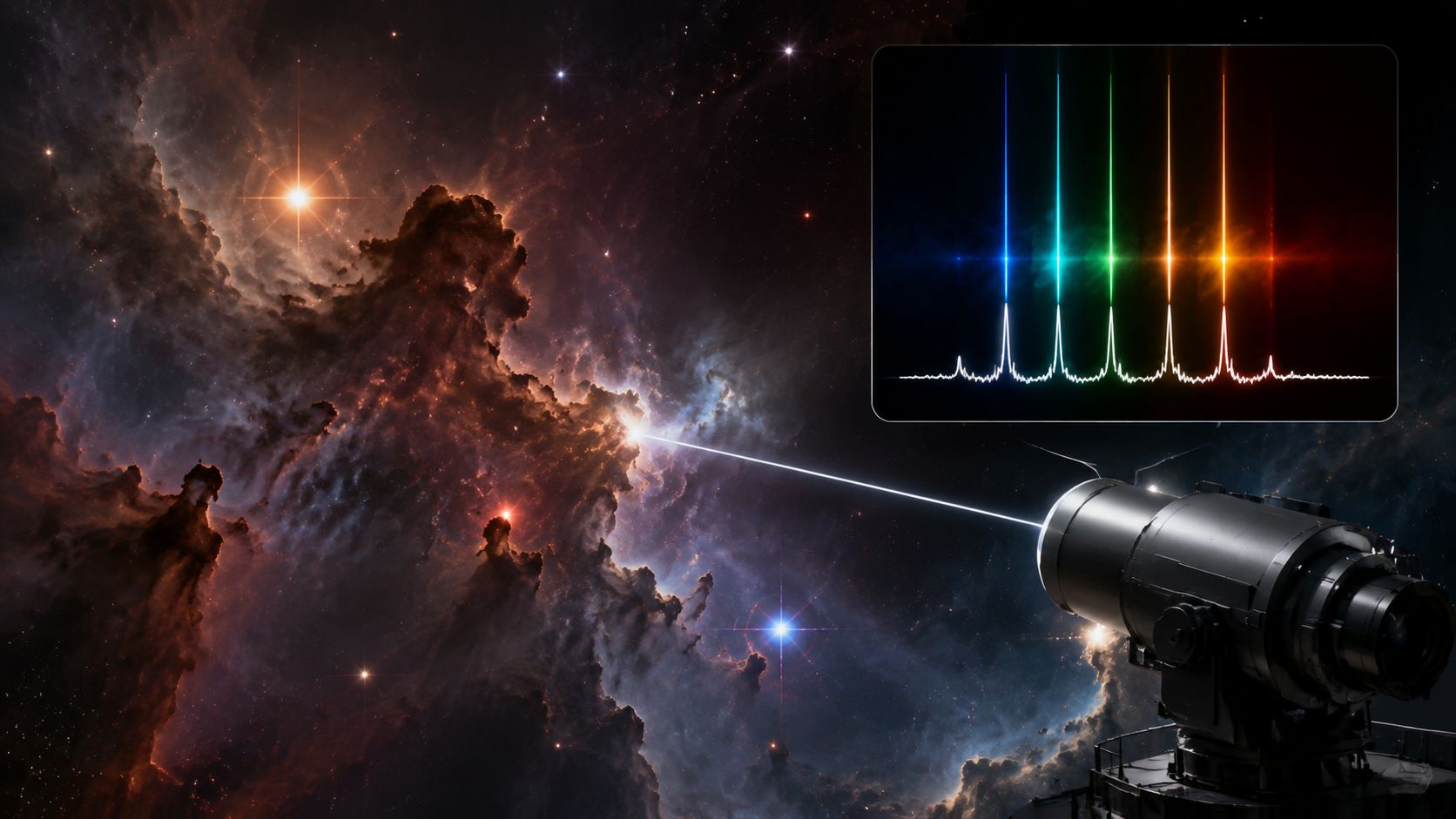
Measuring the Temperature of Gas Clouds in Space with Spectral Lines
Author: SpacePedia
Theme: Different Methods
Subject: Spectral Lines
Article Summary: The temperature of gas clouds in space cannot be measured directly with a thermometer; instead, the spectrum of light emitted or absorbed by the gas is analyzed. The atoms and molecules that make up the gas produce or absorb light at specific wavelengths depending on transitions between energy levels. Therefore, the position, intensity, and width of the lines seen in the spectrum provide information about the physical conditions of the gas. In particular, by examining the relative intensities of lines arising from different energy levels of certain atoms or ions, the temperature of the gas can be calculated. In some cases, the broadening of spectral lines can also be related to temperature. These methods are among the fundamental ways to remotely determine the temperature of interstellar and intergalactic gas.
Date: 18-09-2026
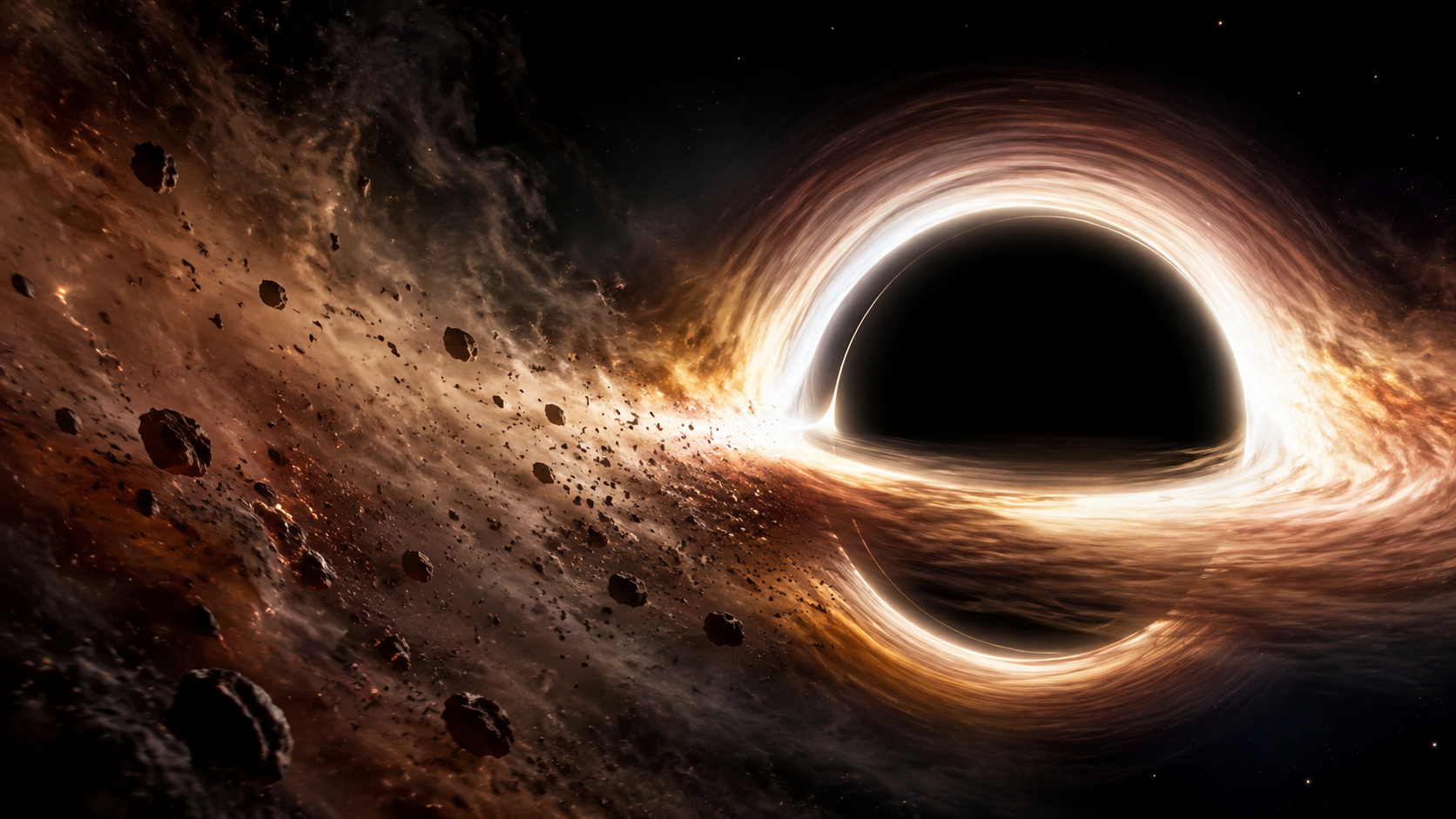
The Irreversible Boundary of a Black Hole: What Happens at the Event Horizon
Author: SpacePedia
Theme: Black Holes
Subject: Event Horizon
Article Summary: The event horizon is the boundary surrounding a black hole from which not even light can escape. The location of this boundary depends on the black hole's mass. As an object approaches the event horizon, the black hole's intense gravitational pull becomes more pronounced, and once inside the event horizon, returning to the outside is impossible. The event horizon is not a physical surface; it defines the boundary of the region around the black hole where escape is no longer possible. Sagittarius A* at the center of the Milky Way is also a supermassive black hole, and its event horizon has a diameter of approximately 12 billion kilometers.
Date: 14-09-2026
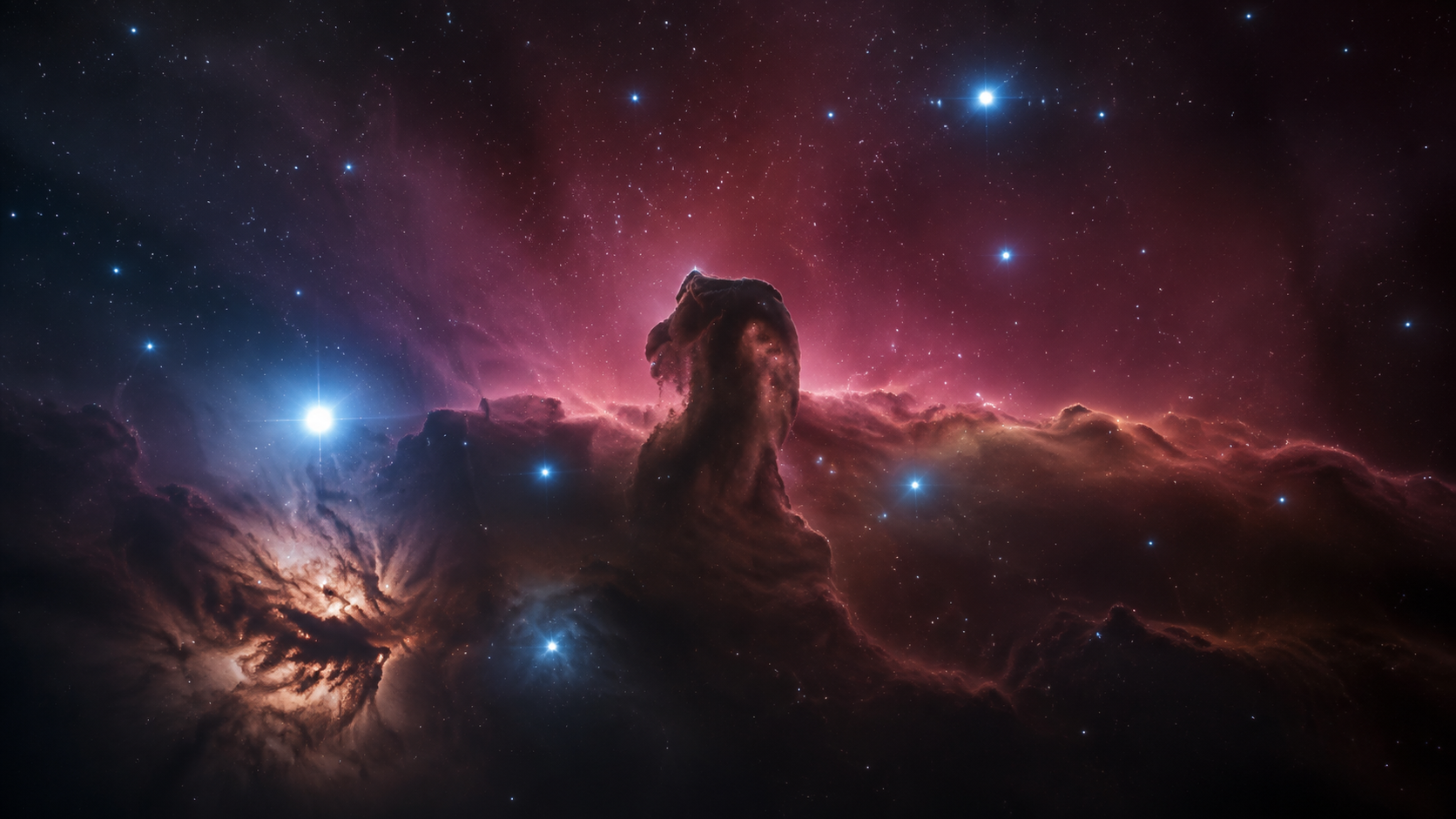
What Lies Hidden Behind the Light-Blocking Dark Silhouette of the Horsehead Nebula
Author: SpacePedia
Theme: Nebulae
Subject: Horsehead Nebula
Article Summary: The Horsehead Nebula is a dark nebula located in the direction of the constellation Orion, known for its distinctive horse head shape formed against a bright hydrogen region in front of a dark cloud. Also referred to as Barnard 33, this structure is situated in front of Orion's bright emission nebula IC 434. The dense gas and dust that form the silhouette block much of the light coming from behind, making it appear as a dark shape against the surrounding bright region. Despite its dark appearance, the Horsehead Nebula is not completely empty; it contains dense gas and dust, which are part of the cosmic environment where star formation occurs. Examining the light behind and around the nebula at different wavelengths reveals gas and dust structures hidden in visible light.
Date: 19-09-2026
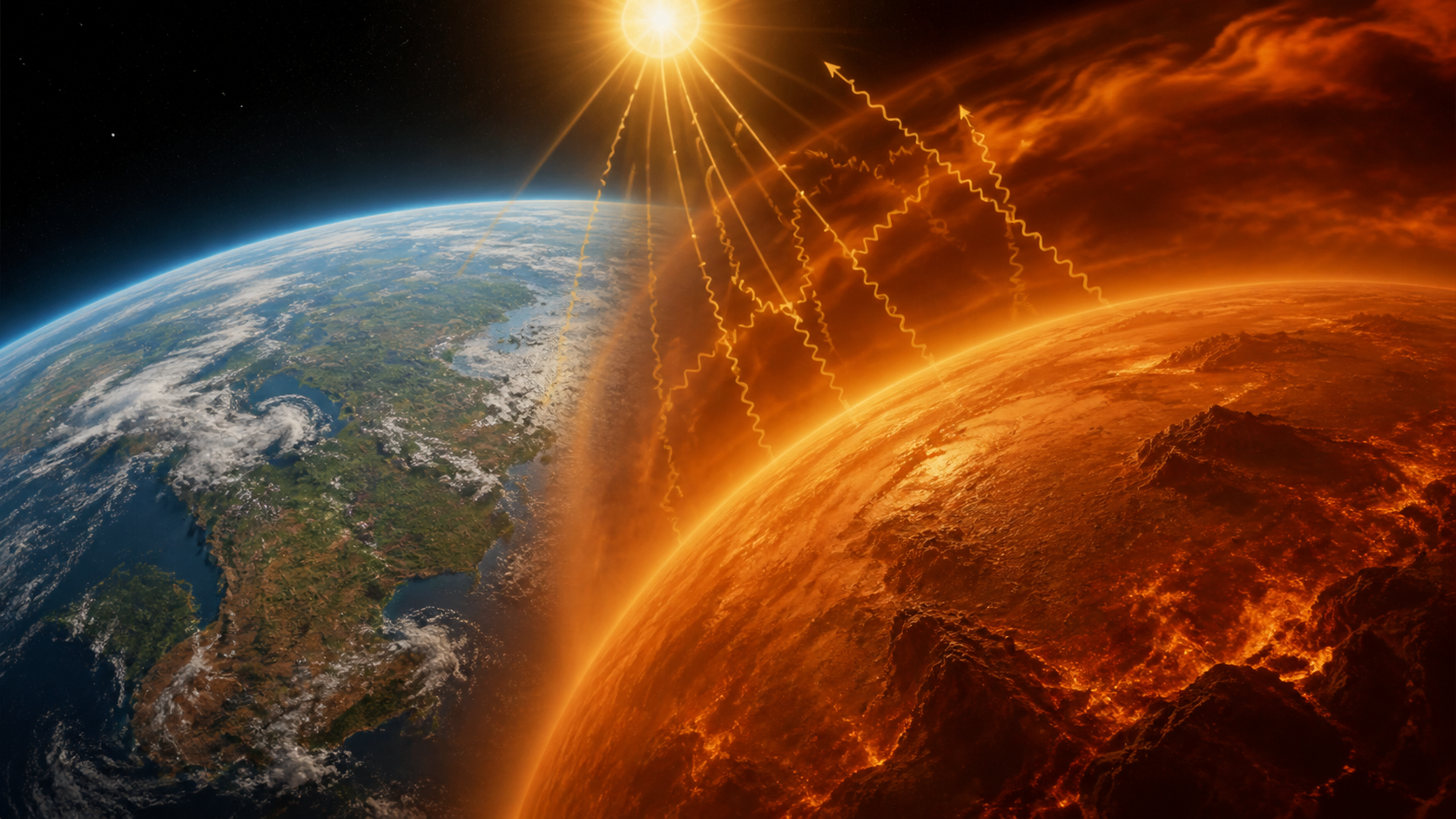
Venus, Earth's Twin, Turns into a Hellscape Due to the Greenhouse Effect
Author: SpacePedia
Theme: Planets
Subject: Greenhouse Effect
Article Summary: Venus is a planet similar to Earth in terms of size, mass, and rocky composition; however, surface conditions set the two worlds completely apart. Most of Venus's atmosphere is composed of carbon dioxide, and the atmosphere is extremely dense. While energy from the Sun heats the surface, the infrared radiation emitted from the surface is strongly trapped by carbon dioxide and other gases in the atmosphere. As a result, heat cannot easily escape into space, and the surface temperature reaches about 465°C. The dense atmosphere also raises the surface pressure to about 90 times that of Earth. The extreme greenhouse effect on Venus, along with the loss of its initial water over time and the dominance of carbon dioxide in the atmosphere, has led to the extremely hot and dense environment we see today.
Date: 18-09-2026
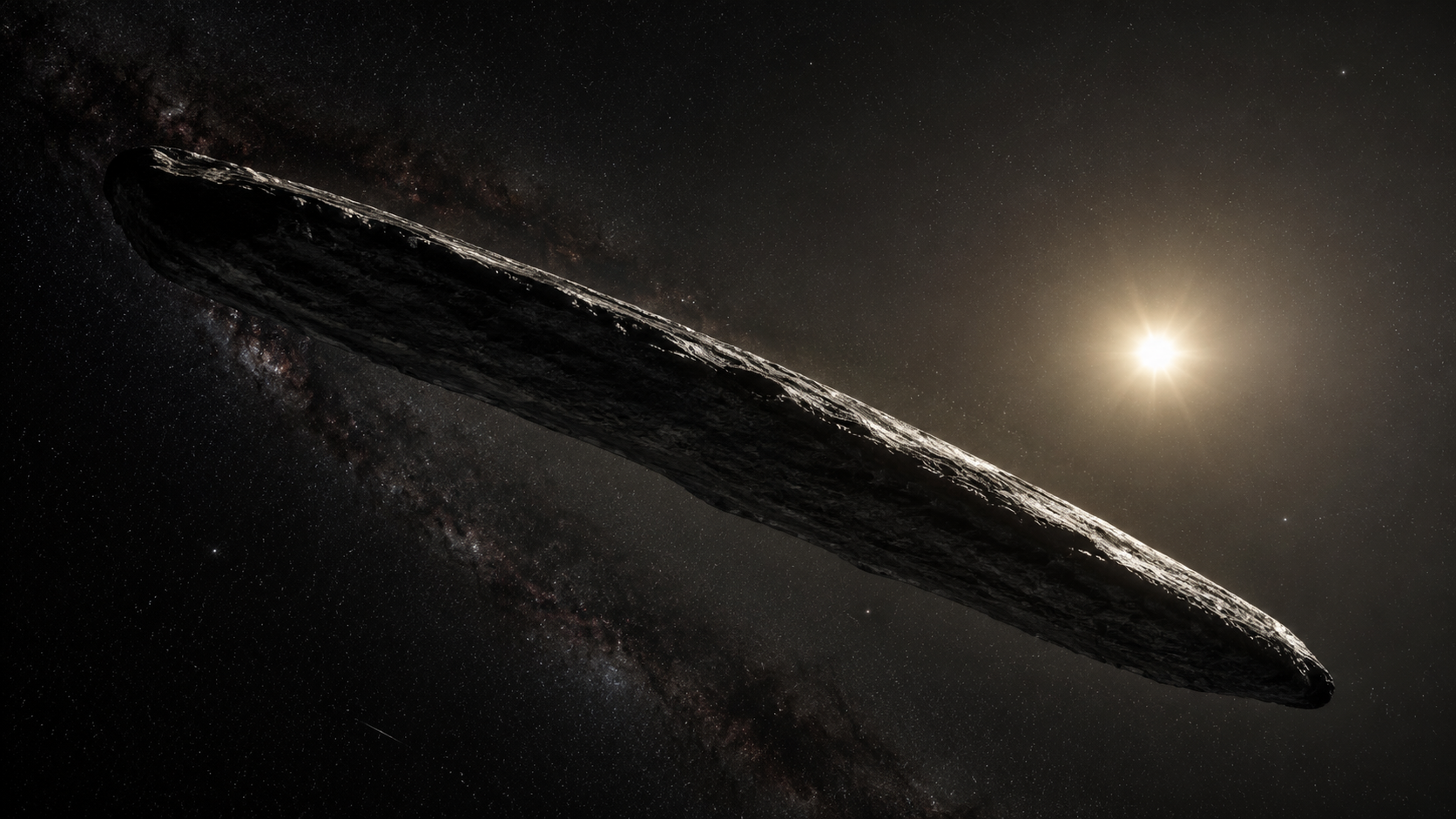
Interstellar Visitors Like Oumuamua from Beyond the Solar System
Author: SpacePedia
Theme: Comets
Subject: Interstellar visitors
Article Summary: ʻOumuamua is the first interstellar object confirmed to have passed through the Solar System from another star system, observed in 2017. Its extraordinarily elongated shape, rapid motion, and hyperbolic trajectory not bound by the Sun's gravity set it apart from known objects in the Solar System. Observations also revealed that it showed no distinct tail or coma on its surface, but did exhibit a slight acceleration as it passed by the Sun.
Date: 20-09-2026
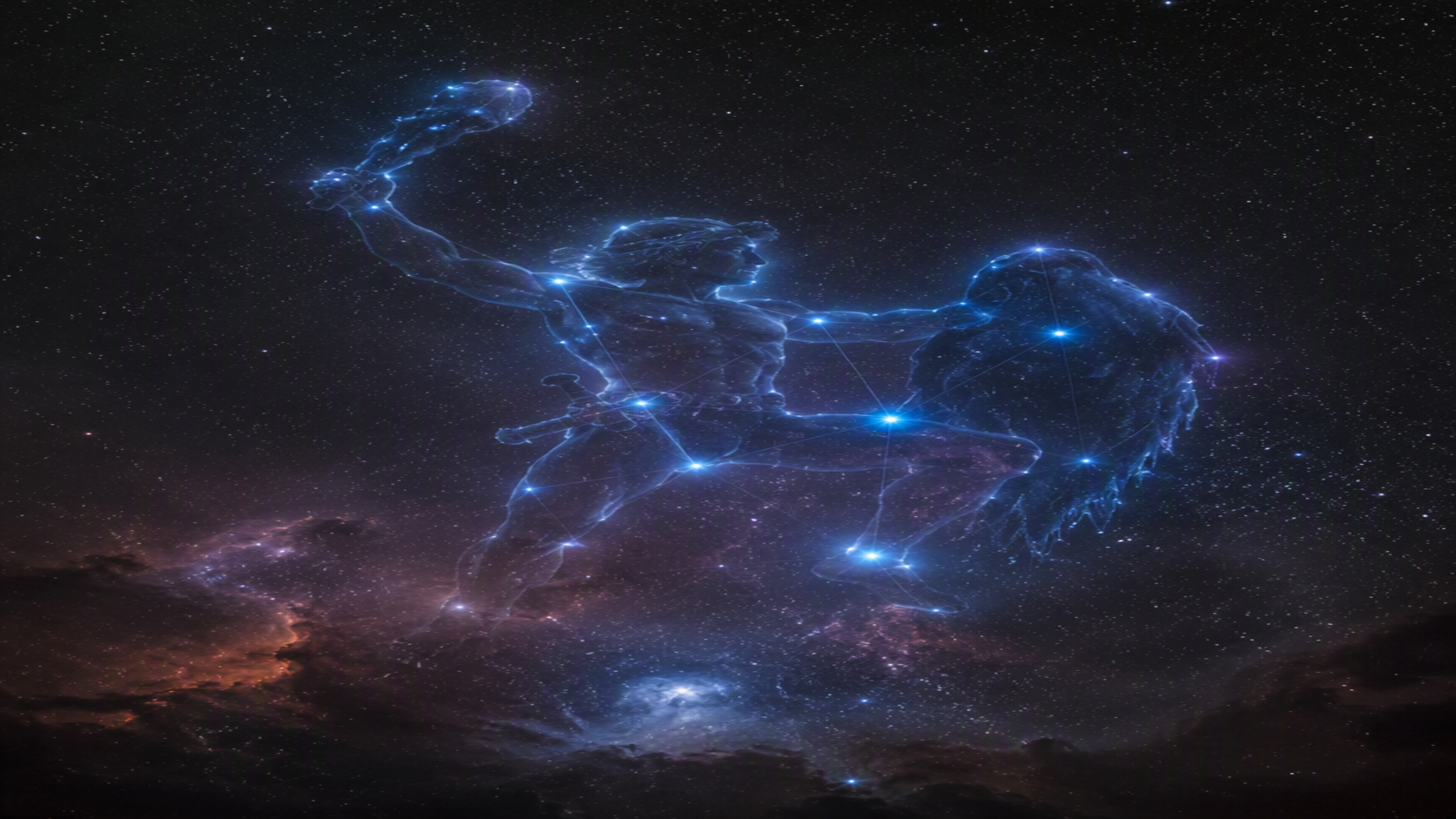
The Famous Hunter of the Winter Sky: Orion and the Stars Around It
Author: SpacePedia
Theme: Constellations
Subject: Orion
Article Summary: Orion is a well-known constellation that is easily noticeable in the sky, especially during the winter months, and contains many bright stars together. Its distinctive shape in the sky is easily recognized thanks to Orion's Belt, which consists of three bright stars lined up side by side in the middle. Surrounding the Belt are bright stars such as Betelgeuse and Bellatrix, with Rigel located below. Around Orion are other important constellations like Canis Major, Canis Minor, and Taurus. The Orion region stands out not only for its bright stars but also for the clouds of gas and dust where stars are formed. In particular, the Orion Nebula is a significant celestial object in this region, where young stars and dense star-forming areas can be observed.
Date: 18-09-2026
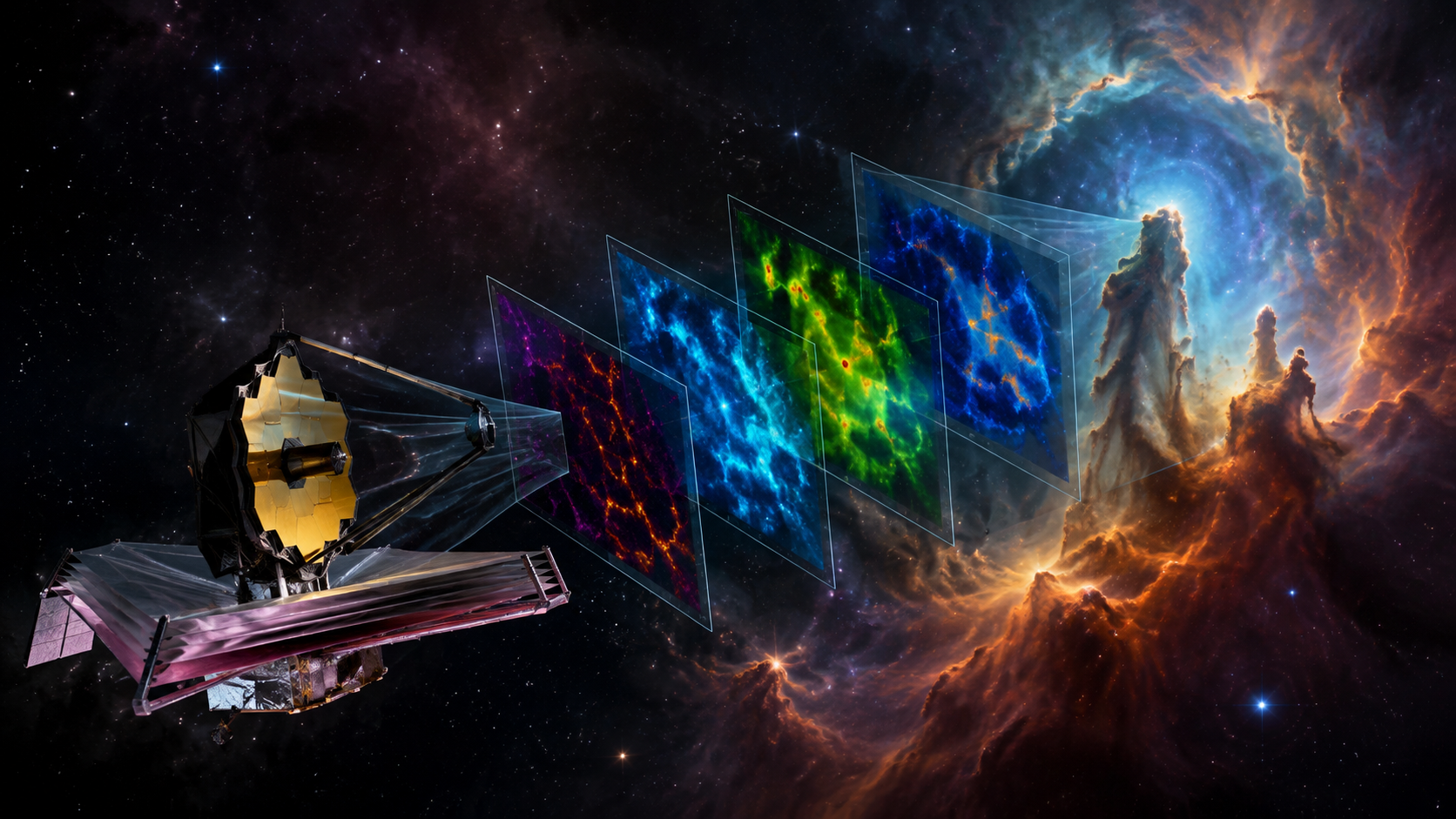
Mapping the Chemical Composition of Gas and Dust Clouds Within Nebulae
Author: SpacePedia
Theme: Nebulae
Subject: Chemical mapping
Article Summary: Nebulae are complex cosmic structures where gas and dust at different temperatures coexist. Observations at various wavelengths are conducted to determine the distribution of hydrogen, helium, and various molecules within them. In particular, radio, submillimeter, and infrared observations allow the study of cold and dense regions inaccessible to visible light.
Date: 20-09-2026