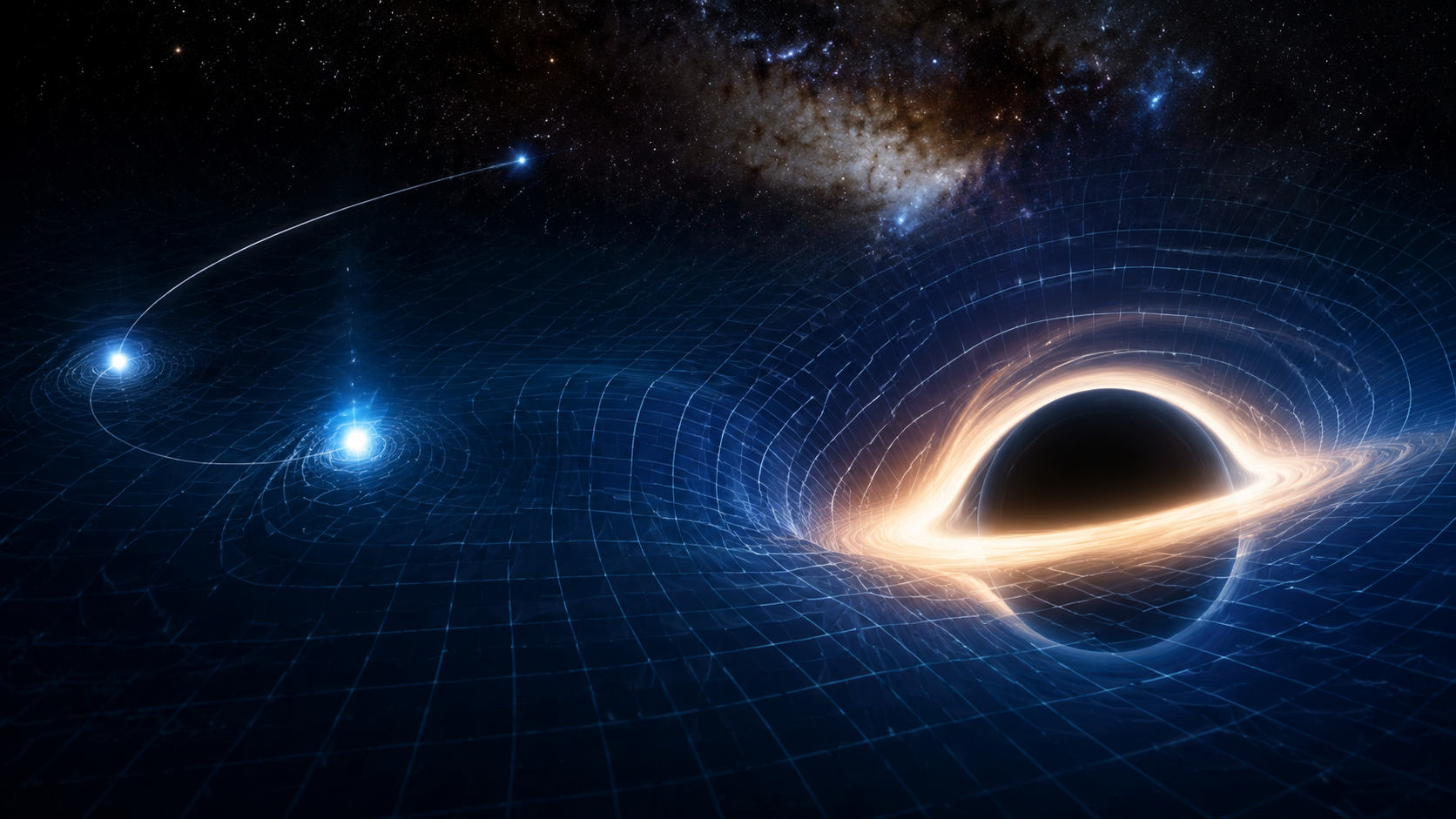
Measuring Time Dilation in Strong Gravitational Fields
Author: SpacePedia
Theme: General Space
Subject: Gravity and Time Dilation
Article Summary: According to Einstein's general theory of relativity, mass and energy alter the geometry of space-time. One consequence of this is that clocks located in strong gravitational fields run more slowly compared to clocks in weaker gravitational fields. This phenomenon is called gravitational time dilation. The effect is measurable even at the Earth's surface and can be demonstrated through precise time comparisons between atomic clocks. The difference increases in stronger gravitational fields; effects on the flow of time become much more pronounced near extremely dense objects such as neutron stars and black holes. For this reason, precise clocks are not only instruments for measuring time, but also important scientific tools used to test the physical properties of space-time.
Date: 19-09-2026

The Enormous Power Produced by the Sun Through Nuclear Fusion
Author: SpacePedia
Theme: Stars
Subject: Nuclear Fusion
Article Summary: The Sun's light and heat originate from nuclear fusion reactions occurring in its core. Under extremely high temperature and pressure at the Sun's center, hydrogen nuclei combine to form helium. The small mass difference generated during this process is converted into energy, enabling the Sun to continuously emit radiation into space. The primary mechanism of energy production in the Sun is the proton-proton chain.
Date: 11-09-2026
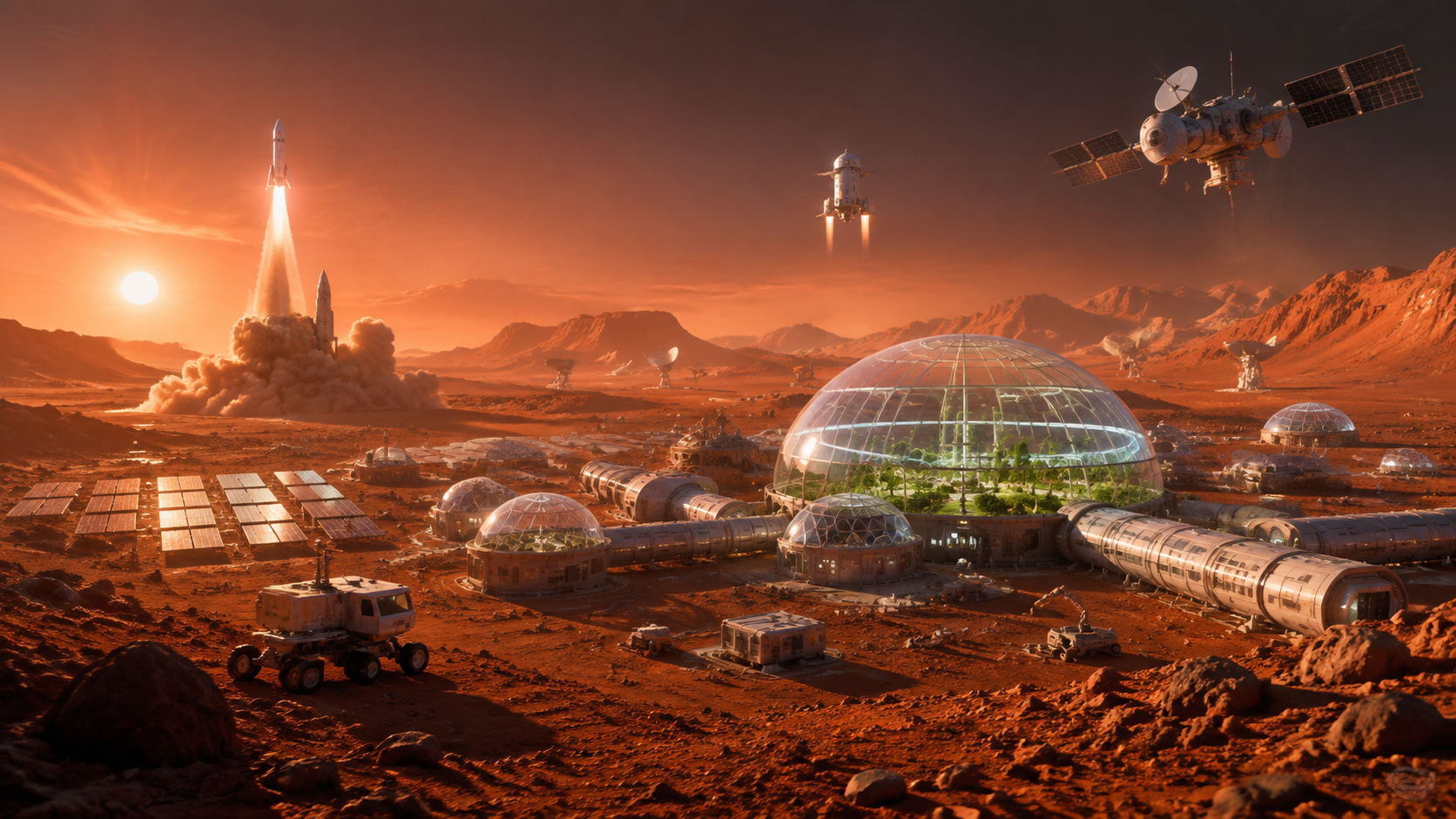
Plans for Mars Colonization and Next-Generation Research
Author: SpacePedia
Theme: New Developments
Subject: Mars Colonization
Article Summary: The idea of establishing permanent human settlements on Mars is one of the main goals of studies investigating whether long-term life is possible beyond Earth. The fact that liquid water cannot remain stable on the surface of Mars for long today, its very thin atmosphere, low temperatures, and high levels of radiation create serious challenges for human life. Therefore, simply sending humans to the surface will not be enough to establish a settlement on Mars; many systems such as shelter, water and oxygen production, energy supply, food production, and radiation protection will need to operate for extended periods. Today, Mars research primarily focuses on studying the planet's geology, traces of past water, atmosphere, and resources that may be necessary for life, while technologies required for future crewed missions are being developed in parallel.
Date: 19-09-2026
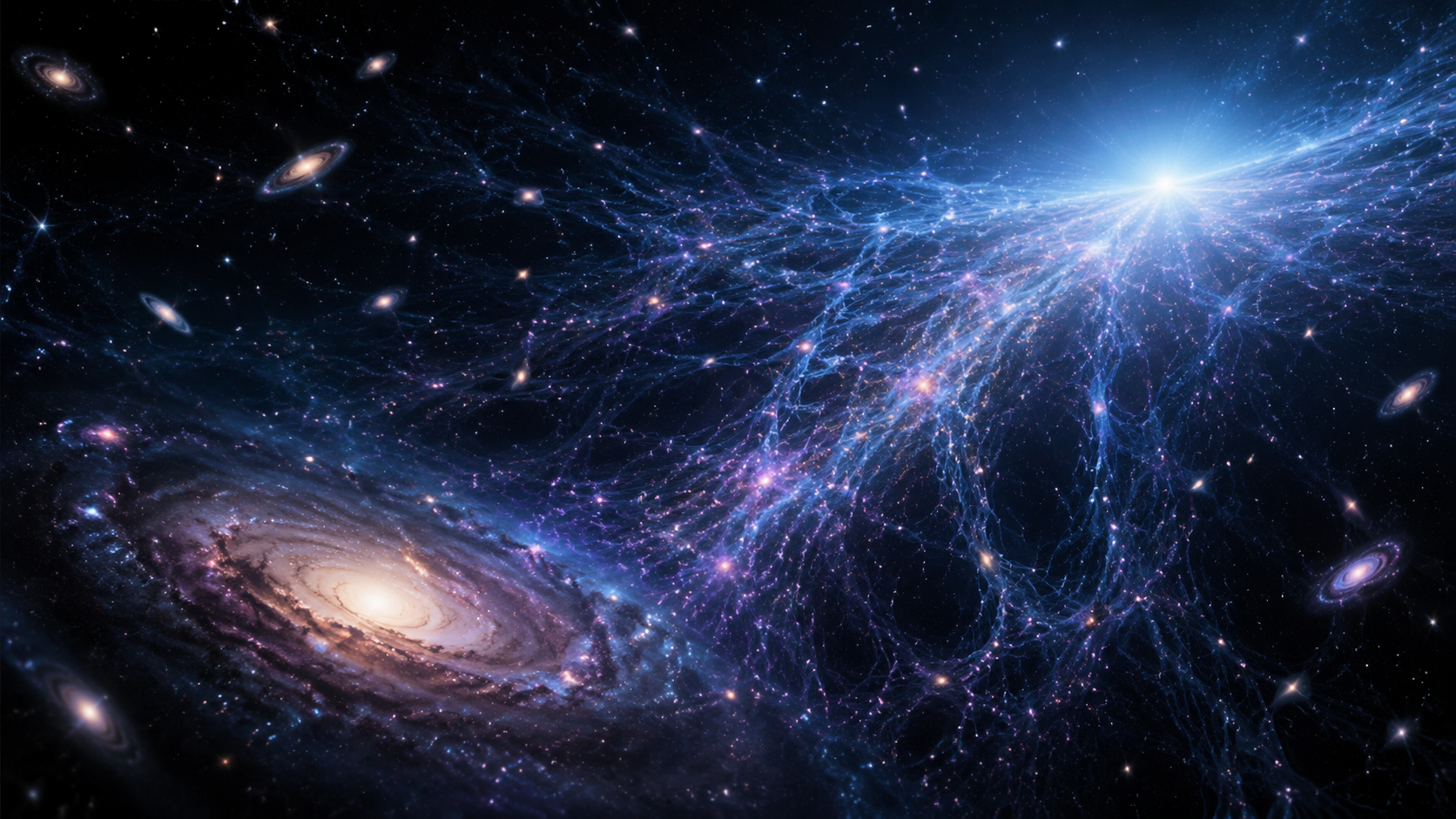
The Hidden Role of Dark Energy in the Continuous Expansion of the Universe
Author: SpacePedia
Theme: General Space
Subject: Dark Energy
Article Summary: The expansion of the universe was revealed by studying the redshifts observed in the light from distant galaxies. However, observations show that the rate of expansion has not remained constant over time and that the expansion is currently accelerating. The main concept used to explain this acceleration is dark energy. Since dark energy does not emit light and cannot be directly observed, its nature is not yet fully understood. Its existence is inferred from its effects on the large-scale expansion behavior of the universe and the distribution of galaxies. In current cosmological models, dark energy is considered a component that constitutes the majority of the universe's total energy content and is associated with the expansion of space.
Date: 19-09-2026
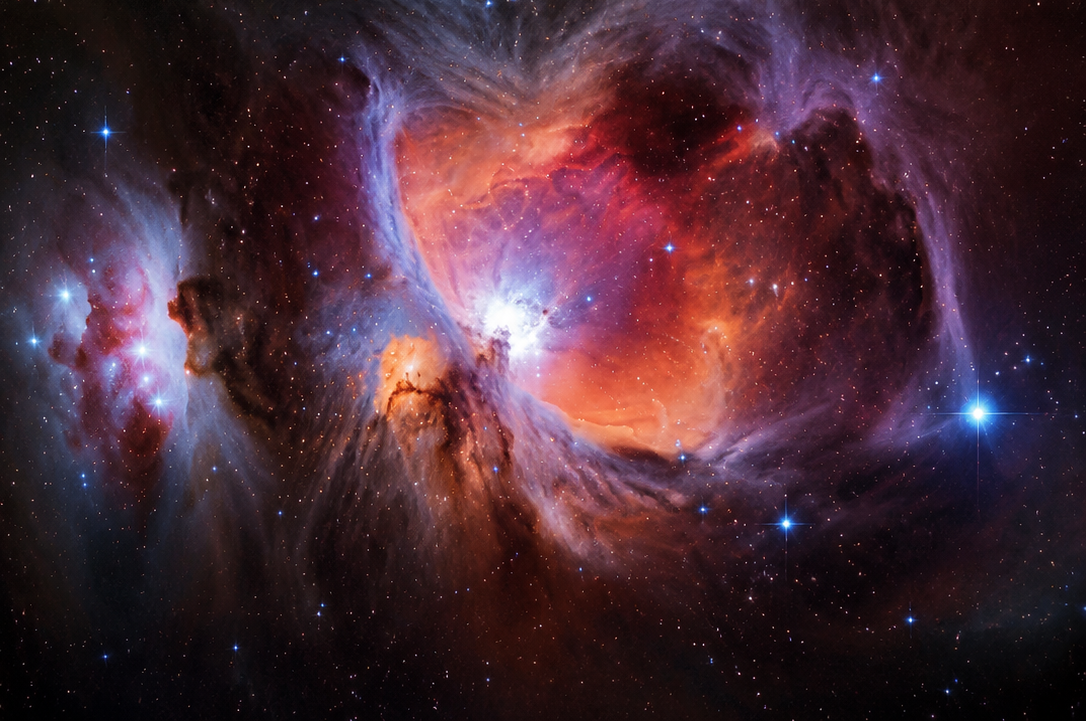
The Giant Cosmic Nursery Where Stars Are Born: The Orion Nebula
Author: SpacePedia
Theme: Nebulae
Subject: Orion Nebula
Article Summary: The Orion Nebula is a large star-forming region located about 1,300 light-years from Earth, in the direction of the constellation Orion. Composed of gas and dust, this nebula contains dense regions where new stars are being formed. While the young stars within the nebula illuminate the surrounding gas with their intense radiation, some areas of the dense gas and dust clouds contain the cores where new stars are born. The structure of the Orion Nebula includes not only bright ionized gas regions but also dark dust lanes and layers of gas at different temperatures. With these features, the Orion Nebula is one of the most prominent observable examples of a nebula where star formation takes place.
Date: 14-09-2026
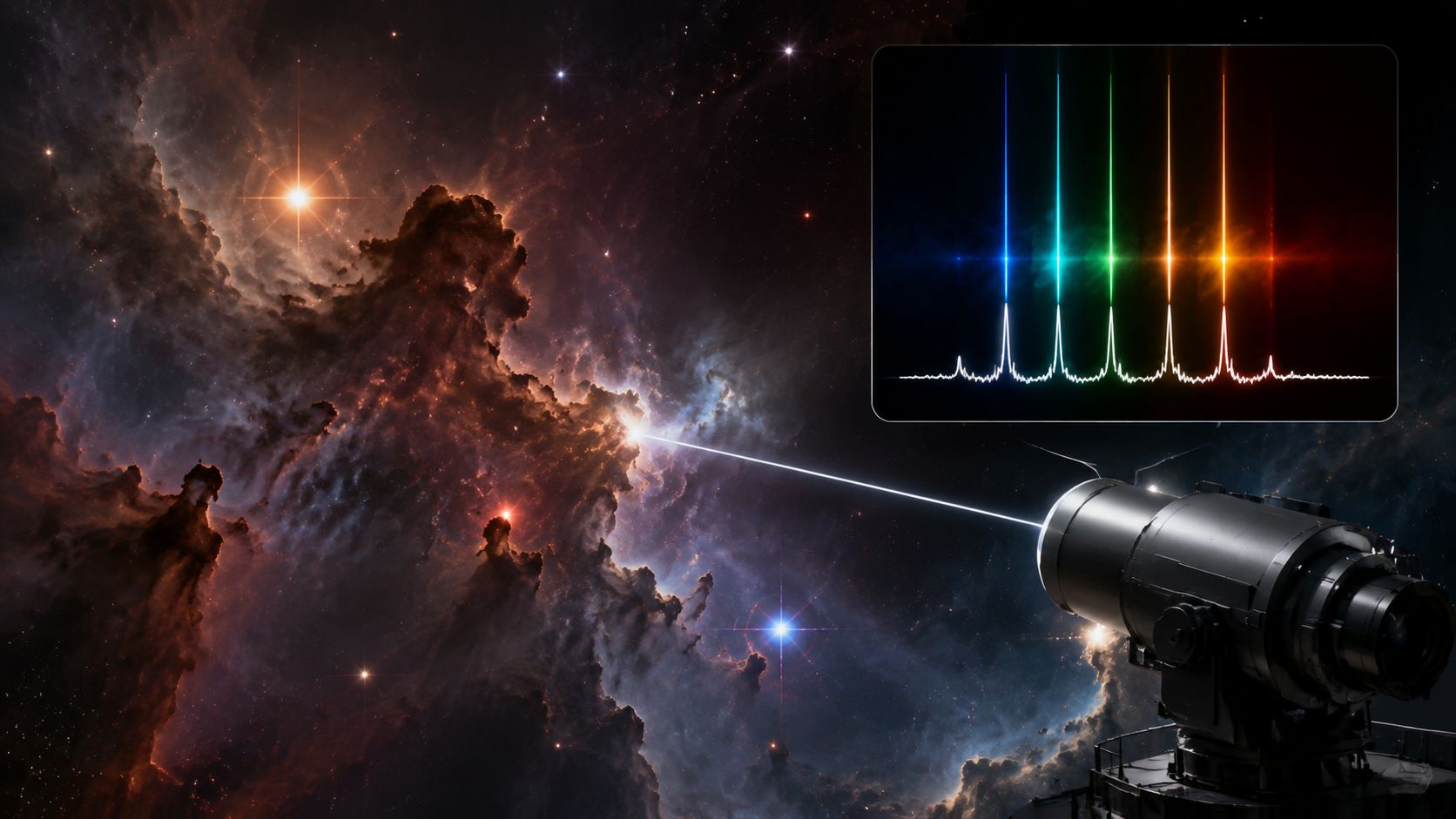
Measuring the Temperature of Gas Clouds in Space with Spectral Lines
Author: SpacePedia
Theme: Different Methods
Subject: Spectral Lines
Article Summary: The temperature of gas clouds in space cannot be measured directly with a thermometer; instead, the spectrum of light emitted or absorbed by the gas is analyzed. The atoms and molecules that make up the gas produce or absorb light at specific wavelengths depending on transitions between energy levels. Therefore, the position, intensity, and width of the lines seen in the spectrum provide information about the physical conditions of the gas. In particular, by examining the relative intensities of lines arising from different energy levels of certain atoms or ions, the temperature of the gas can be calculated. In some cases, the broadening of spectral lines can also be related to temperature. These methods are among the fundamental ways to remotely determine the temperature of interstellar and intergalactic gas.
Date: 18-09-2026
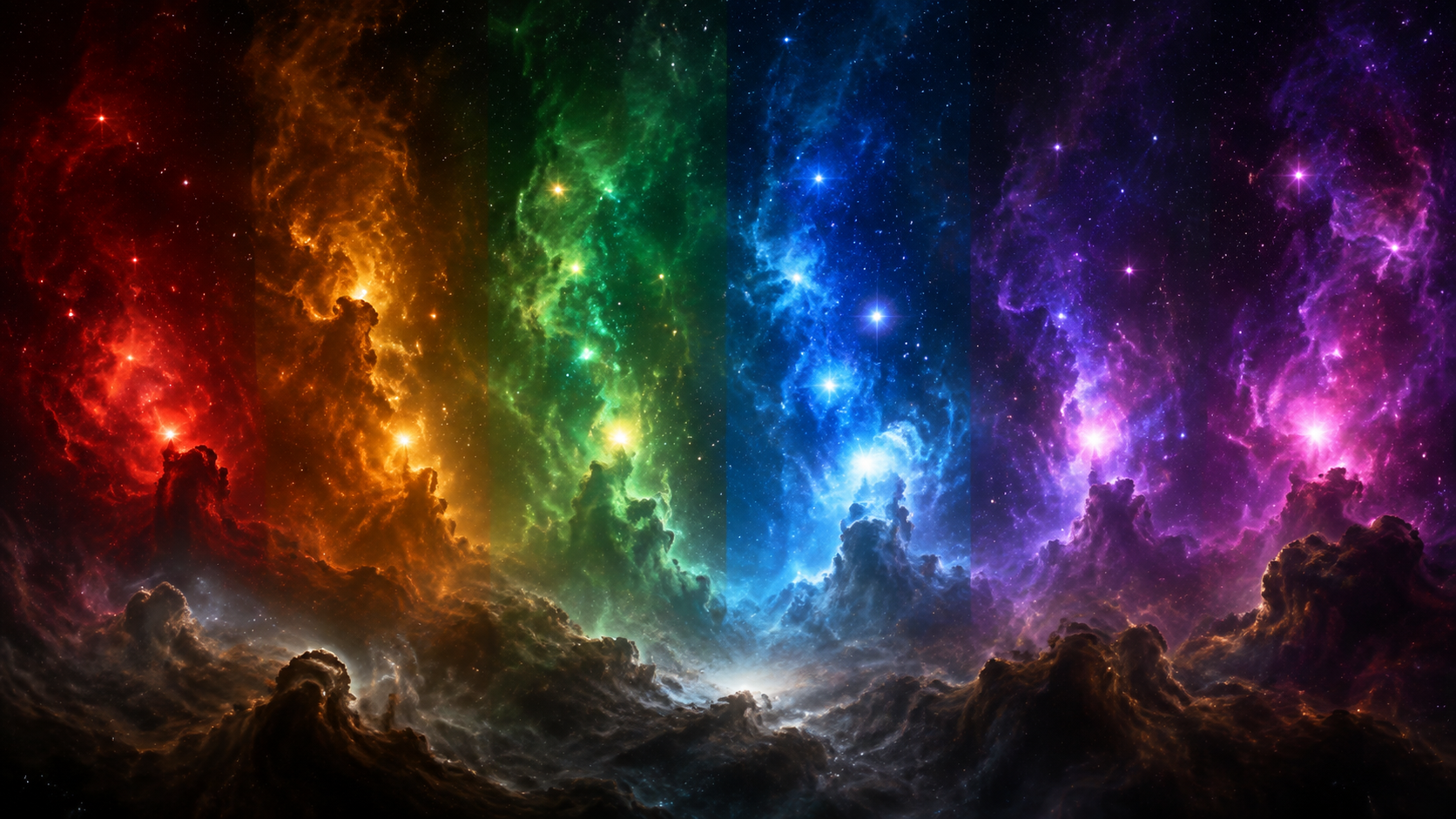
The Reason Different Gases in Nebulae Emit Light in Different Colors
Author: SpacePedia
Theme: Nebulae
Subject: Atomic structures of gases and emission of light at different wavelengths
Article Summary: Nebulae are among the most colorful and striking structures in space. The colors of these massive clouds of gas and dust, seen in shades of red, blue, green, and orange, do not occur randomly. When atoms and ions within the nebula absorb energy, their electrons move to higher energy levels; as the electrons return to lower energy levels, they emit light at specific wavelengths. Since each element has different energy levels, the wavelengths of the emitted light also differ. For this reason, hydrogen, oxygen, and other elements can contribute their own unique colors to the appearance of nebulae. However, the type of gas is not the only factor that determines the colors; the energy emitted by stars, the temperature of the gas, and the state of ionization also affect which regions of the nebula shine in which colors.
Date: 19-09-2026
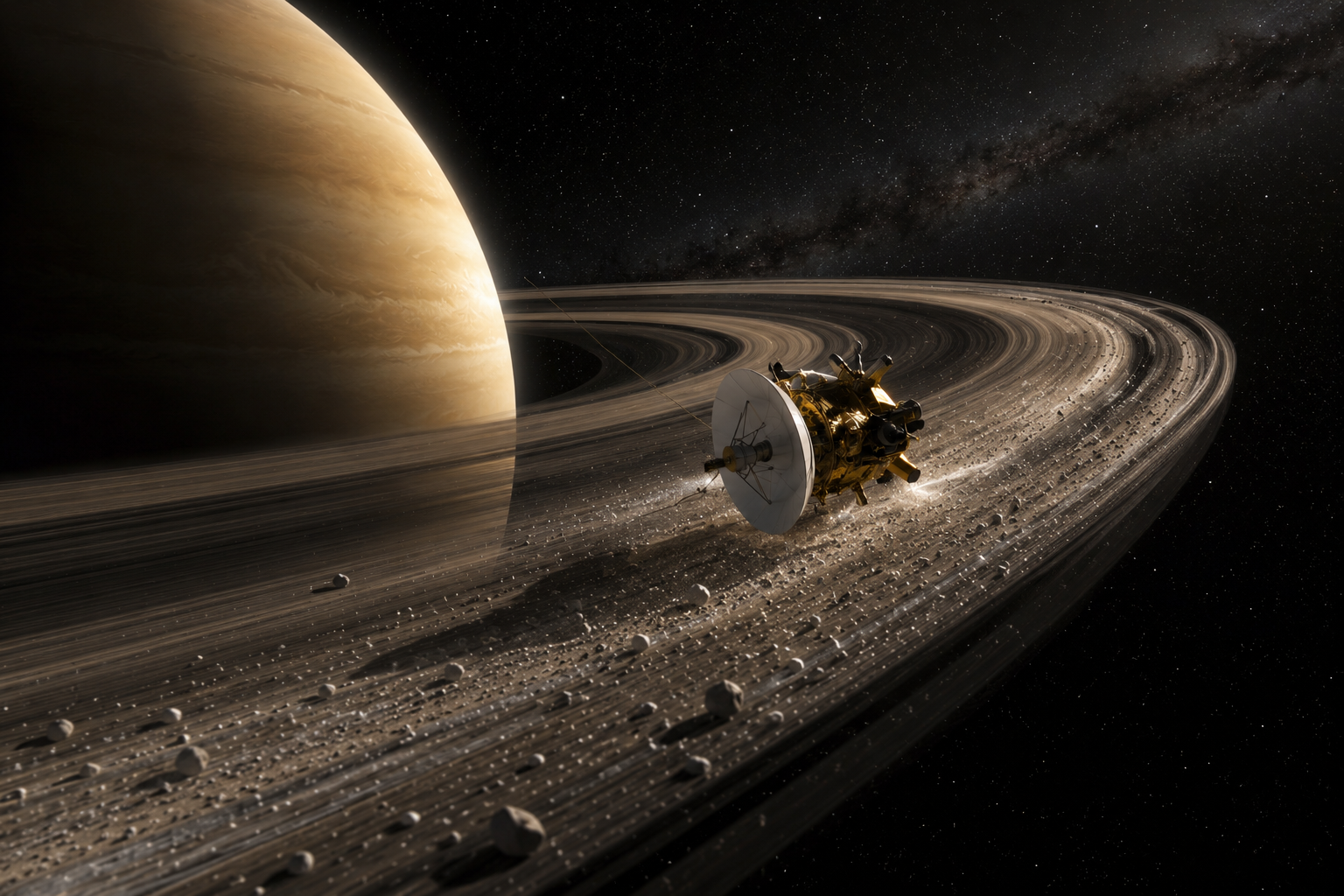
Cassini Spacecraft's Final Grand Dive Between Saturn's Rings
Author: SpacePedia
Theme: Spacecraft
Subject: Cassini's Final Dive
Article Summary: The Cassini spacecraft was a space mission that studied the Saturn system for many years, providing detailed data about the planet's rings, moons, and atmosphere. In the final phase of the mission, Cassini began passing through the narrow region between Saturn and its innermost rings. During these passages, the spacecraft had the opportunity to closely examine the structure of the rings, the upper layers of Saturn's atmosphere, and the particle environment surrounding the planet. At the end of the mission, Cassini entered Saturn's atmosphere in a controlled manner and disintegrated. This final dive not only marked the completion of the spacecraft's mission but also enabled the collection of measurements from Saturn's atmosphere.
Date: 19-09-2026
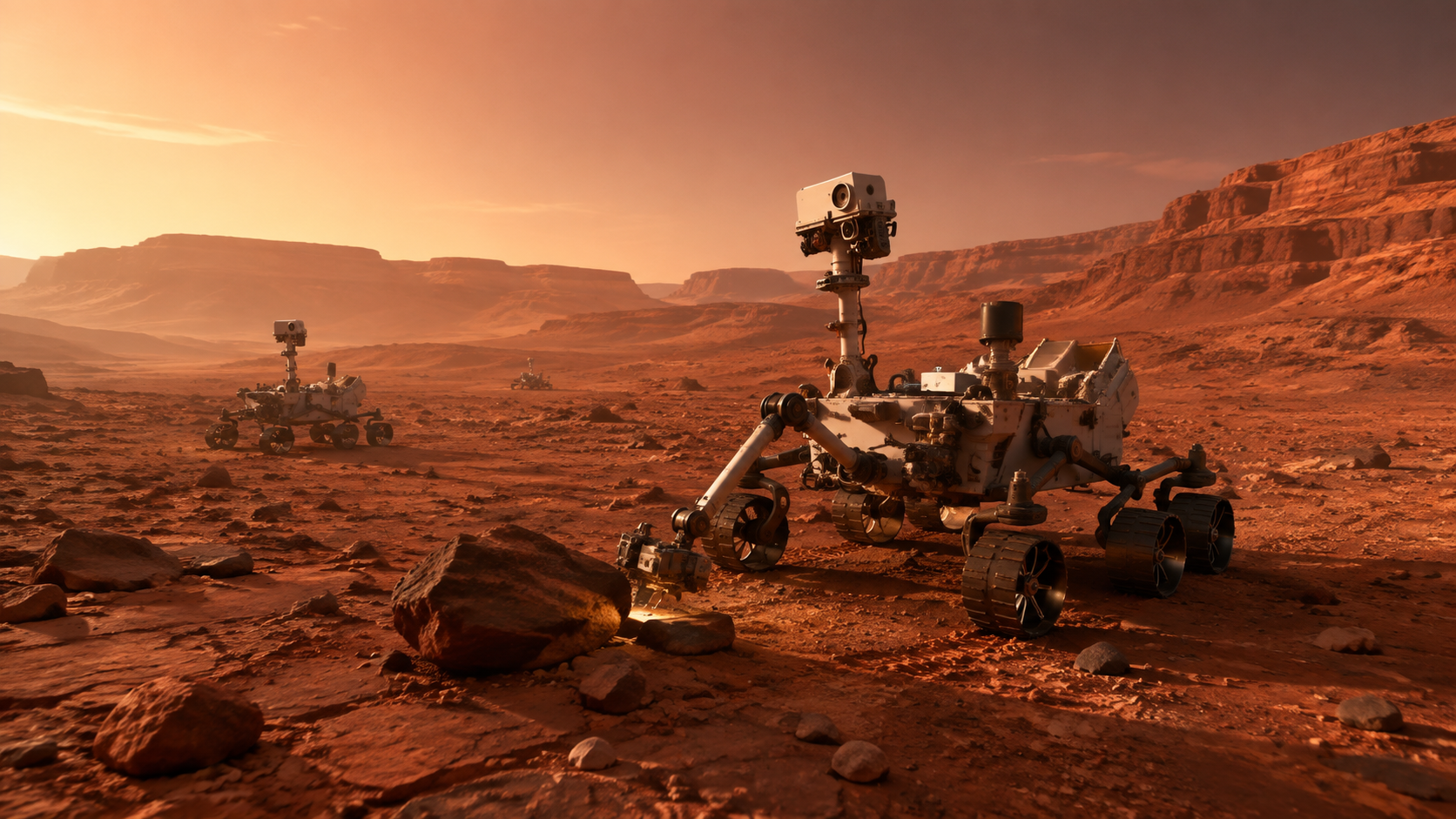
Findings of Robotic Rovers Exploring Every Inch of the Martian Surface
Author: SpacePedia
Theme: Spacecraft
Subject: Mars Rovers
Article Summary: Robotic rovers sent to the surface of Mars are mobile science laboratories that examine the planet's rocks, soil, atmospheric conditions, and past environmental features on site. Rovers such as Sojourner, Spirit, Opportunity, Curiosity, and Perseverance have explored different regions of Mars at different times, collecting important data on the geological history of the surface. The findings of these vehicles have revealed rock and mineral evidence indicating the presence of liquid water in Mars' past. While Curiosity obtained data in Gale Crater showing that long-lasting lake and stream conditions once existed, Perseverance is investigating the ancient lake and river delta environment in Jezero Crater. The rock samples and surface measurements collected by the rovers have shown that Mars once had milder and more water-friendly conditions than today, but have not definitively answered the question of whether the planet ever hosted life.
Date: 18-09-2026
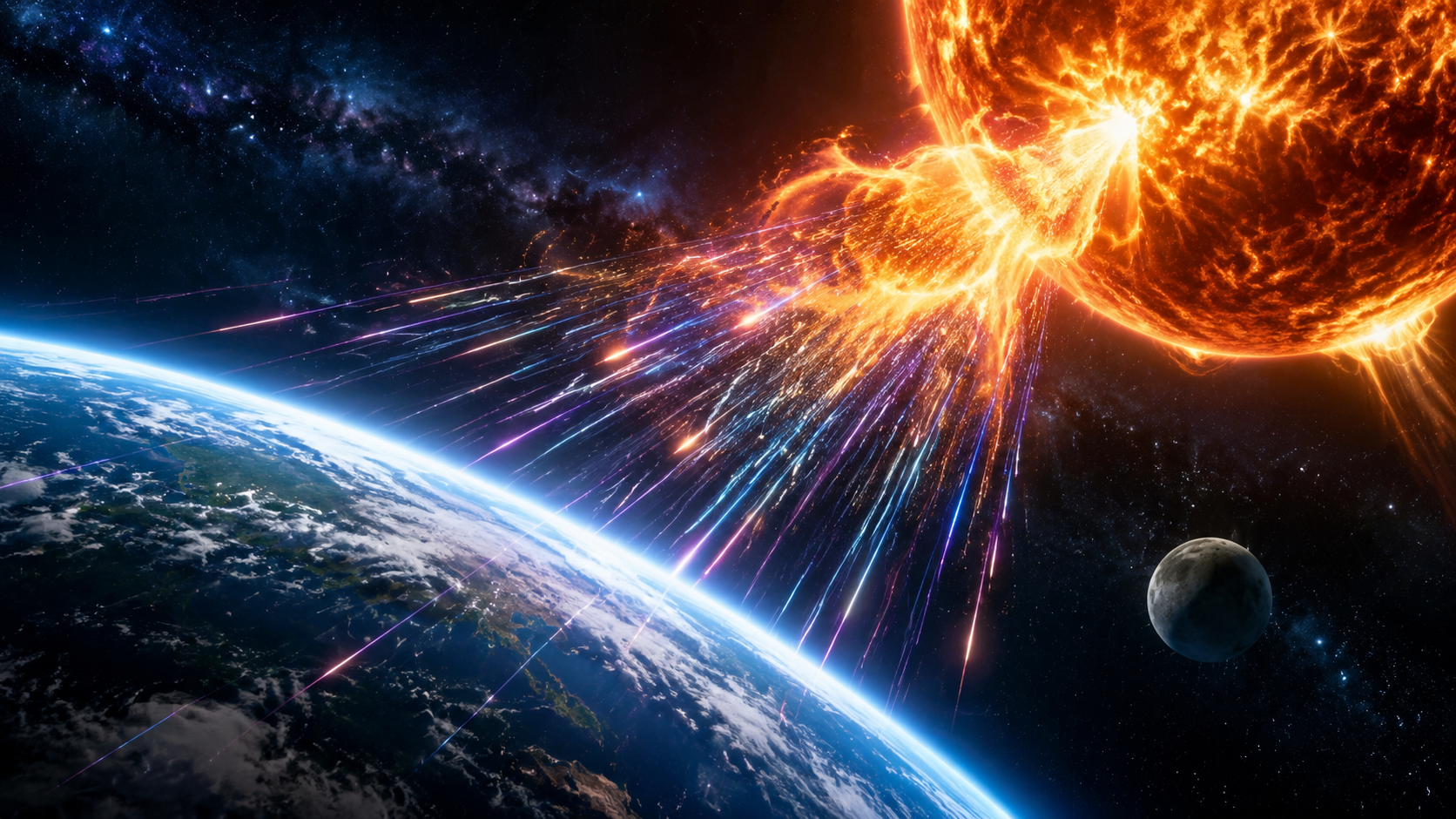
Sources of Cosmic Rays and Space Radiation
Author: SpacePedia
Theme: General Space
Subject: Cosmic rays
Article Summary: Cosmic rays are high-energy electrically charged particles that reach Earth from space. Unlike electromagnetic radiation, these particles arrive as a direct flow of matter. Supernova explosions, high-energy stellar remnants, and other extreme cosmic environments are the main candidates involved in the formation of these particles. Nevertheless, the exact celestial sources of the highest-energy cosmic rays have not yet been fully determined.
Date: 20-09-2026

The Mysterious Structure of the Milky Way Galaxy and the Dark Matter Web
Author: SpacePedia
Theme: Galaxies
Subject: Milky Way
Article Summary: The Milky Way is a barred spiral galaxy that contains the Solar System. Its structure includes a disk made up of stars, a central region, clouds of gas and dust, and a much larger dark matter halo. The supermassive black hole at the center, called Sagittarius A*, is studied along with the movements of the surrounding stars and gas. Dark matter cannot be directly imaged because it does not emit light; its existence is investigated by using its gravitational effects on the motions of stars and other matter. When the visible disk of the Milky Way and the surrounding dark matter halo are considered together, the structure and mass distribution of the galaxy are revealed.
Date: 11-09-2026
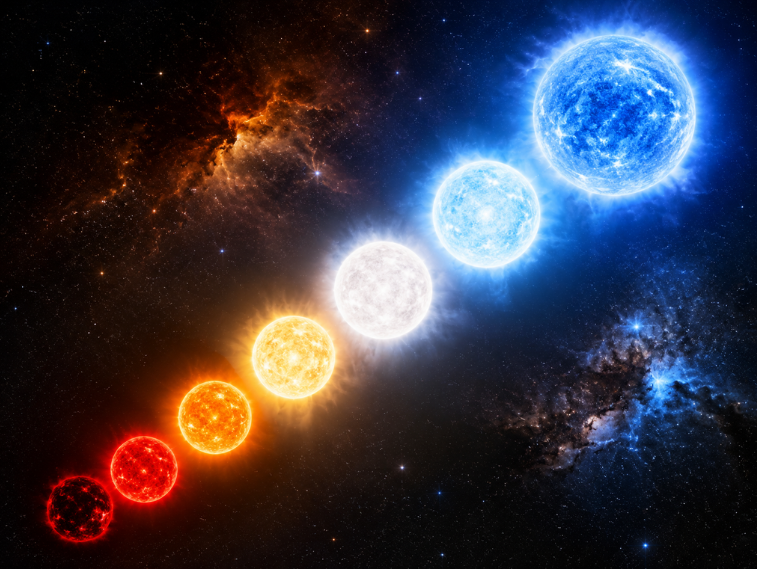
What Star Colors Tell Us About Surface Temperatures
Author: SpacePedia
Theme: Stars
Subject: Star Colors
Article Summary: The color of a star is one of the fundamental features that directly provides information about its surface temperature. The wavelengths of light emitted by stars vary depending on their temperatures. Hotter stars appear in blue and blue-white tones, while cooler stars tend toward orange and red hues. Yellow-white stars are found in the middle of this temperature range. The Sun's yellow-white appearance is related to its surface temperature of about 5,500 °C. The colors of stars are not just a visual difference; when the spectrum of their light is analyzed, measurable information about the star's surface temperature can be obtained.
Date: 16-09-2026