
The Enormous Power Produced by the Sun Through Nuclear Fusion
Author: SpacePedia
Theme: Stars
Subject: Nuclear Fusion
Article Summary: The Sun's light and heat originate from nuclear fusion reactions occurring in its core. Under extremely high temperature and pressure at the Sun's center, hydrogen nuclei combine to form helium. The small mass difference generated during this process is converted into energy, enabling the Sun to continuously emit radiation into space. The primary mechanism of energy production in the Sun is the proton-proton chain.
Date: 11-09-2026
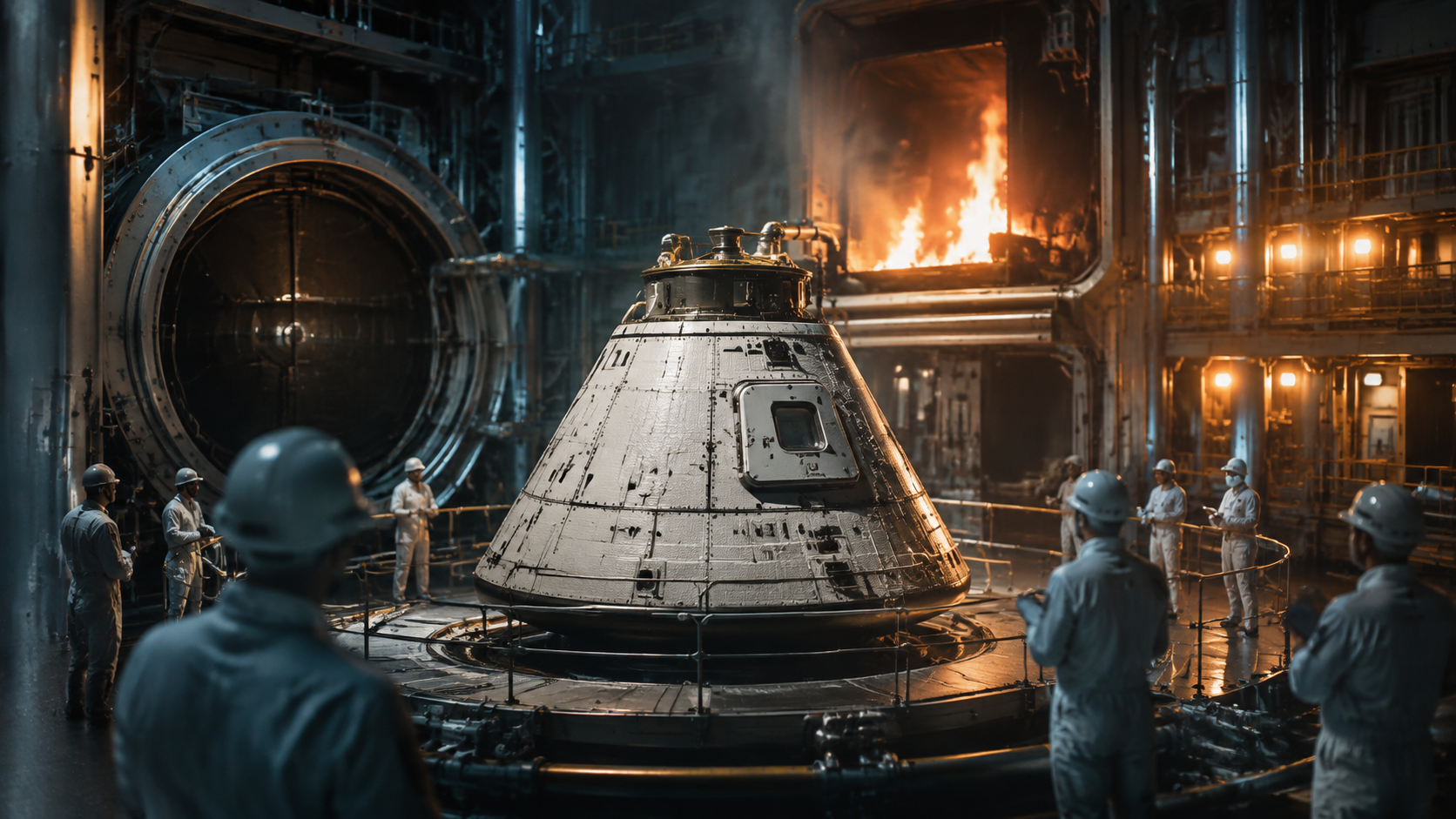
Safety Protocols Changed After the Apollo 1 Fire
Author: SpacePedia
Theme: Accidents
Subject: Space Safety
Article Summary: The ground test conducted for the Apollo 1 mission ended in tragedy on January 27, 1967, when a fire broke out inside the capsule, resulting in the deaths of three astronauts. During the test, the capsule's pressurized atmosphere of pure oxygen, the presence of flammable materials inside the cabin, and conditions related to the electrical system created an environment in which the fire spread extremely rapidly. The inability to quickly open the capsule hatch from the inside further worsened the fatal consequences of the emergency. Following the accident, NASA implemented extensive safety changes ranging from the design of crewed spacecraft to ground tests and astronauts' emergency procedures. Flammable materials inside the Apollo capsule were reduced, electrical systems were redesigned, the hatch opening mechanism was changed, and the atmospheric design was reviewed. These changes became fundamental regulations aimed at increasing crew safety in subsequent Apollo missions.
Date: 18-09-2026
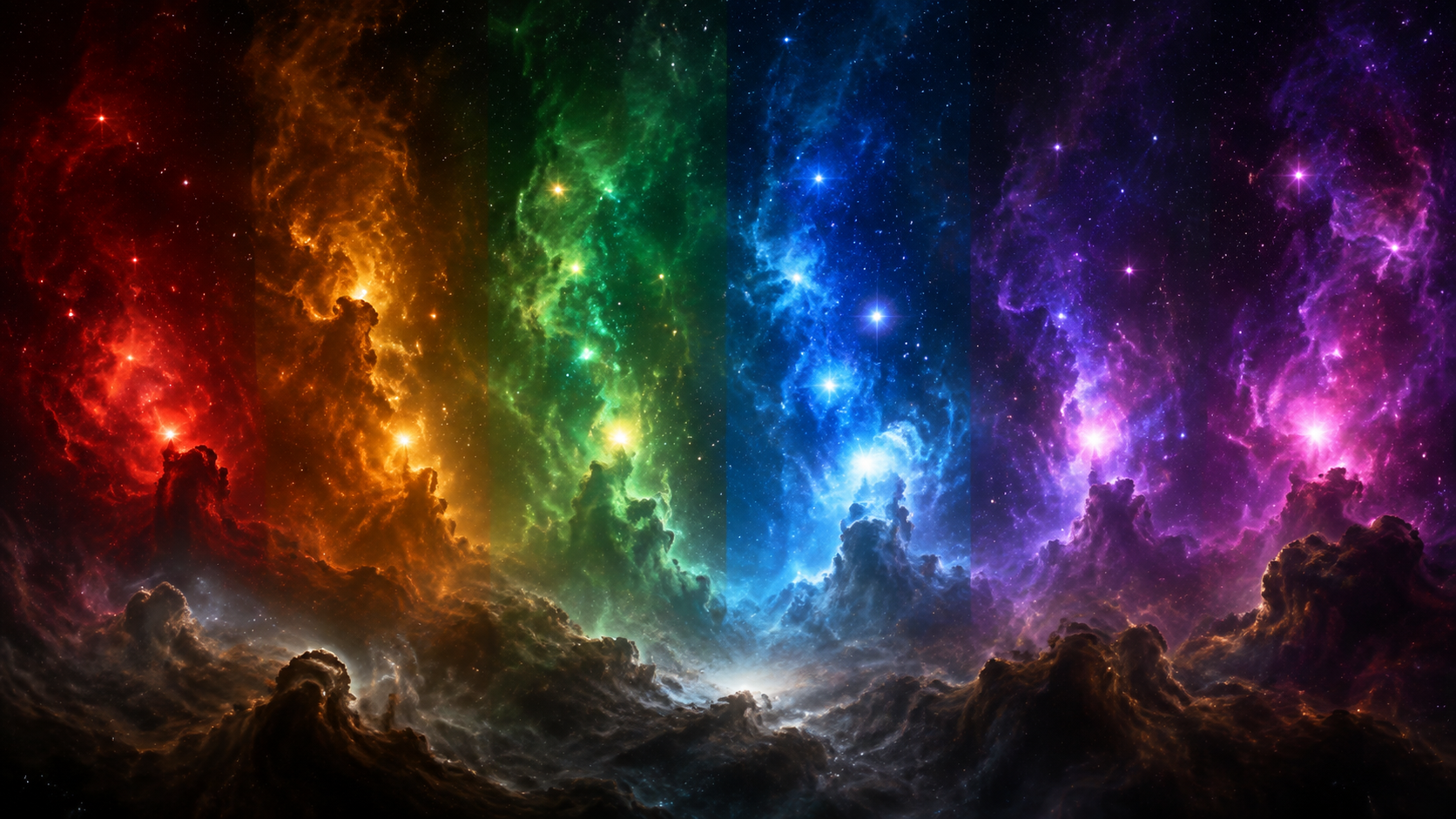
The Reason Different Gases in Nebulae Emit Light in Different Colors
Author: SpacePedia
Theme: Nebulae
Subject: Atomic structures of gases and emission of light at different wavelengths
Article Summary: Nebulae are among the most colorful and striking structures in space. The colors of these massive clouds of gas and dust, seen in shades of red, blue, green, and orange, do not occur randomly. When atoms and ions within the nebula absorb energy, their electrons move to higher energy levels; as the electrons return to lower energy levels, they emit light at specific wavelengths. Since each element has different energy levels, the wavelengths of the emitted light also differ. For this reason, hydrogen, oxygen, and other elements can contribute their own unique colors to the appearance of nebulae. However, the type of gas is not the only factor that determines the colors; the energy emitted by stars, the temperature of the gas, and the state of ionization also affect which regions of the nebula shine in which colors.
Date: 19-09-2026
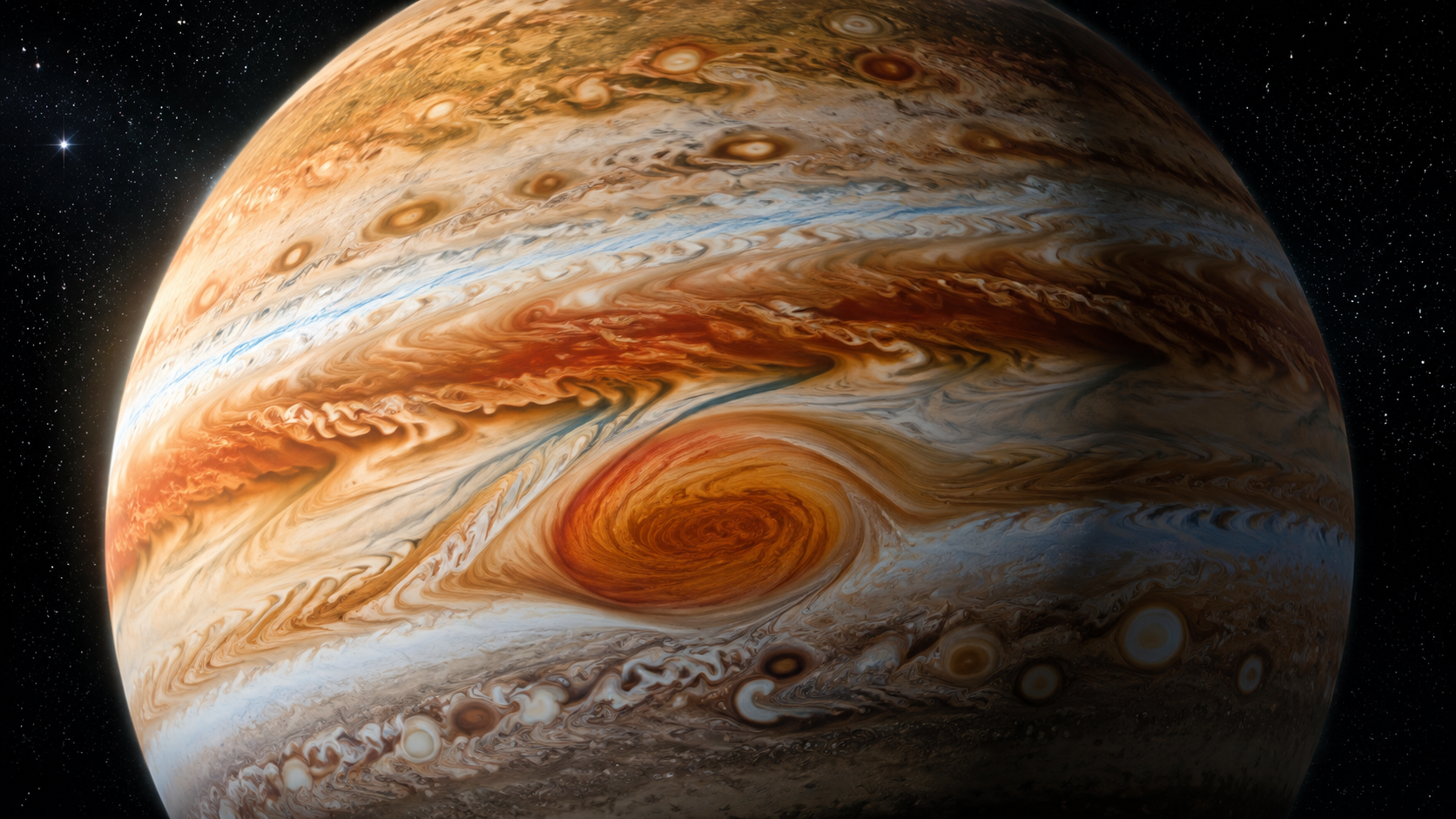
The Storms of the Giant Planet Jupiter and the Famous Great Red Spot
Author: SpacePedia
Theme: Planets
Subject: Jupiter Storms
Article Summary: Jupiter is the largest planet in the Solar System and, instead of a solid surface, it has a deep atmospheric layer composed mostly of hydrogen and helium. This atmosphere contains extremely strong winds, cloud bands moving in opposite directions, and massive storm systems. The most famous of these is the Great Red Spot, which has been observed for centuries. Located in Jupiter's southern hemisphere, this enormous atmospheric system is a long-lived anticyclonic storm that can cover an area larger than Earth and rotates on its own axis. The color of the Great Red Spot can change over time, and the size of the storm has decreased over long periods. Jupiter's rapid rotation, temperature differences in its atmosphere, and cloud layers moving at different speeds all contribute to the formation of complex and constantly changing weather systems on the planet.
Date: 18-09-2026
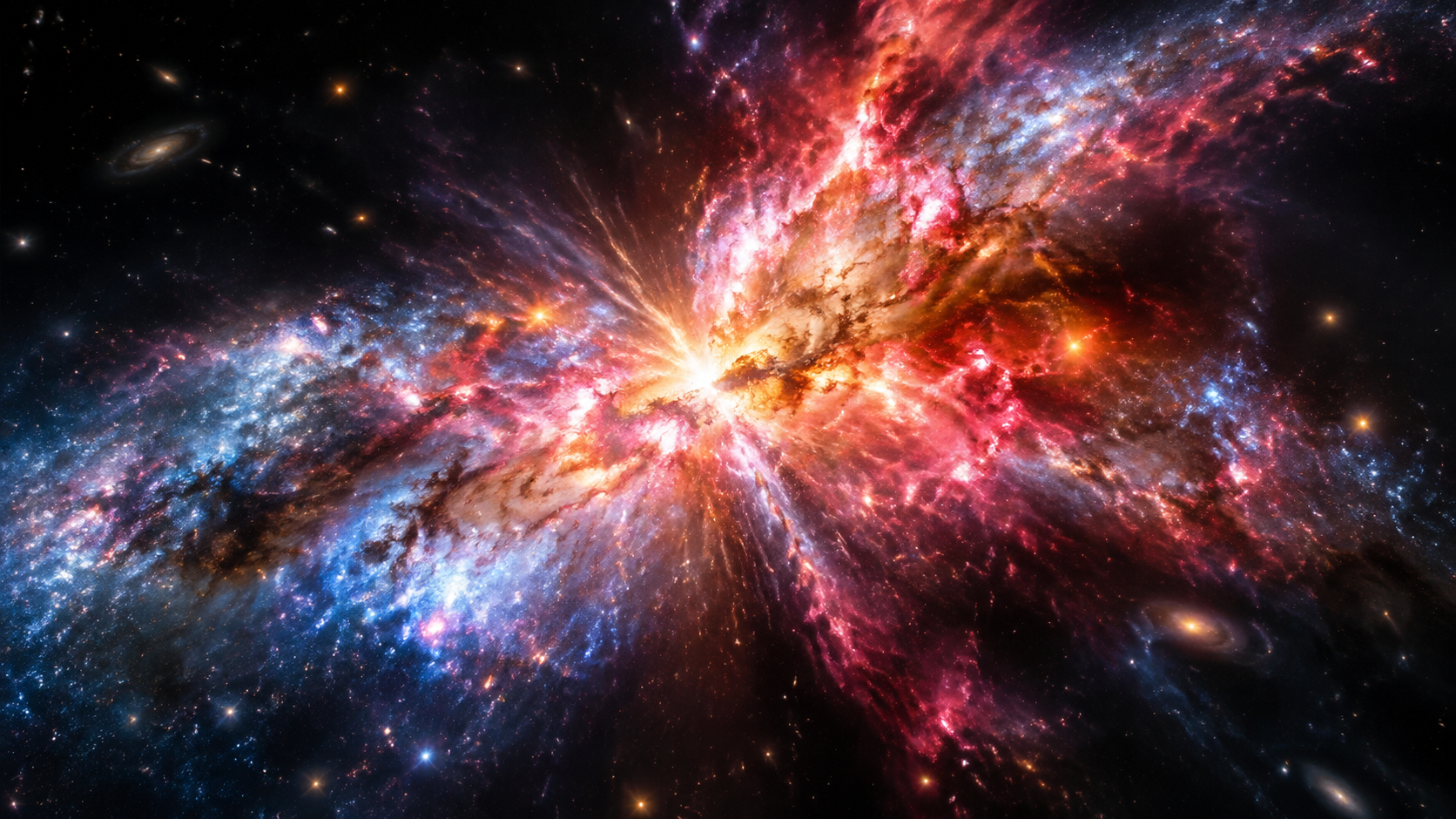
Starburst Galaxies: Cosmic Regions Where Star Formation Peaks
Author: SpacePedia
Theme: Galaxies
Subject: Starburst galaxies
Article Summary: Starburst galaxies are dense cosmic environments where stars form much more rapidly than in ordinary galaxies. The compression of large amounts of gas and dust accelerates the birth of new stars. In particular, the approach and collision of galaxies can compress gas clouds, triggering intense star formation.
Date: 20-09-2026
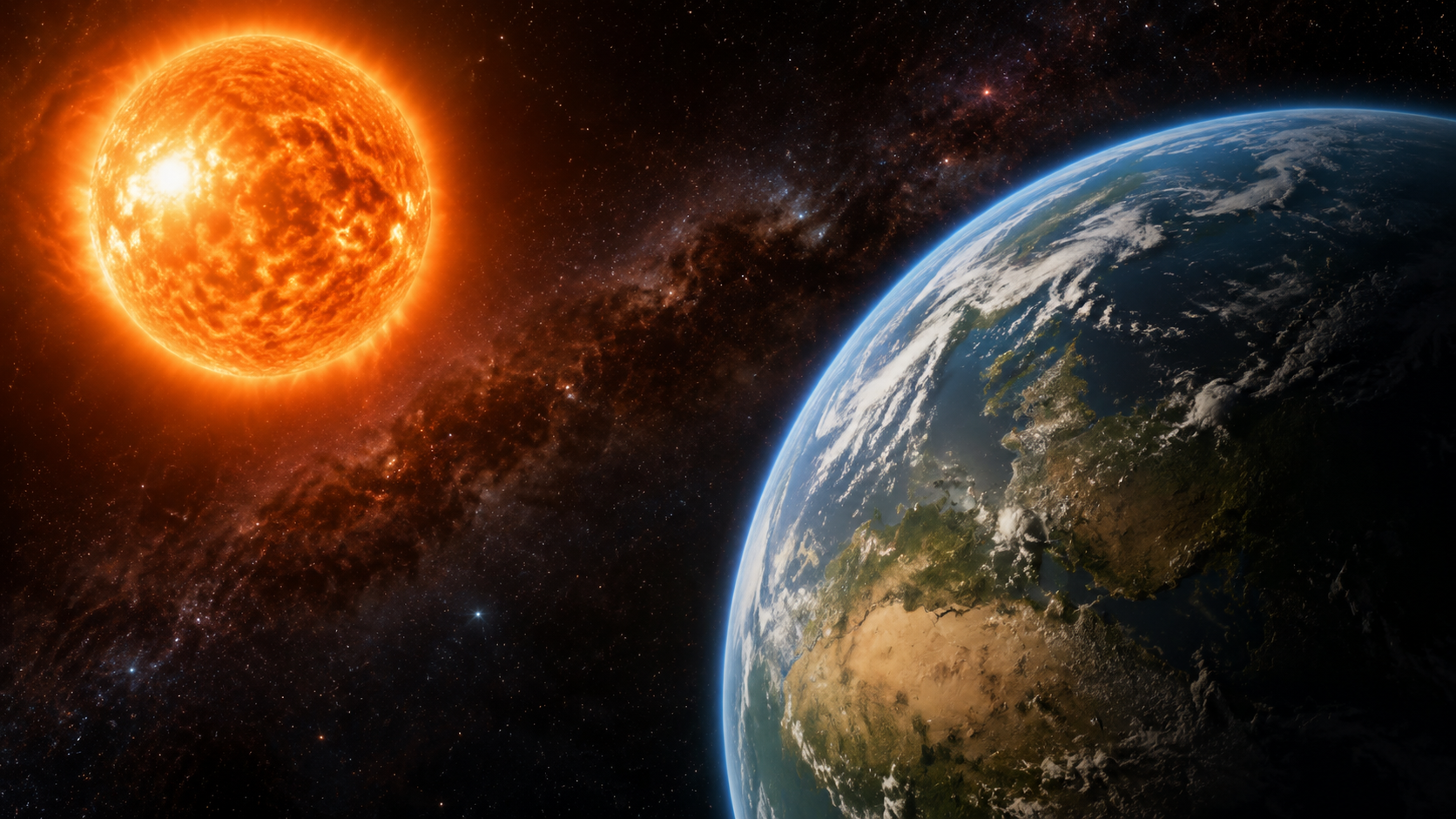
How Earth Maintains Conditions Suitable for Liquid Water and Life
Author: SpacePedia
Theme: Planets
Subject: Earth's Habitability
Article Summary: Earth is a planet that simultaneously possesses multiple physical conditions allowing liquid water to exist on its surface for extended periods. Its distance from the Sun plays a fundamental role in keeping surface temperatures suitable for water to remain in liquid form. The atmosphere traps heat, limiting extreme changes in surface temperature and creating an important environment that reduces the loss of water to space. Earth's mass is also significant, as it provides strong gravity to retain its atmosphere. Additionally, the water cycle, carbon cycle, and long-term interactions between rocks and the atmosphere contribute to balancing the planet's climate over time. The interplay of these conditions forms a complex system that has enabled Earth to preserve liquid water on its surface for billions of years.
Date: 19-09-2026
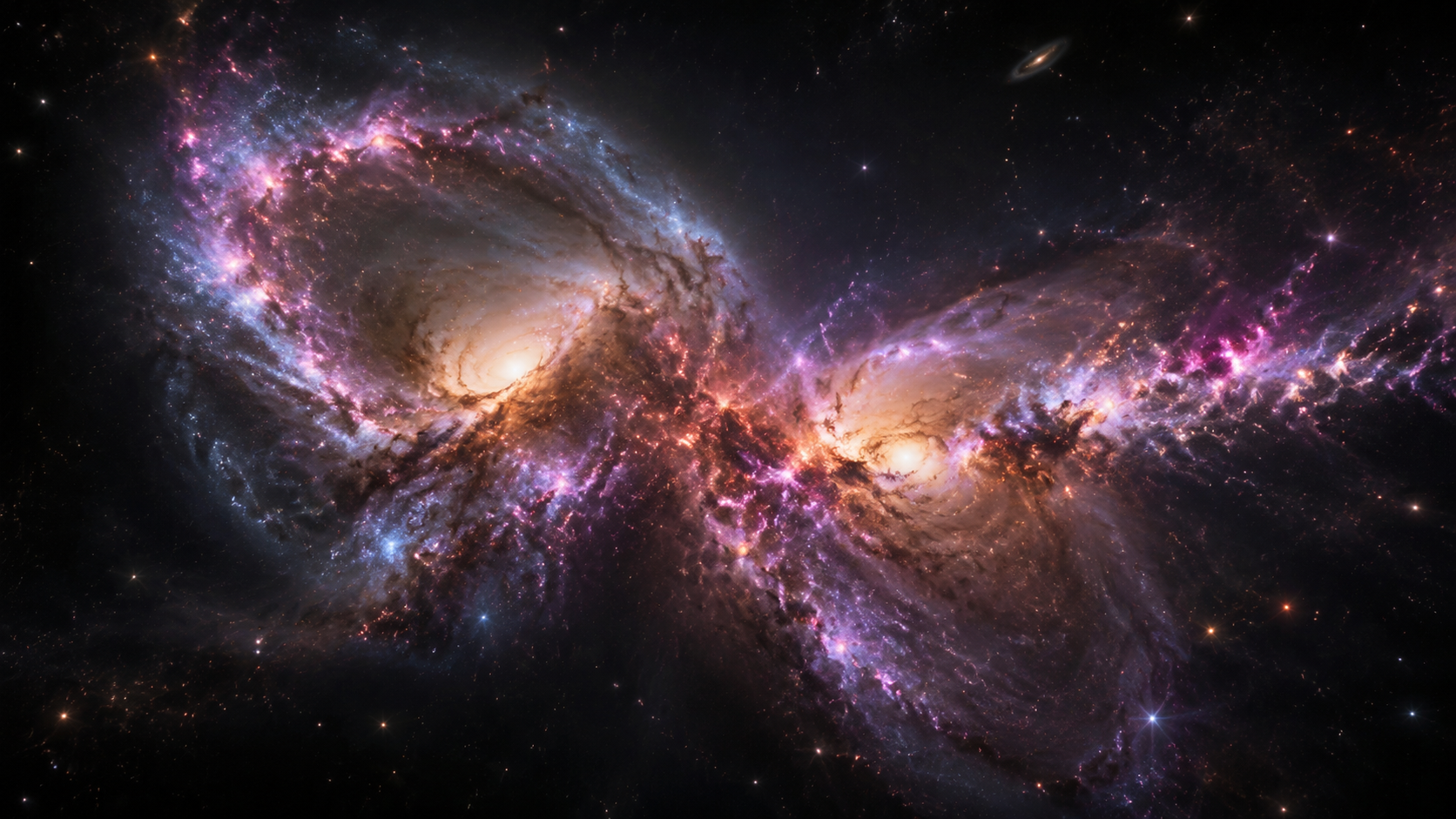
The Intense Triggering of New Star Formation by Galaxy Mergers
Author: SpacePedia
Theme: Galaxies
Subject: Galaxy Mergers and Star Formation
Article Summary: Galaxies are massive cosmic systems that contain billions of stars as well as large amounts of gas and dust. When two galaxies approach each other, their structures begin to distort and interact due to their mutual gravity. During this process, gas clouds can become compressed, their densities can increase, and conditions suitable for the formation of new stars may arise. In particular, mergers of gas-rich galaxies can lead to star formation rates much higher than normal within a short period. These periods are called starburst events. During a merger, the stars of the galaxies mostly do not collide directly with each other; the main strong interaction is seen in the movement of gas and dust within the galaxies. The dense regions formed by the compression of gas collapse, laying the foundations for new star clusters.
Date: 19-09-2026
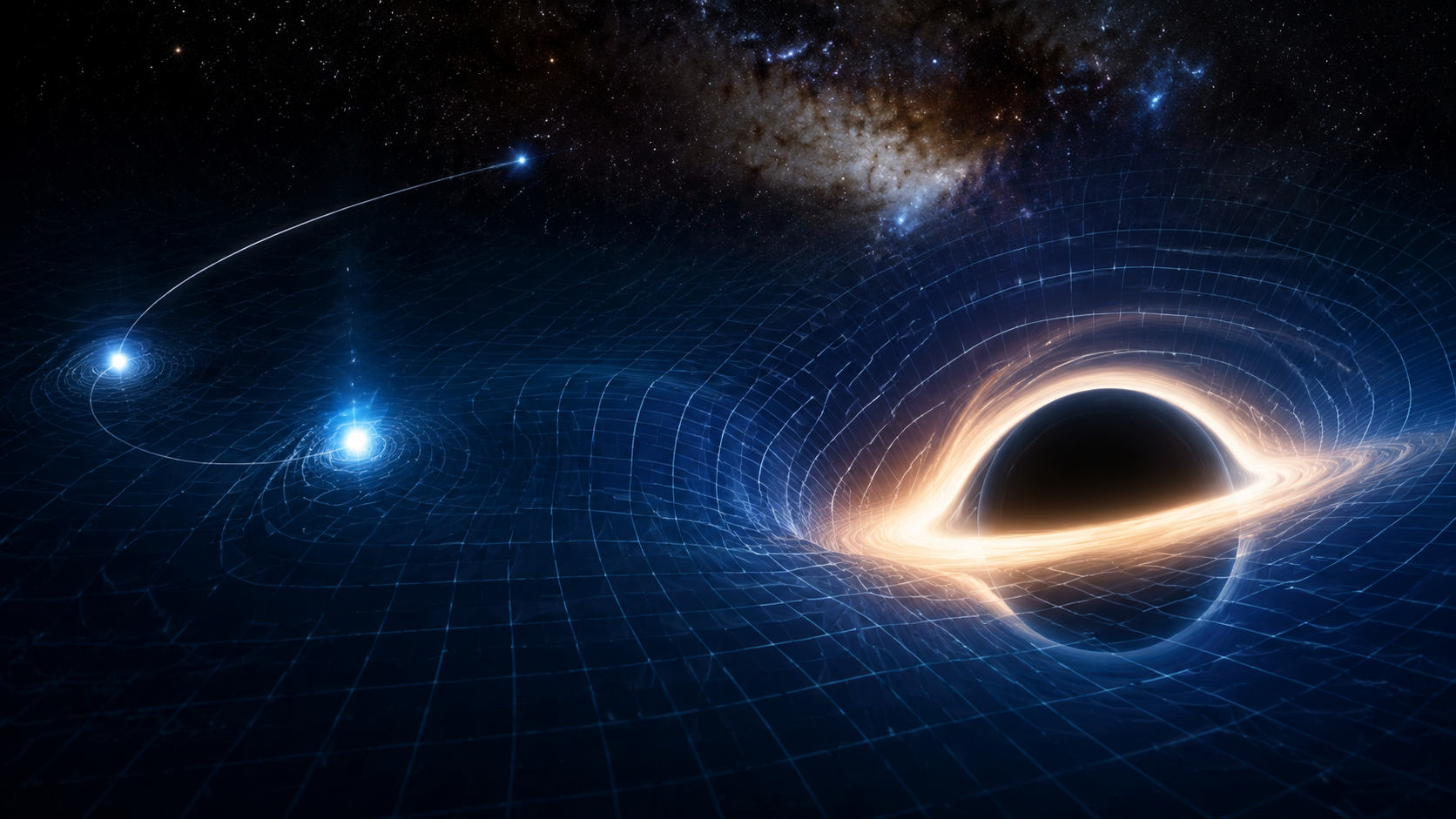
Measuring Time Dilation in Strong Gravitational Fields
Author: SpacePedia
Theme: General Space
Subject: Gravity and Time Dilation
Article Summary: According to Einstein's general theory of relativity, mass and energy alter the geometry of space-time. One consequence of this is that clocks located in strong gravitational fields run more slowly compared to clocks in weaker gravitational fields. This phenomenon is called gravitational time dilation. The effect is measurable even at the Earth's surface and can be demonstrated through precise time comparisons between atomic clocks. The difference increases in stronger gravitational fields; effects on the flow of time become much more pronounced near extremely dense objects such as neutron stars and black holes. For this reason, precise clocks are not only instruments for measuring time, but also important scientific tools used to test the physical properties of space-time.
Date: 19-09-2026
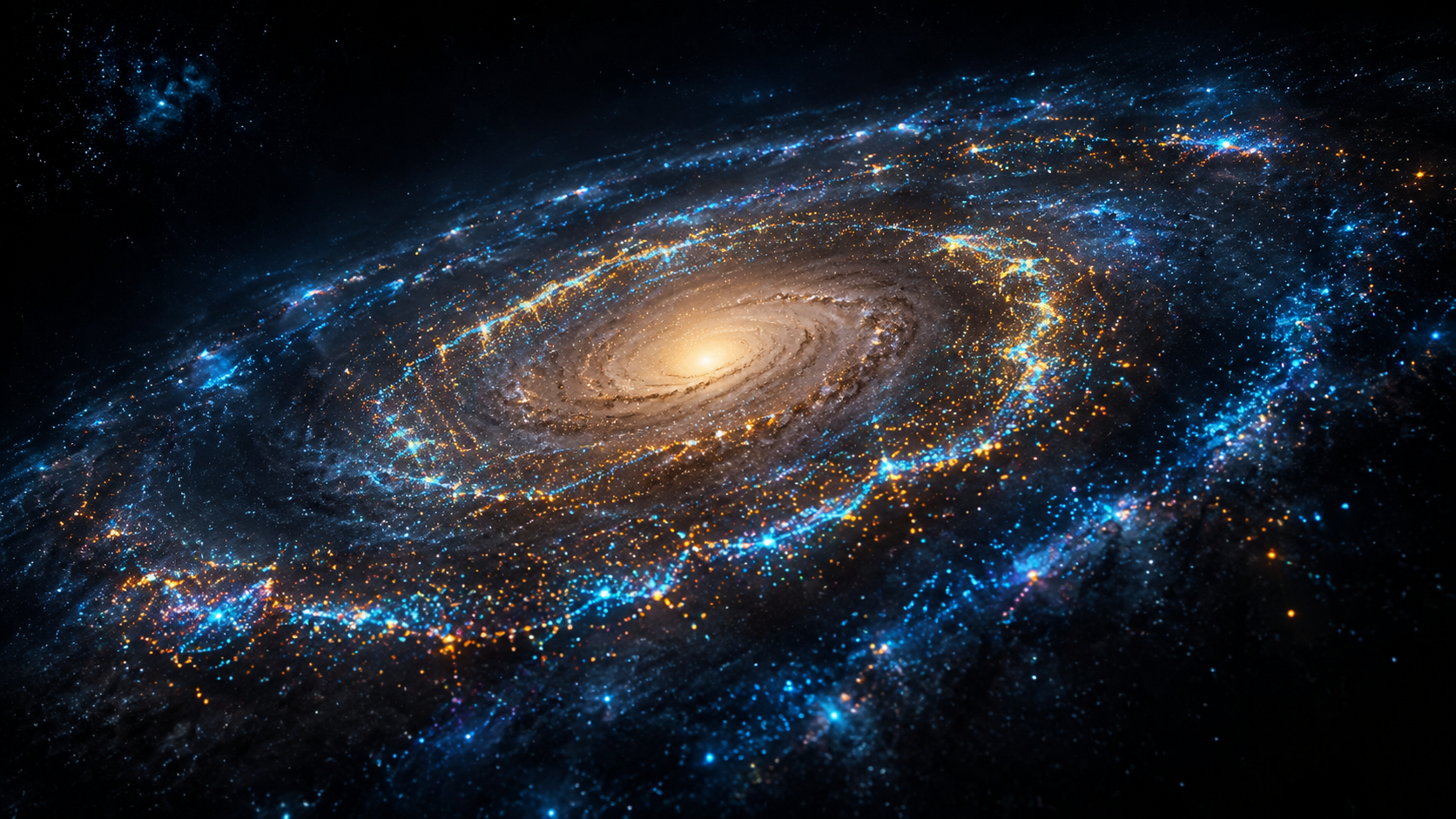
Mapping the Stellar Distribution in the Spiral Arms of the Milky Way Galaxy
Author: SpacePedia
Theme: Galaxies
Subject: Revealing the spiral structure of the Milky Way and the distribution of stars within the galaxy
Article Summary: The Milky Way is a spiral galaxy with a bar-like structure at its center. However, since we are inside it, it is not possible to see the entire galaxy in a single image taken from the outside. Therefore, the spiral arms and stellar distribution of the Milky Way are mapped by combining the positions, distances, and motions of stars, clouds of gas and dust, and observations at different wavelengths. In particular, measuring the distances to stars plays a fundamental role in revealing the three-dimensional structure of the galaxy. As emphasized in the Milky Way mapping section of the book, in order to understand the structure of our galaxy, it is necessary to determine not only the apparent positions of stars in the sky, but also their distances and distributions within the galactic structure.
Date: 19-09-2026
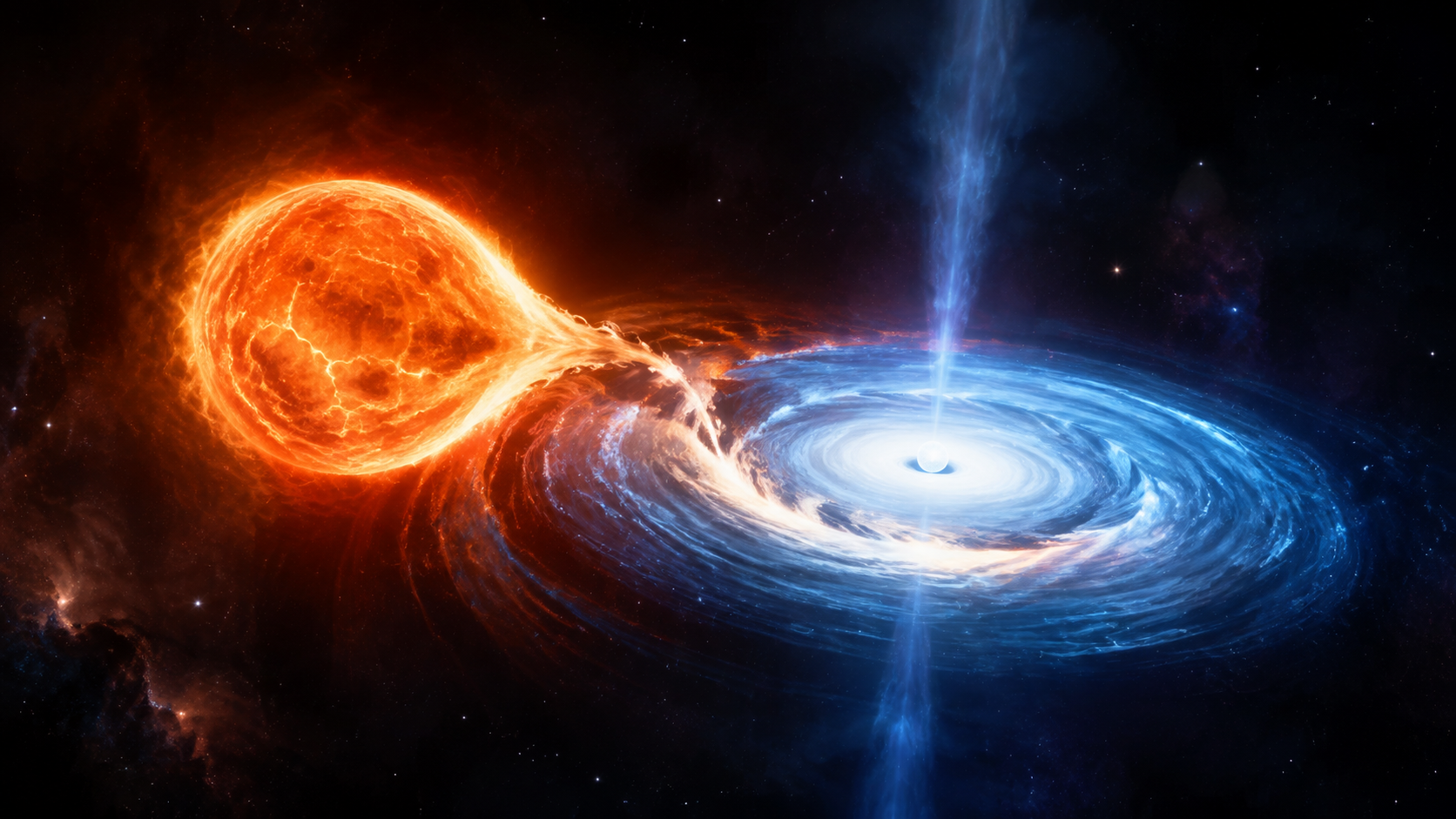
Cosmic Mass Transfer and Energy Sharing in Binary Star Systems
Author: SpacePedia
Theme: Stars
Subject: Cosmic Mass Transfer and Energy Sharing
Article Summary: In binary star systems, two stars orbit each other due to their mutual gravitational attraction. When one of the stars evolves and expands, material from its outer layers can be transferred to the companion star's gravitational field. This process forms a significant interaction that determines the future of the system by altering the stars' mass, luminosity, and rate of evolution. Mass transfer or merger is one of the key processes in the evolution of stellar systems.
Date: 20-09-2026
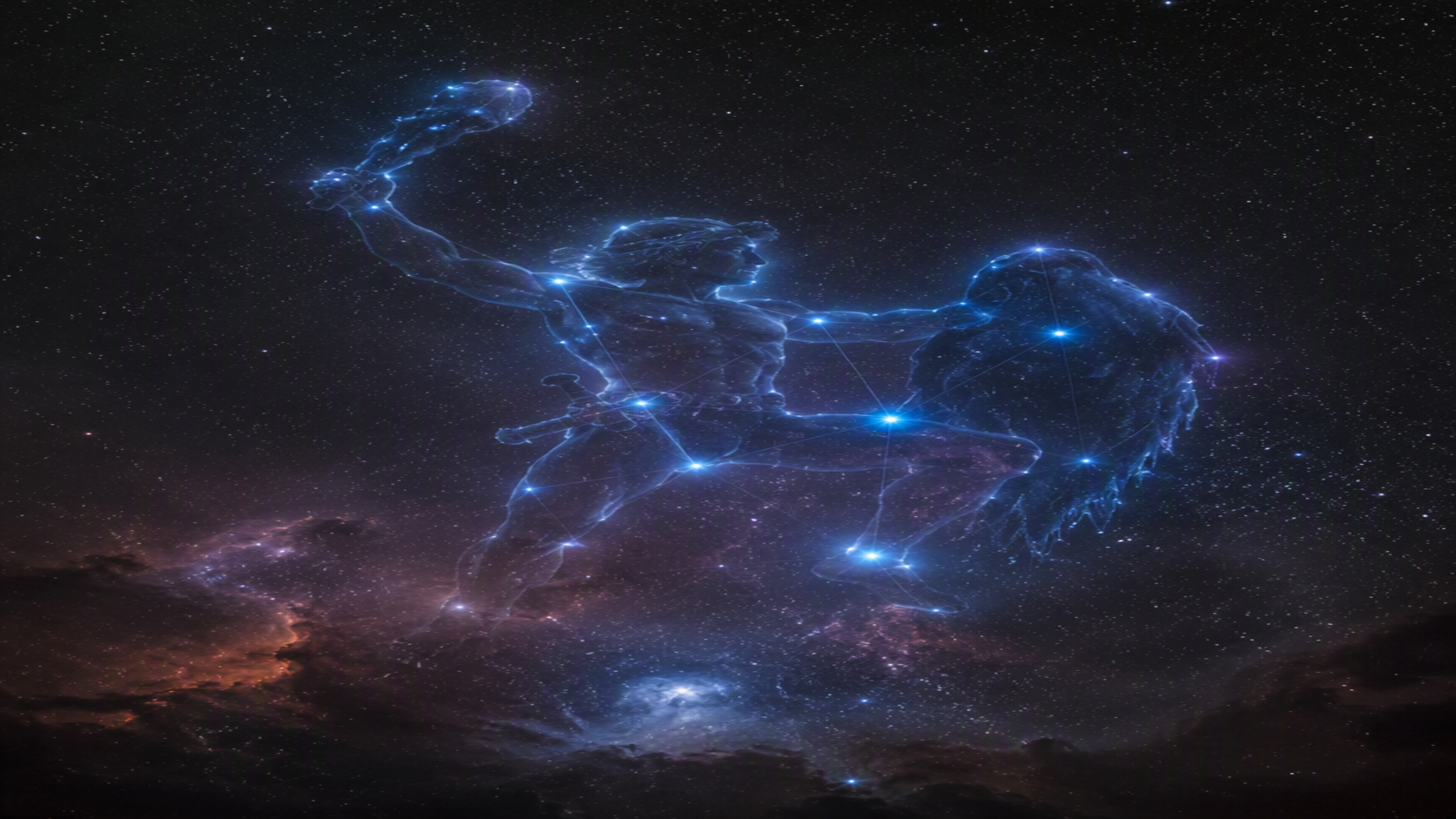
The Famous Hunter of the Winter Sky: Orion and the Stars Around It
Author: SpacePedia
Theme: Constellations
Subject: Orion
Article Summary: Orion is a well-known constellation that is easily noticeable in the sky, especially during the winter months, and contains many bright stars together. Its distinctive shape in the sky is easily recognized thanks to Orion's Belt, which consists of three bright stars lined up side by side in the middle. Surrounding the Belt are bright stars such as Betelgeuse and Bellatrix, with Rigel located below. Around Orion are other important constellations like Canis Major, Canis Minor, and Taurus. The Orion region stands out not only for its bright stars but also for the clouds of gas and dust where stars are formed. In particular, the Orion Nebula is a significant celestial object in this region, where young stars and dense star-forming areas can be observed.
Date: 18-09-2026

The Secrets of How Scientists Discover Distant Exoplanets
Author: SpacePedia
Theme: Different Methods
Subject: Exoplanet Discovery
Article Summary: Exoplanets are planets that orbit other stars outside our Solar System. Since they are much dimmer than their stars, most cannot be seen directly. To detect these planets, scientists measure small changes in the brightness, motion, and position of stars in the sky. In the transit method, the dip in brightness as a planet passes in front of its star is examined, while the radial velocity method investigates changes in the star's movement caused by the planet's gravity. Astrometry relies on detecting tiny shifts in a star's position in the sky, and direct imaging focuses on faint light from planets under suitable conditions. By combining data from different methods, scientists can learn about the existence, orbits, sizes, and masses of exoplanets.
Date: 11-09-2026