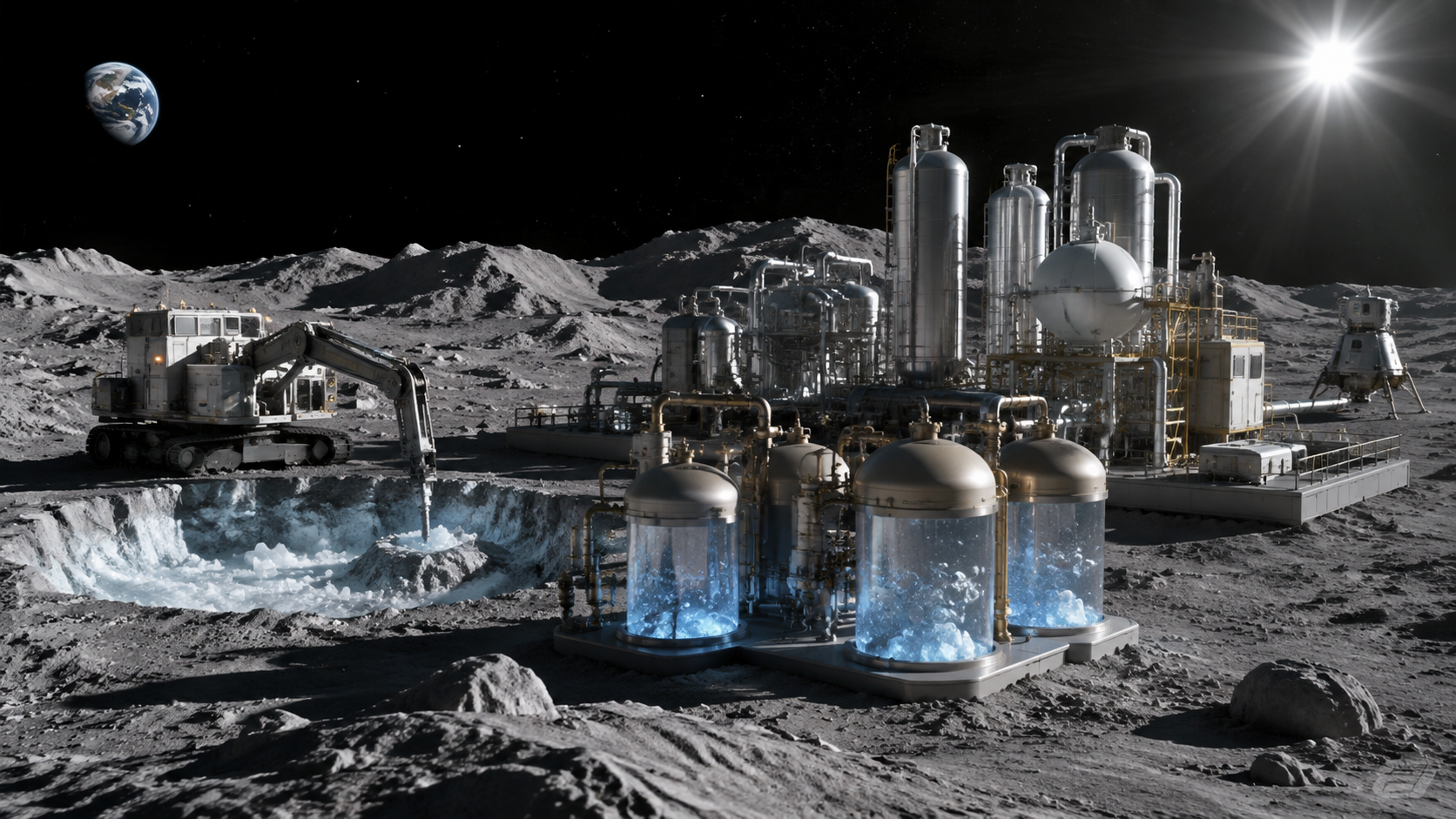
The Possibility of Producing Space Fuel from Water Ice on the Lunar Surface
Author: SpacePedia
Theme: New Developments
Subject: Fuel production on the Moon
Article Summary: Water ice found in the Moon's polar regions stands out as an important natural resource that could be used in future space missions. Water obtained from this ice can be separated into hydrogen and oxygen and utilized in rocket fuel production. Such a system could transform the Moon into a significant logistical hub for refueling spacecraft in the future.
Date: 20-09-2026
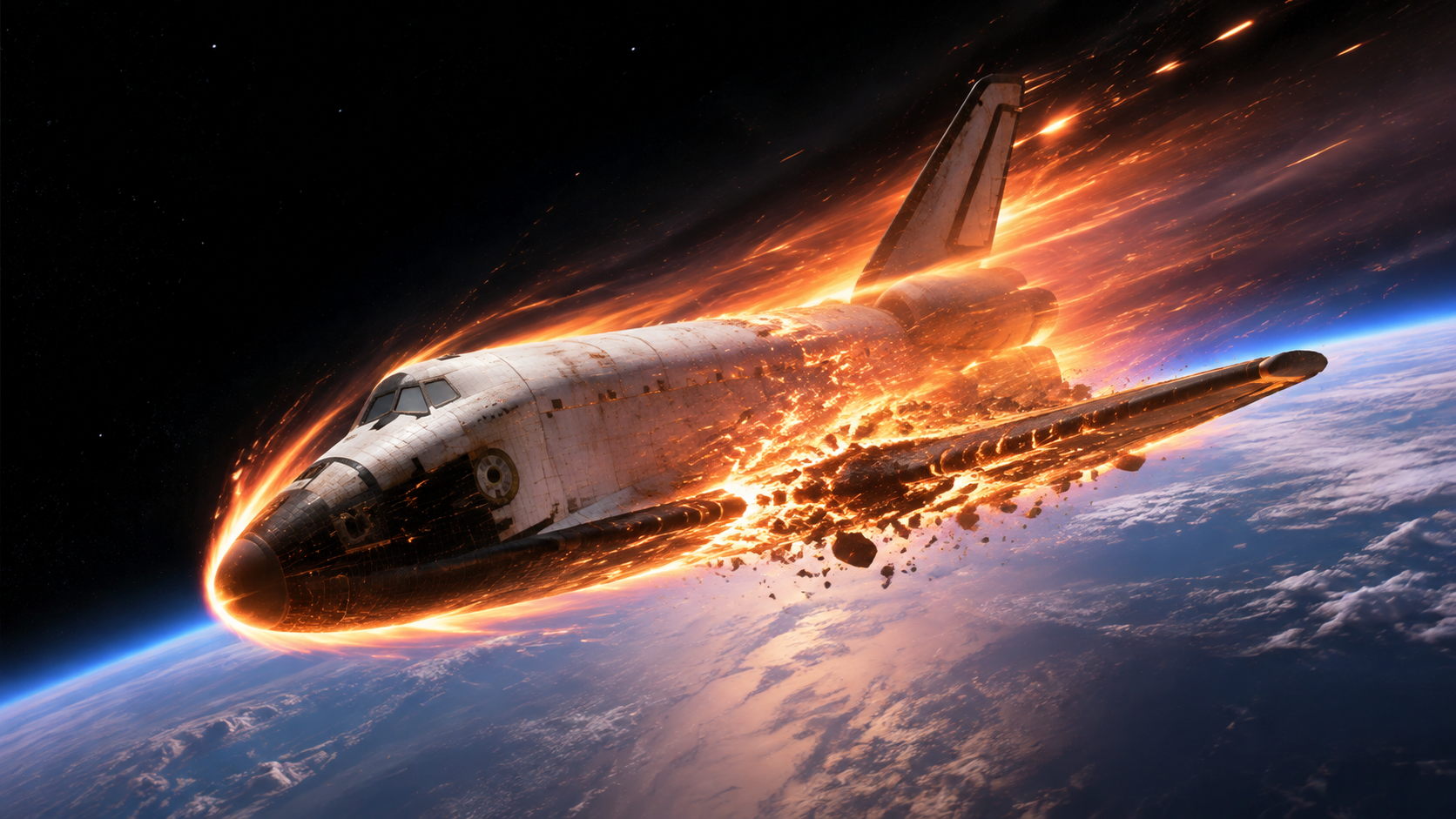
The Heat Shield Disaster During Columbia Space Shuttle's Return to Earth
Author: SpacePedia
Theme: Accidents
Subject: Heat Shield
Article Summary: On February 1, 2003, the Columbia space shuttle disintegrated during re-entry at the end of the STS-107 mission, resulting in the loss of seven astronauts. The origin of the accident was a piece of insulation foam that broke off from the external fuel tank during launch and struck the heat protection system on the leading edge of Columbia's left wing. As a result of the impact, one or more of the carbon-carbon panels on the wing's leading edge were damaged. While the shuttle continued its mission in space, the extent of the damage was not fully understood. During re-entry into Earth's atmosphere, extremely hot gases penetrated the wing's interior through the damaged area. As the structural integrity of the left wing deteriorated, control of Columbia was lost and the vehicle broke apart at high speed. The accident was caused not only by the loss of a single piece, but also by a combination of interconnected technical and organizational issues, such as the insufficient assessment of the damage sustained during launch and the misinterpretation of the associated risks.
Date: 18-09-2026
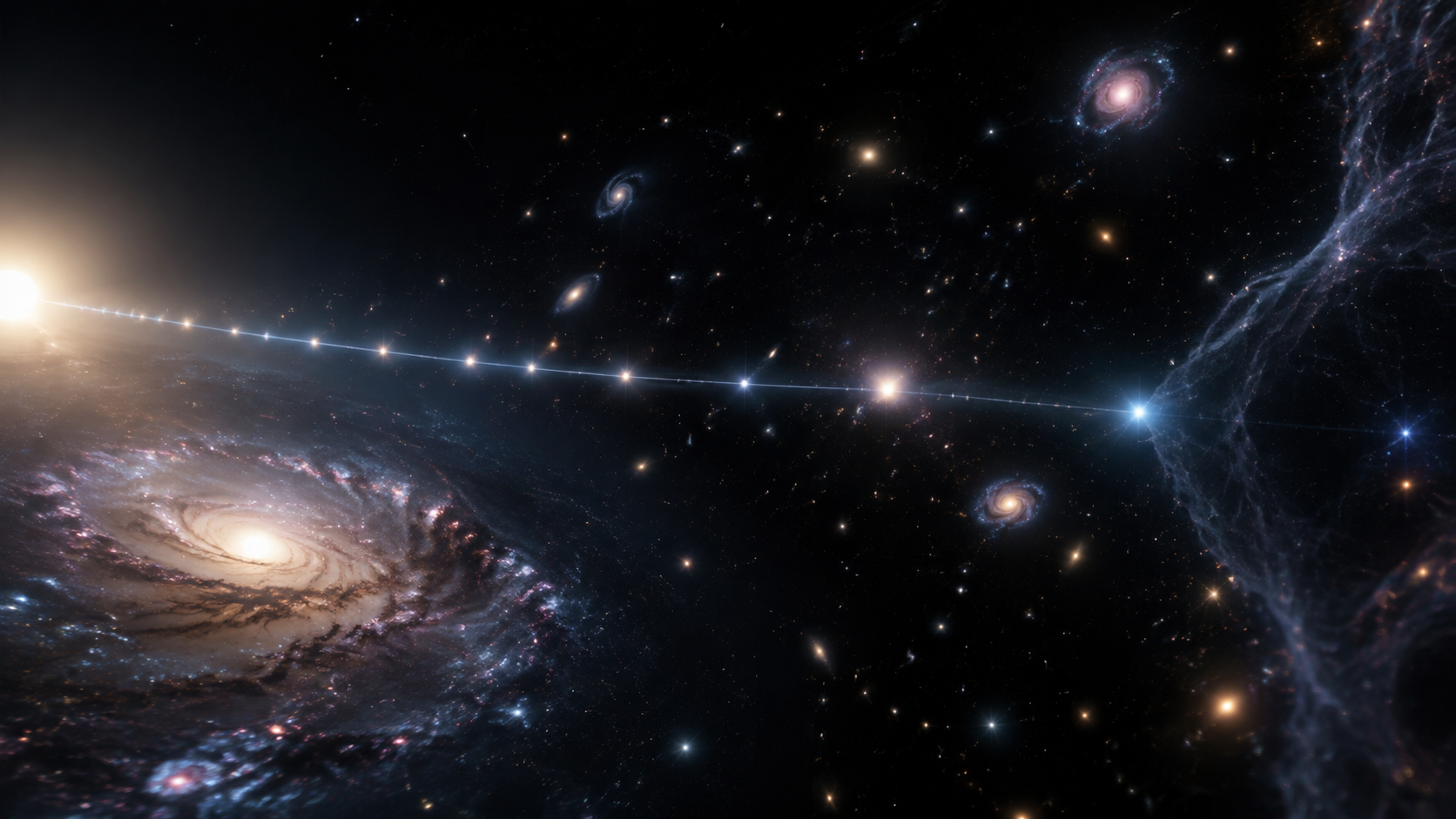
Light Year and Cosmic Scales in Determining the Distances of Distant Galaxies
Author: SpacePedia
Theme: General Space
Subject: Cosmic Distances
Article Summary: Cosmic distance units such as light year and megaparsec are used instead of kilometers to express the distances of distant galaxies from Earth. A light year represents the distance light travels in a year in a vacuum, which is approximately 9.46 trillion kilometers. Since light from a galaxy can travel for millions or billions of years to reach Earth, the distance to the galaxy also allows us to see it as it was in the past. However, the distance to very distant galaxies is not determined solely by calculating the path traveled by light. Astronomers calculate cosmic distances using measurements such as the brightness of galaxies, their spectral properties, and the redshift in the wavelength of their light. Thanks to these methods, a wide cosmic distance scale can be established, ranging from nearby galaxies a few million light years away to extremely distant galaxies billions of light years away.
Date: 18-09-2026
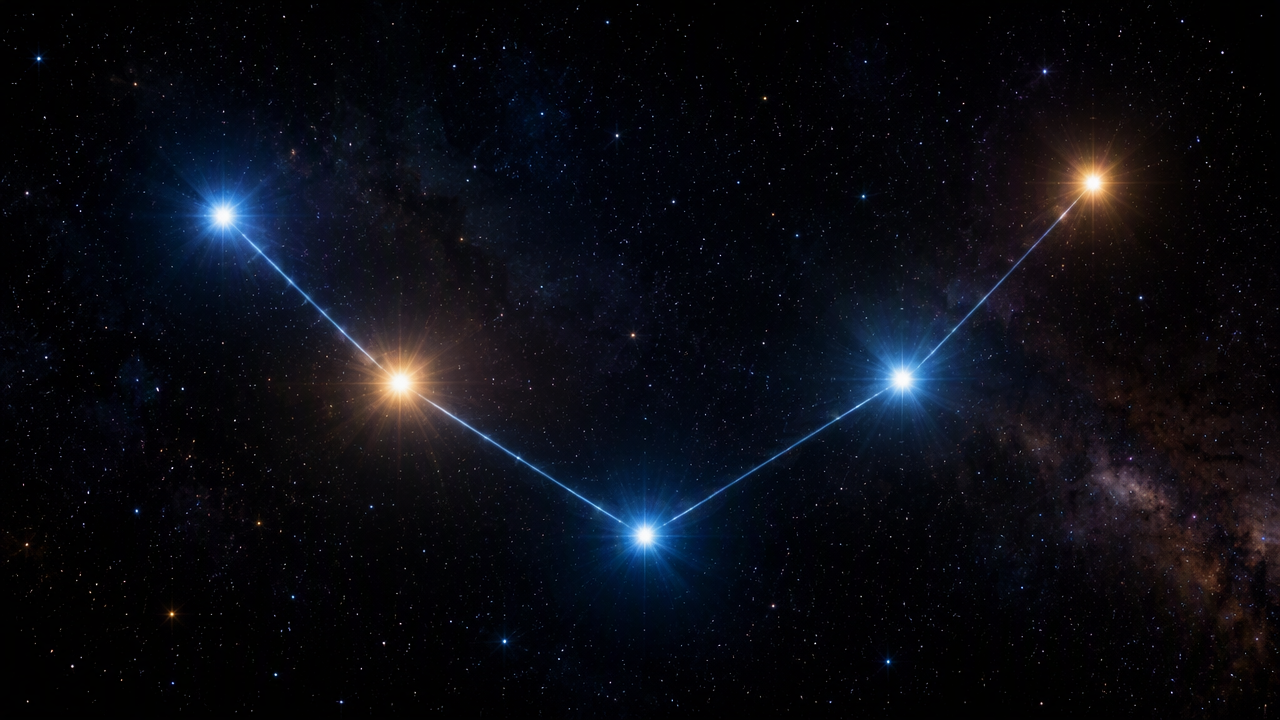
The Characteristics of the Stars That Form Cassiopeia's W Shape
Author: SpacePedia
Theme: Constellations
Subject: The bright stars forming Cassiopeia's distinctive W shape - and their physical properties
Article Summary: Cassiopeia is one of the most easily recognized constellations in the northern sky. It stands out thanks to the distinctive W or M shape formed by its five bright stars. This shape does not mean that the stars are actually in the same plane or close to each other in space. The characteristic appearance is created by the projection of these stars along the same line of sight as seen from Earth. The main stars forming Cassiopeia's shape are Schedar, Caph, Gamma Cassiopeiae, Ruchbah, and Segin. These stars differ from each other in color, temperature, mass, and evolutionary stage. Thus, Cassiopeia's W is in fact an impressive perspective pattern created in Earth's sky by stars that are quite different from one another.
Date: 19-09-2026
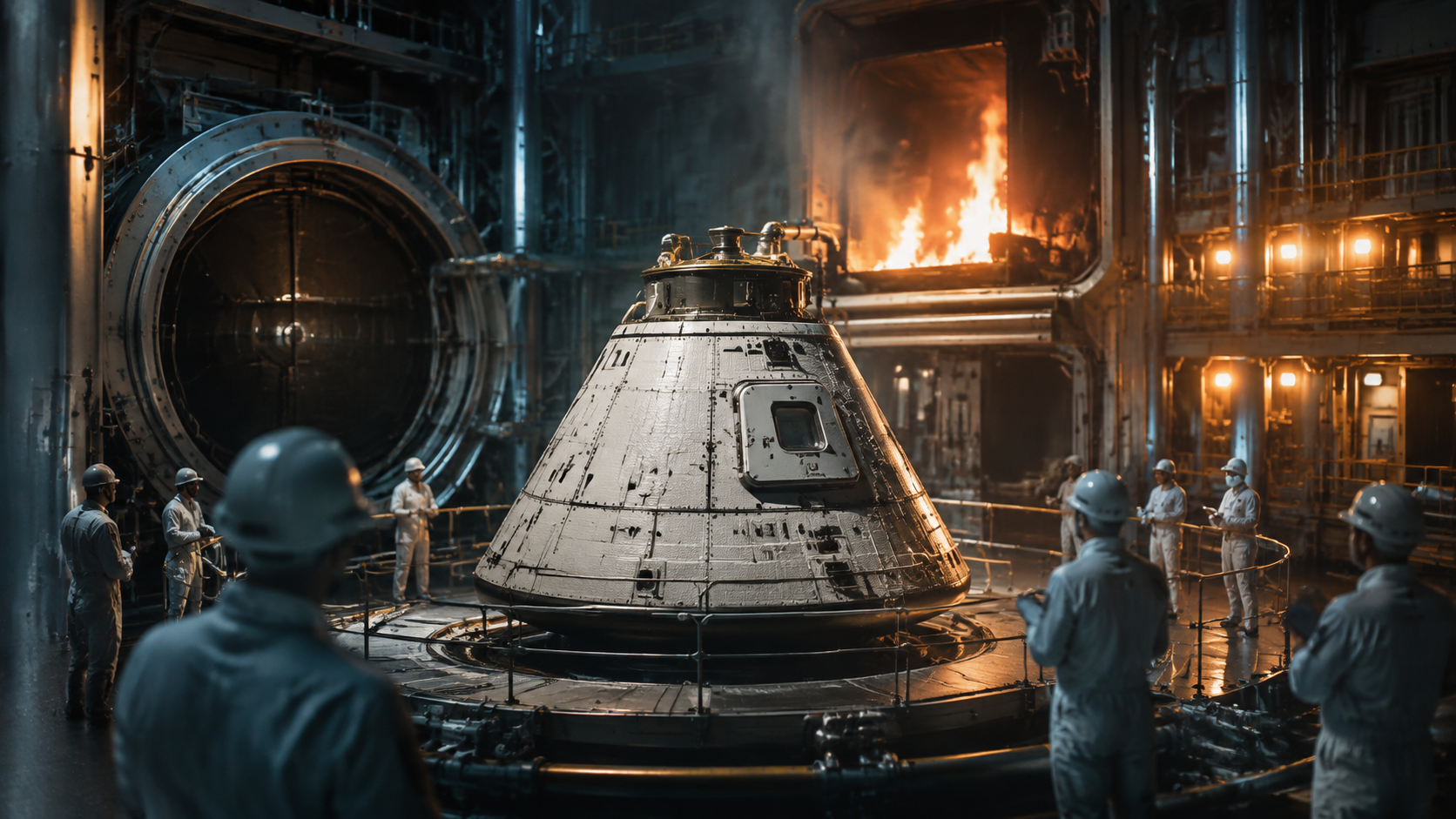
Safety Protocols Changed After the Apollo 1 Fire
Author: SpacePedia
Theme: Accidents
Subject: Space Safety
Article Summary: The ground test conducted for the Apollo 1 mission ended in tragedy on January 27, 1967, when a fire broke out inside the capsule, resulting in the deaths of three astronauts. During the test, the capsule's pressurized atmosphere of pure oxygen, the presence of flammable materials inside the cabin, and conditions related to the electrical system created an environment in which the fire spread extremely rapidly. The inability to quickly open the capsule hatch from the inside further worsened the fatal consequences of the emergency. Following the accident, NASA implemented extensive safety changes ranging from the design of crewed spacecraft to ground tests and astronauts' emergency procedures. Flammable materials inside the Apollo capsule were reduced, electrical systems were redesigned, the hatch opening mechanism was changed, and the atmospheric design was reviewed. These changes became fundamental regulations aimed at increasing crew safety in subsequent Apollo missions.
Date: 18-09-2026
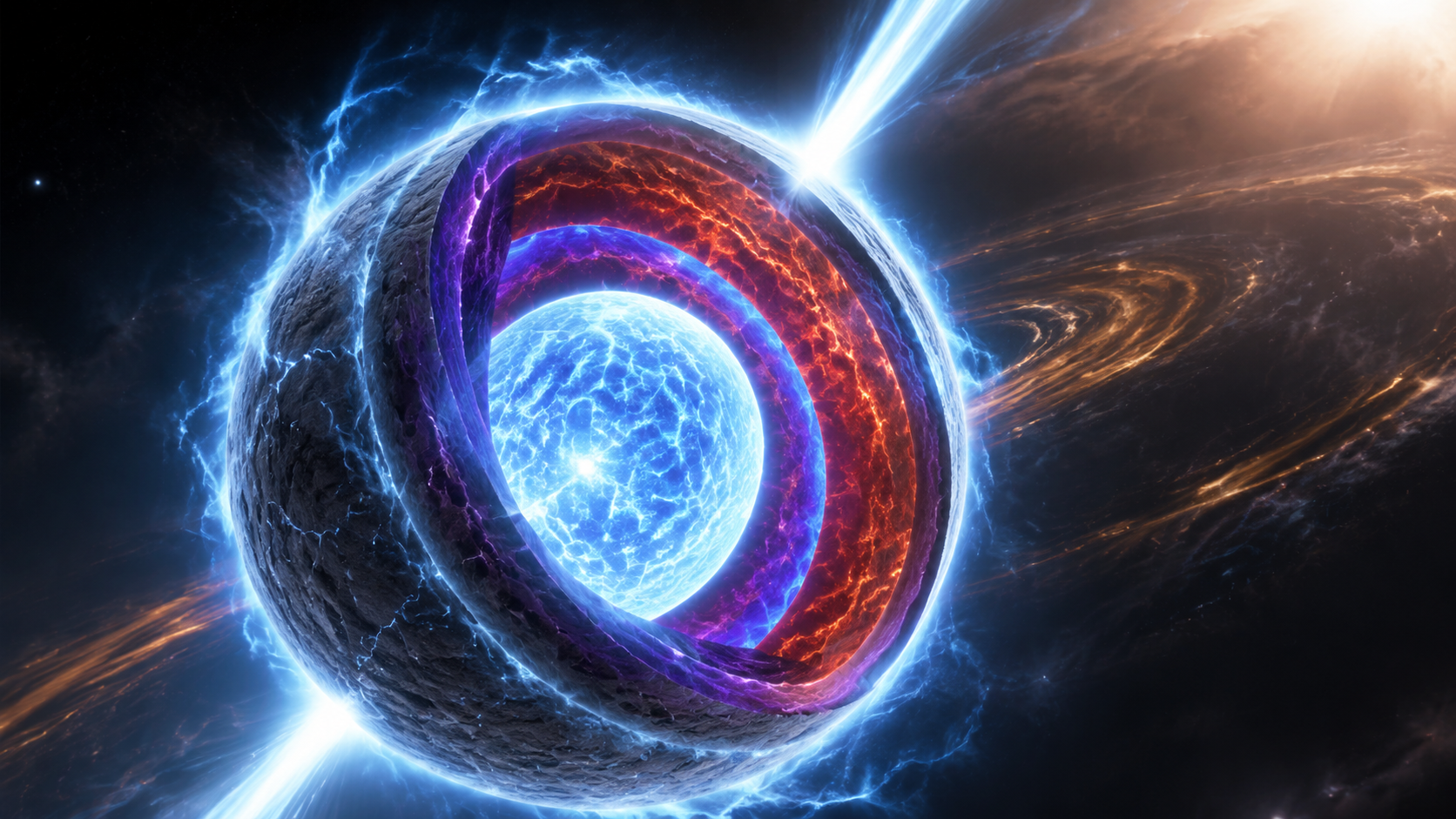
Extreme States of Matter in the Cores of Neutron Stars
Author: SpacePedia
Theme: Neutron Stars
Subject: Extreme Matter
Article Summary: Neutron stars are extremely dense stellar remnants left behind after the supernova of massive stars. Because most of their mass is compressed into a volume of just a few tens of kilometers, they contain extreme pressure and density conditions not naturally found on Earth. Closer to the surface, matter exists in dense layers composed mainly of neutrons; as you go deeper, the density and pressure increase even further. In the core, it is not precisely known how neutrons and protons behave. In addition to the possibility of matter remaining in its normal nuclear state, scenarios such as the emergence of more exotic particles or quarks becoming more free are also being investigated. Observable properties such as the mass, radius, and gravitational waves produced during the merger of neutron stars are used to understand the structure of matter under these extreme conditions.
Date: 18-09-2026
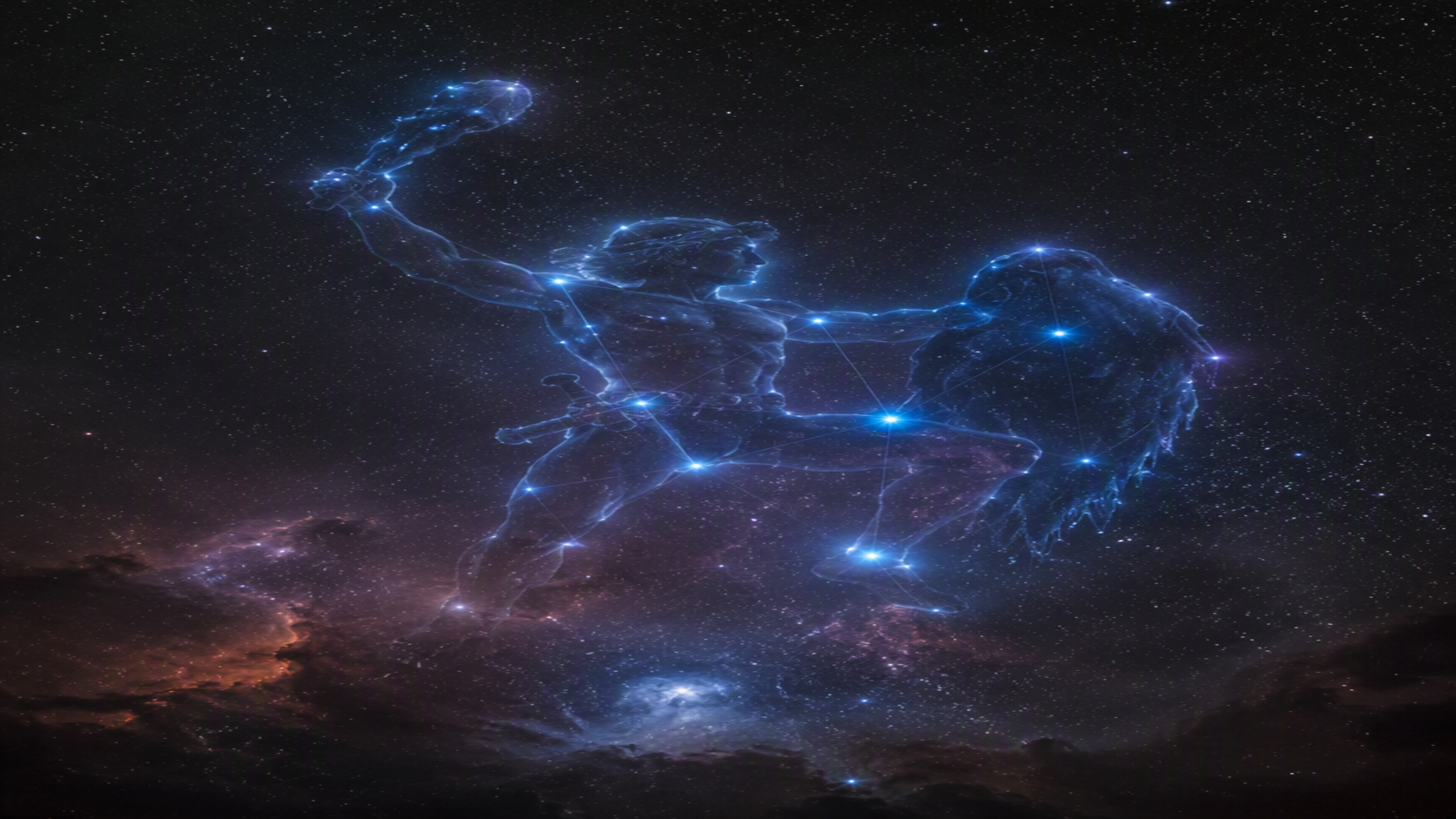
The Famous Hunter of the Winter Sky: Orion and the Stars Around It
Author: SpacePedia
Theme: Constellations
Subject: Orion
Article Summary: Orion is a well-known constellation that is easily noticeable in the sky, especially during the winter months, and contains many bright stars together. Its distinctive shape in the sky is easily recognized thanks to Orion's Belt, which consists of three bright stars lined up side by side in the middle. Surrounding the Belt are bright stars such as Betelgeuse and Bellatrix, with Rigel located below. Around Orion are other important constellations like Canis Major, Canis Minor, and Taurus. The Orion region stands out not only for its bright stars but also for the clouds of gas and dust where stars are formed. In particular, the Orion Nebula is a significant celestial object in this region, where young stars and dense star-forming areas can be observed.
Date: 18-09-2026
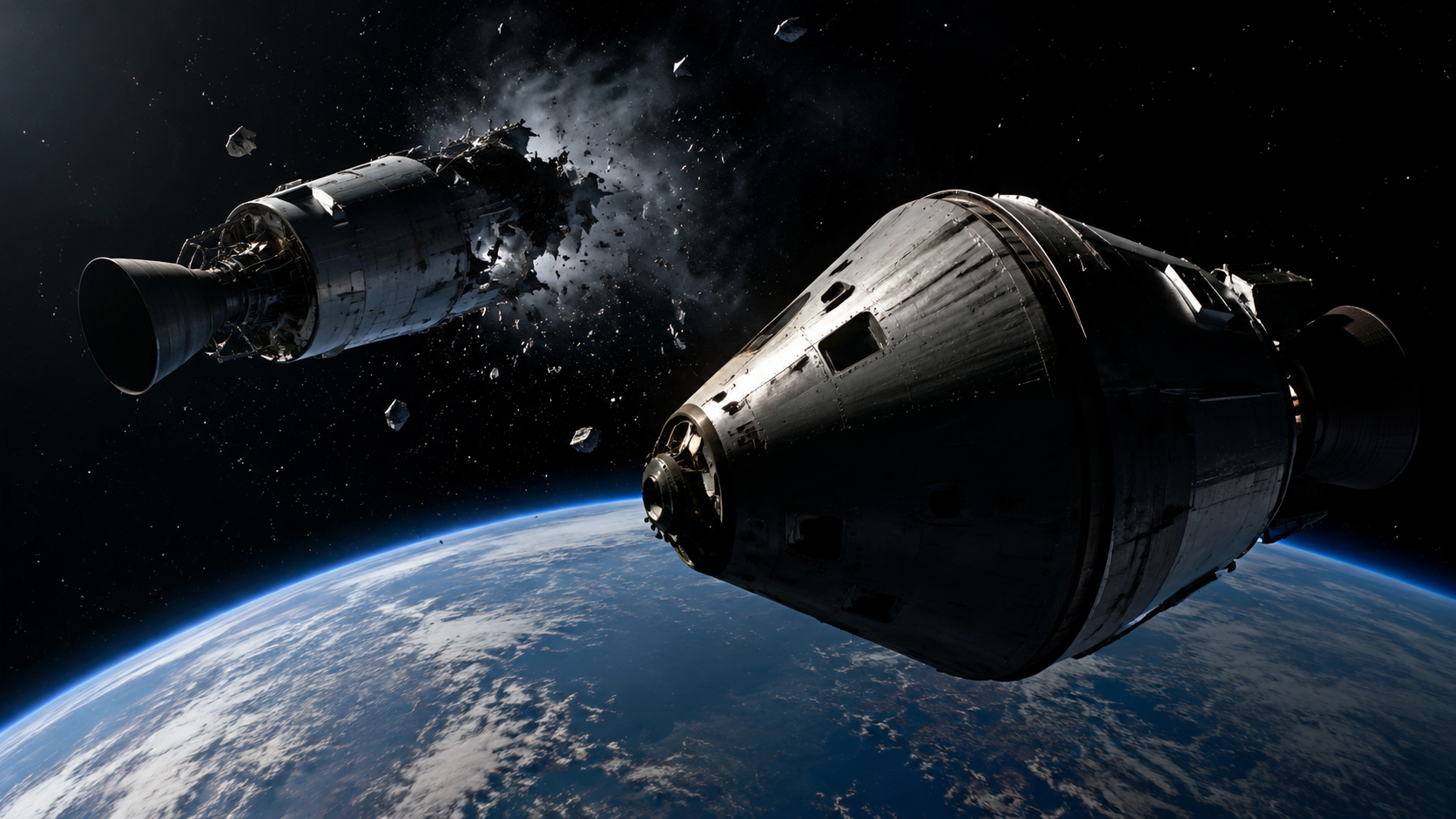
The Story of the Apollo 13 Crew's Survival After the Major Explosion in Space
Author: SpacePedia
Theme: Accidents
Subject: Apollo 13 accident and the crew's return to Earth
Article Summary: The Apollo 13 mission was launched toward the Moon on April 11, 1970, with a crew consisting of James Lovell, Jack Swigert, and Fred Haise. On the third day of the mission, the explosion of one of the oxygen tanks in the Service Module caused severe damage to the spacecraft's power generation system and life support arrangement. As the normal systems of the Command Module became unusable, the crew had to use the Lunar Module as a temporary living space and as the necessary vehicle for return. The mission control team on Earth developed solutions to conserve the limited supplies of electricity, oxygen, and water; meanwhile, the crew abandoned the lunar landing and set a course to loop around the Moon and return to Earth. An improvised device was created to connect incompatible filters from the Command Module to prevent carbon dioxide buildup. After the Lunar Module took on most of the life support and navigation duties during the return to Earth, it was jettisoned. The crew returned safely to Earth on April 17, 1970.
Date: 19-09-2026
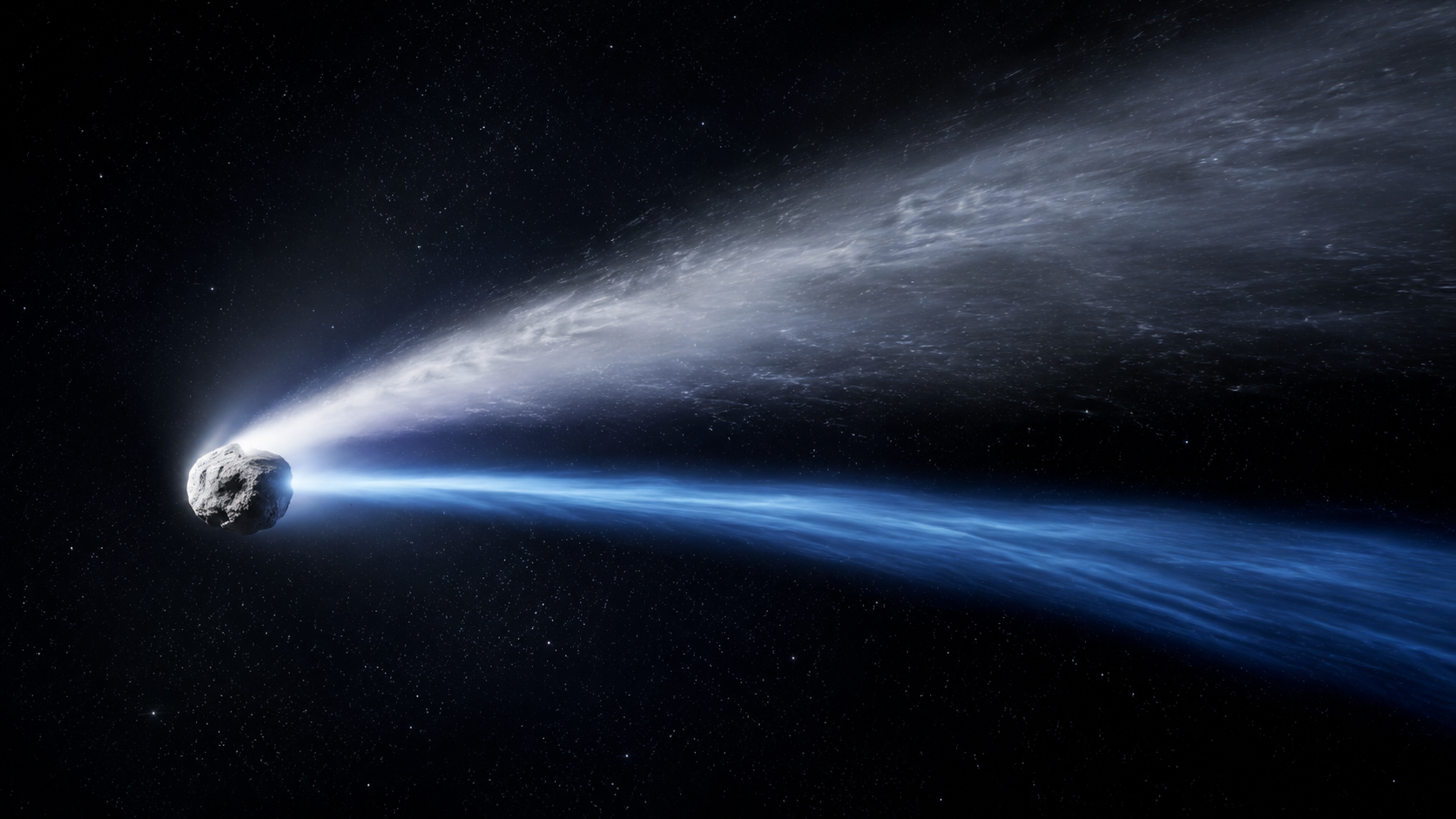
The Dual Tail Structure Created by Solar Winds in Comets
Author: SpacePedia
Theme: Comets
Subject: Dual Tail
Article Summary: Comets are celestial bodies that release gas and dust as the ice on their surfaces warms up when they approach the Sun. This material, produced during the approach to the Sun, can give rise to two distinct tail structures due to the effects of solar winds and solar radiation. The ion tail is composed of ionized gas and generally extends in the direction opposite to the Sun as it interacts with the solar wind. The dust tail, on the other hand, consists of larger dust particles and can curve into a different direction under the influence of the pressure exerted by sunlight and the motion of the comet. Therefore, two tails with different orientations can be observed around a single comet.
Date: 16-09-2026
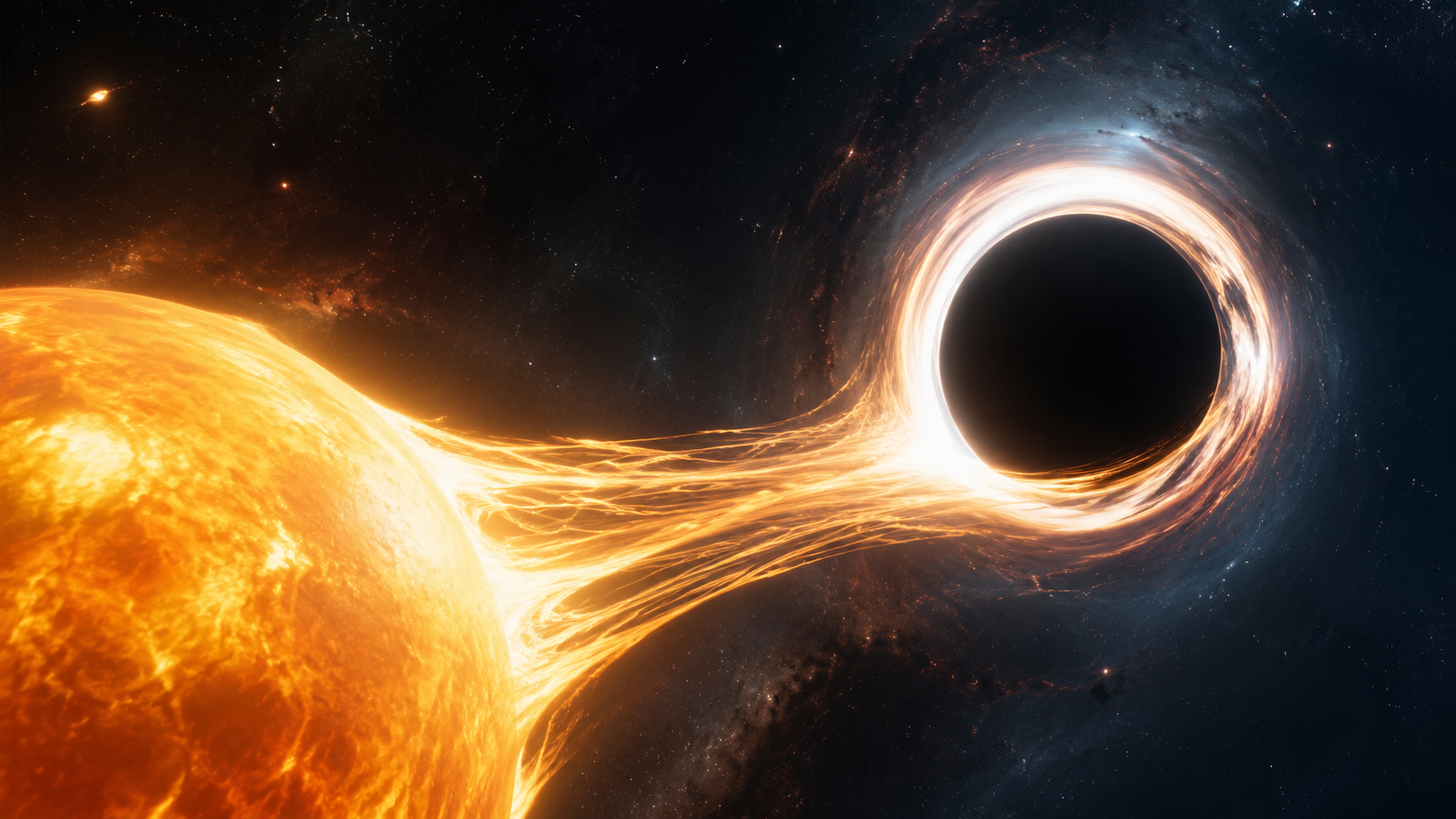
The Spaghettification Phenomenon That Causes Black Holes to Swallow Everything
Author: SpacePedia
Theme: Black Holes
Subject: Spaghettification
Article Summary: An object approaching a black hole may be subjected to extraordinary forces due to the gravitational field of the black hole varying in intensity at different points. The part of the object closer to the black hole is pulled more strongly than the part farther away. When this difference in gravitational pull becomes large enough, the object begins to stretch in one direction and compress in the other. This effect, known as tidal forces, can cause the object to take on a long and thin shape, a process known as spaghettification. The intensity of the effect depends on the mass of the black hole and the distance of the object. Especially near small and dense black holes, tidal forces can be extremely strong. In supermassive black holes, however, the tidal forces near the event horizon may be weaker, and spaghettification may become apparent only after the object passes the event horizon.
Date: 19-09-2026
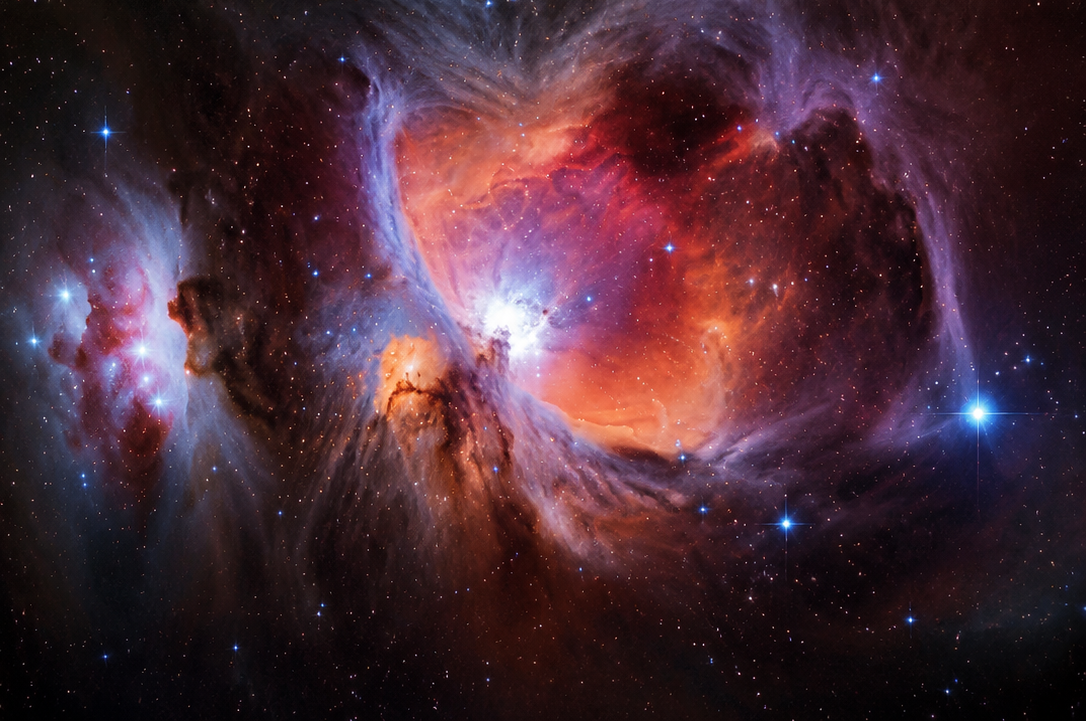
The Giant Cosmic Nursery Where Stars Are Born: The Orion Nebula
Author: SpacePedia
Theme: Nebulae
Subject: Orion Nebula
Article Summary: The Orion Nebula is a large star-forming region located about 1,300 light-years from Earth, in the direction of the constellation Orion. Composed of gas and dust, this nebula contains dense regions where new stars are being formed. While the young stars within the nebula illuminate the surrounding gas with their intense radiation, some areas of the dense gas and dust clouds contain the cores where new stars are born. The structure of the Orion Nebula includes not only bright ionized gas regions but also dark dust lanes and layers of gas at different temperatures. With these features, the Orion Nebula is one of the most prominent observable examples of a nebula where star formation takes place.
Date: 14-09-2026
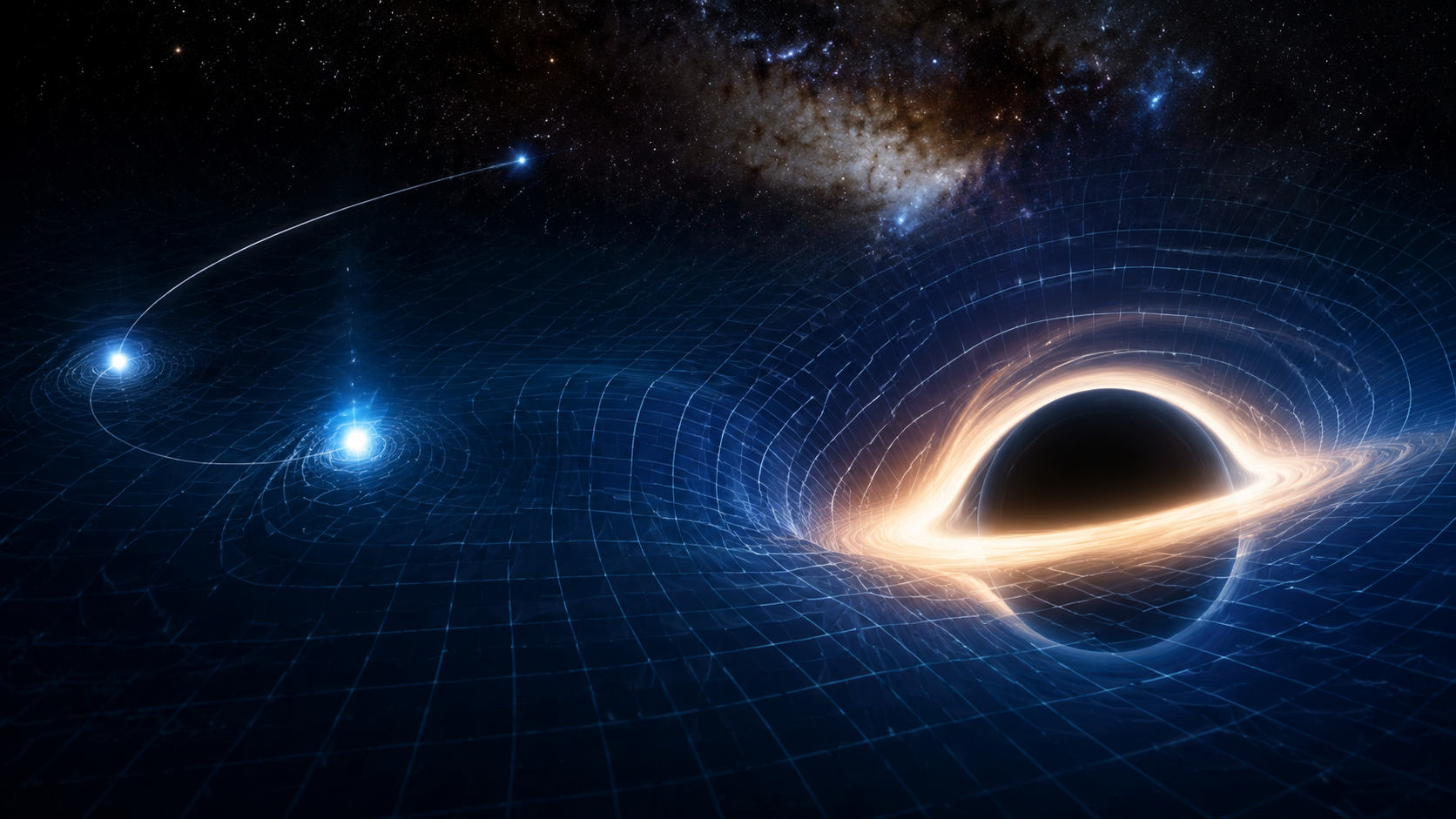
Measuring Time Dilation in Strong Gravitational Fields
Author: SpacePedia
Theme: General Space
Subject: Gravity and Time Dilation
Article Summary: According to Einstein's general theory of relativity, mass and energy alter the geometry of space-time. One consequence of this is that clocks located in strong gravitational fields run more slowly compared to clocks in weaker gravitational fields. This phenomenon is called gravitational time dilation. The effect is measurable even at the Earth's surface and can be demonstrated through precise time comparisons between atomic clocks. The difference increases in stronger gravitational fields; effects on the flow of time become much more pronounced near extremely dense objects such as neutron stars and black holes. For this reason, precise clocks are not only instruments for measuring time, but also important scientific tools used to test the physical properties of space-time.
Date: 19-09-2026