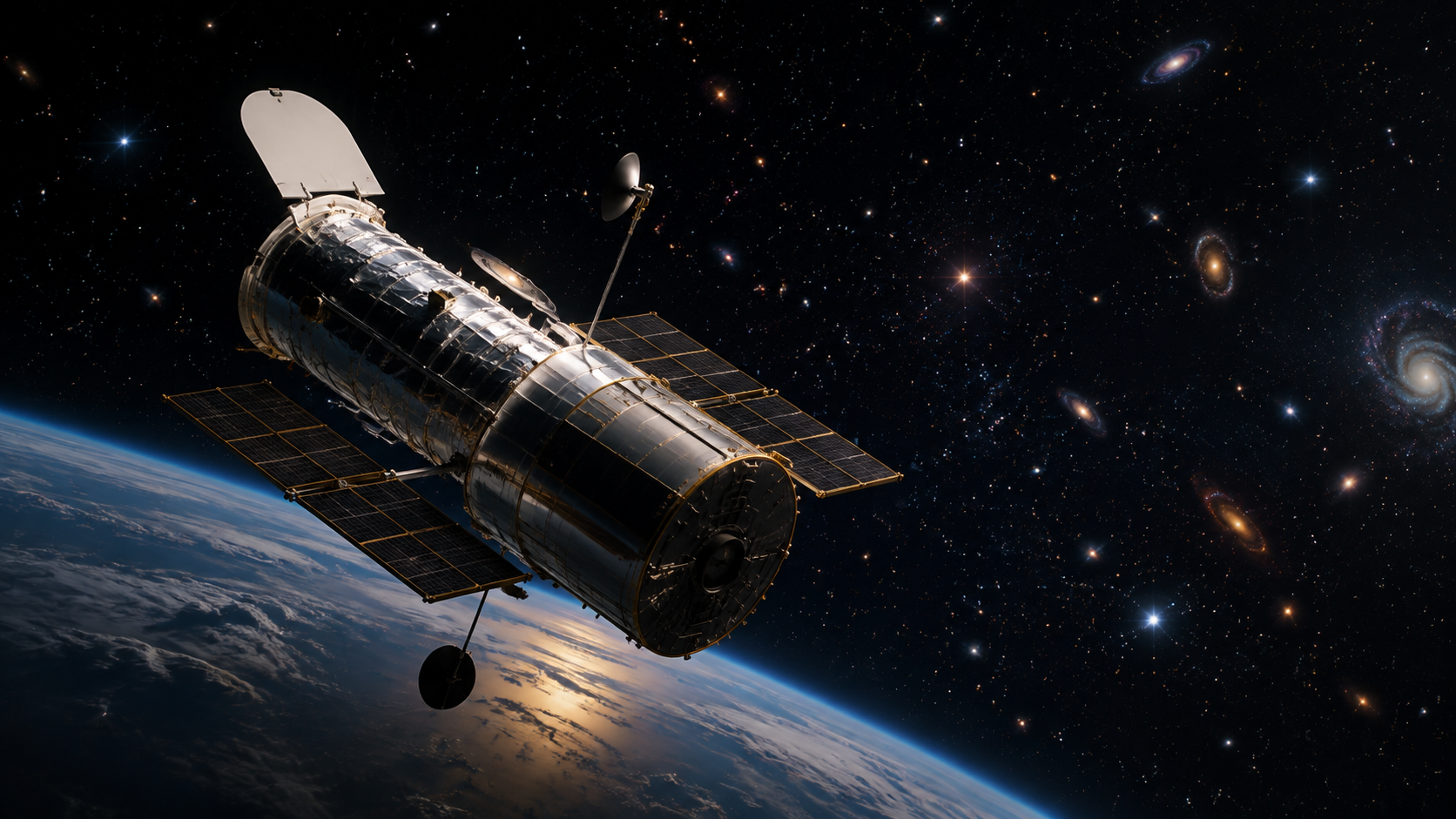
Hubble Space Telescope's Journey to See the Depths of the Universe
Author: SpacePedia
Theme: Spacecraft
Subject: Hubble Space Telescope
Article Summary: The Hubble Space Telescope is a space telescope that operates above Earth's atmosphere, observing light from distant celestial objects. Launched into space in 1990, Hubble can obtain highly detailed astronomical images because it is largely free from effects such as the absorption of light and image blurring caused by the atmosphere. Over the years, Hubble has observed stars, nebulae, galaxies, and other distant cosmic structures, and has drawn particular attention with its deep space images that require very long exposures. These observations have made it possible to study the light from very distant galaxies and from different eras of the universe.
Date: 17-09-2026
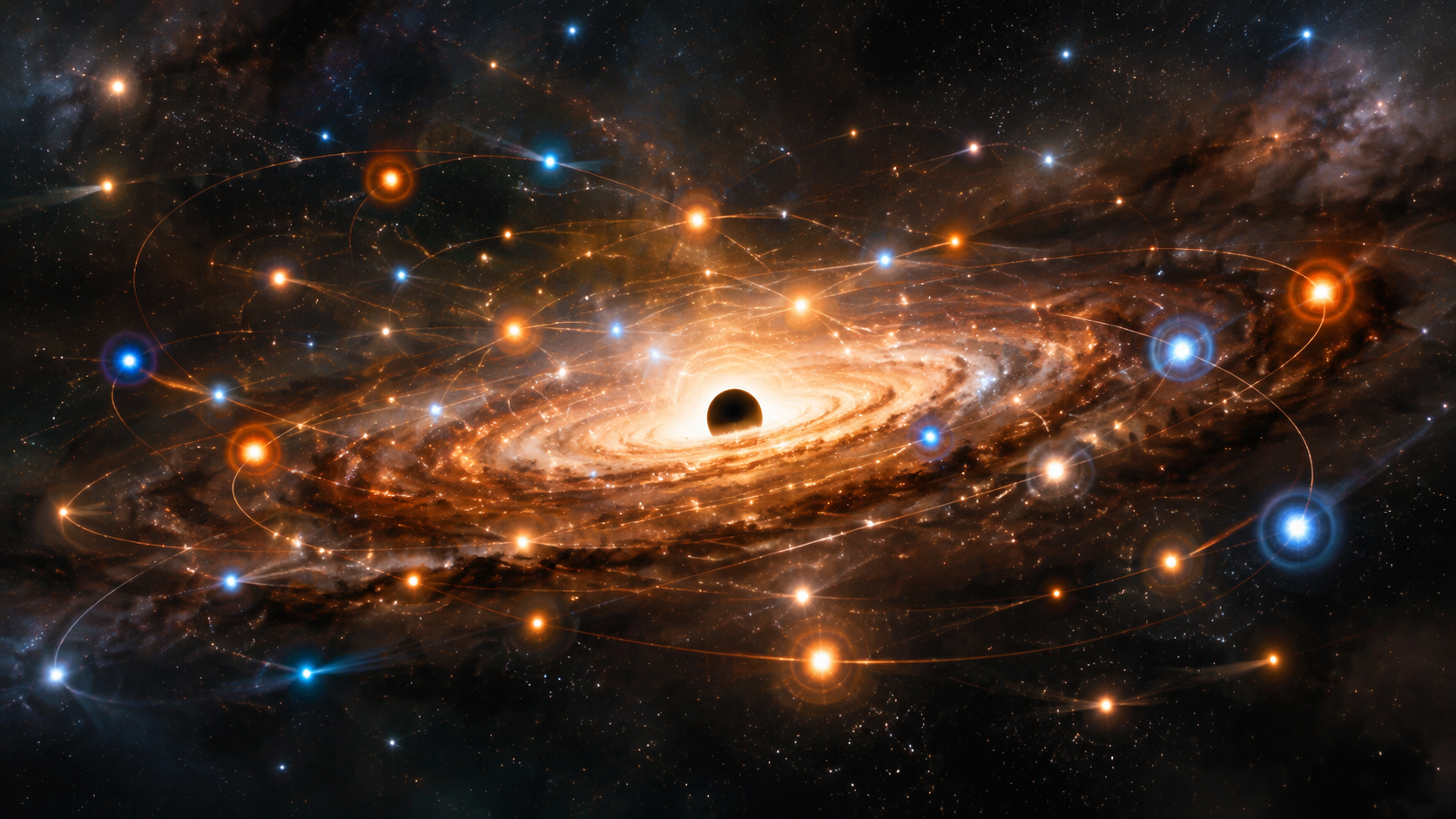
Stellar Motions Around Supermassive Black Holes at Galactic Centers
Author: SpacePedia
Theme: Black Holes
Subject: Stellar Orbits
Article Summary: At the centers of galaxies, there can be supermassive black holes reaching millions or even billions of solar masses. Although these black holes cannot be observed directly, the motions of the stars around them provide strong evidence for their existence. By measuring the orbits, velocities, and distances of stars from the central mass, the mass of the unseen object can be calculated. Sagittarius A* at the center of the Milky Way is one of the best-studied examples of this. Some stars near the center move in extremely fast and elliptical orbits very close to the black hole. In particular, the orbit of the star S2 has shown that a mass about four million times that of the Sun is concentrated in a very small region at the center. Monitoring stellar motions over many years makes it possible not only to confirm the existence of supermassive black holes, but also to investigate their masses and the properties of the surrounding space-time.
Date: 18-09-2026
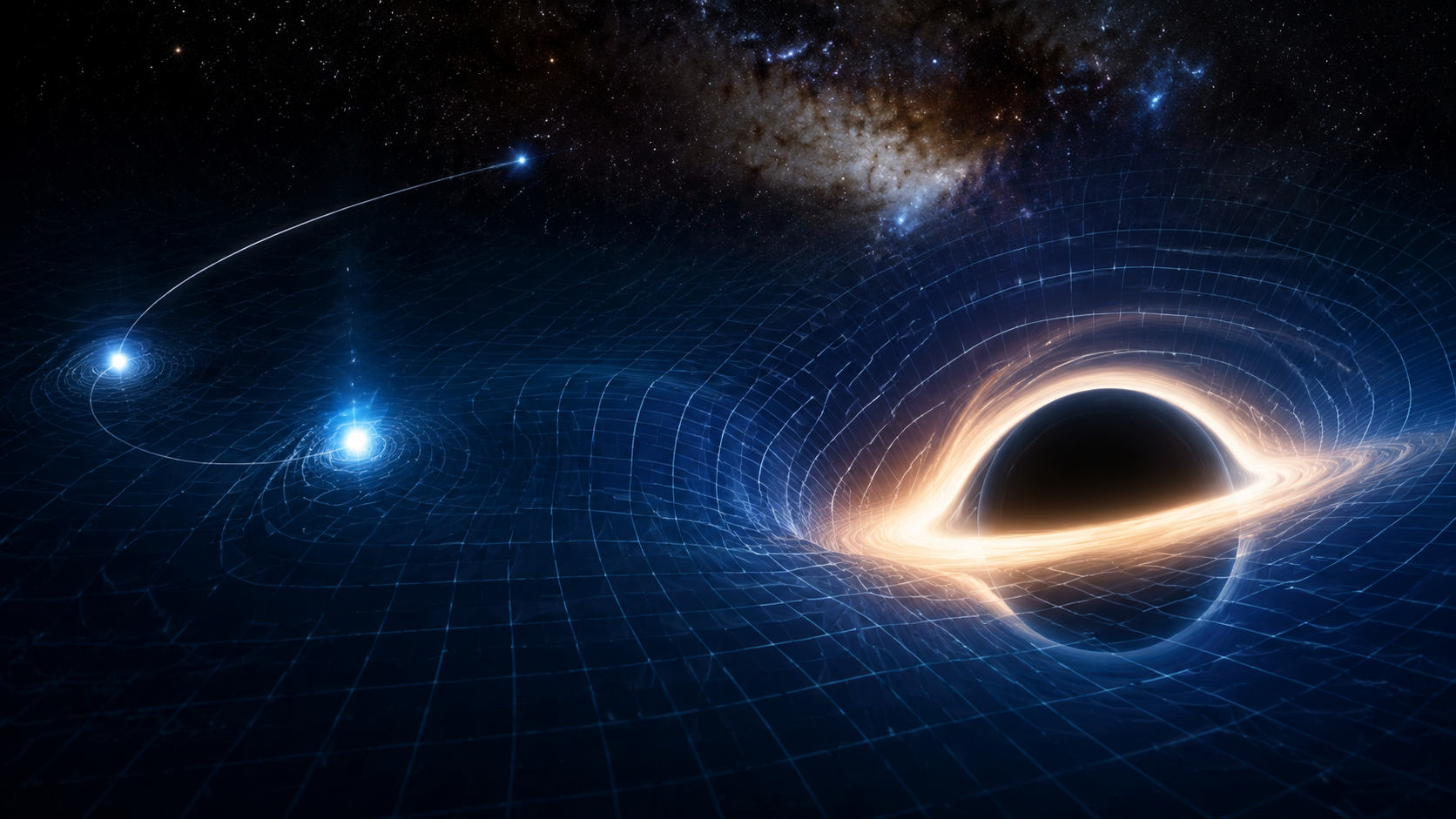
Measuring Time Dilation in Strong Gravitational Fields
Author: SpacePedia
Theme: General Space
Subject: Gravity and Time Dilation
Article Summary: According to Einstein's general theory of relativity, mass and energy alter the geometry of space-time. One consequence of this is that clocks located in strong gravitational fields run more slowly compared to clocks in weaker gravitational fields. This phenomenon is called gravitational time dilation. The effect is measurable even at the Earth's surface and can be demonstrated through precise time comparisons between atomic clocks. The difference increases in stronger gravitational fields; effects on the flow of time become much more pronounced near extremely dense objects such as neutron stars and black holes. For this reason, precise clocks are not only instruments for measuring time, but also important scientific tools used to test the physical properties of space-time.
Date: 19-09-2026
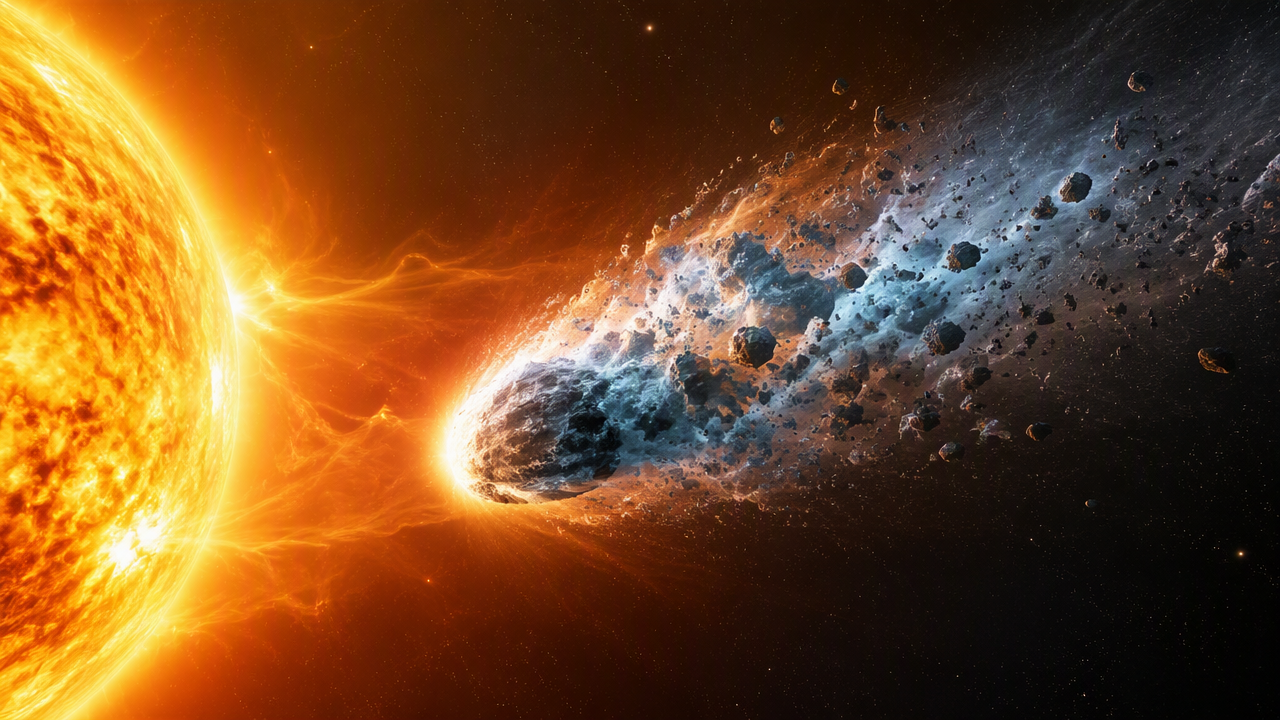
Disintegration Processes of Comets Approaching Too Close to the Sun
Author: SpacePedia
Theme: Comets
Subject: Comet Disintegration
Article Summary: Comets are small celestial bodies composed largely of ice, rock, and dust. As they approach the Sun, the energy they receive increases, causing volatile substances on and beneath their surfaces to begin sublimating into gas. This process leads to the formation of a coma around the nucleus and, under the influence of the solar wind, the development of tails. In comets that pass very close to the Sun, not only gas and dust emission occurs; intense heating, gas pressure, rotational motion, and tidal forces caused by the Sun's gravity can stress the nucleus. Especially in comets passing extremely close to the Sun, the nucleus may fragment or completely vaporize. As a result of disintegration, smaller fragments may form and continue moving toward the Sun.
Date: 19-09-2026
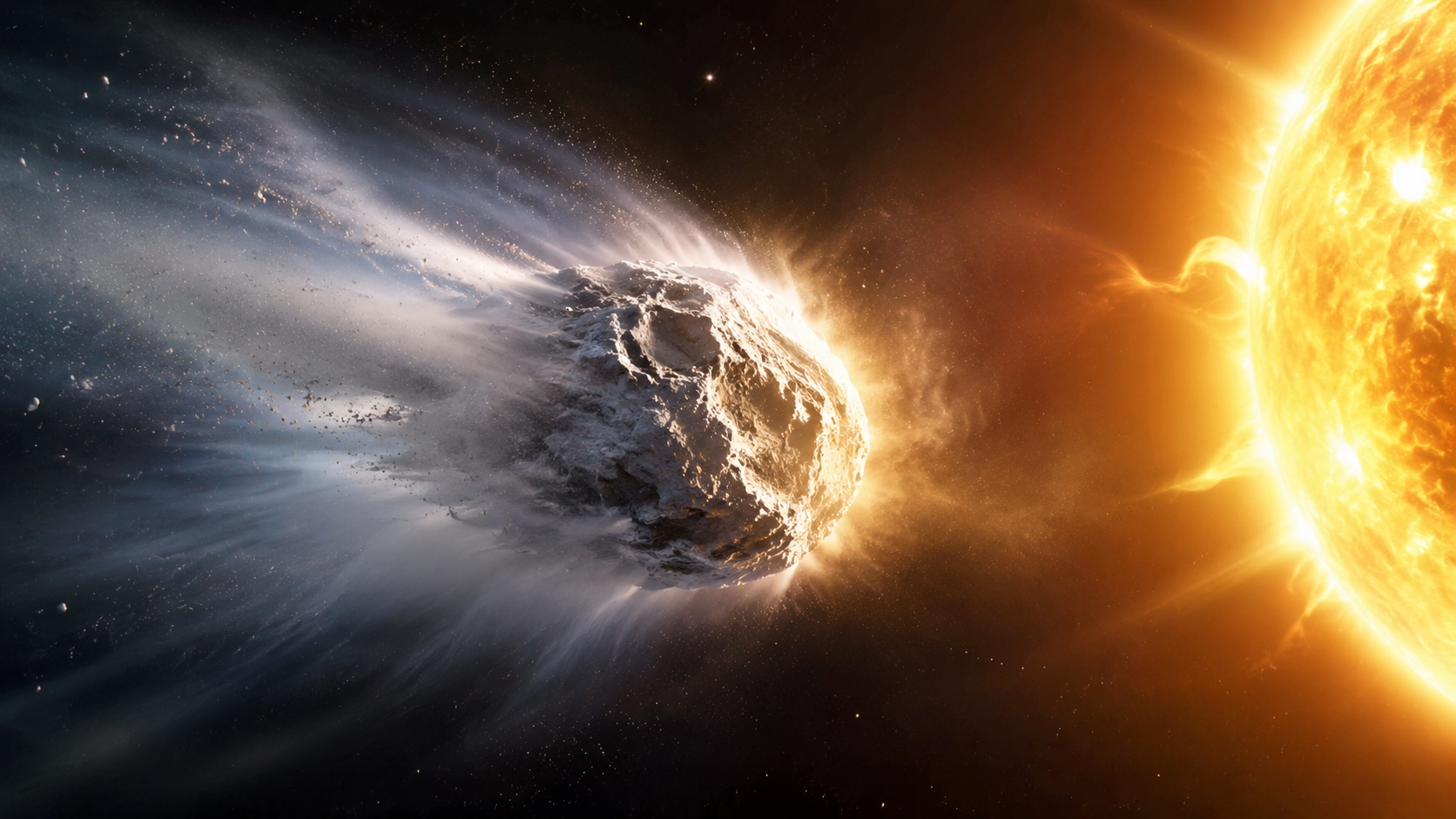
The Sublimation Process Experienced by Comets as They Approach the Sun
Author: SpacePedia
Theme: Comets
Subject: Sublimation
Article Summary: Comets are small celestial bodies composed largely of ice, rock, and dust. When far from the Sun, the volatile substances on their surfaces are mostly in solid form, and comets appear as dim, low-activity objects. As they approach the Sun, the radiation and heat they receive increase. Some ices on or near the surface transform directly from solid to gas without becoming liquid; this physical change is called sublimation. The released gas drags dust particles with it, forming a coma around the nucleus. Due to the effects of the solar wind and sunlight, some of these materials are stretched out behind the comet, forming tail structures. Sublimation not only changes the appearance of the comet, but also erodes material from its surface, causing the nucleus to change over time.
Date: 19-09-2026
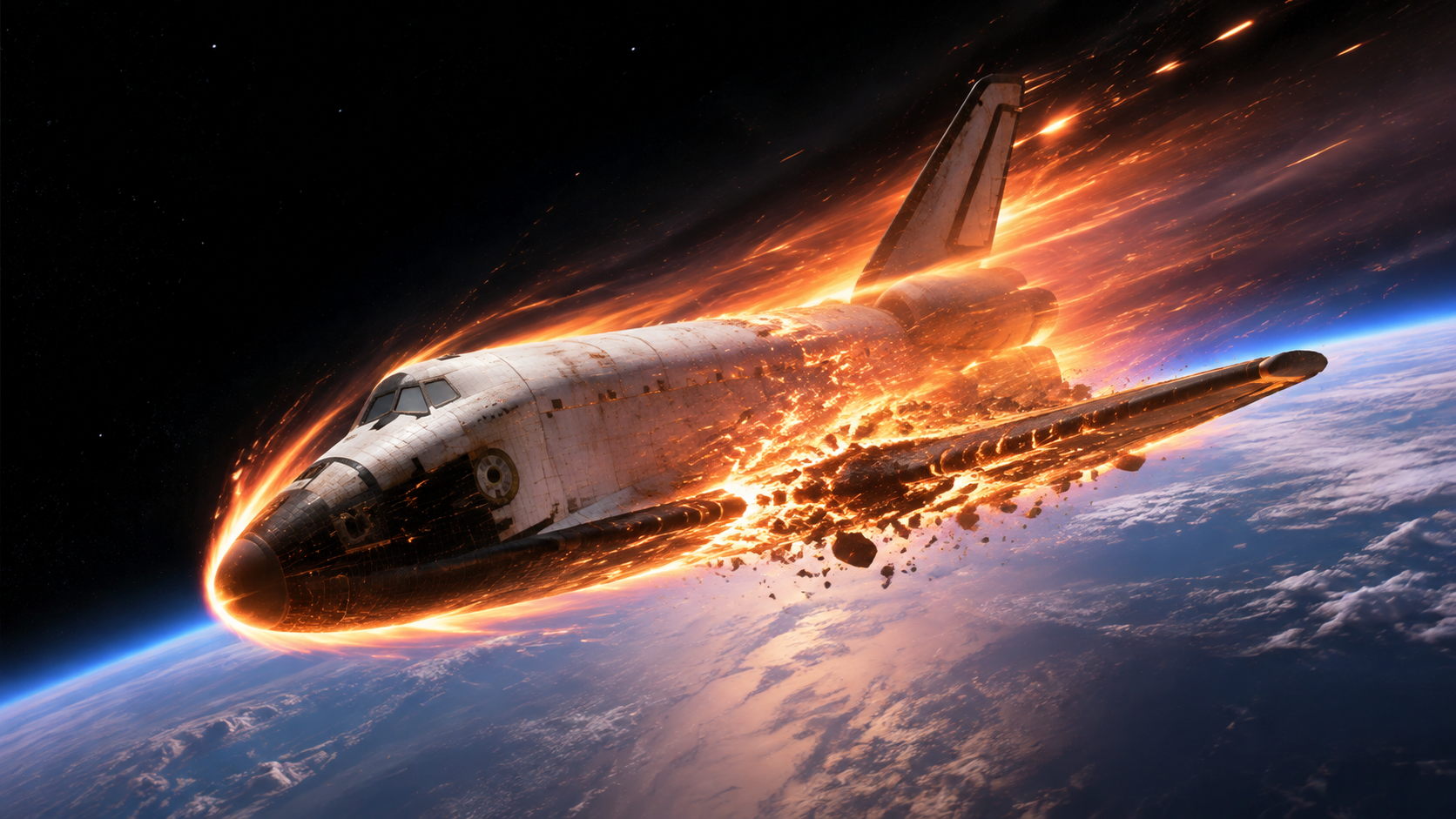
The Heat Shield Disaster During Columbia Space Shuttle's Return to Earth
Author: SpacePedia
Theme: Accidents
Subject: Heat Shield
Article Summary: On February 1, 2003, the Columbia space shuttle disintegrated during re-entry at the end of the STS-107 mission, resulting in the loss of seven astronauts. The origin of the accident was a piece of insulation foam that broke off from the external fuel tank during launch and struck the heat protection system on the leading edge of Columbia's left wing. As a result of the impact, one or more of the carbon-carbon panels on the wing's leading edge were damaged. While the shuttle continued its mission in space, the extent of the damage was not fully understood. During re-entry into Earth's atmosphere, extremely hot gases penetrated the wing's interior through the damaged area. As the structural integrity of the left wing deteriorated, control of Columbia was lost and the vehicle broke apart at high speed. The accident was caused not only by the loss of a single piece, but also by a combination of interconnected technical and organizational issues, such as the insufficient assessment of the damage sustained during launch and the misinterpretation of the associated risks.
Date: 18-09-2026
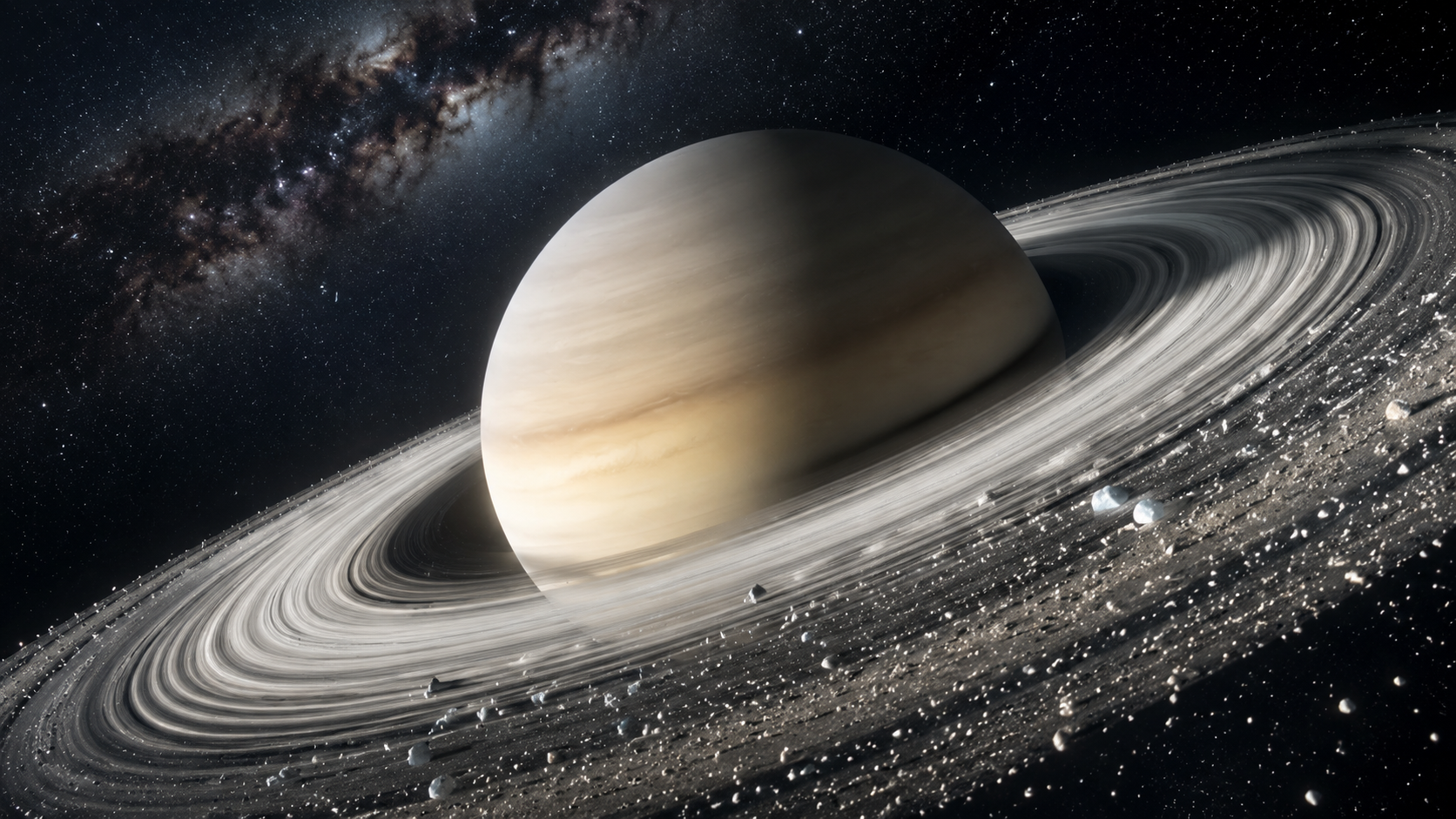
The Mystery of the Planet Saturn and Its Magnificent Icy Rings
Author: SpacePedia
Theme: Planets
Subject: Saturn and Its Rings
Article Summary: Saturn is the second largest planet in the Solar System and one of the most easily recognized celestial bodies due to its prominent ring system. As a gas giant, Saturn is composed mostly of hydrogen and helium and does not have a solid surface. The planet's most striking feature is its extensive ring system that stretches around its equator. These rings are not a single solid disk; rather, they are a complex system made up of countless particles, largely consisting of water ice, rock fragments, and smaller dust grains. The gaps, thin bands, and variations in density within the rings are influenced by gravitational interactions with Saturn's moons. The origin of the rings and how long they have existed remain important questions that continue to be investigated in studies of the Saturn system.
Date: 19-09-2026
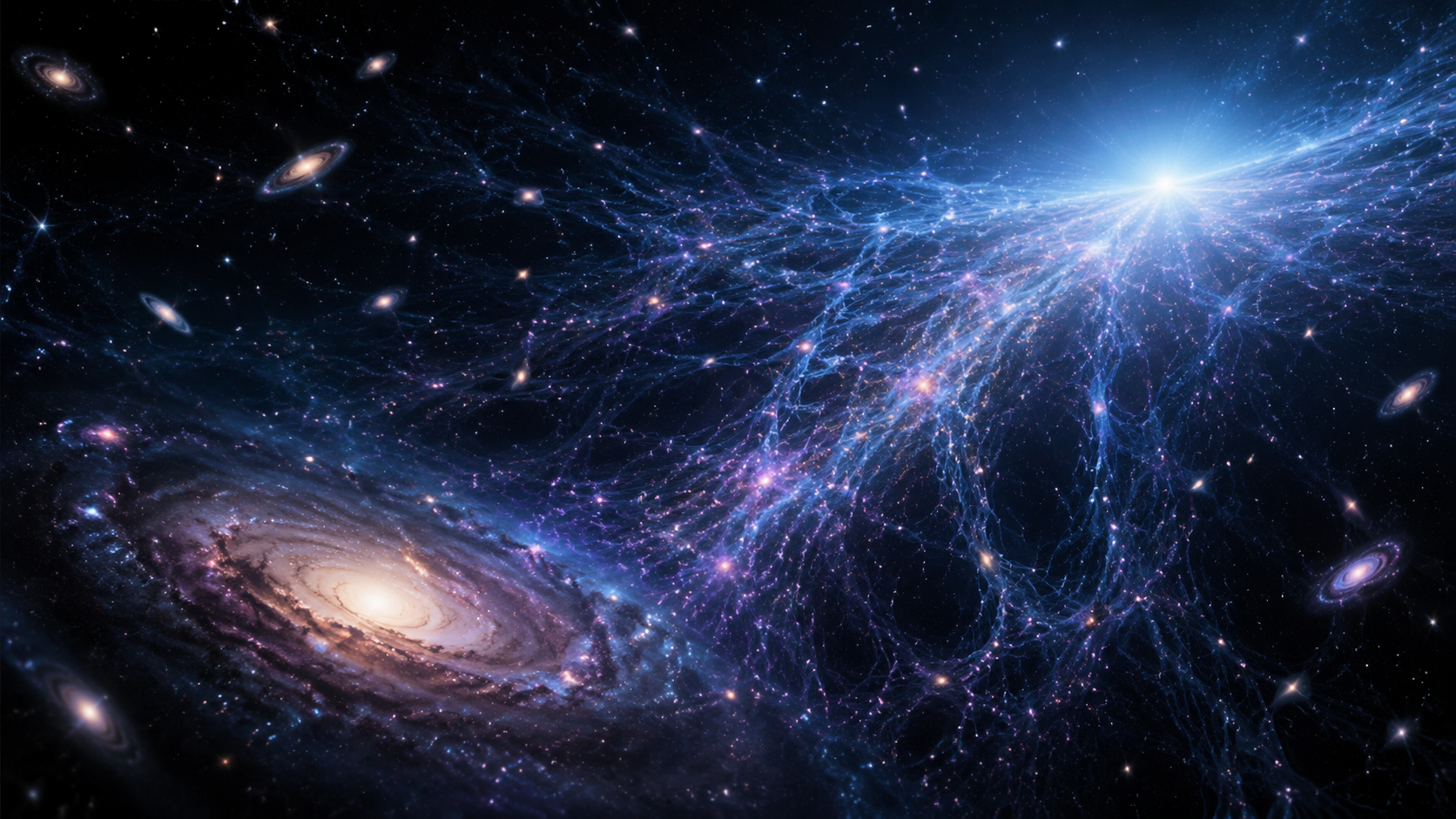
The Hidden Role of Dark Energy in the Continuous Expansion of the Universe
Author: SpacePedia
Theme: General Space
Subject: Dark Energy
Article Summary: The expansion of the universe was revealed by studying the redshifts observed in the light from distant galaxies. However, observations show that the rate of expansion has not remained constant over time and that the expansion is currently accelerating. The main concept used to explain this acceleration is dark energy. Since dark energy does not emit light and cannot be directly observed, its nature is not yet fully understood. Its existence is inferred from its effects on the large-scale expansion behavior of the universe and the distribution of galaxies. In current cosmological models, dark energy is considered a component that constitutes the majority of the universe's total energy content and is associated with the expansion of space.
Date: 19-09-2026
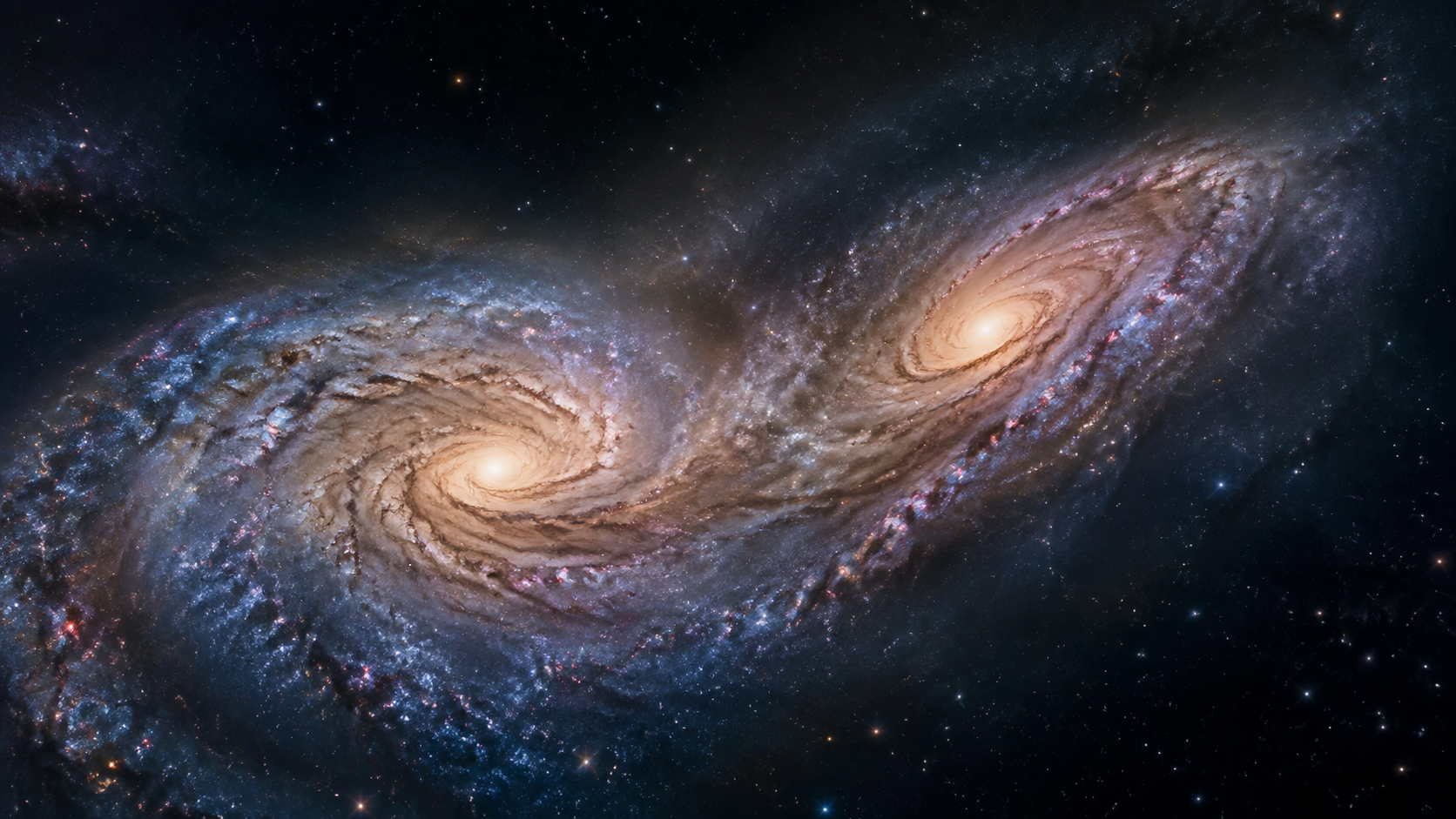
The Future Collision Course of the Andromeda Galaxy with the Milky Way
Author: SpacePedia
Theme: Galaxies
Subject: Galaxy Collision
Article Summary: The Andromeda Galaxy is the closest large galaxy to the Milky Way, and the gravitational interaction between the two galaxies is strengthening over time. The motion of Andromeda relative to the Milky Way indicates that the two galaxies could have a close encounter in the distant future. Rather than a simple collision, this process will be a prolonged interaction in which the gravitational forces of the two massive galaxies alter each other's movements. Because the distances between stars within the galaxies are vast, direct collisions between stars are not expected. However, the gas and dust structures of the galaxies may compress, star formation may accelerate, and the shapes of both galaxies could change significantly over time.
Date: 18-09-2026
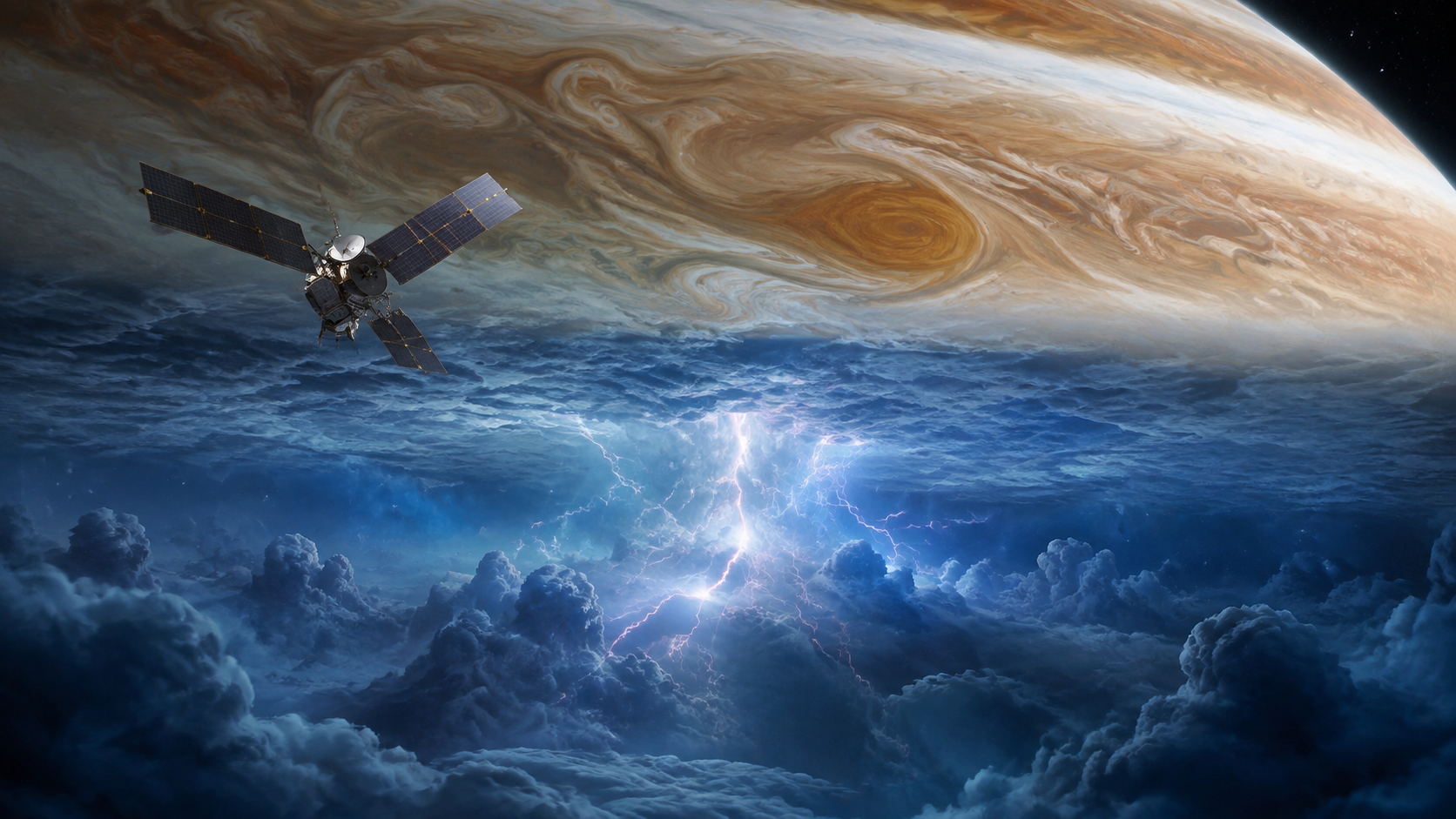
Discoveries Made by the Juno Spacecraft Beneath Jupiter's Thick Clouds
Author: SpacePedia
Theme: Spacecraft
Subject: Juno's discoveries about Jupiter's atmosphere and internal structure
Article Summary: NASA's Juno spacecraft conducted measurements during close flybys above Jupiter's dense cloud cover, examining not only the planet's visible atmosphere but also its deeper layers. Juno's microwave radiometer investigated the distribution of ammonia beneath Jupiter's clouds and atmospheric structures, while gravity measurements revealed that the cloud bands and jet streams extend to depths of about 3,000 kilometers. The spacecraft also detected giant cyclone systems at Jupiter's poles the size of Earth, unexpectedly shallow lightning, and atmospheric processes associated with ammonia-water mixtures. Magnetometer measurements showed that Jupiter's magnetic field is stronger and more irregular than previously expected. Juno's data indicated that Jupiter's core may be larger and partially dissolved—a 'fuzzy' structure—rather than a small, sharply defined one.
Date: 19-09-2026
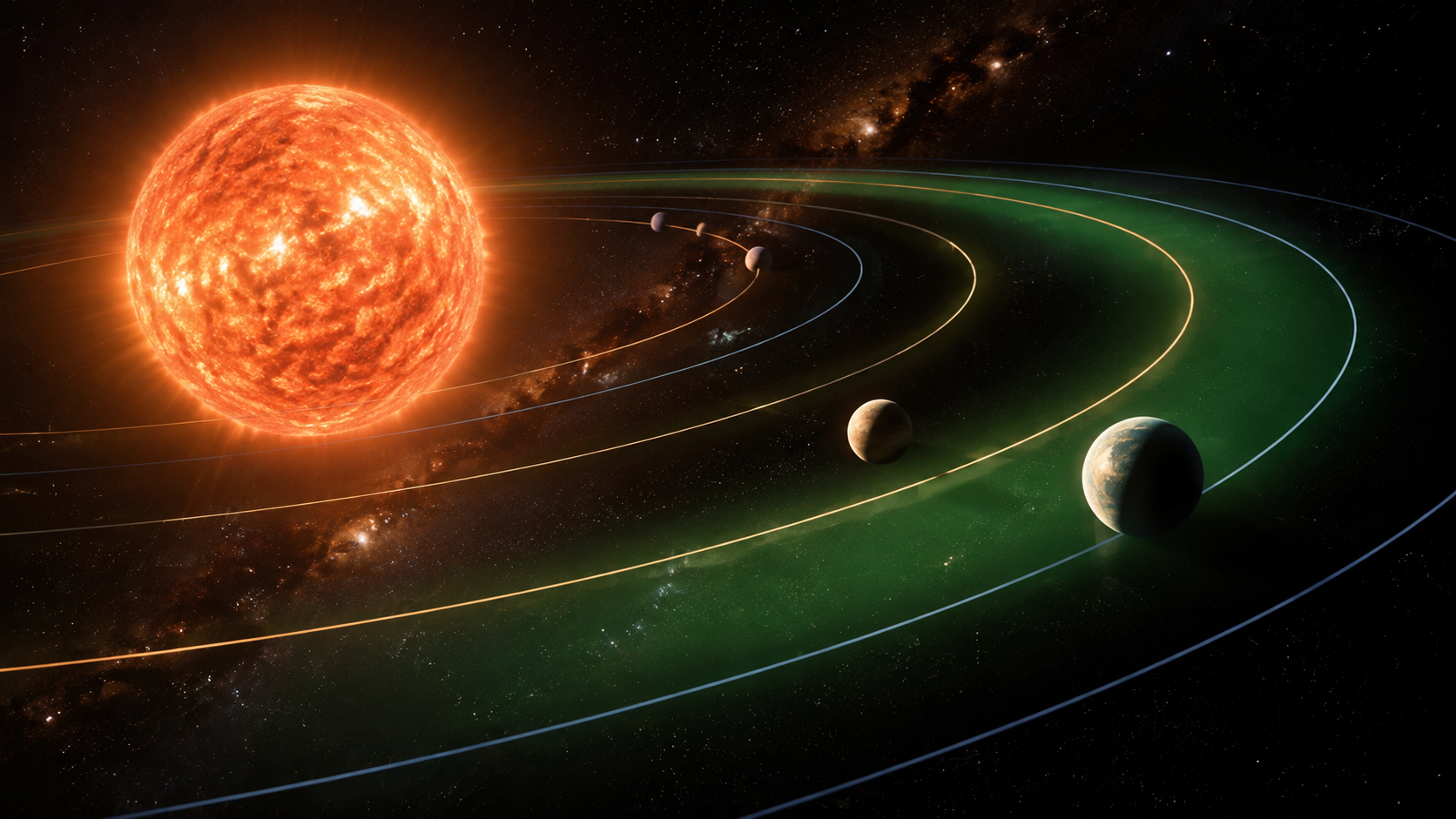
The Current State of Exoplanet Research in Light of the Habitable Zone Concept
Author: SpacePedia
Theme: New Developments
Subject: Habitable Zone
Article Summary: The habitable zone is the range of distances around a star where, if surface conditions are suitable, liquid water could exist on a planet. The location of this zone varies depending on the star's temperature and the amount of energy it emits. The presence of an exoplanet in the habitable zone does not necessarily mean it harbors life; the planet's atmosphere, surface conditions, mass, and the activity of its star must also be considered. Today, exoplanet research is not limited to determining the distances of planets from their stars. Using transit observations, radial velocity measurements, and spectroscopic analyses, more detailed information about the atmospheres and physical properties of planets is being obtained. These studies particularly focus on investigating the characteristics of planets that are close to Earth's size and located in the habitable zones of their stars.
Date: 19-09-2026
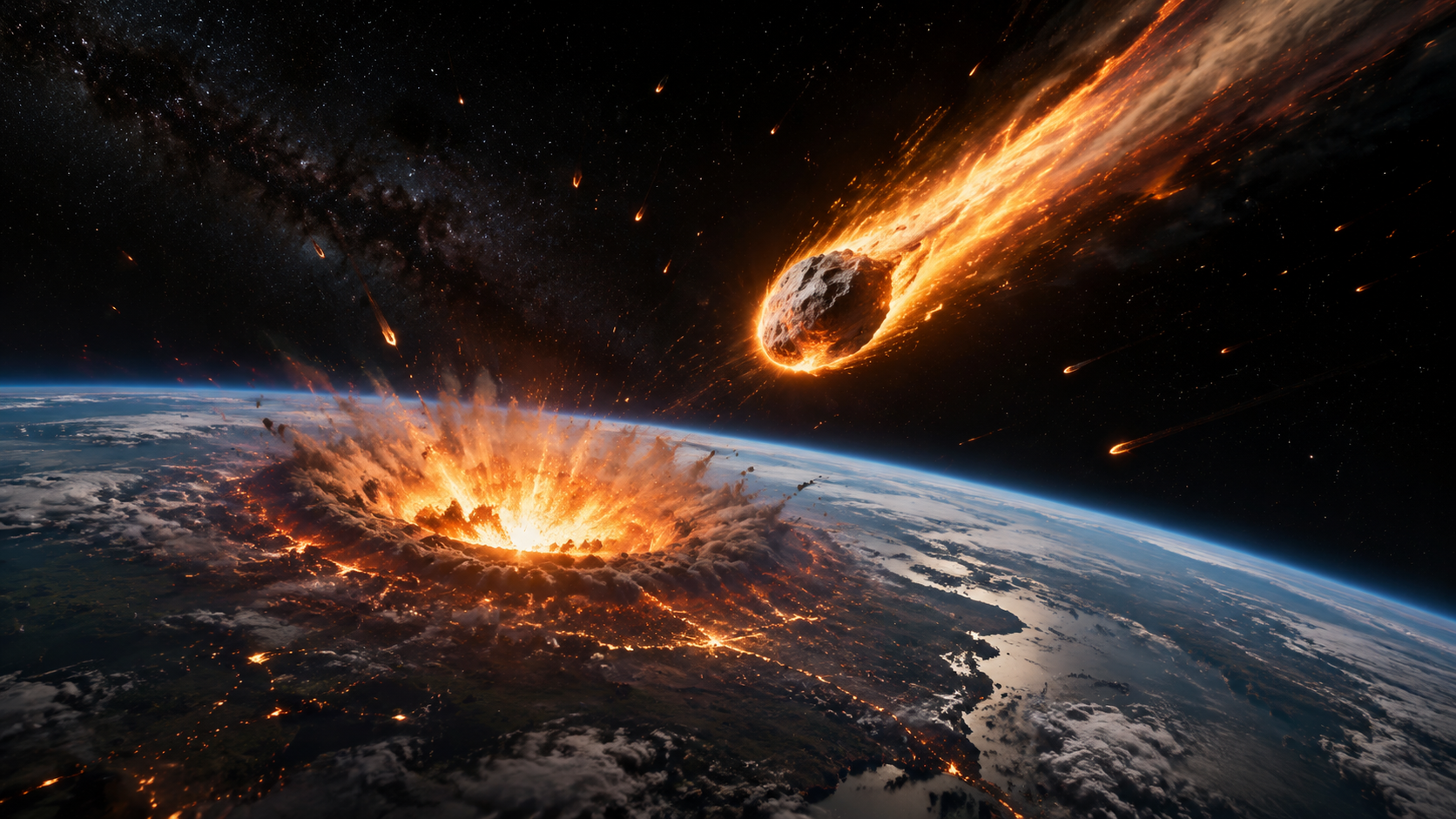
Possible Effects of Comet Collisions on Earth
Author: SpacePedia
Theme: Comets
Subject: Collision Effects
Article Summary: Comets are small celestial bodies composed mostly of ice, rock, and dust, and some of them travel from the distant regions of the Solar System toward the Sun. A comet whose orbit intersects with Earth's orbit has a low probability of colliding with our planet, but if it does occur, it can have very significant consequences. The impact's effect depends on the object's size, speed, composition, and the location of the collision. A small comet may disintegrate in the atmosphere, while a larger object can reach the surface and release a large amount of energy. A collision in the ocean can generate powerful waves; a land impact can create a wide crater, shock waves, high temperatures, and dust dispersed into the atmosphere. Very large collisions can carry enough material into the atmosphere to cause long-term changes in the global climate.
Date: 18-09-2026