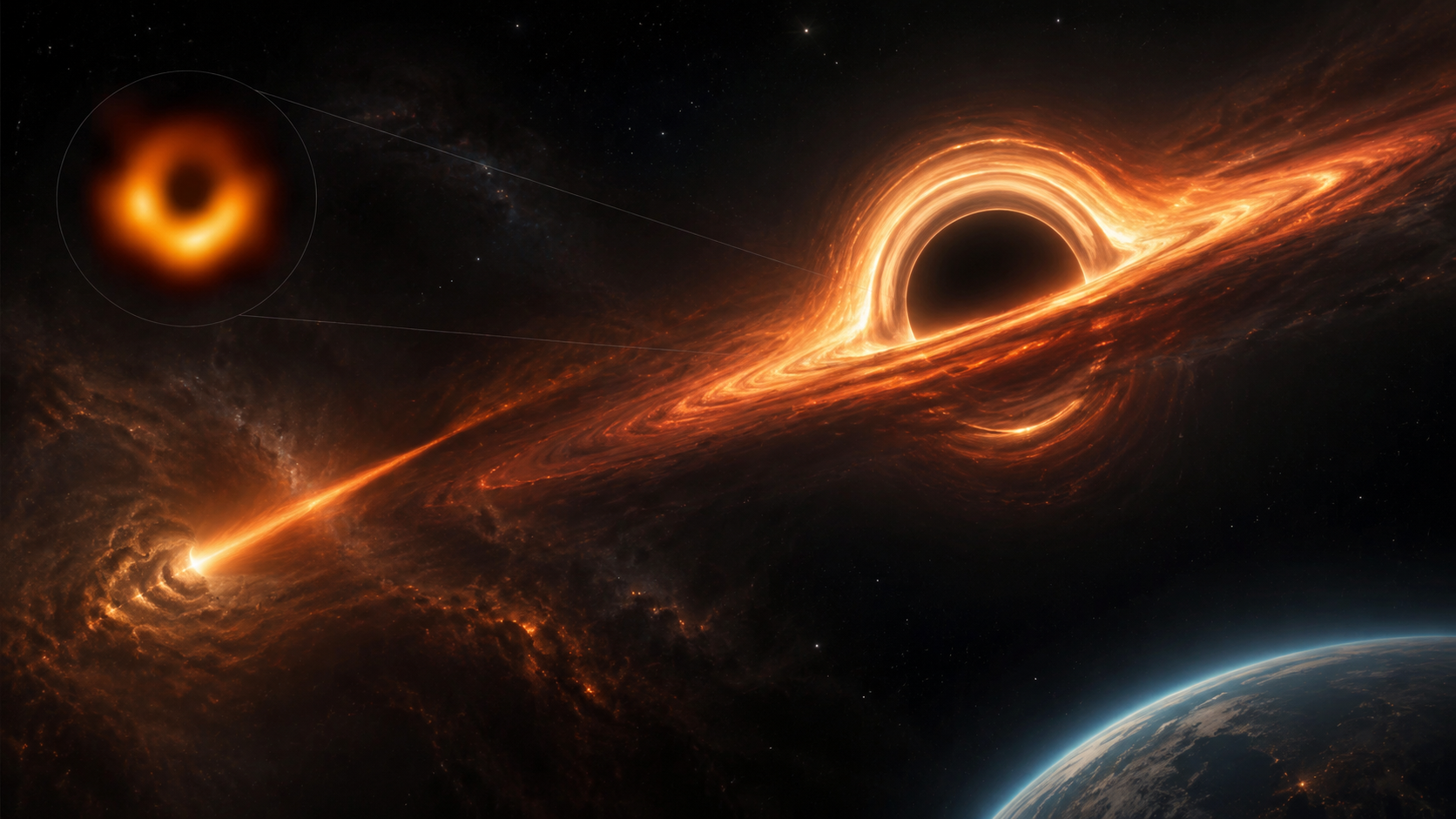
Imaging Methods for Invisible Black Holes: The Case of M87
Author: SpacePedia
Theme: Black Holes
Subject: Black Hole Imaging
Article Summary: Black holes cannot be seen directly with a normal telescope because they do not emit their own light. Nevertheless, the light emitted by the hot gas surrounding them and the strong gravity of the black hole bending this light make it possible to image the region where the black hole is located. One of the best-known examples of this is the supermassive black hole at the center of the M87 galaxy, about 55 million light-years from Earth. The Event Horizon Telescope (EHT) observed millimeter-wavelength radiation coming from around M87* by operating radio telescopes in different parts of the world as a single, Earth-sized virtual telescope. In the image published in 2019, a bright ring and a darker region in the center appeared. The imaged dark center is not the black hole itself, but the shadow region from which light cannot escape due to the black hole's strong gravity. This observation demonstrates how black holes can be imaged by taking advantage of their effects on the light around them.
Date: 18-09-2026
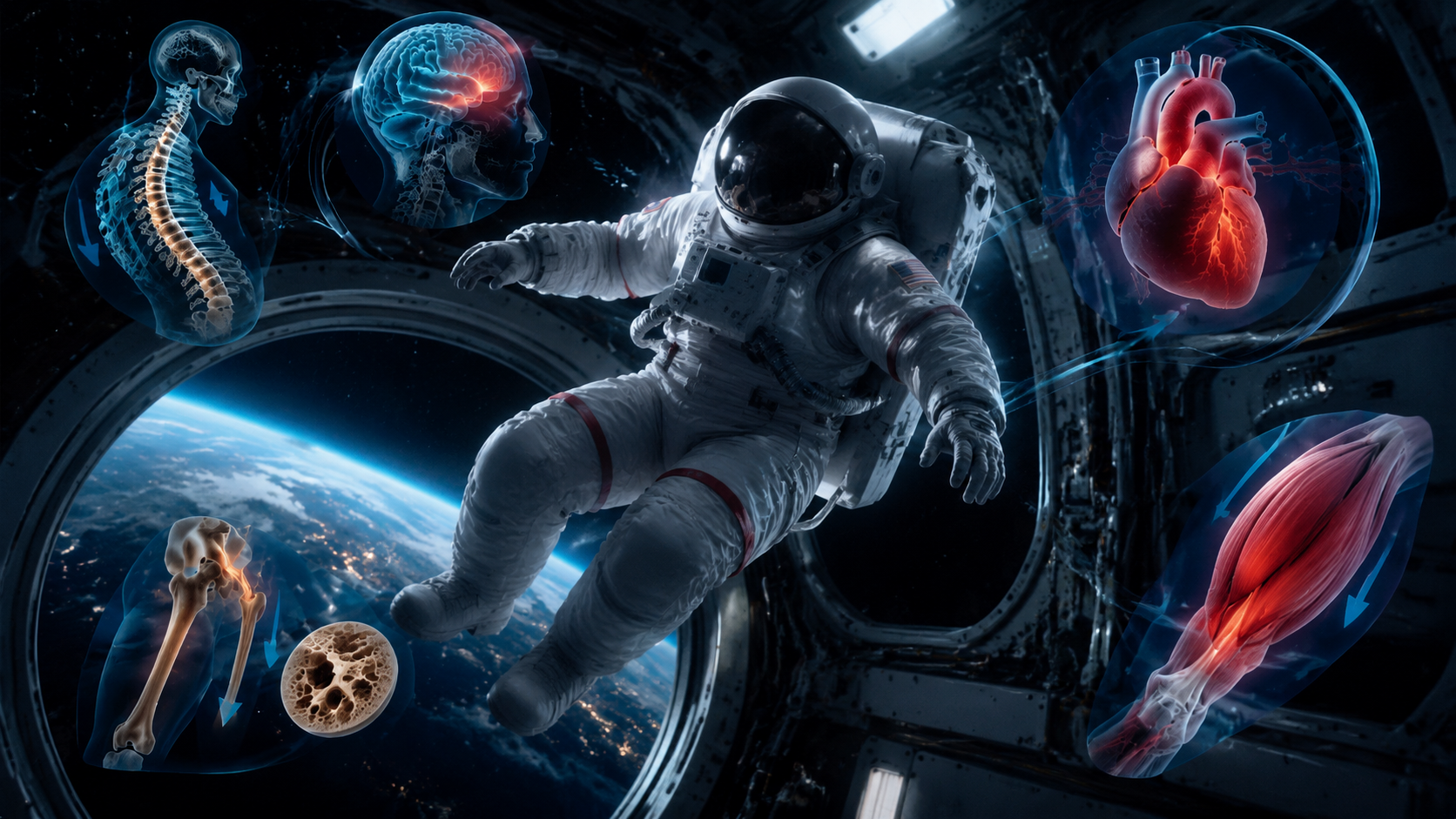
The Effects of Microgravity on Astronauts' Human Bodies
Author: SpacePedia
Theme: General Space
Subject: Microgravity
Article Summary: Microgravity causes the human body to adapt to a physical environment different from conditions on Earth. With the significant reduction in gravity, muscles and bones bear less load, the distribution of body fluids changes, and the balance system begins to receive different signals. As the duration of stay in space increases, these changes become more pronounced.
Date: 20-09-2026
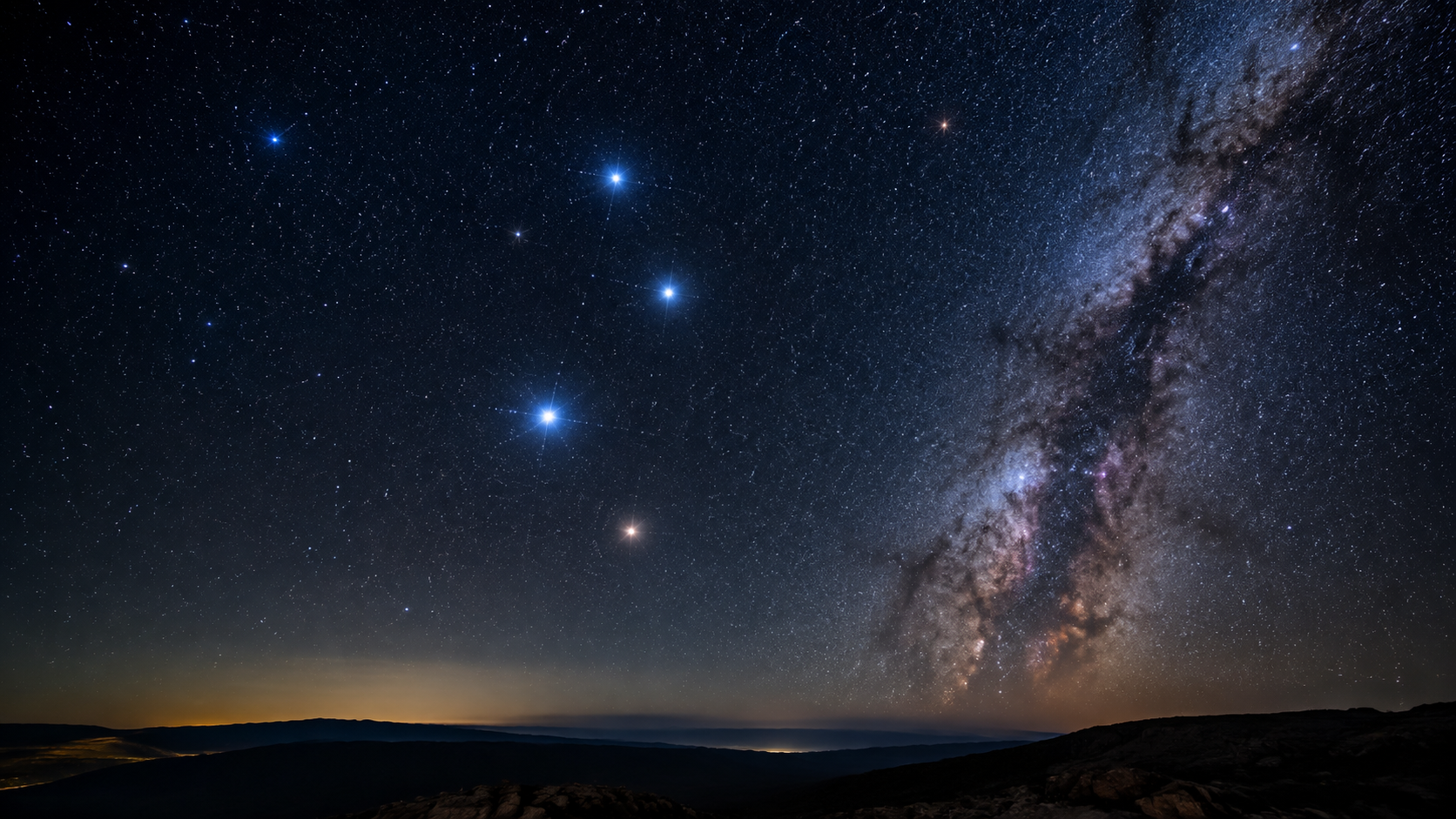
The Southern Cross: The Most Important Marker of the Southern Hemisphere Sky
Author: SpacePedia
Theme: Constellations
Subject: The Southern Cross and navigation in the southern sky
Article Summary: The Southern Cross is one of the most easily recognized star patterns in the night sky of the southern hemisphere. Known as Crux, this constellation stands out with its distinctive cross shape formed by four bright stars. Although it covers a small area of the sky, the brightness and arrangement of its stars make it prominent among the dense star fields of the Milky Way. Its most important feature is that its long axis is used to find the approximate position of the south celestial pole.
Date: 19-09-2026
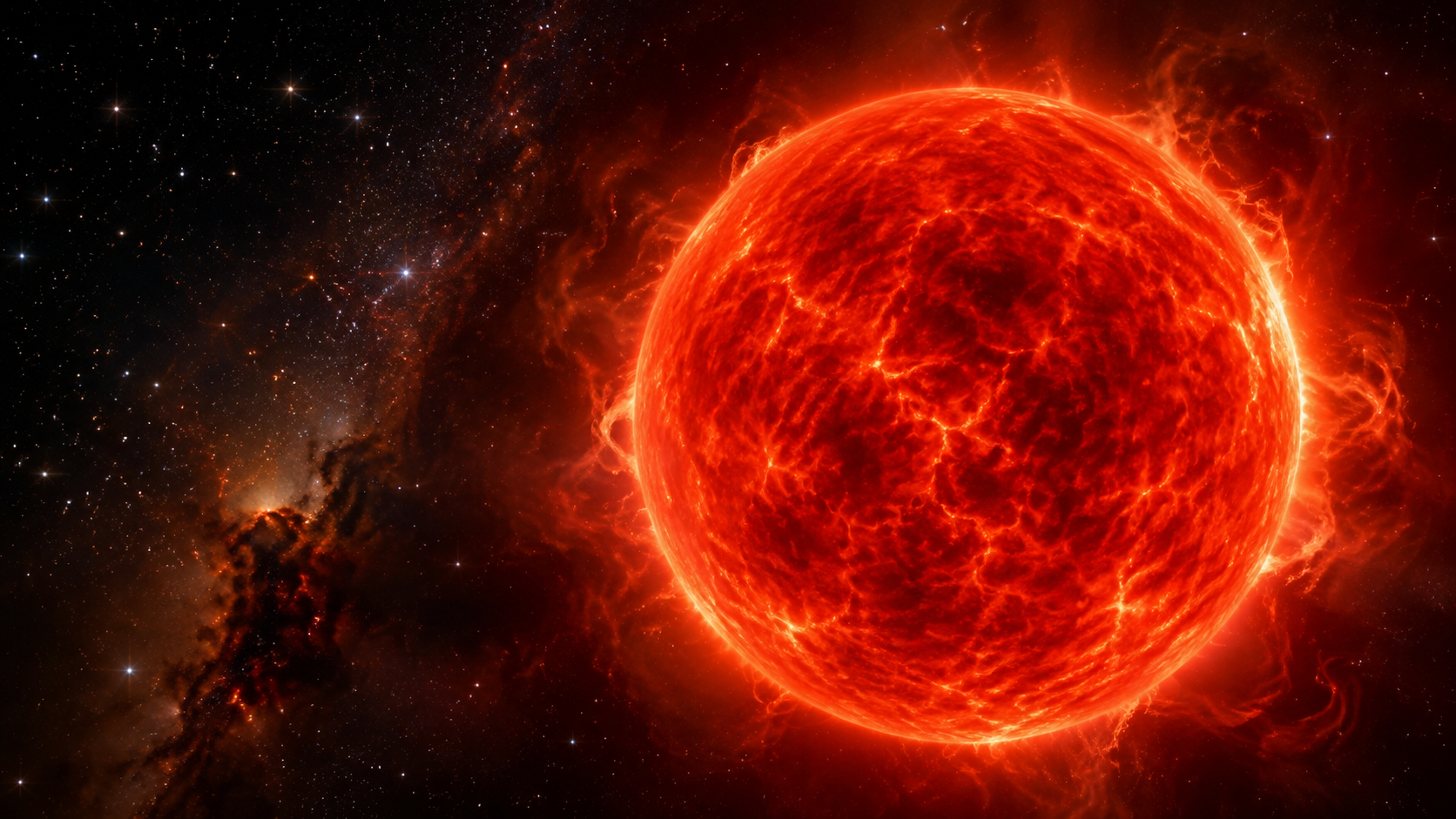
The Red Giant Phase Representing the Sun's Old Age
Author: SpacePedia
Theme: Stars
Subject: Red Giant
Article Summary: For about 5 billion years, the Sun has been in its main sequence phase, producing energy by converting hydrogen into helium in its core. When the hydrogen in the core decreases, the Sun's energy production balance will change, and the star will gradually progress into the red giant phase. During this period, the core will contract and heat up further, while fusion will continue in the hydrogen-rich region surrounding the core, causing the star's outer layers to expand significantly. As the expanding surface cools, the Sun will appear redder, but its total luminosity will be much higher than it is today. In the later stages of the red giant phase, helium in the core will fuse to form carbon, a heavier element. After the Sun's red giant period, its outer layers will disperse into space, leaving behind a hot, dense white dwarf.
Date: 18-09-2026
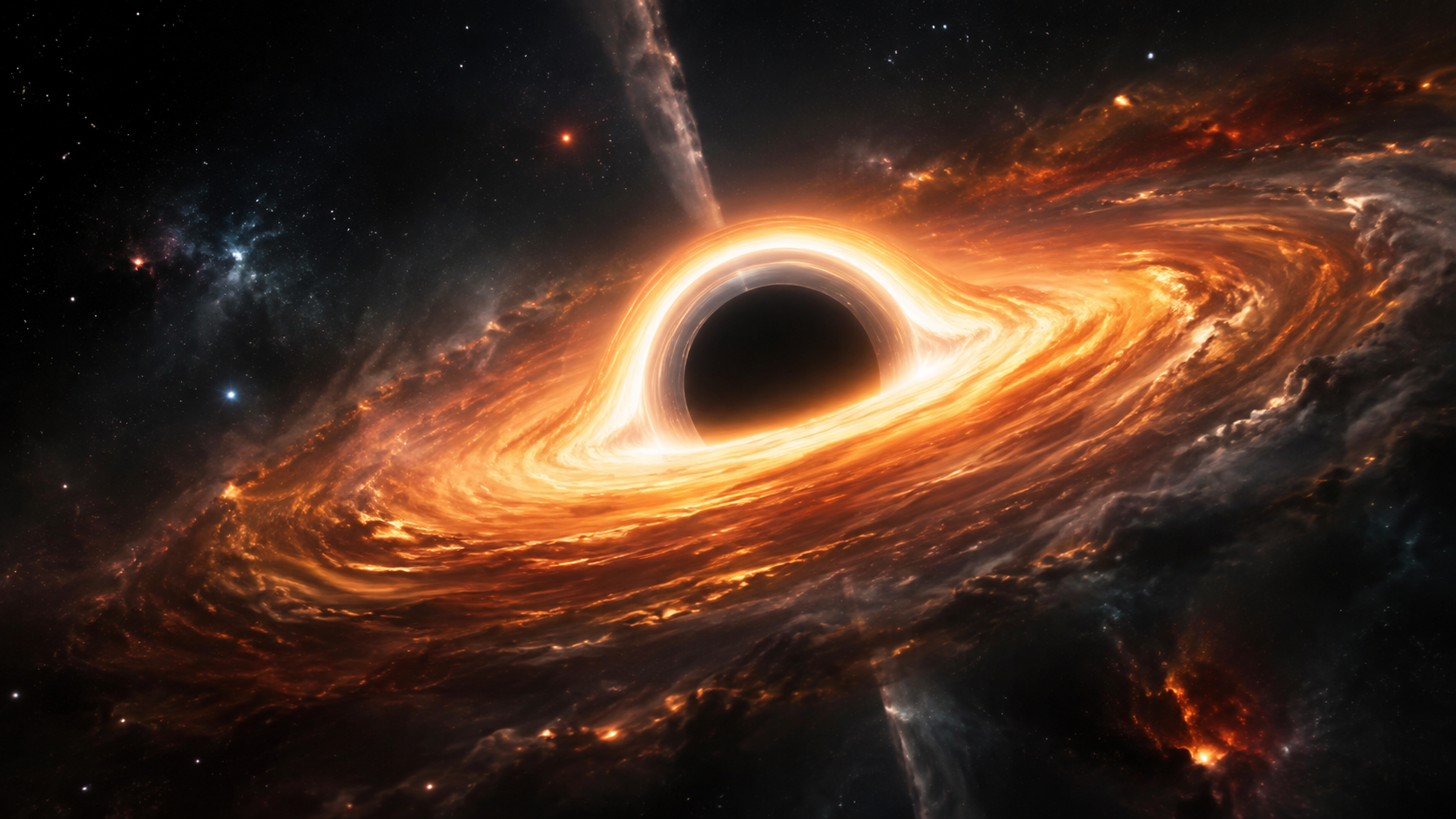
Bright Accretion Disks Formed by Matter Orbiting Black Holes
Author: SpacePedia
Theme: Black Holes
Subject: Accretion disks
Article Summary: Black holes do not emit light directly; however, the matter surrounding them can become extremely bright. As gas and dust move inward under the black hole's intense gravity, they spin rapidly and flatten into a disk. This accretion disk produces radiation at temperatures reaching millions of degrees due to friction and compression. In particular, X-rays play an important role in studying this highly energetic region around black holes.
Date: 20-09-2026
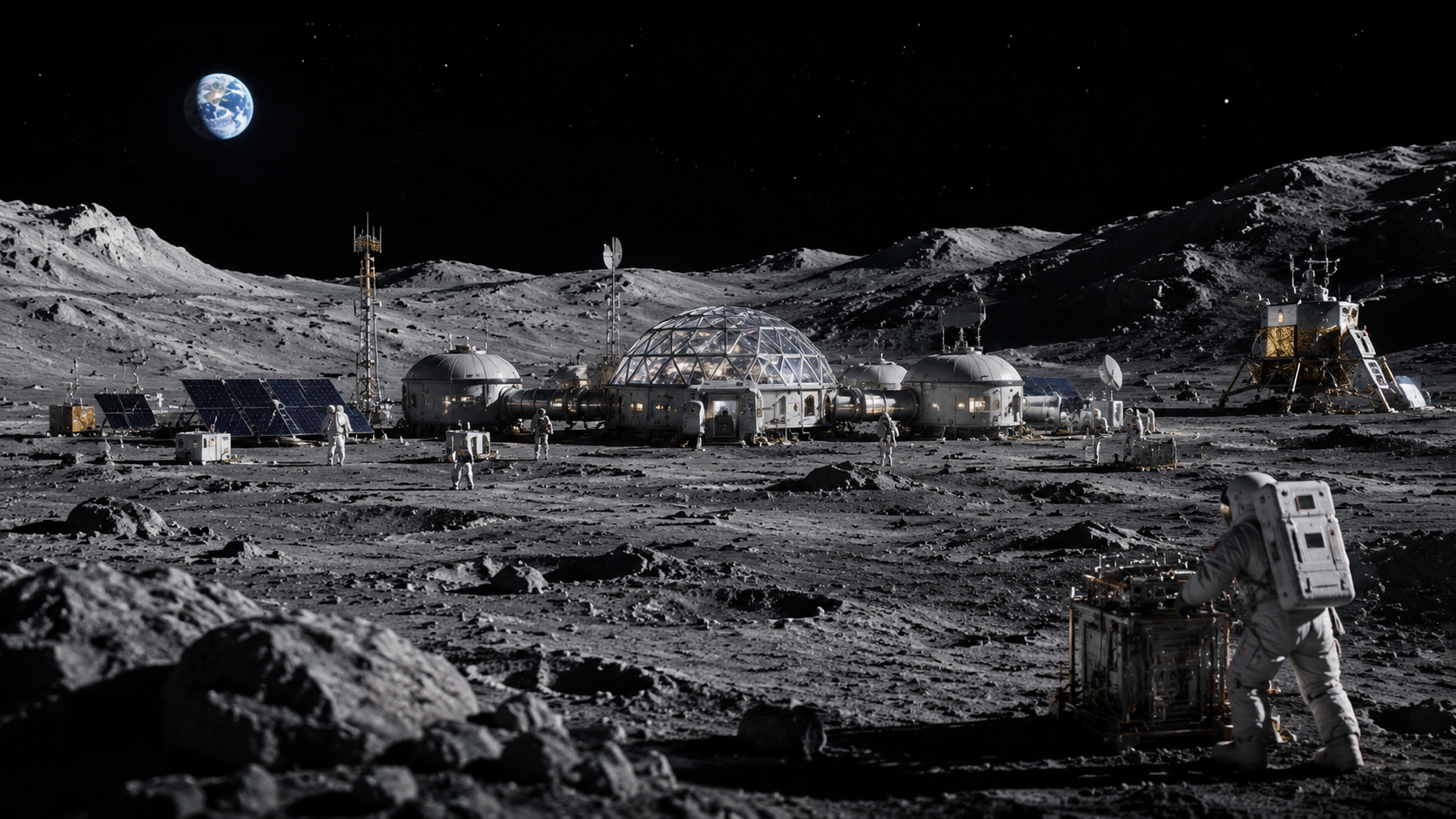
The Race to Establish a Permanent Human Base on the Lunar Surface
Author: SpacePedia
Theme: New Developments
Subject: Lunar Base
Article Summary: Efforts to establish a long-term human presence on the lunar surface are progressing from short-term visits toward building a base capable of continuous operation. Current plans particularly highlight the Moon's south pole; this region is considered favorable for base construction due to the potential presence of water ice and the fact that some elevated areas receive sunlight for extended periods. NASA's updated Moon Base approach for 2026 is based on the gradual establishment of robotic missions, cargo landings, power systems, surface vehicles, and habitats. This race is not just about building a living space; it also involves utilizing lunar water and other local resources, developing long-term life support systems, and reducing dependence on the continuous transport of materials from Earth.
Date: 18-09-2026

The Interstellar Long Journey of the Voyager Spacecraft
Author: SpacePedia
Theme: Spacecraft
Subject: Voyager's Interstellar Journey
Article Summary: The Voyager spacecraft were launched in 1977 to explore the outer regions of the Solar System. After passing by Jupiter and Saturn, Voyager 2 also flew close to Uranus and Neptune, making important observations about these distant worlds. Their journey was not limited to the planets; the spacecraft became human-made exploration vehicles advancing toward the outer boundaries of the Solar System and into interstellar space. The source notes that even at Voyager 2's speed of over 55,000 kilometers per hour, it would still take tens of thousands of years to approach another star.
Date: 11-09-2026
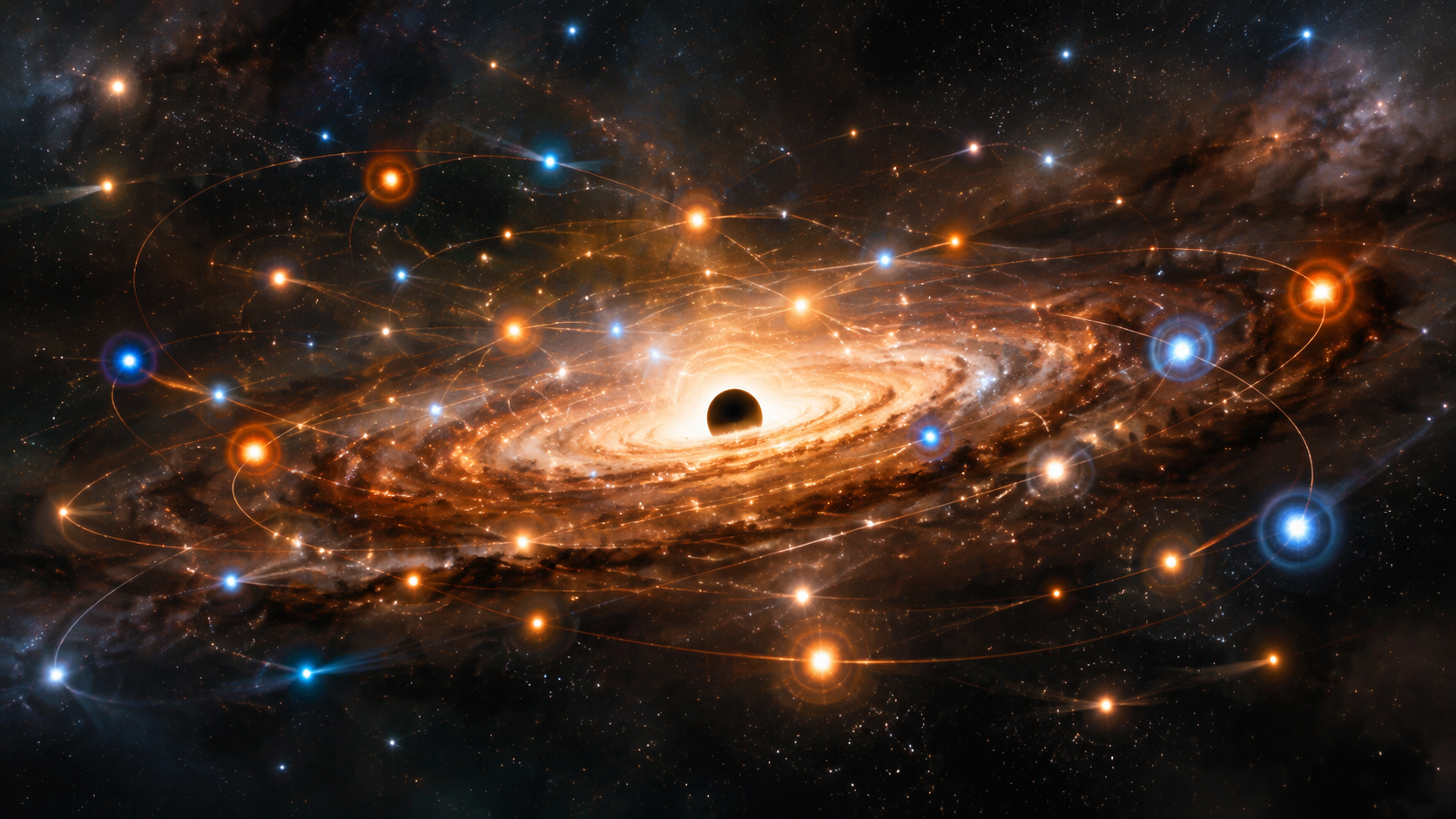
Stellar Motions Around Supermassive Black Holes at Galactic Centers
Author: SpacePedia
Theme: Black Holes
Subject: Stellar Orbits
Article Summary: At the centers of galaxies, there can be supermassive black holes reaching millions or even billions of solar masses. Although these black holes cannot be observed directly, the motions of the stars around them provide strong evidence for their existence. By measuring the orbits, velocities, and distances of stars from the central mass, the mass of the unseen object can be calculated. Sagittarius A* at the center of the Milky Way is one of the best-studied examples of this. Some stars near the center move in extremely fast and elliptical orbits very close to the black hole. In particular, the orbit of the star S2 has shown that a mass about four million times that of the Sun is concentrated in a very small region at the center. Monitoring stellar motions over many years makes it possible not only to confirm the existence of supermassive black holes, but also to investigate their masses and the properties of the surrounding space-time.
Date: 18-09-2026
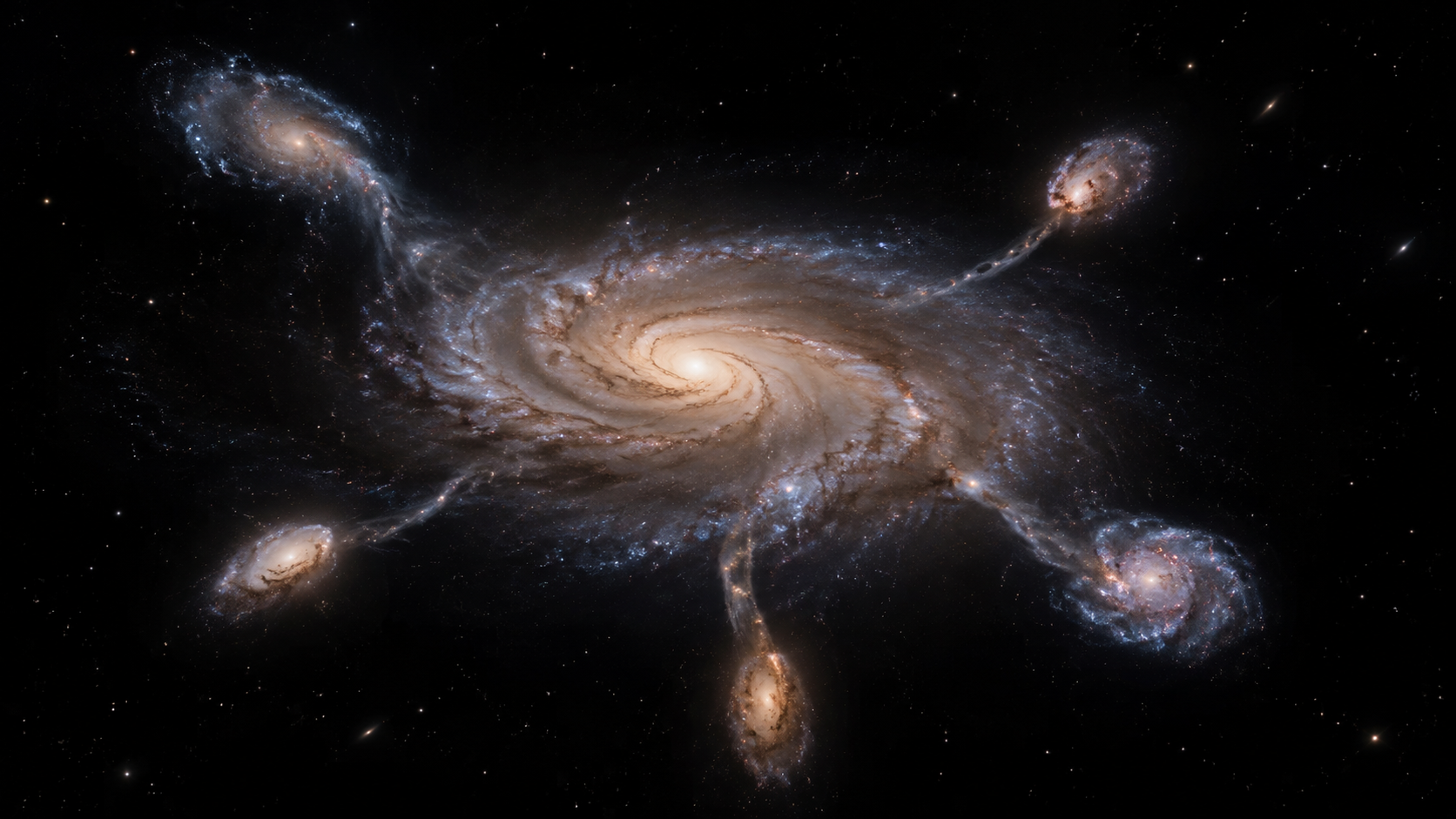
The Growth of Large Galaxies by Merging with Dwarf Galaxies
Author: SpacePedia
Theme: Galaxies
Subject: Growth of galaxies through merging
Article Summary: Galaxies are not structures that remain constant over time. Large galaxies can grow as smaller galaxies in their vicinity are drawn in by gravitational attraction and eventually merge with them. In this process, stars generally do not collide directly with each other, because the distances between stars in galaxies are extremely large. However, clouds of gas and dust can compress, star formation can accelerate, and the shapes of the merging galaxies can change significantly. The growth and collisions of galaxies are among the fundamental processes in the evolution of galaxies.
Date: 19-09-2026
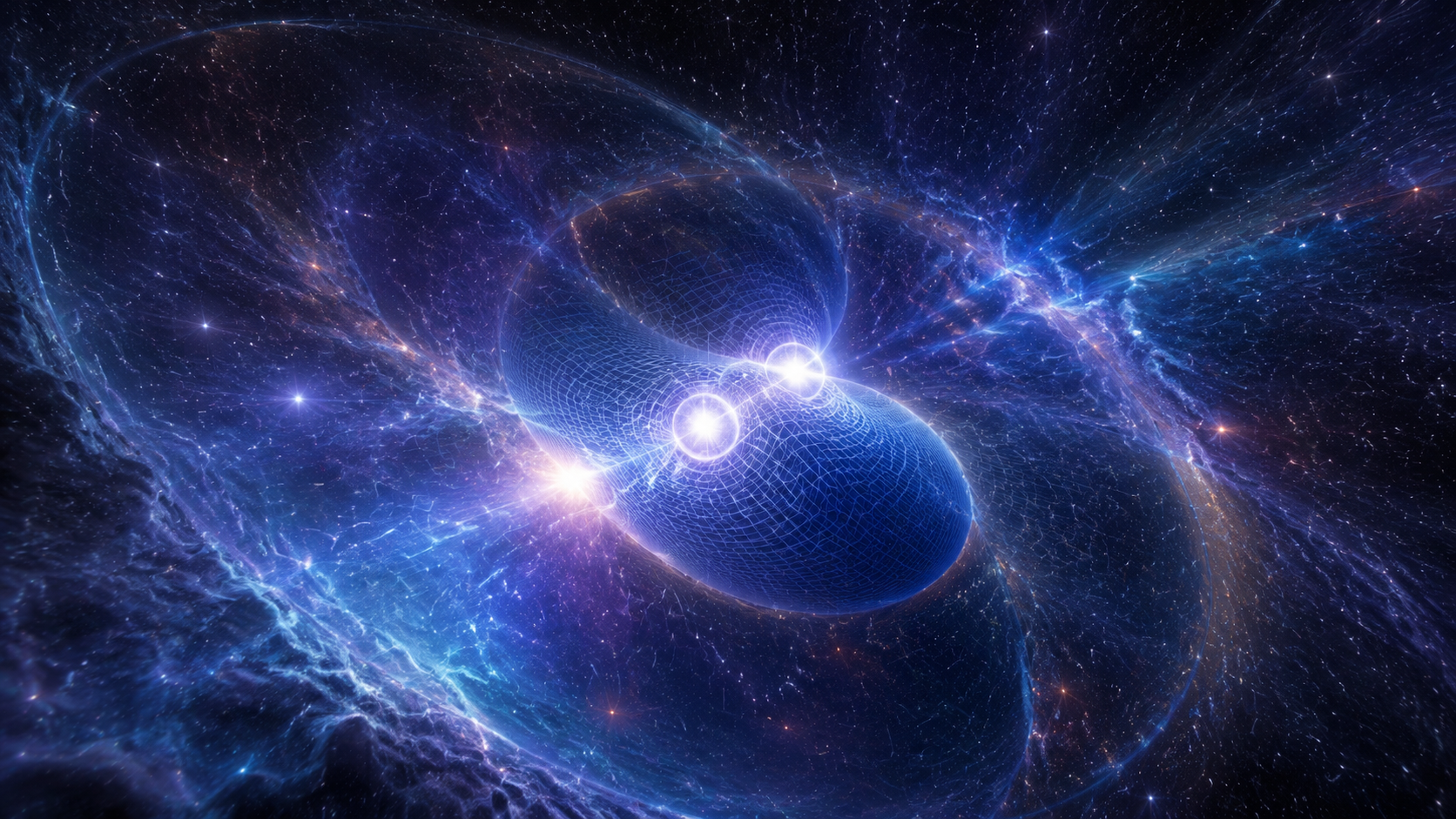
Observable Effects of Quantum Fluctuations in Outer Space
Author: SpacePedia
Theme: General Space
Subject: Quantum fluctuations
Article Summary: At first glance, outer space appears completely empty and motionless. However, according to quantum physics, a vacuum is not absolute 'nothingness.' Quantum fields exist everywhere in space, and even in their lowest energy state, small fluctuations can occur within these fields. These phenomena, known as quantum fluctuations, do not manifest as directly visible particle movements; rather, their effects can be revealed in the measurable outcomes of certain physical events. This topic is one of the intriguing links between microscopic quantum physics and the universe on a cosmic scale. In particular, the effects of quantum fluctuations become significant when examining the physical properties of the vacuum, the behavior of particles, and the conditions of the early universe.
Date: 19-09-2026
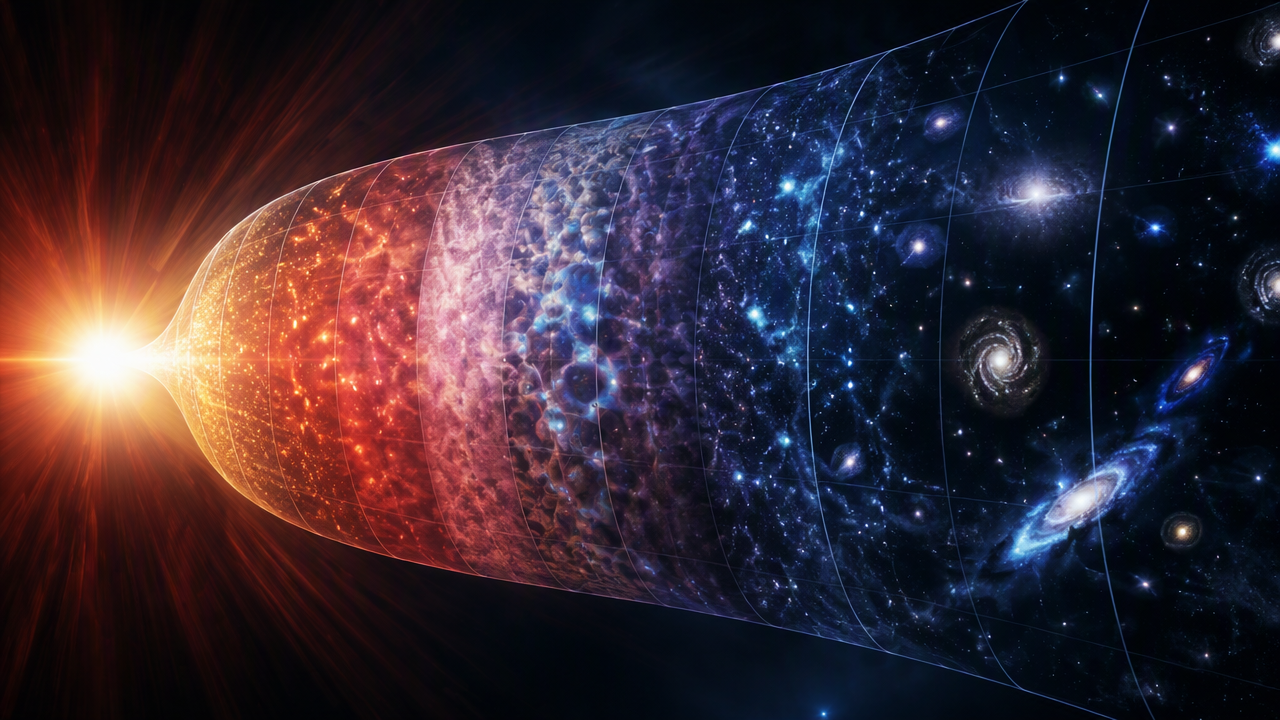
What Happened in the First Minutes of the Universe After the Big Bang
Author: SpacePedia
Theme: General Space
Subject: Early Universe
Article Summary: Immediately after the Big Bang, the universe was much hotter, denser, and smaller than it is today. As expansion continued, temperature and density rapidly decreased. While interactions between fundamental particles took place in the first seconds, by the first minutes, protons and neutrons began to come together to form light atomic nuclei. This process is called Big Bang nucleosynthesis. By the end of the first minutes, the universe mostly contained hydrogen nuclei and helium nuclei, with smaller amounts of light nuclei such as deuterium and helium-3 also forming. However, the universe did not yet have the structures we see today, such as stars, galaxies, or neutral atoms.
Date: 18-09-2026
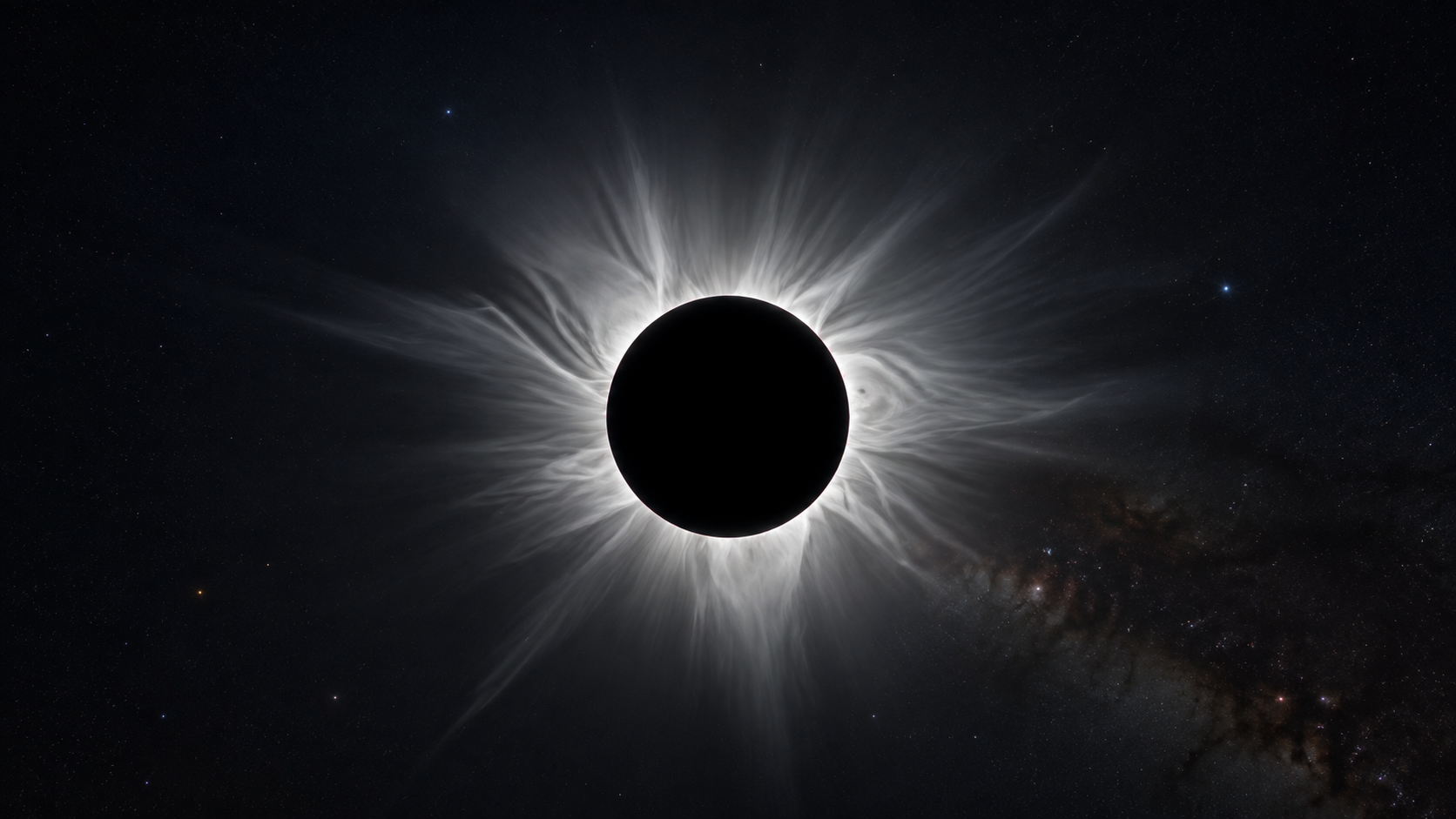
The Solar Corona Visible During a Total Solar Eclipse
Author: SpacePedia
Theme: General Space
Subject: Solar Corona
Article Summary: The solar corona is the outermost and most extensive part of the Sun's atmosphere. Under normal conditions, the Sun's very bright surface overwhelms the faint light of the corona, making it difficult to observe directly. During a total solar eclipse, when the Moon completely covers the visible face of the Sun, the corona becomes prominent and thin, irregular light structures extending around the Sun appear.
Date: 20-09-2026