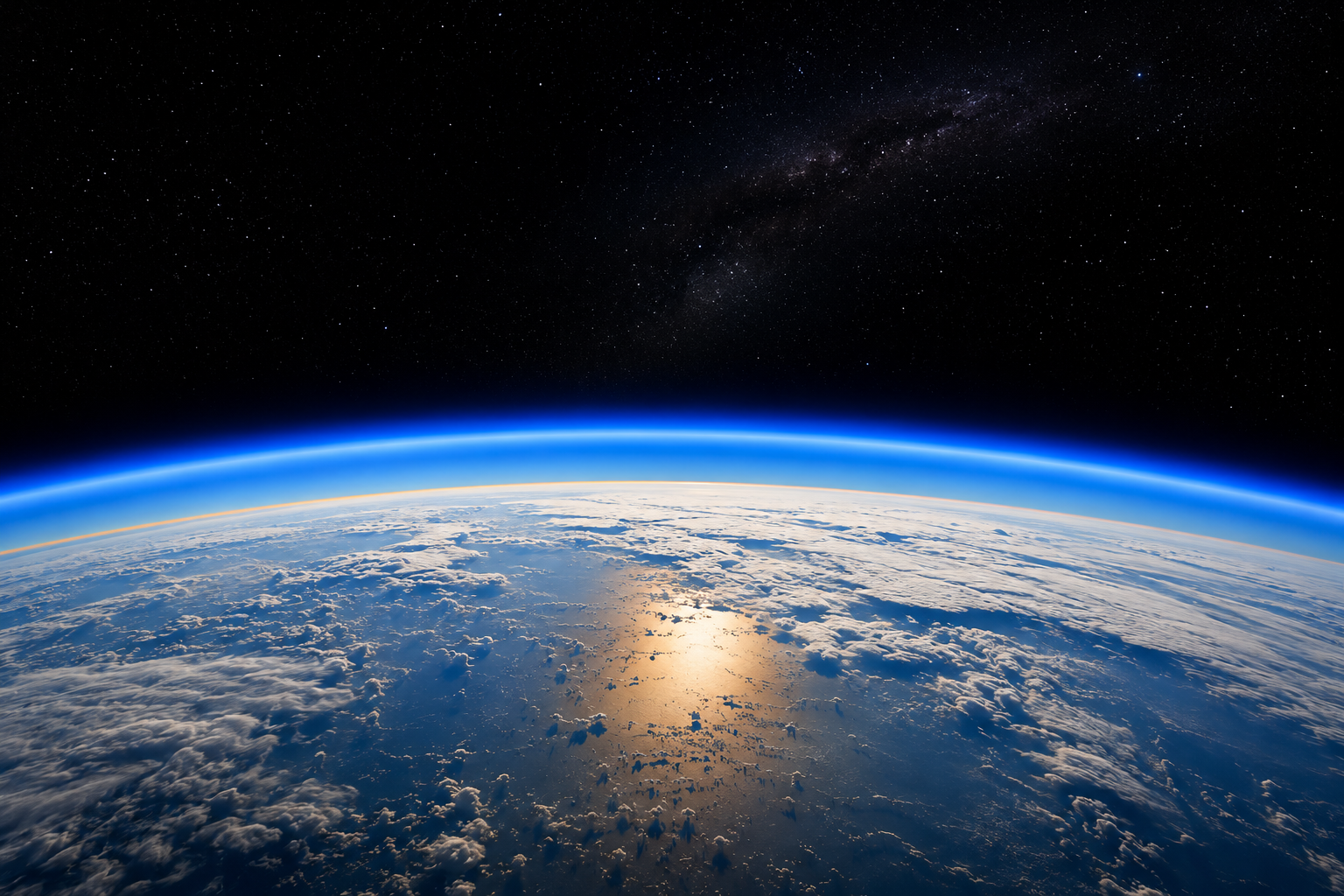
Determining the Beginning of Space
Author: SpacePedia
Theme: General Space
Subject: Kármán Line - The Beginning of Space
Article Summary: The Kármán line is an imaginary boundary accepted at approximately 100 kilometers above Earth's surface and used to define the transition between atmospheric flight and movement in space. The atmosphere does not suddenly end at this altitude; its density gradually decreases as altitude increases. The altitude of approximately 100 kilometers is used to define the region where the atmosphere becomes extremely sparse and the characteristics of aerodynamic flight change significantly.
Date: 14-08-2026
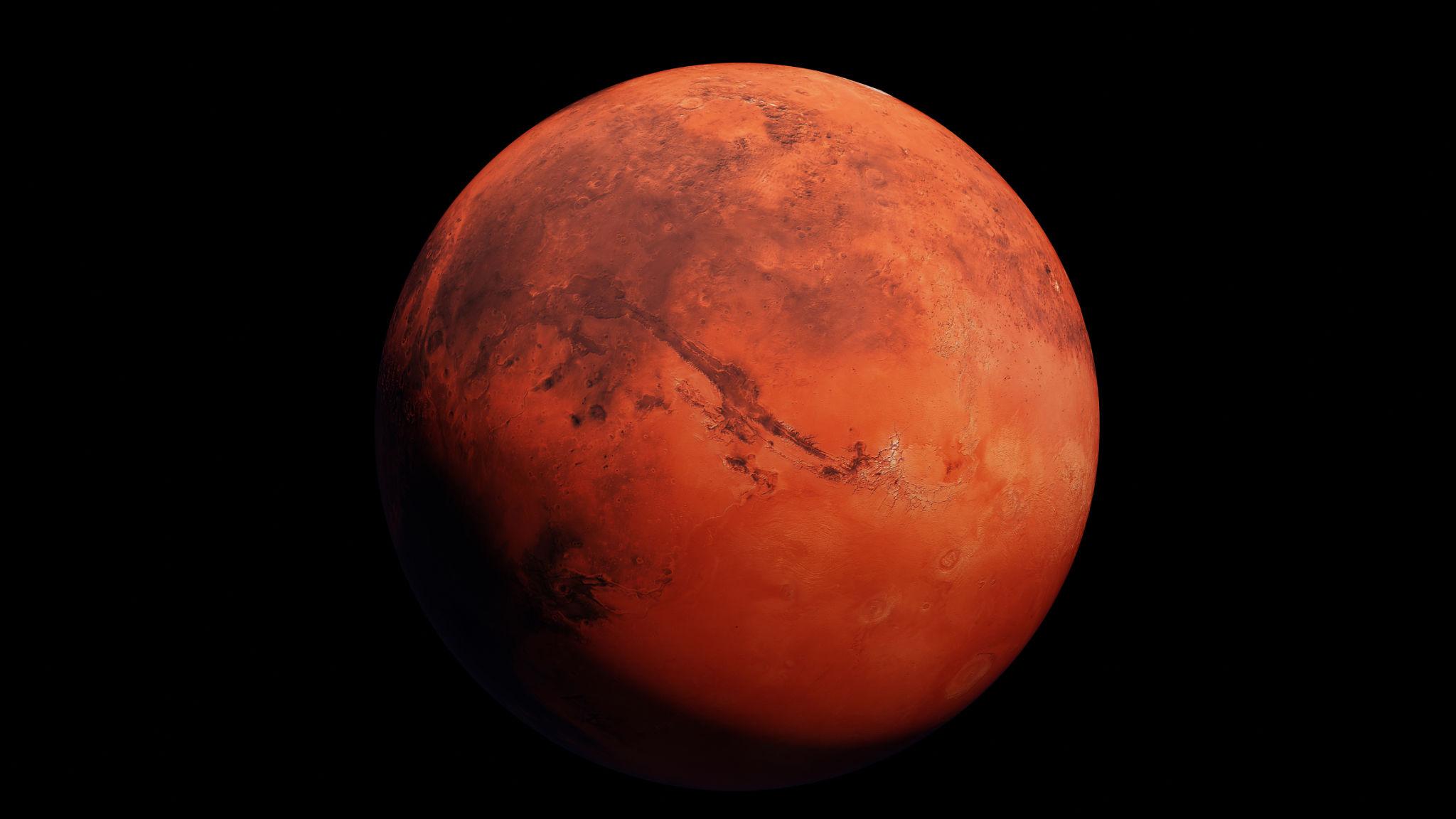
The Mysterious World of the Red Planet
Author: SpacePedia
Theme: Planets
Subject: Mars Planet - Our Red Neighbor
Article Summary: Mars is one of the planets in the Solar System that most closely resembles Earth and is known as the "Red Planet." It gets this color from iron oxide (rust) on its surface. With its thin atmosphere, massive volcanoes, and deep canyons, Mars is one of the most studied planets by scientists because it may have once contained water. Today, Mars is considered a potential candidate for future human life.
Date: 18-03-2026
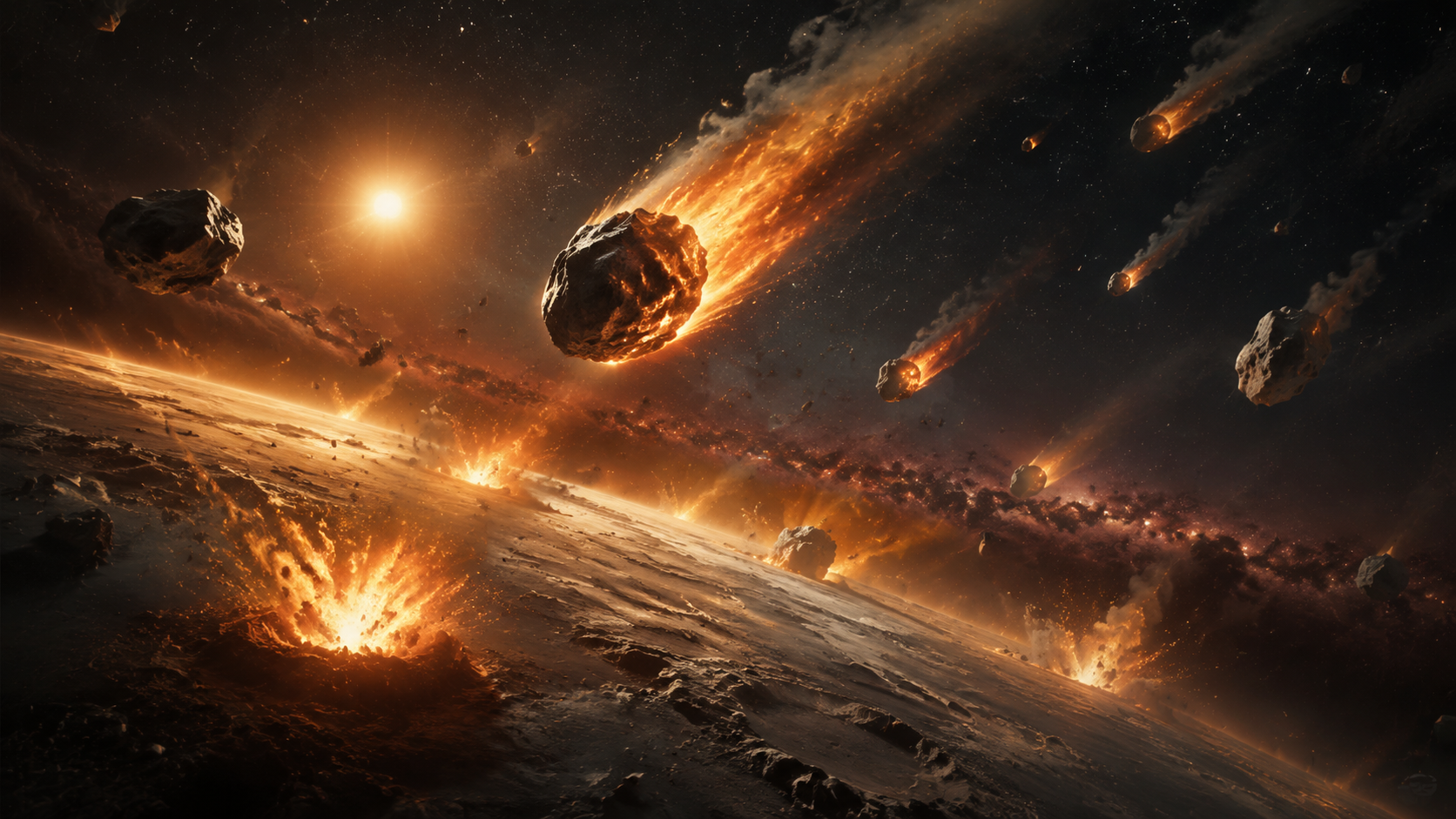
The Late Heavy Bombardment Period in the Early Solar System
Author: SpacePedia
Theme: General Space
Subject: Late Heavy Bombardment
Article Summary: The early periods of the Solar System were much more dynamic and filled with collisions than today. Asteroids and comets left over from the formation of planets and small celestial bodies struck the surfaces of young planets much more frequently. The most significant traces of this intense bombardment period are the numerous craters found on the surfaces of the Moon, Mercury, and other rocky bodies.
Date: 20-09-2026
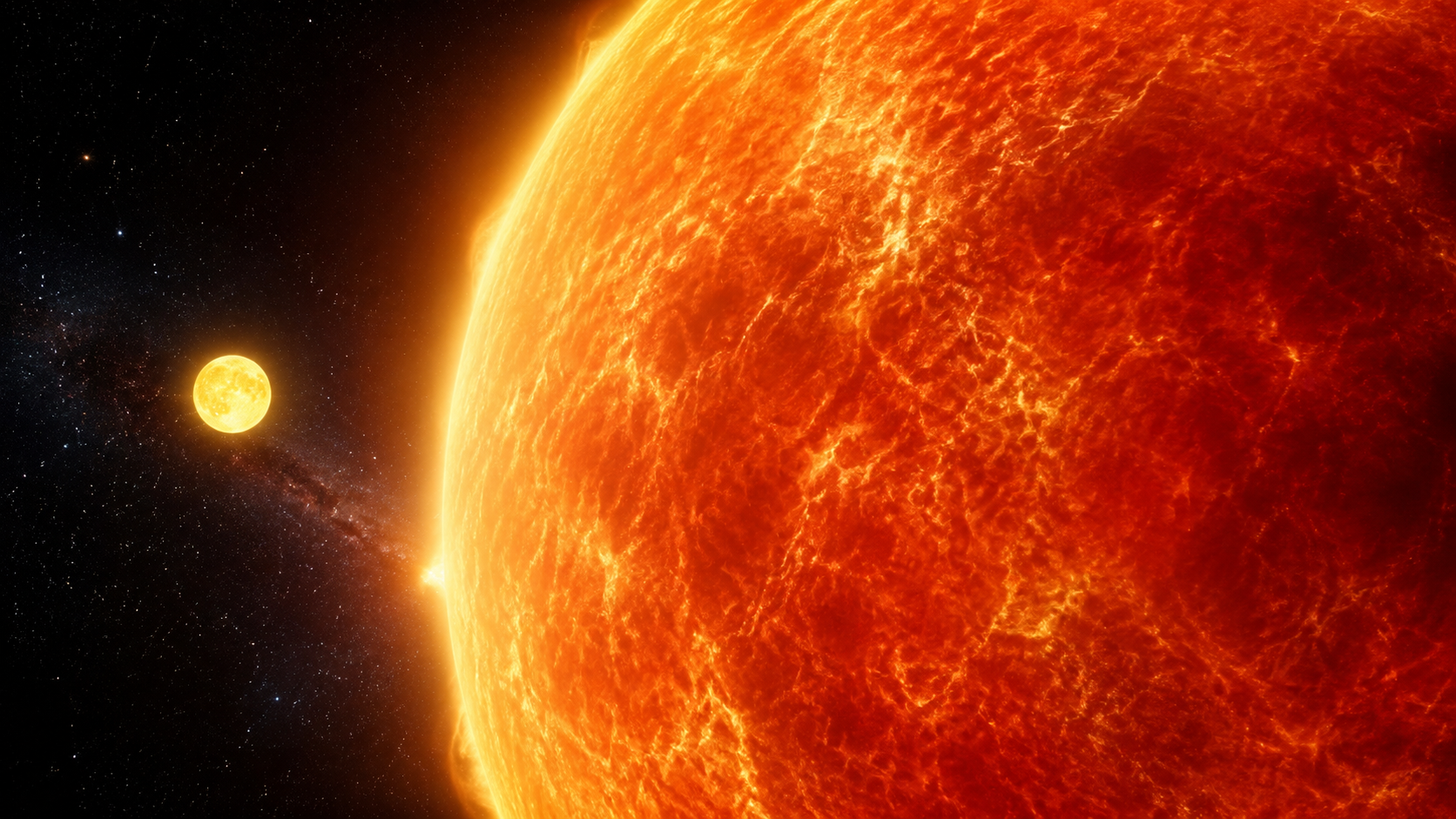
The Sizes Reached by the Largest Stars Compared to the Sun
Author: SpacePedia
Theme: Stars
Subject: Sizes of stars
Article Summary: The sizes of stars can differ greatly from one another. While the Sun is considered a medium-sized star, some giant and especially red supergiant stars can reach hundreds of times, or in some cases much more, the Sun's diameter. This comparison is one of the easiest ways to understand how large stars can be. However, a star's size is not the same as its mass. A star can have a very large volume while its density may be extremely low. This situation becomes especially apparent in giant stars in the later stages of their lives.
Date: 19-09-2026
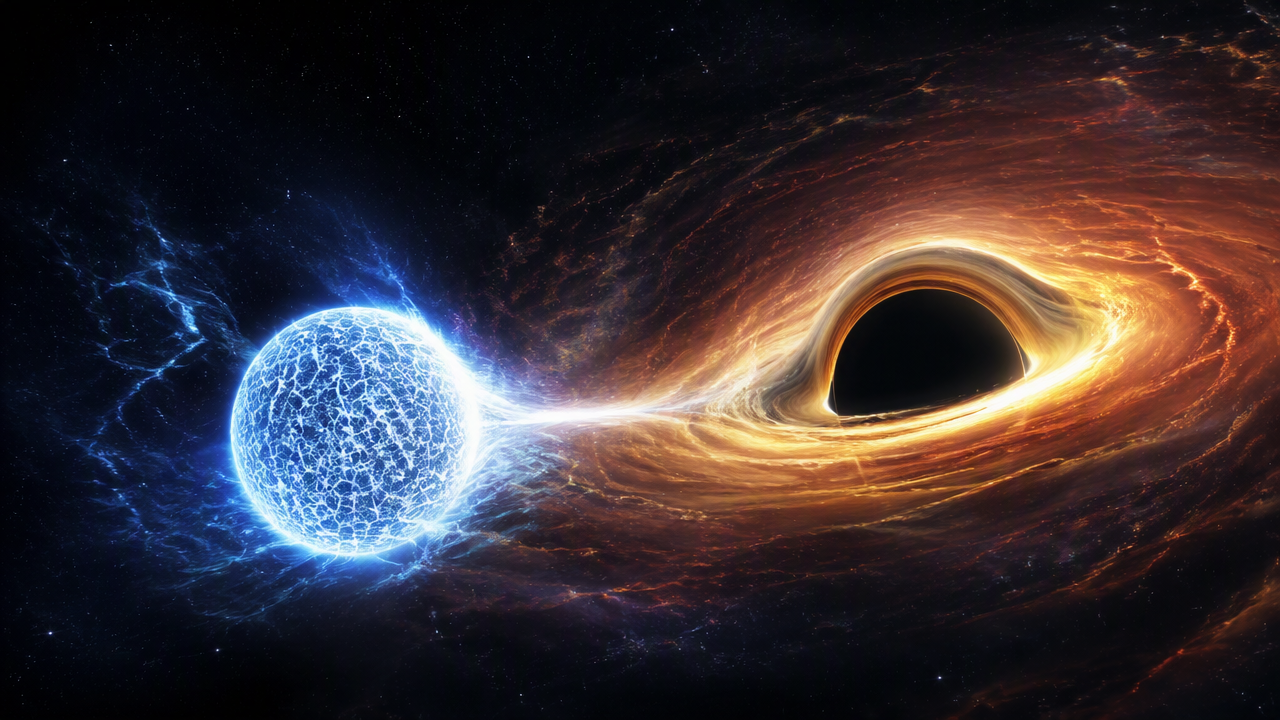
The Critical Mass Limit Determining the Collapse of Neutron Stars into Black Holes
Author: SpacePedia
Theme: Neutron Stars
Subject: Stability limit of neutron stars and collapse into black holes
Article Summary: Neutron stars are extremely dense celestial objects left behind after the supernova explosions of massive stars. While their masses can be similar to or several times that of the Sun, their diameters are only about 20–25 kilometers. The main factor supporting matter at this extraordinary density is the quantum mechanical pressure and the strong forces generated by the dense nuclear matter inside the neutron star. However, there is an upper limit to the mass a neutron star can sustain. This limit is known as the Tolman–Oppenheimer–Volkoff (TOV) limit. Its exact value is still being researched today, as it depends on the equation of state of neutron star matter at extremely high densities; observations show that neutron stars with several solar masses can exist. If a neutron star exceeds the maximum mass it can support, it cannot withstand its own gravity and, according to general relativity, will begin to collapse, forming a black hole. Therefore, the critical mass is of great importance for understanding the physical boundary between a neutron star and a black hole.
Date: 19-09-2026

Technical Failures That Destroyed the Space Shuttle in the Challenger Disaster
Author: SpacePedia
Theme: Accidents
Subject: Challenger Disaster
Article Summary: On January 28, 1986, the Challenger space shuttle disintegrated shortly after the launch of the STS-51L mission. At the heart of the accident was the failure of the O-ring seals used in the joint of one of the solid rocket boosters to maintain sufficient flexibility at low temperatures. The loss of seal integrity in the joint allowed hot gases to escape, initiating a chain reaction that damaged structures connected to the fuel tank. In addition to the technical issue, the failure to adequately consider this risk before launch was also a significant factor in the disaster.
Date: 11-09-2026
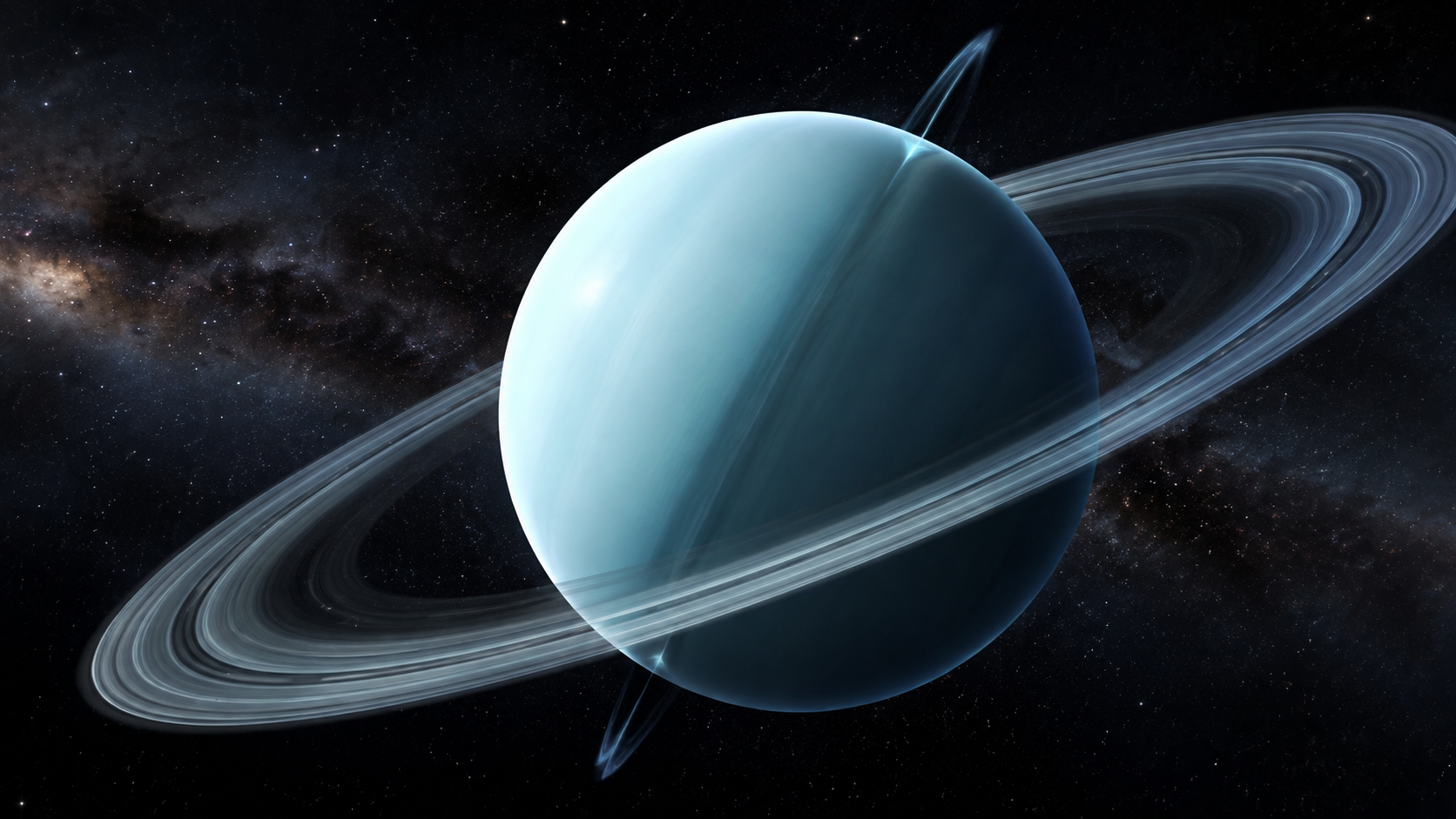
Uranus: The Unusual Planet of the Solar System Rotating on Its Side
Author: SpacePedia
Theme: Planets
Subject: Uranus' unusual axial tilt and rotation -
Article Summary: Uranus is one of the most unusual planets in the Solar System. One of its most distinctive features that sets it apart from other planets is that its rotational axis is tilted about 98 degrees relative to its orbital plane. Because of this, Uranus orbits the Sun almost lying on its side. This extraordinary orientation leads to equally extraordinary seasons on the planet. One pole of Uranus can face the Sun for many years while the other remains in darkness. This situation makes the seasonal changes in its atmosphere and the distribution of sunlight it receives quite different from those of other planets.
Date: 19-09-2026

The Interstellar Long Journey of the Voyager Spacecraft
Author: SpacePedia
Theme: Spacecraft
Subject: Voyager's Interstellar Journey
Article Summary: The Voyager spacecraft were launched in 1977 to explore the outer regions of the Solar System. After passing by Jupiter and Saturn, Voyager 2 also flew close to Uranus and Neptune, making important observations about these distant worlds. Their journey was not limited to the planets; the spacecraft became human-made exploration vehicles advancing toward the outer boundaries of the Solar System and into interstellar space. The source notes that even at Voyager 2's speed of over 55,000 kilometers per hour, it would still take tens of thousands of years to approach another star.
Date: 11-09-2026
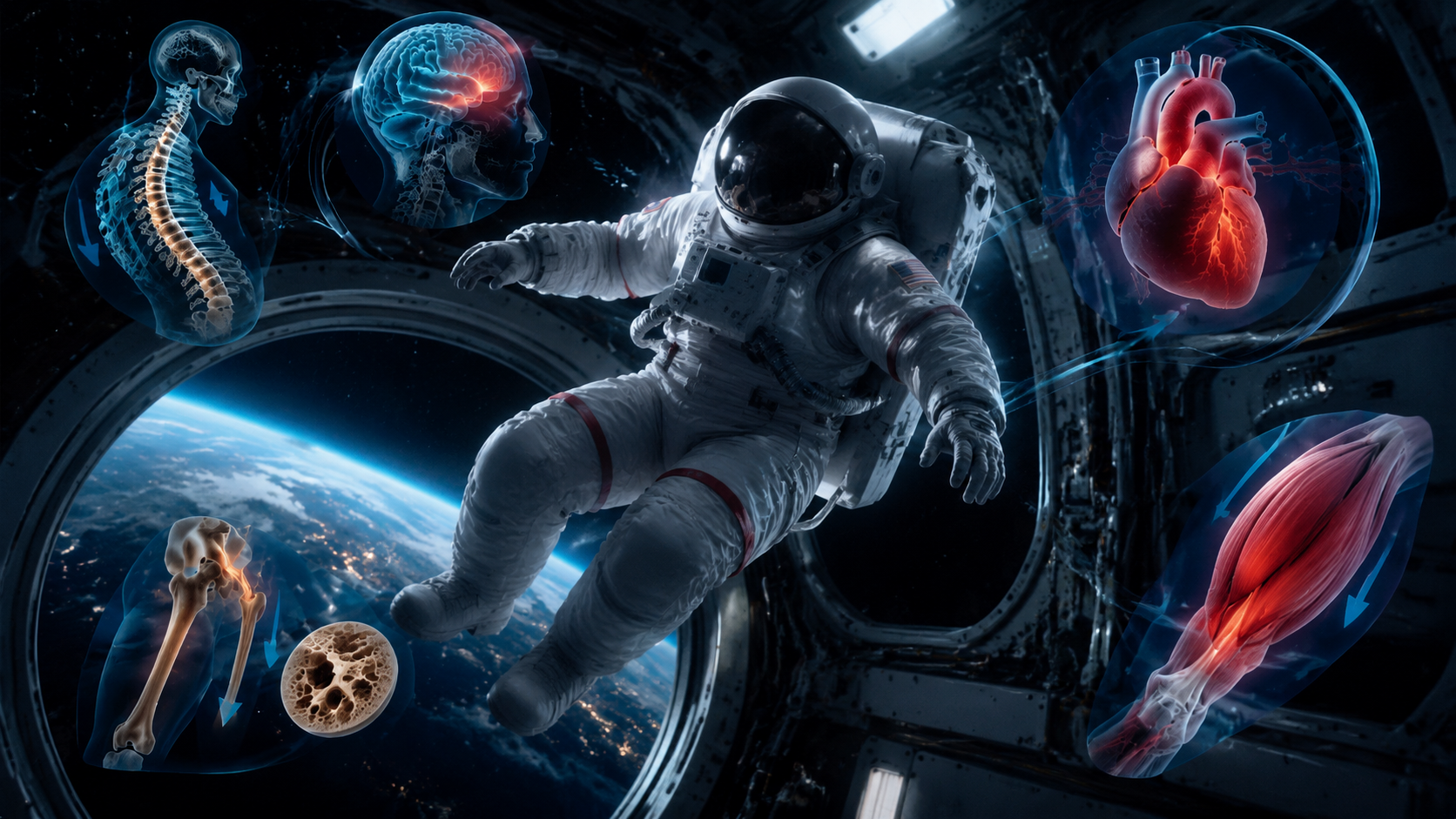
The Effects of Microgravity on Astronauts' Human Bodies
Author: SpacePedia
Theme: General Space
Subject: Microgravity
Article Summary: Microgravity causes the human body to adapt to a physical environment different from conditions on Earth. With the significant reduction in gravity, muscles and bones bear less load, the distribution of body fluids changes, and the balance system begins to receive different signals. As the duration of stay in space increases, these changes become more pronounced.
Date: 20-09-2026
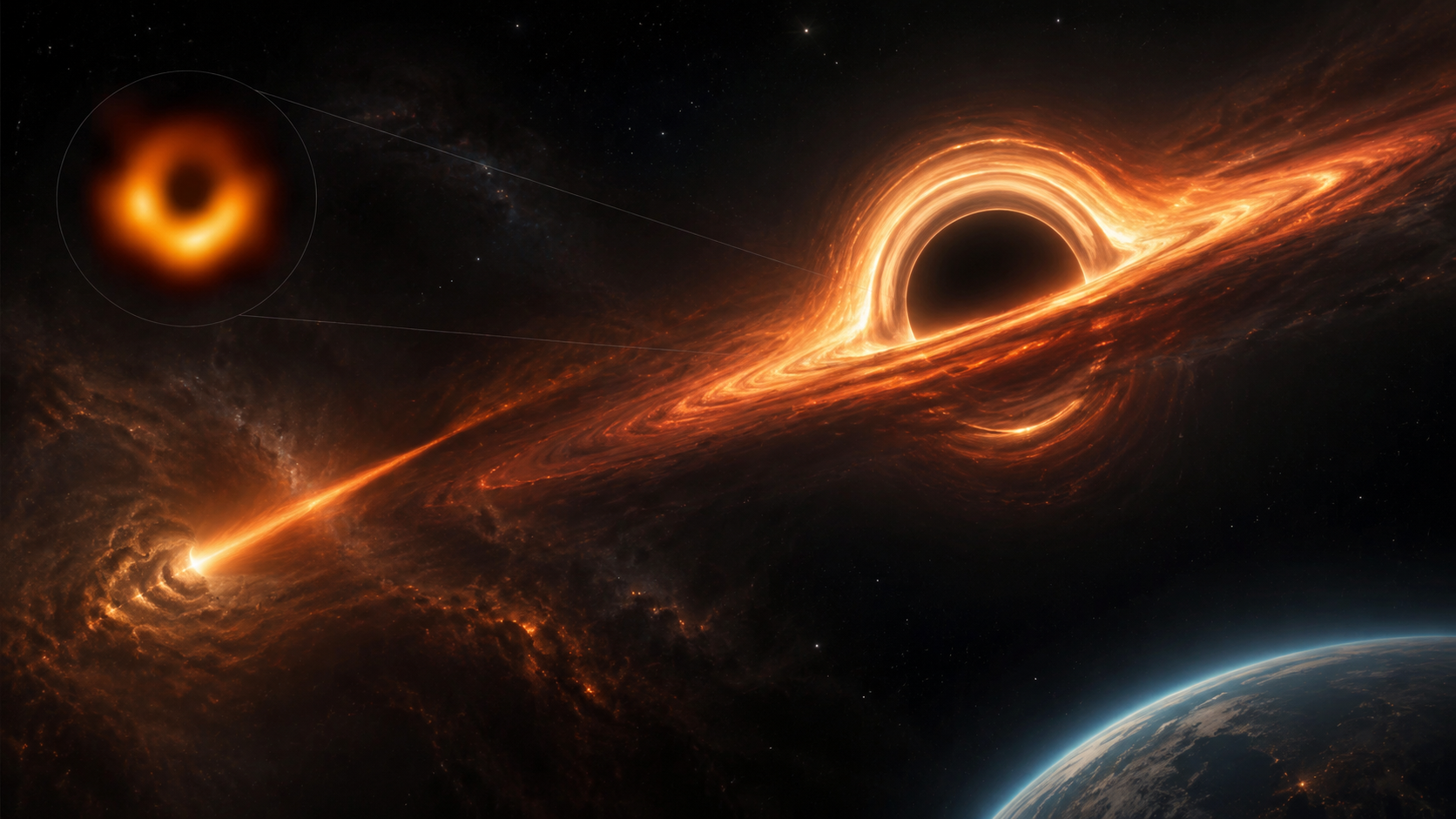
Imaging Methods for Invisible Black Holes: The Case of M87
Author: SpacePedia
Theme: Black Holes
Subject: Black Hole Imaging
Article Summary: Black holes cannot be seen directly with a normal telescope because they do not emit their own light. Nevertheless, the light emitted by the hot gas surrounding them and the strong gravity of the black hole bending this light make it possible to image the region where the black hole is located. One of the best-known examples of this is the supermassive black hole at the center of the M87 galaxy, about 55 million light-years from Earth. The Event Horizon Telescope (EHT) observed millimeter-wavelength radiation coming from around M87* by operating radio telescopes in different parts of the world as a single, Earth-sized virtual telescope. In the image published in 2019, a bright ring and a darker region in the center appeared. The imaged dark center is not the black hole itself, but the shadow region from which light cannot escape due to the black hole's strong gravity. This observation demonstrates how black holes can be imaged by taking advantage of their effects on the light around them.
Date: 18-09-2026
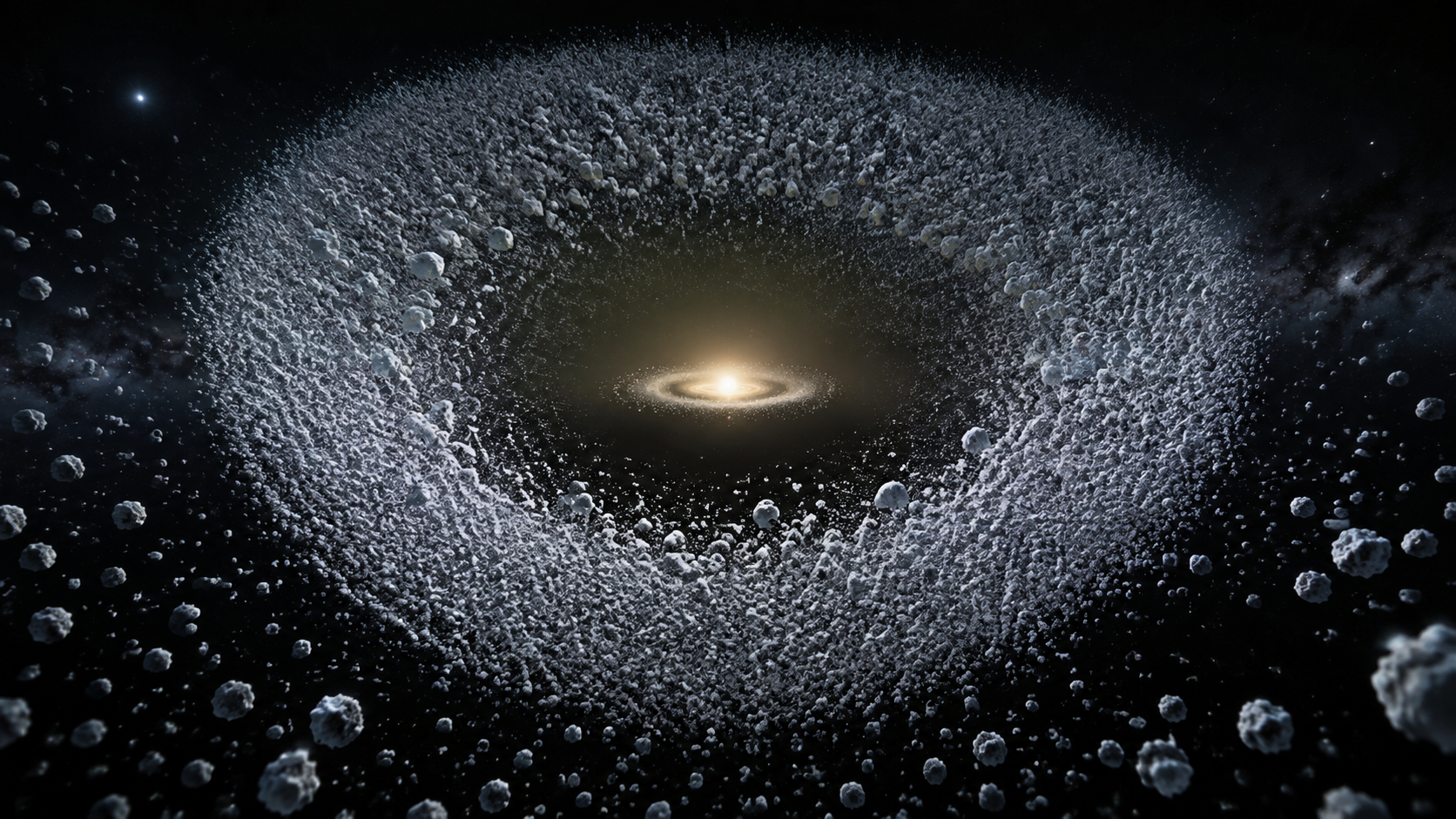
The Icy Reservoir at the Outer Edge of the Solar System: The Oort Cloud
Author: SpacePedia
Theme: Comets
Subject: Oort Cloud
Article Summary: The Oort Cloud is a hypothetical spherical region thought to surround the very distant outer regions of the Solar System, containing billions of icy small bodies. This structure, believed to lie far beyond Neptune's orbit, has not been directly observed. The existence of the Oort Cloud is inferred from the orbits of very long-period comets and orbital calculations suggesting that these objects may originate from the farthest regions of the Solar System. It is thought that some of the icy bodies ejected from the regions where planets formed during the Sun's formation were captured by the Sun's gravity in very distant orbits. Passing stars and the gravitational effects of the Milky Way can alter the orbits of these objects and send some of them toward the Sun. Thus, the Oort Cloud represents a reservoir of icy bodies in the most distant regions of the Solar System, serving as a possible source of long-period comets.
Date: 18-09-2026
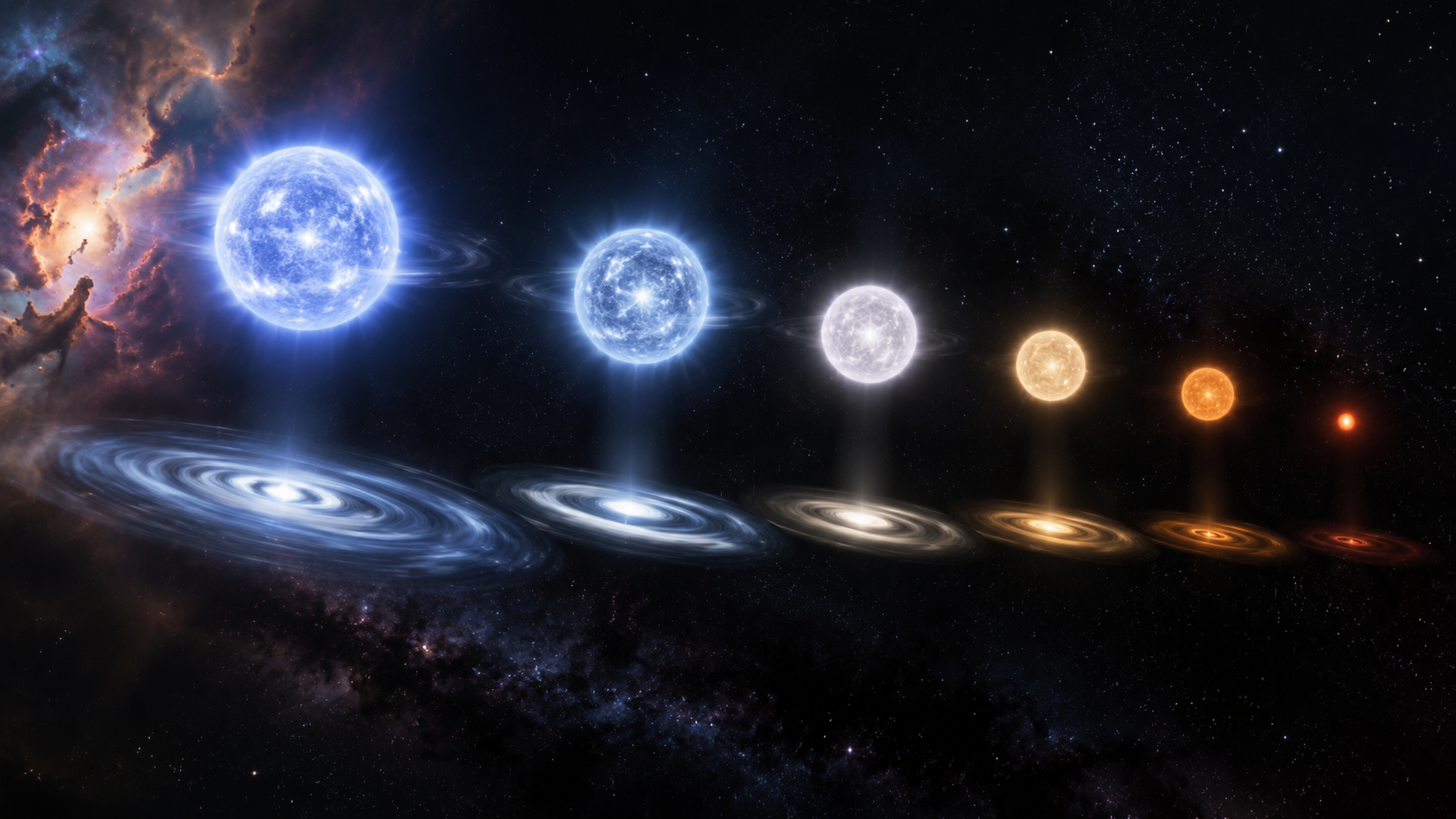
Estimating the Ages of Stars from Their Rotation Speeds
Author: SpacePedia
Theme: Different Methods
Subject: Stellar age
Article Summary: It is not possible to directly measure the age of stars. Instead, strong estimates about their age are made using the star's physical properties. Rotation speed is one of these methods. Especially in Sun-like stars, the rotation speed decreases as they age. Therefore, measuring how fast a star rotates provides an important indicator that can be used to determine its age.
Date: 20-09-2026