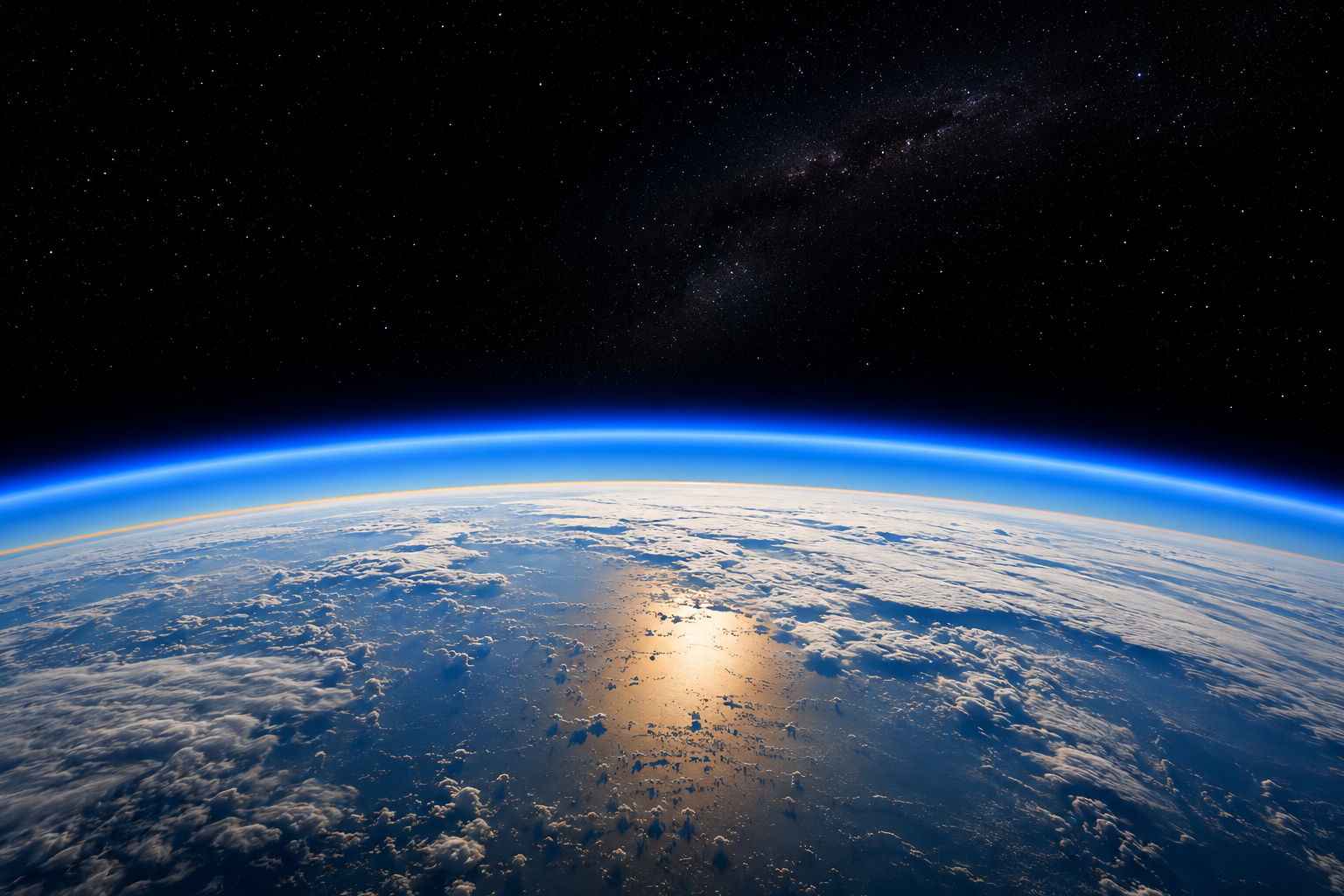
Determining the Beginning of Space
Author: SpacePedia
Theme: General Space
Subject: Kármán Line - The Beginning of Space
Article Summary: The Kármán line is an imaginary boundary accepted at approximately 100 kilometers above Earth's surface and used to define the transition between atmospheric flight and movement in space. The atmosphere does not suddenly end at this altitude; its density gradually decreases as altitude increases. The altitude of approximately 100 kilometers is used to define the region where the atmosphere becomes extremely sparse and the characteristics of aerodynamic flight change significantly.
Date: 14-08-2026
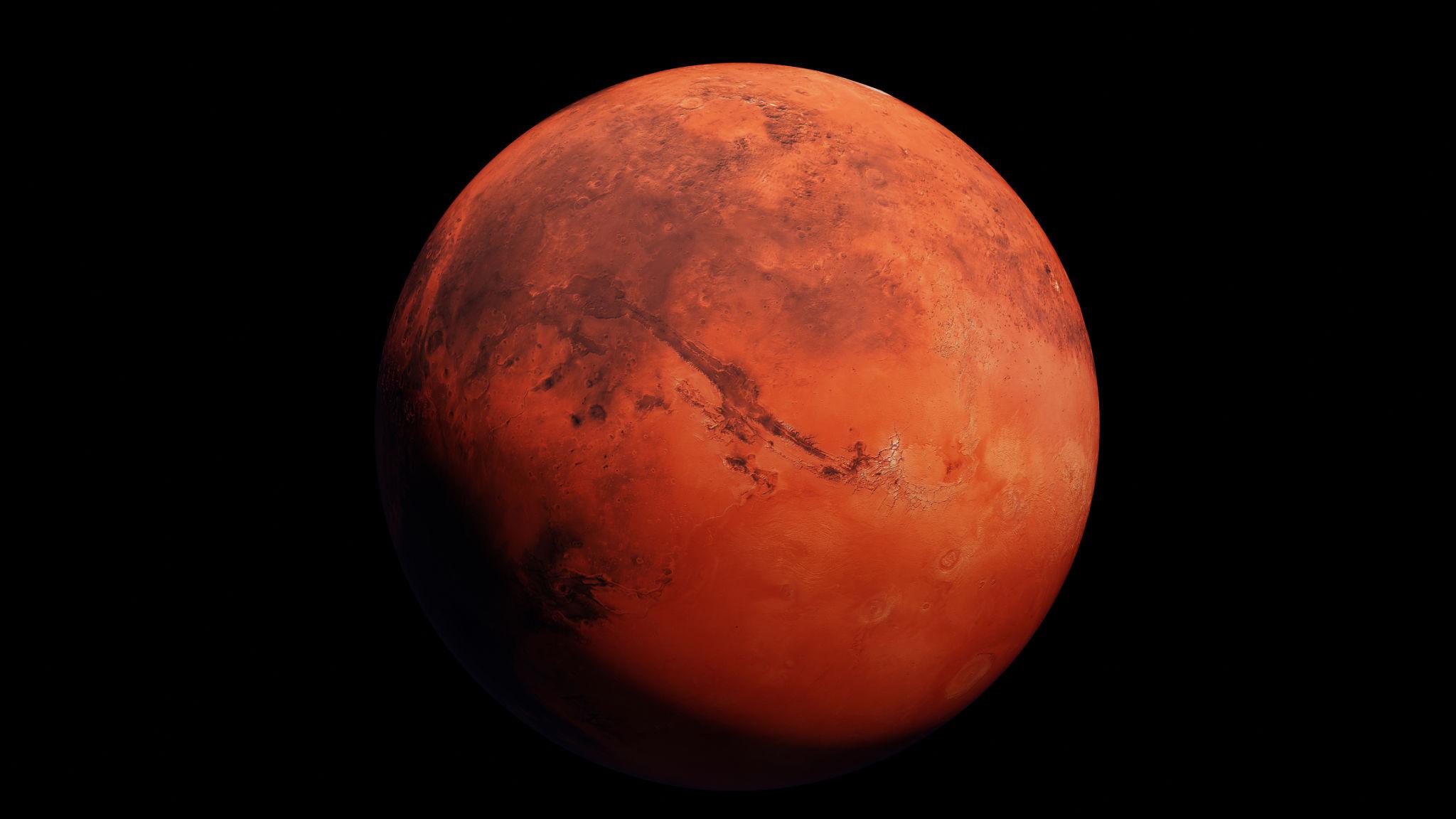
The Mysterious World of the Red Planet
Author: SpacePedia
Theme: Planets
Subject: Mars Planet - Our Red Neighbor
Article Summary: Mars is one of the planets in the Solar System that most closely resembles Earth and is known as the "Red Planet." It gets this color from iron oxide (rust) on its surface. With its thin atmosphere, massive volcanoes, and deep canyons, Mars is one of the most studied planets by scientists because it may have once contained water. Today, Mars is considered a potential candidate for future human life.
Date: 18-03-2026

New Lunar Missions for Humanity within the Artemis Program
Author: SpacePedia
Theme: New Developments
Subject: Artemis Program
Article Summary: The Artemis Program is advancing to restart human lunar exploration and lay the foundation for long-term exploration activities around the Moon. Artemis II paved the way for crewed Artemis missions by passing around the Moon with four astronauts in April 2026. According to the current plan, Artemis III is set to conduct critical docking and landing system tests in Earth orbit in 2027, while Artemis IV aims to land humans on the lunar surface in 2028.
Date: 11-09-2026
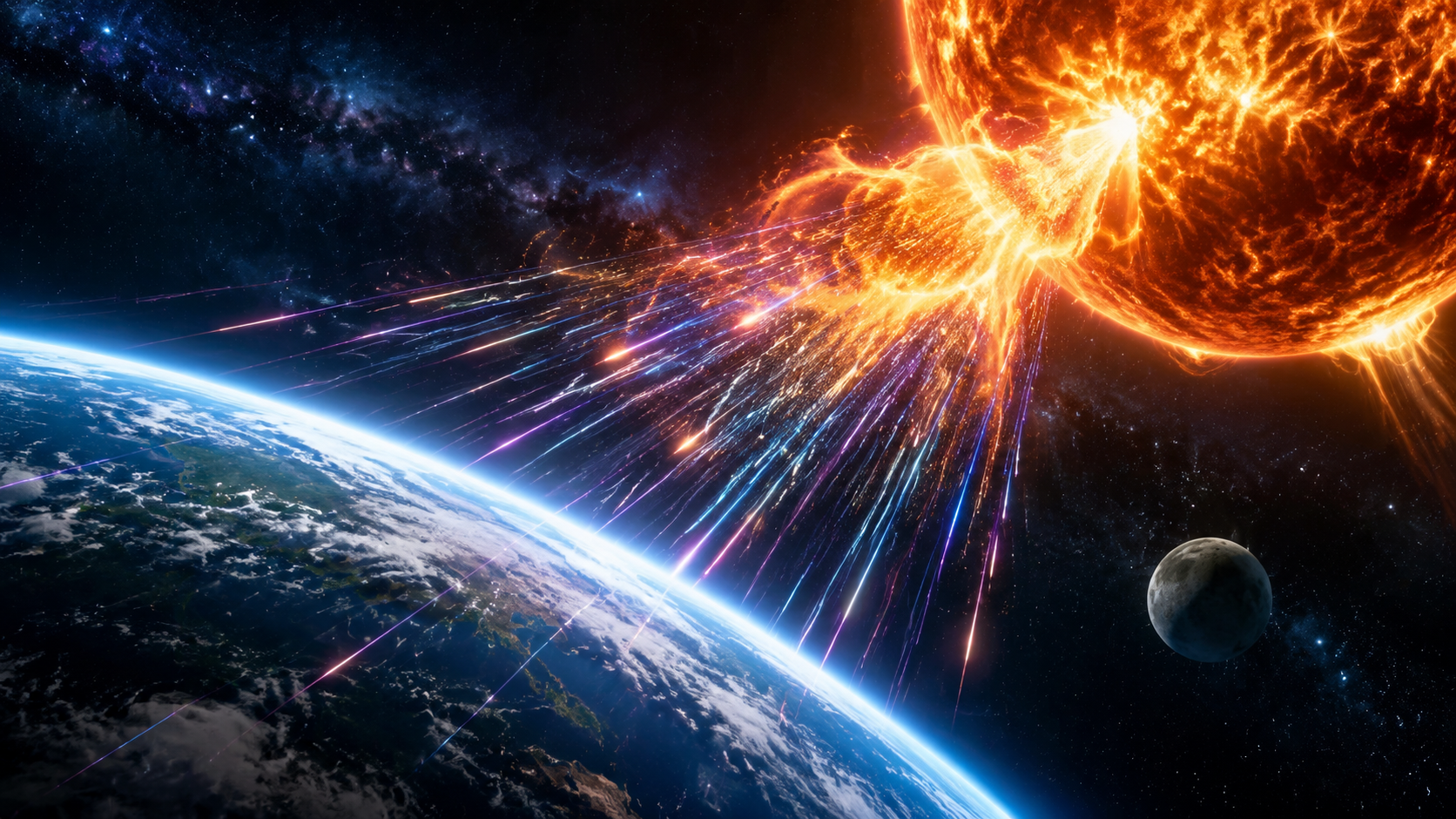
Sources of Cosmic Rays and Space Radiation
Author: SpacePedia
Theme: General Space
Subject: Cosmic rays
Article Summary: Cosmic rays are high-energy electrically charged particles that reach Earth from space. Unlike electromagnetic radiation, these particles arrive as a direct flow of matter. Supernova explosions, high-energy stellar remnants, and other extreme cosmic environments are the main candidates involved in the formation of these particles. Nevertheless, the exact celestial sources of the highest-energy cosmic rays have not yet been fully determined.
Date: 20-09-2026
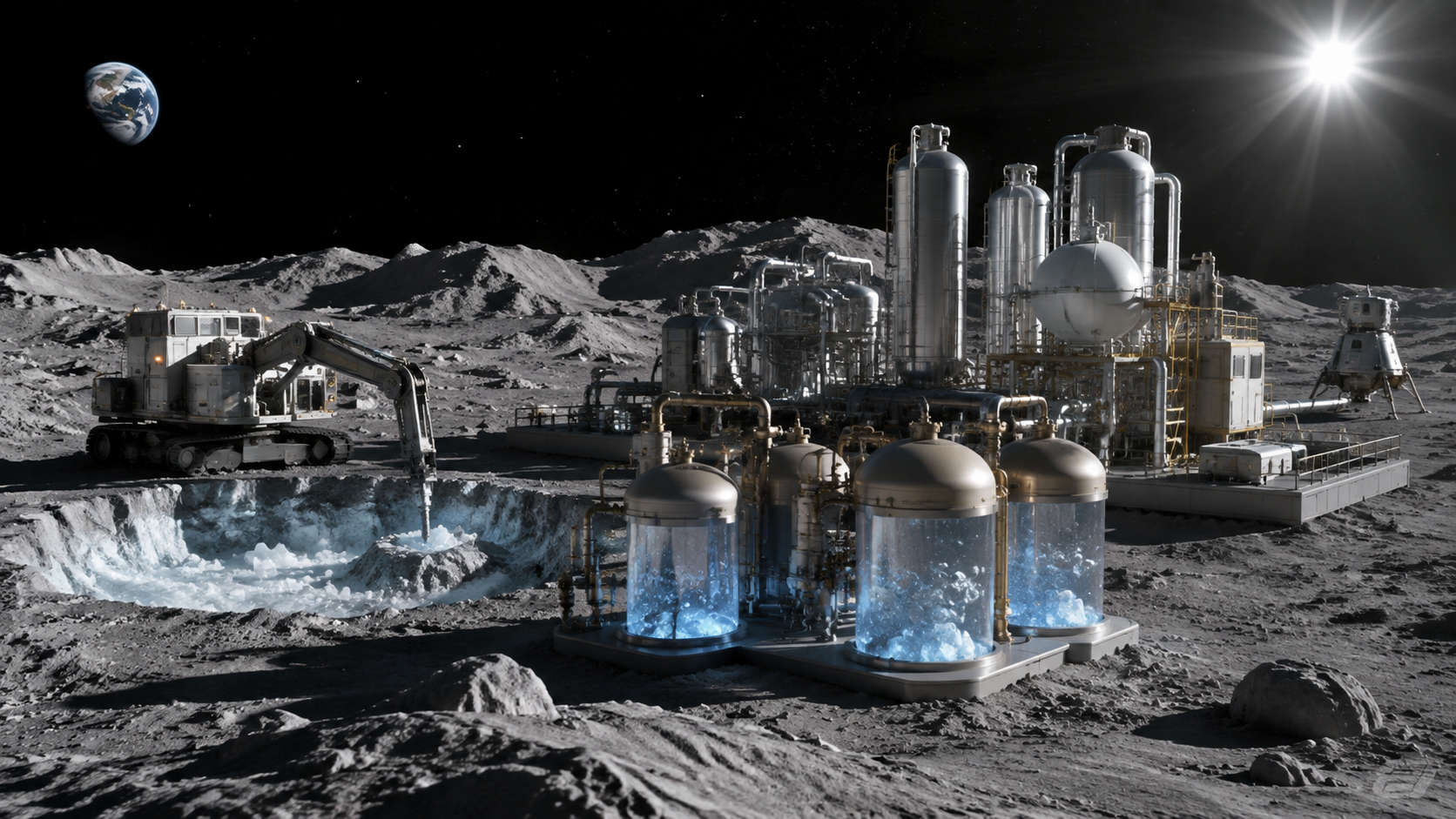
The Possibility of Producing Space Fuel from Water Ice on the Lunar Surface
Author: SpacePedia
Theme: New Developments
Subject: Fuel production on the Moon
Article Summary: Water ice found in the Moon's polar regions stands out as an important natural resource that could be used in future space missions. Water obtained from this ice can be separated into hydrogen and oxygen and utilized in rocket fuel production. Such a system could transform the Moon into a significant logistical hub for refueling spacecraft in the future.
Date: 20-09-2026
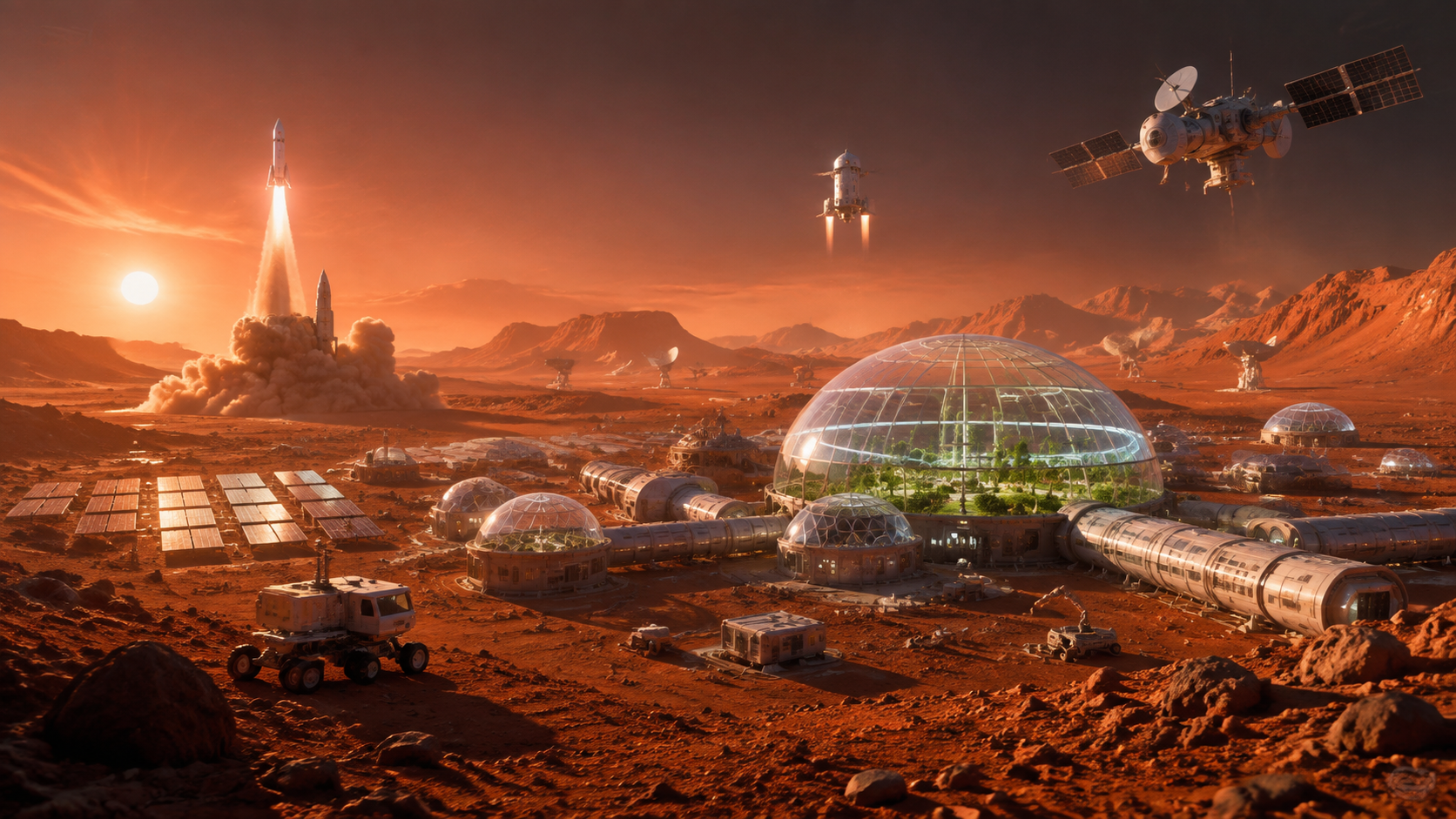
Plans for Mars Colonization and Next-Generation Research
Author: SpacePedia
Theme: New Developments
Subject: Mars Colonization
Article Summary: The idea of establishing permanent human settlements on Mars is one of the main goals of studies investigating whether long-term life is possible beyond Earth. The fact that liquid water cannot remain stable on the surface of Mars for long today, its very thin atmosphere, low temperatures, and high levels of radiation create serious challenges for human life. Therefore, simply sending humans to the surface will not be enough to establish a settlement on Mars; many systems such as shelter, water and oxygen production, energy supply, food production, and radiation protection will need to operate for extended periods. Today, Mars research primarily focuses on studying the planet's geology, traces of past water, atmosphere, and resources that may be necessary for life, while technologies required for future crewed missions are being developed in parallel.
Date: 19-09-2026
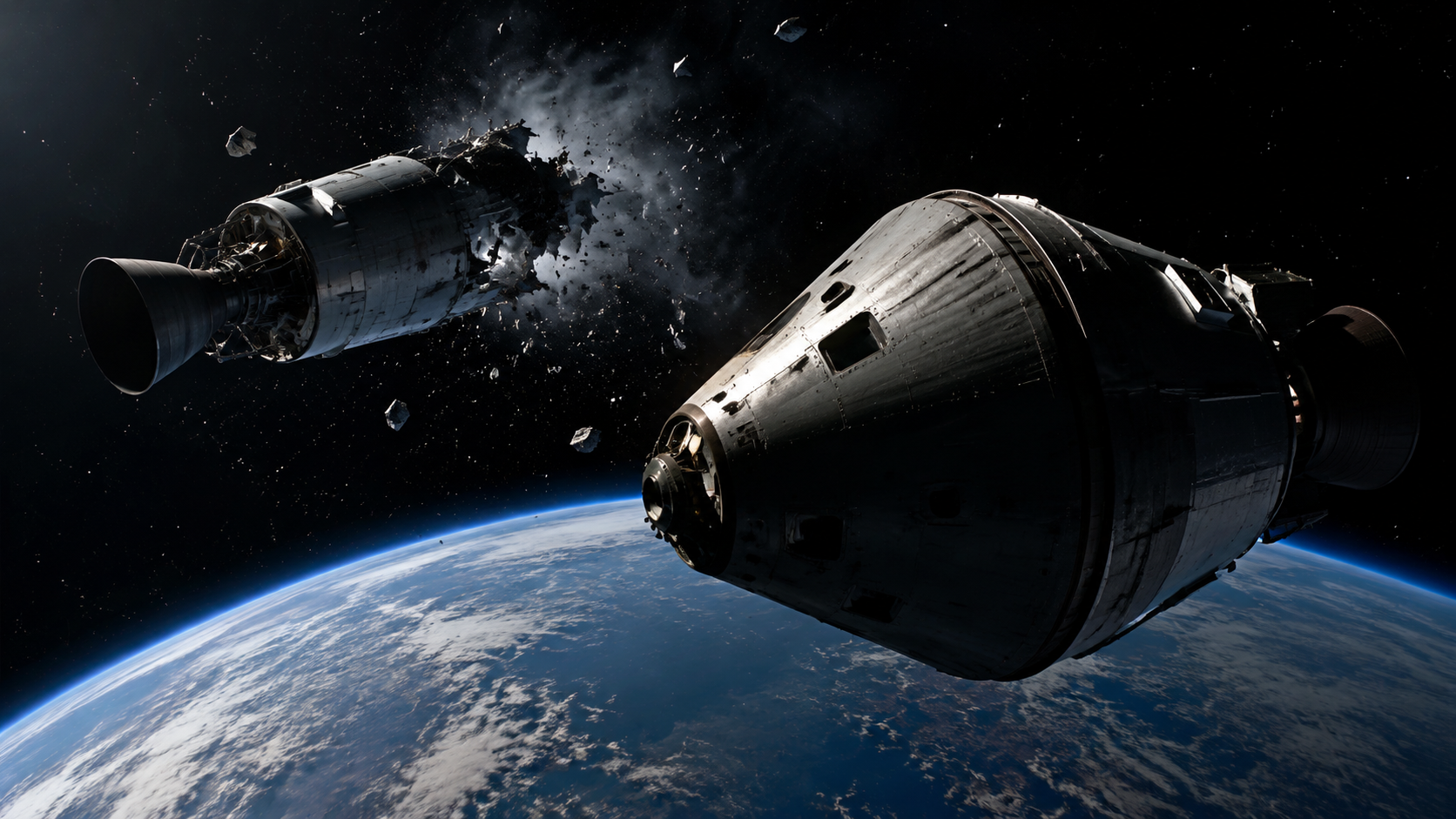
The Story of the Apollo 13 Crew's Survival After the Major Explosion in Space
Author: SpacePedia
Theme: Accidents
Subject: Apollo 13 accident and the crew's return to Earth
Article Summary: The Apollo 13 mission was launched toward the Moon on April 11, 1970, with a crew consisting of James Lovell, Jack Swigert, and Fred Haise. On the third day of the mission, the explosion of one of the oxygen tanks in the Service Module caused severe damage to the spacecraft's power generation system and life support arrangement. As the normal systems of the Command Module became unusable, the crew had to use the Lunar Module as a temporary living space and as the necessary vehicle for return. The mission control team on Earth developed solutions to conserve the limited supplies of electricity, oxygen, and water; meanwhile, the crew abandoned the lunar landing and set a course to loop around the Moon and return to Earth. An improvised device was created to connect incompatible filters from the Command Module to prevent carbon dioxide buildup. After the Lunar Module took on most of the life support and navigation duties during the return to Earth, it was jettisoned. The crew returned safely to Earth on April 17, 1970.
Date: 19-09-2026
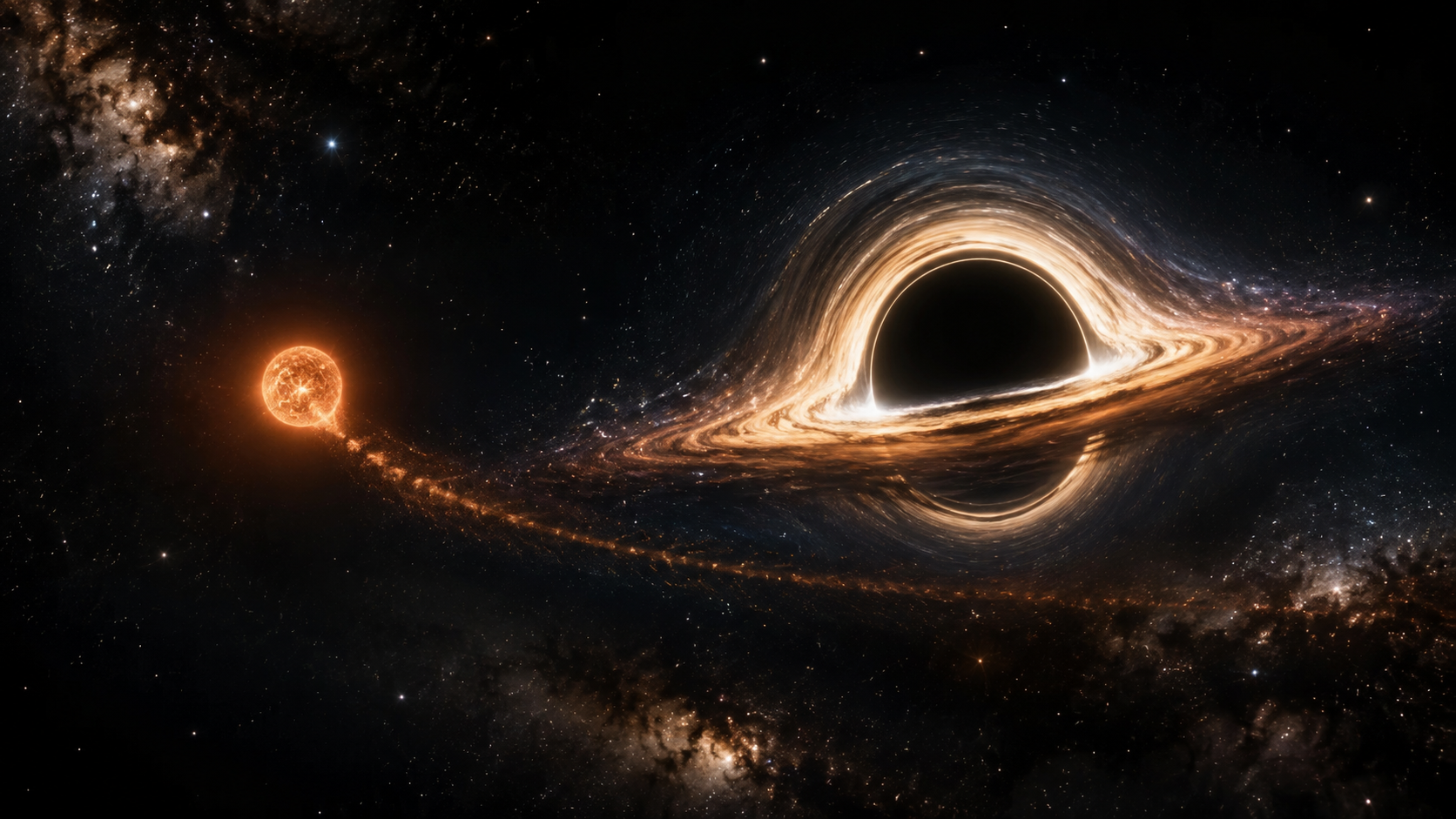
Time Dilation Due to the Massive Gravitational Pull of Black Holes
Author: SpacePedia
Theme: Black Holes
Subject: Time Dilation
Article Summary: The powerful gravity of black holes affects not only the movement of matter and light, but also causes time to be measured at different rates by different observers. According to the theory of general relativity, time passes more slowly in a strong gravitational field created by a massive object compared to a distant observer. This effect becomes more pronounced as one approaches a black hole and becomes extremely strong near the event horizon. A distant observer can measure a clock approaching a black hole as ticking more and more slowly, and appearing to move extremely slowly near the event horizon. In contrast, an observer falling into the black hole feels that their own clock is running normally. This shows that time is not an absolute concept progressing at the same rate for everyone, and that space-time is affected by gravity.
Date: 19-09-2026
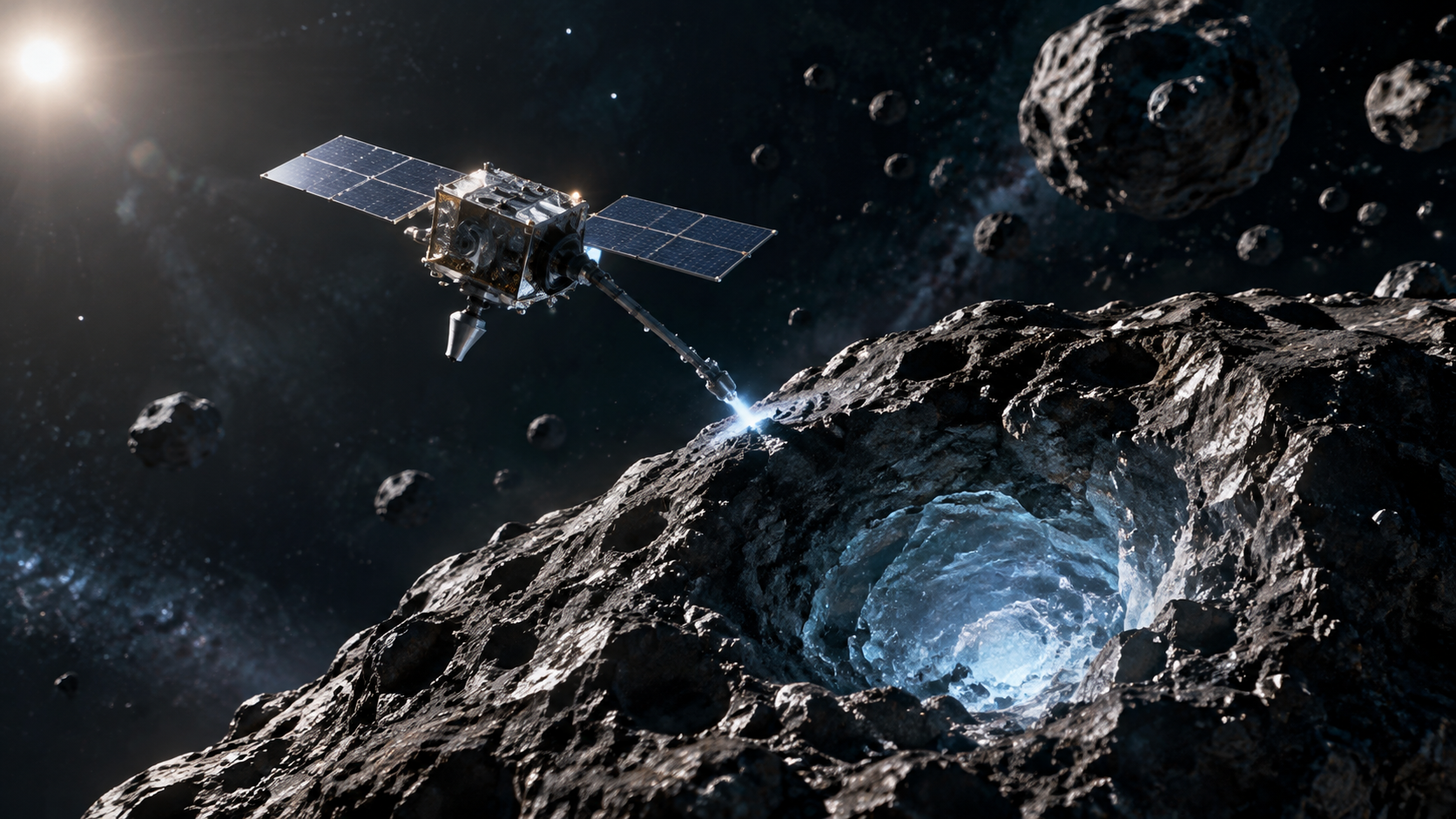
Investigation of Water and Metal-Bearing Resources in Asteroids
Author: SpacePedia
Theme: New Developments
Subject: Asteroid resources
Article Summary: Asteroids are a diverse group of celestial bodies that contain not only rock and metal, but also various minerals and volatile substances. While some asteroids contain water-bearing minerals, others have a structure richer in metals. This diversity makes asteroids important both for understanding the history of the Solar System and for exploring natural resources that could be used in space in the future.
Date: 20-09-2026
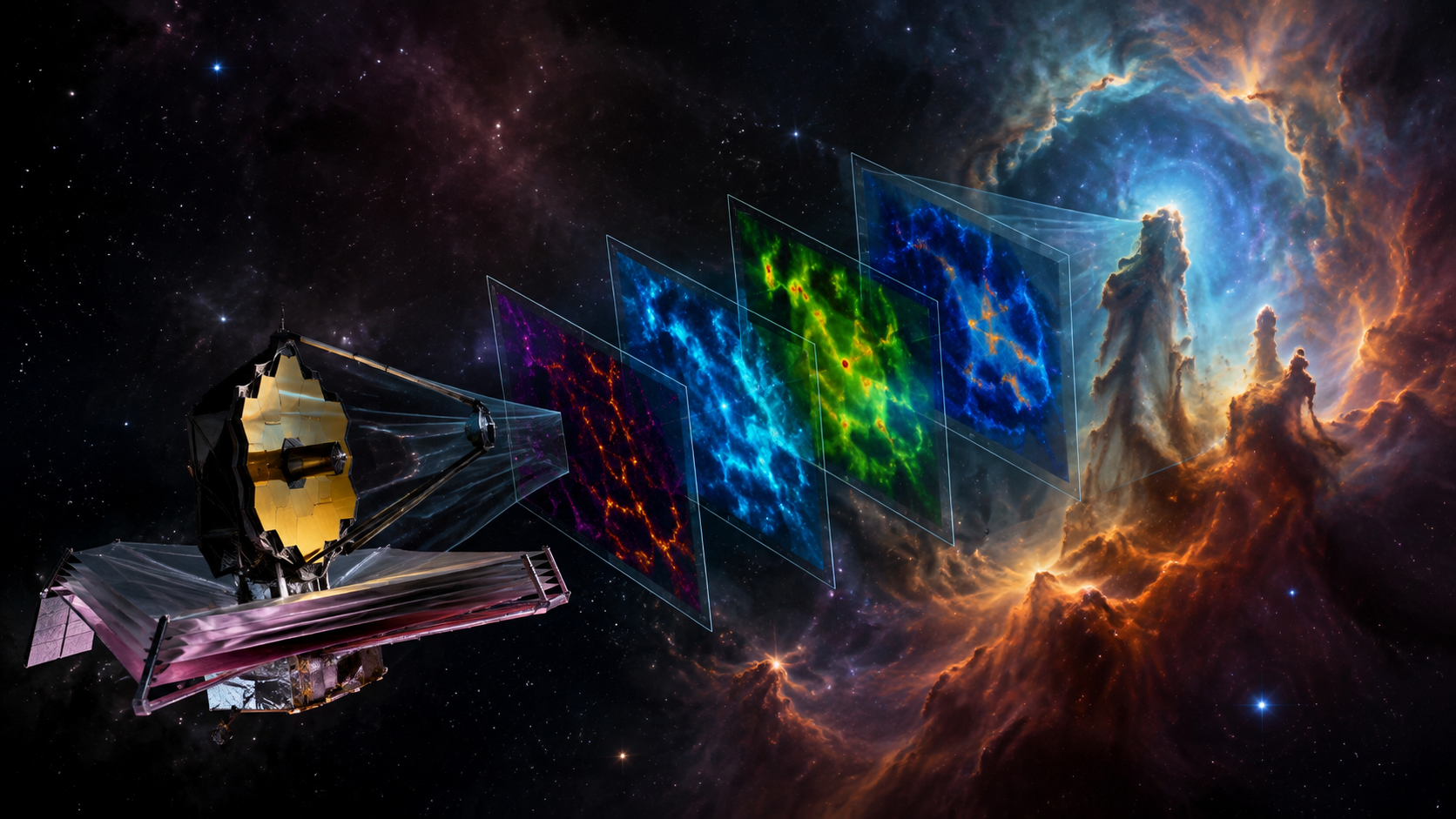
Mapping the Chemical Composition of Gas and Dust Clouds Within Nebulae
Author: SpacePedia
Theme: Nebulae
Subject: Chemical mapping
Article Summary: Nebulae are complex cosmic structures where gas and dust at different temperatures coexist. Observations at various wavelengths are conducted to determine the distribution of hydrogen, helium, and various molecules within them. In particular, radio, submillimeter, and infrared observations allow the study of cold and dense regions inaccessible to visible light.
Date: 20-09-2026
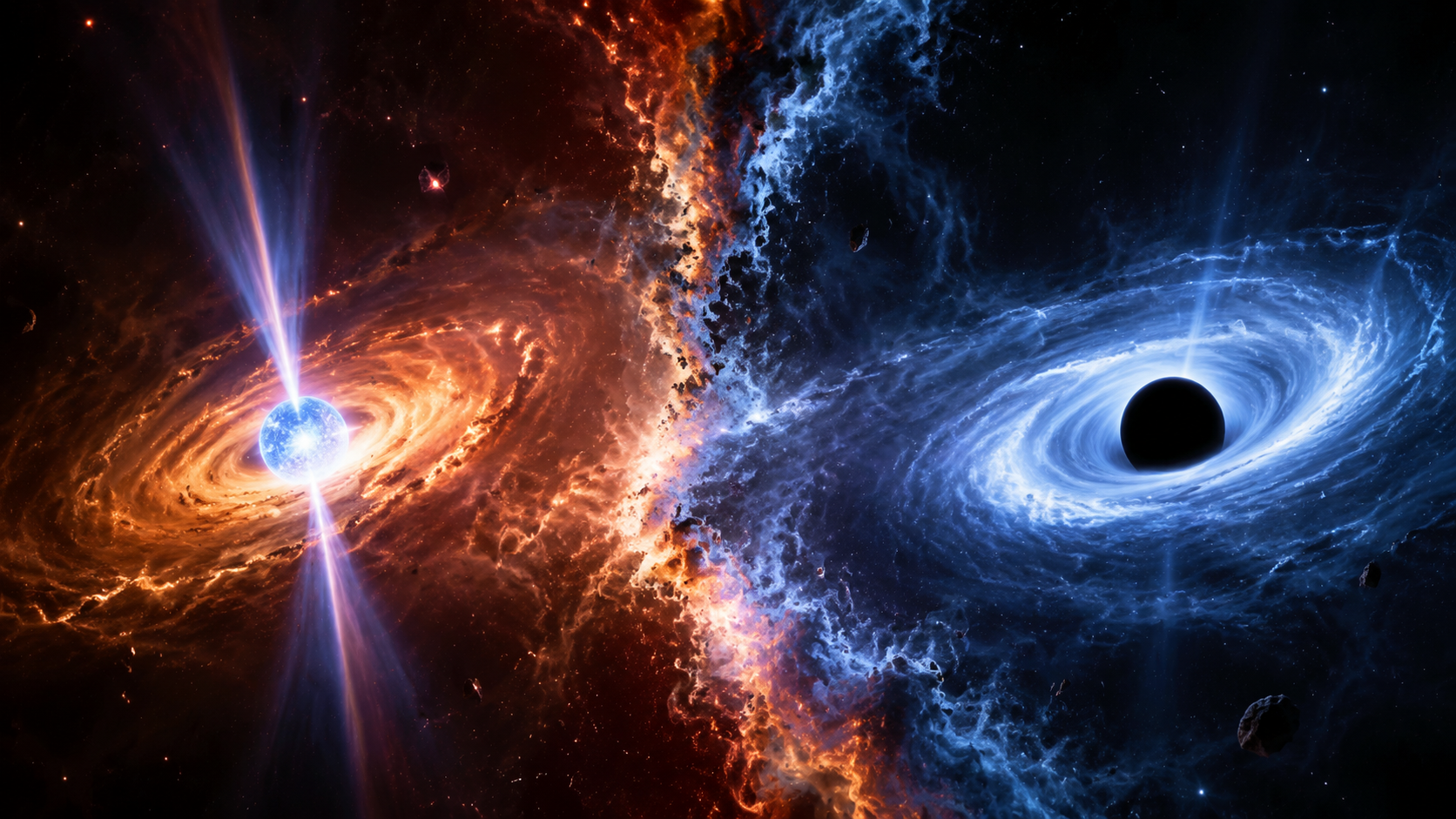
The Critical Physical Process Between Neutron Star and Black Hole Formation
Author: SpacePedia
Theme: Neutron Stars
Subject: Transition from neutron star to black hole
Article Summary: When a massive star leaves behind its core at the end of its life, matter can be compressed into an extraordinarily dense state, forming a neutron star. However, if the mass of this object exceeds the maximum value that can withstand its own gravity, the pressure created by the neutrons can no longer halt the collapse. Once this critical threshold is crossed, the remnant of the star can compress further and transform into a black hole. Not only the total mass is decisive in this process; the rotation rate, the internal structure of the matter, and the pressure properties of dense matter are also important.
Date: 19-09-2026
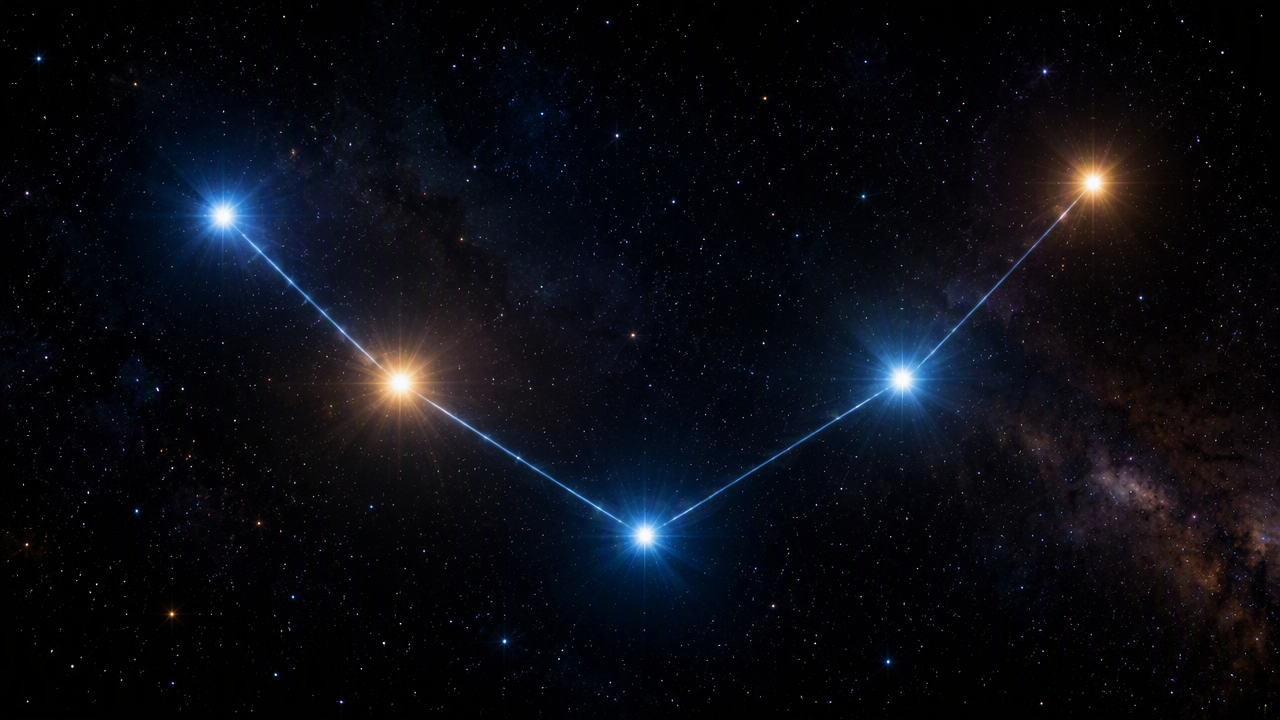
The Characteristics of the Stars That Form Cassiopeia's W Shape
Author: SpacePedia
Theme: Constellations
Subject: The bright stars forming Cassiopeia's distinctive W shape - and their physical properties
Article Summary: Cassiopeia is one of the most easily recognized constellations in the northern sky. It stands out thanks to the distinctive W or M shape formed by its five bright stars. This shape does not mean that the stars are actually in the same plane or close to each other in space. The characteristic appearance is created by the projection of these stars along the same line of sight as seen from Earth. The main stars forming Cassiopeia's shape are Schedar, Caph, Gamma Cassiopeiae, Ruchbah, and Segin. These stars differ from each other in color, temperature, mass, and evolutionary stage. Thus, Cassiopeia's W is in fact an impressive perspective pattern created in Earth's sky by stars that are quite different from one another.
Date: 19-09-2026