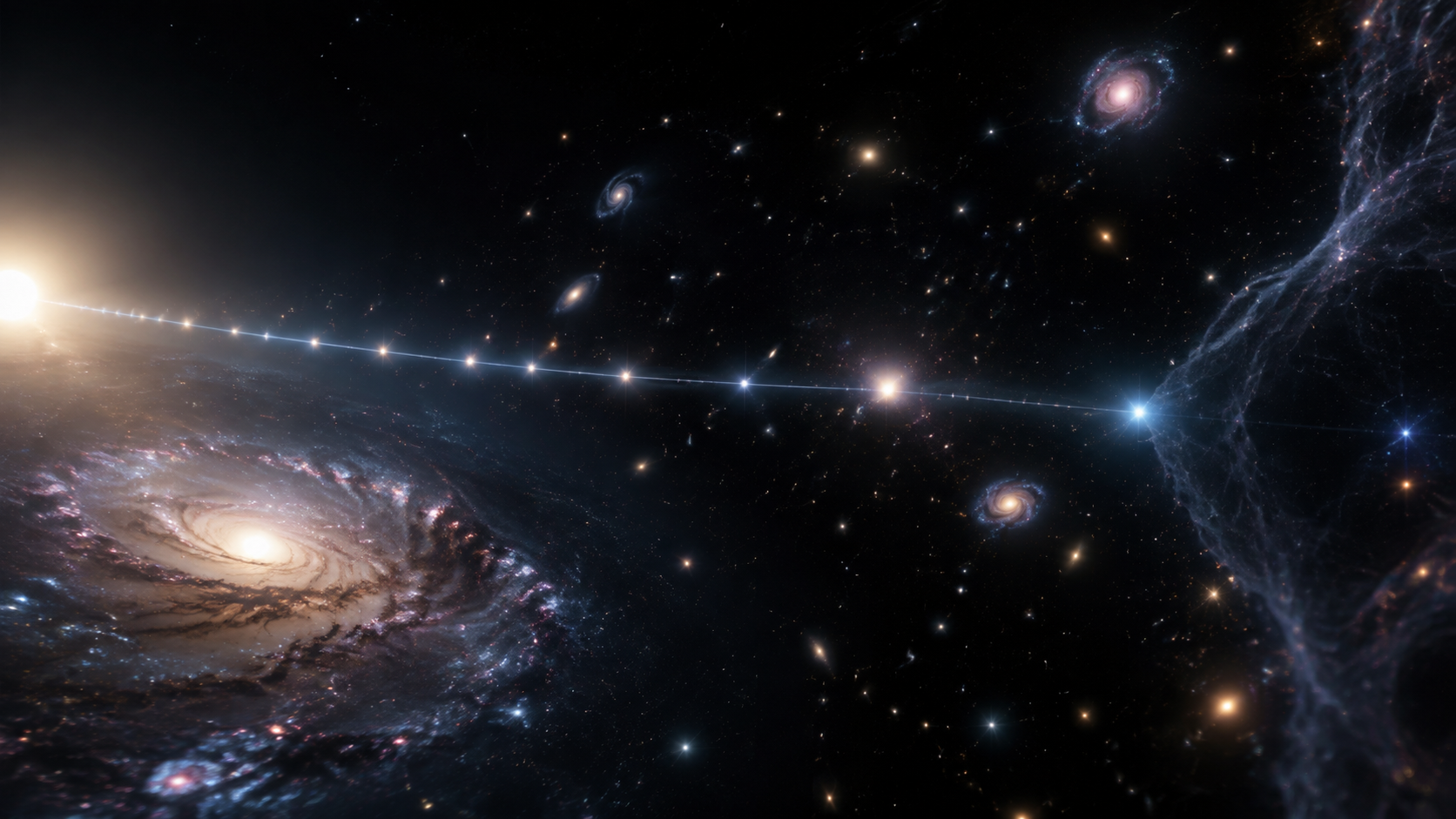
Light Year and Cosmic Scales in Determining the Distances of Distant Galaxies
Theme: General Space
Subject: Cosmic Distances
Article Summary: Cosmic distance units such as light year and megaparsec are used instead of kilometers to express the distances of distant galaxies from Earth. A light year represents the distance light travels in a year in a vacuum, which is approximately 9.46 trillion kilometers. Since light from a galaxy can travel for millions or billions of years to reach Earth, the distance to the galaxy also allows us to see it as it was in the past. However, the distance to very distant galaxies is not determined solely by calculating the path traveled by light. Astronomers calculate cosmic distances using measurements such as the brightness of galaxies, their spectral properties, and the redshift in the wavelength of their light. Thanks to these methods, a wide cosmic distance scale can be established, ranging from nearby galaxies a few million light years away to extremely distant galaxies billions of light years away.
Date: 18-09-2026
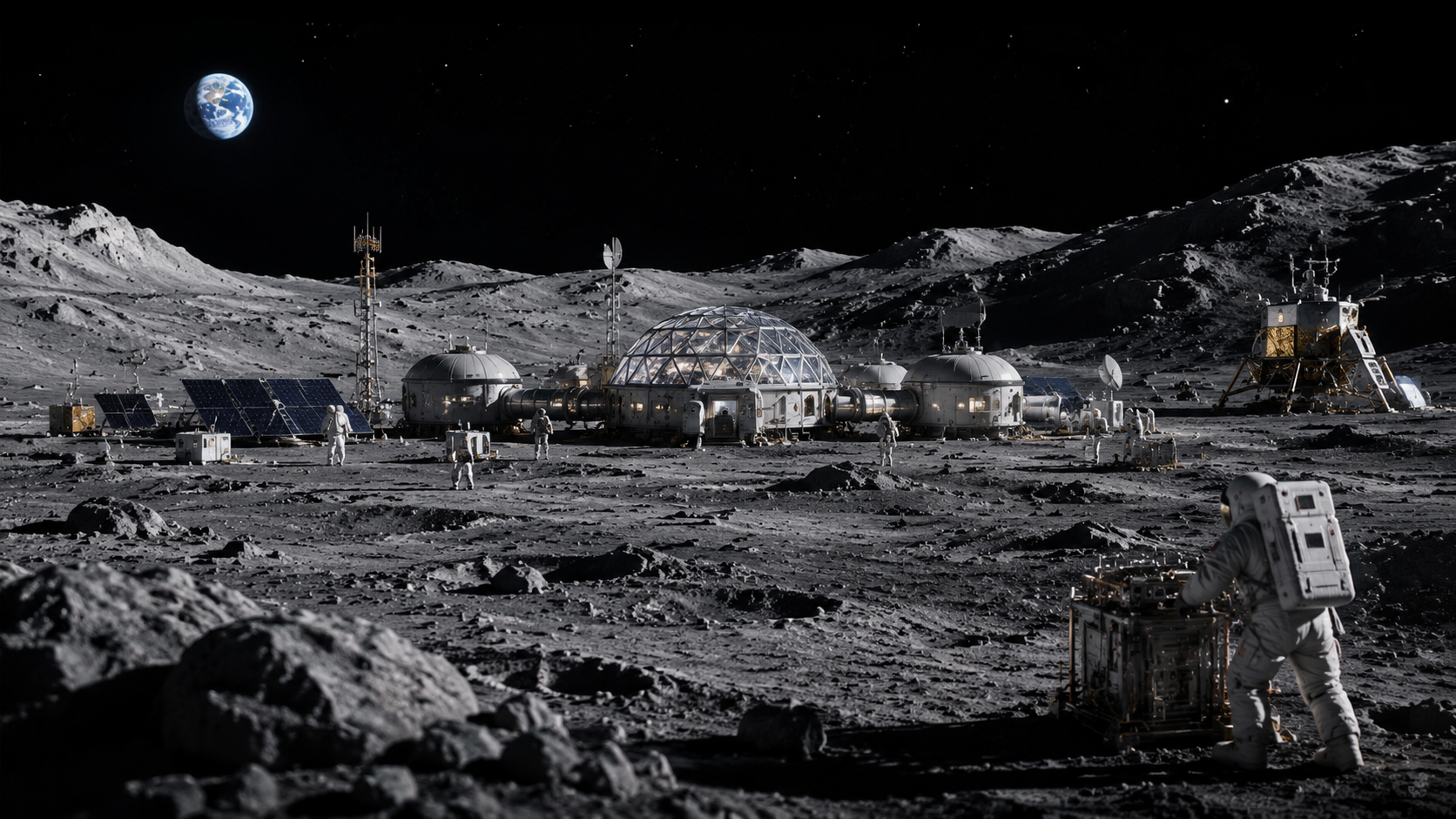
The Race to Establish a Permanent Human Base on the Lunar Surface
Theme: New Developments
Subject: Lunar Base
Article Summary: Efforts to establish a long-term human presence on the lunar surface are progressing from short-term visits toward building a base capable of continuous operation. Current plans particularly highlight the Moon's south pole; this region is considered favorable for base construction due to the potential presence of water ice and the fact that some elevated areas receive sunlight for extended periods. NASA's updated Moon Base approach for 2026 is based on the gradual establishment of robotic missions, cargo landings, power systems, surface vehicles, and habitats. This race is not just about building a living space; it also involves utilizing lunar water and other local resources, developing long-term life support systems, and reducing dependence on the continuous transport of materials from Earth.
Date: 18-09-2026
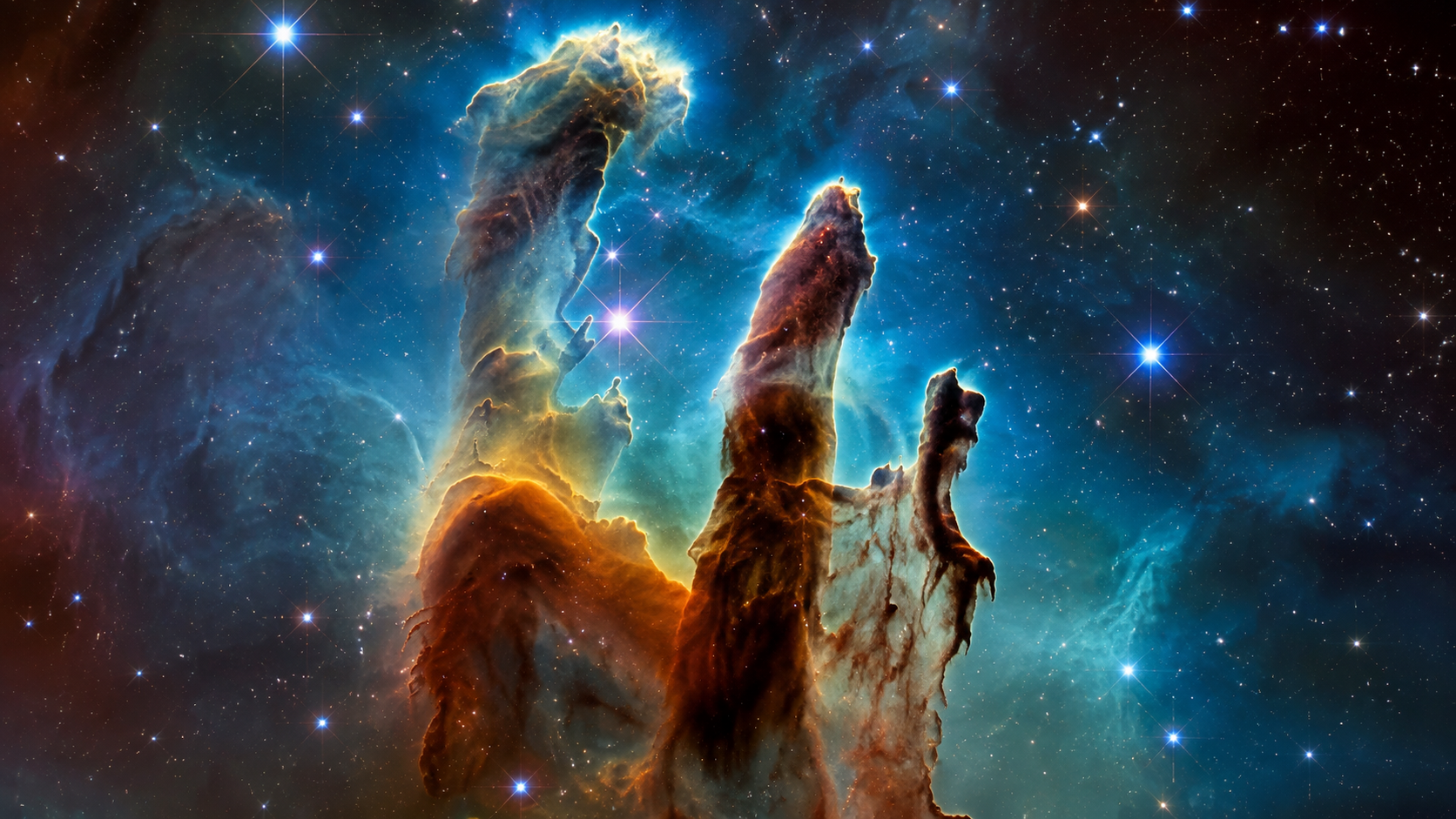
The Mesmerizing View of the Pillars of Creation Inside the Eagle Nebula
Theme: Nebulae
Subject: Pillars of Creation
Article Summary: The Pillars of Creation, located within the Eagle Nebula, are massive pillar-shaped structures composed of dense gas and dust that stretch across light-years. These structures become prominent as the intense radiation emitted by the young, hot stars in their vicinity illuminates the nebular gas and erodes the dense regions. The denser parts of the pillars endure longer than the surrounding sparse material, while less dense gas and dust gradually erode and disperse into space. Since there are regions of dense gas and dust within and around the Pillars of Creation, processes associated with star formation can be observed here. For this reason, the structure is one of the most striking examples of an active cosmic region where stars are born and shape the surrounding material.
Date: 18-09-2026
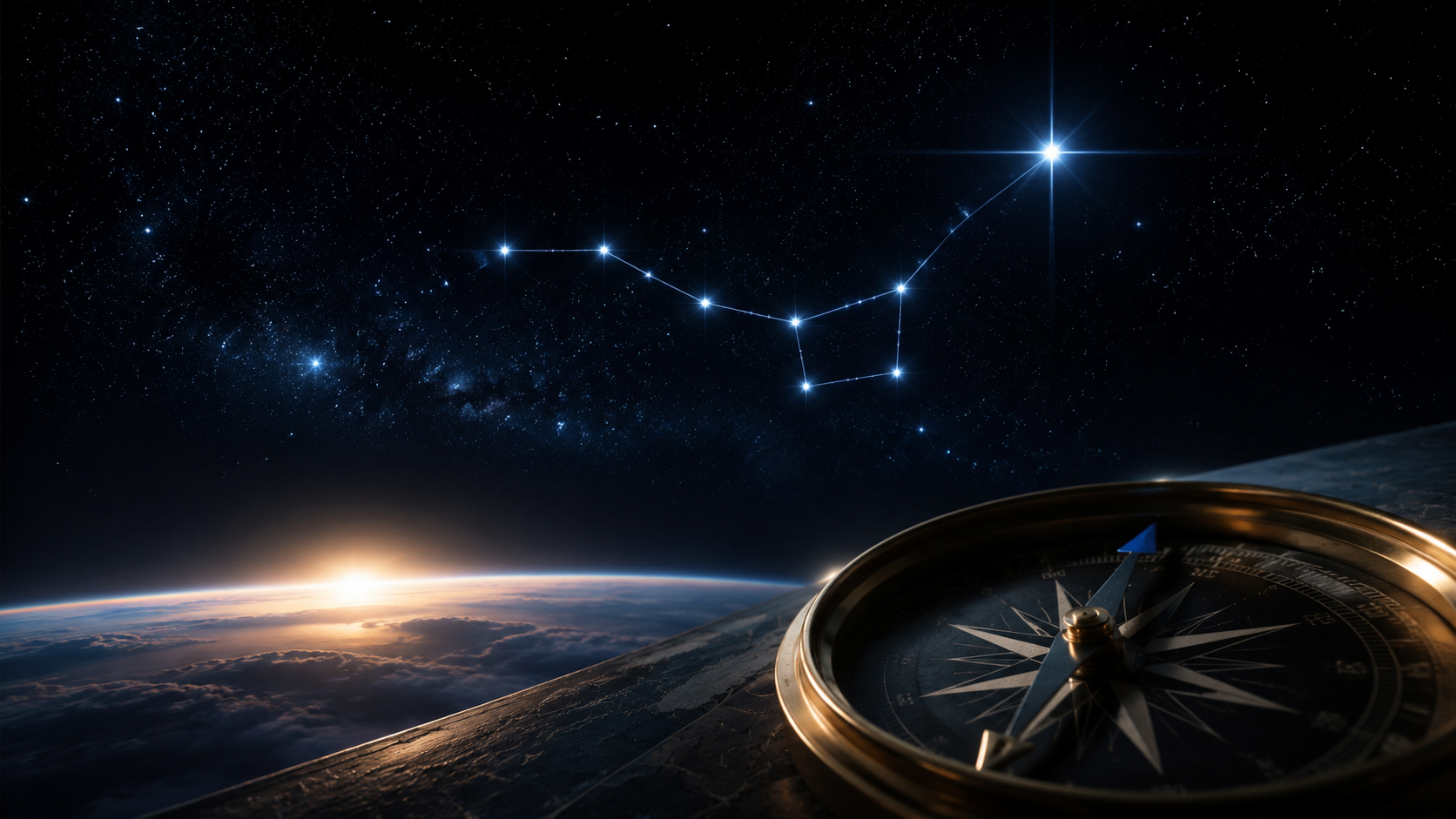
The Critical Role of Ursa Minor and the North Star in Navigation
Theme: Constellations
Subject: Polaris - The North Star
Article Summary: Ursa Minor is a constellation located in the northern sky, with its brightest star being Polaris (the North Star). Polaris can be used for navigation because, unlike other stars, it appears not to move noticeably in the sky. This is because Polaris is positioned very close to the Earth's rotational axis pointing north. While other stars seem to move in arcs across the sky as the Earth rotates, Polaris remains almost stationary. To determine the north direction, one can first locate the region of the sky where Ursa Minor is found; additionally, the position of Polaris can be identified by using the dipper-shaped star group of Ursa Major. The altitude of Polaris above the horizon also gives an approximate indication of the observer's position in the north.
Date: 18-09-2026
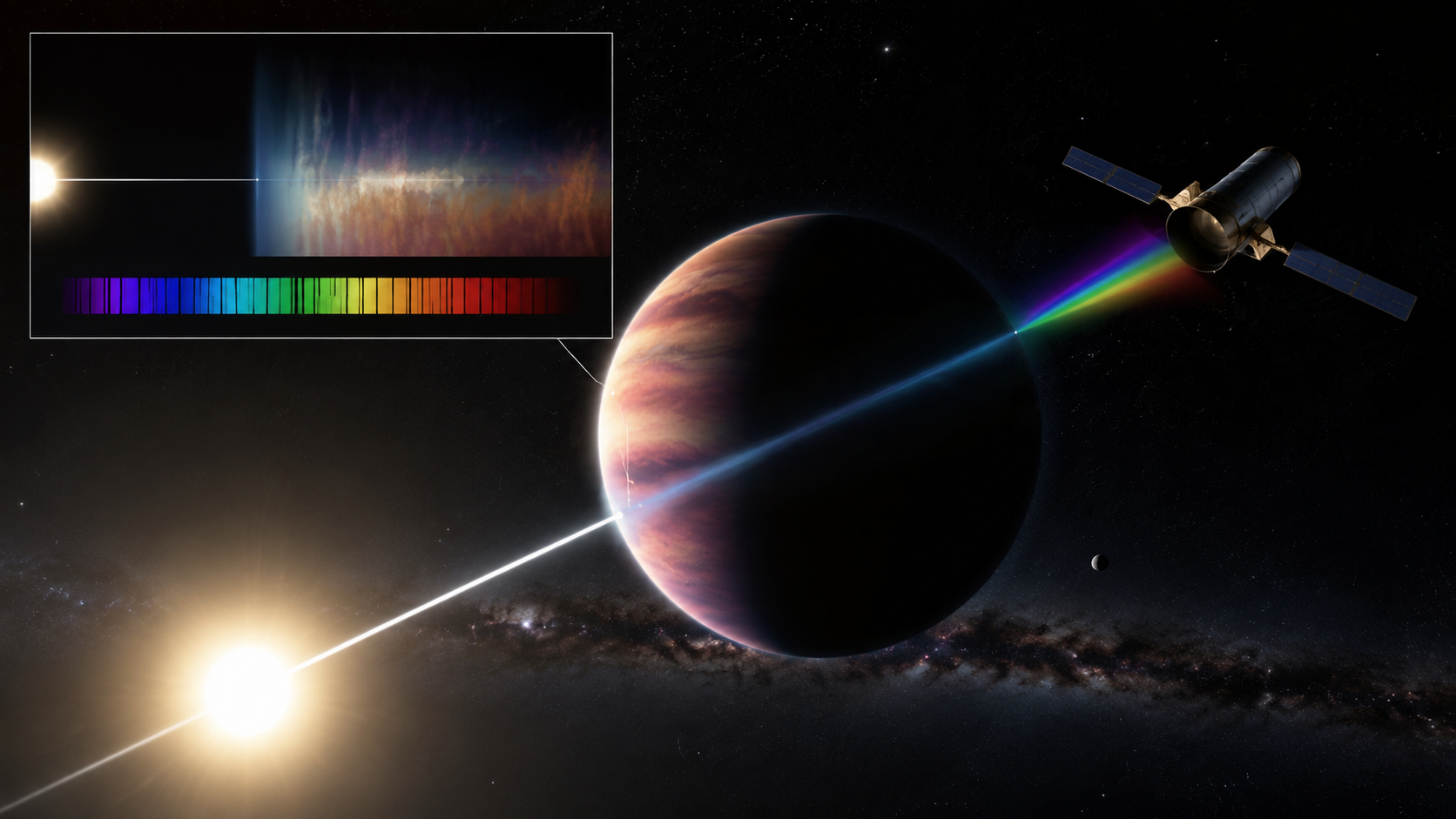
Methods for Studying the Atmospheres of Distant Planets with Spectroscopy
Theme: Different Methods
Subject: Spectroscopy
Article Summary: The atmospheres of exoplanets can be investigated by analyzing the light coming from their star or emitted by the planet itself. Spectroscopy enables the separation of this light into different wavelengths, allowing the identification of traces left by gases in the atmosphere. When a planet passes in front of its star, a small portion of the starlight can pass through the planet's atmosphere. When gases in the atmosphere absorb light at specific wavelengths, characteristic lines appear in the spectrum. By examining these lines, the presence of substances such as water vapor, carbon dioxide, methane, and sodium in the atmosphere can be investigated. Changes in light that occur when the planet passes behind its star can also provide information about the temperature and composition of the atmosphere.
Date: 18-09-2026
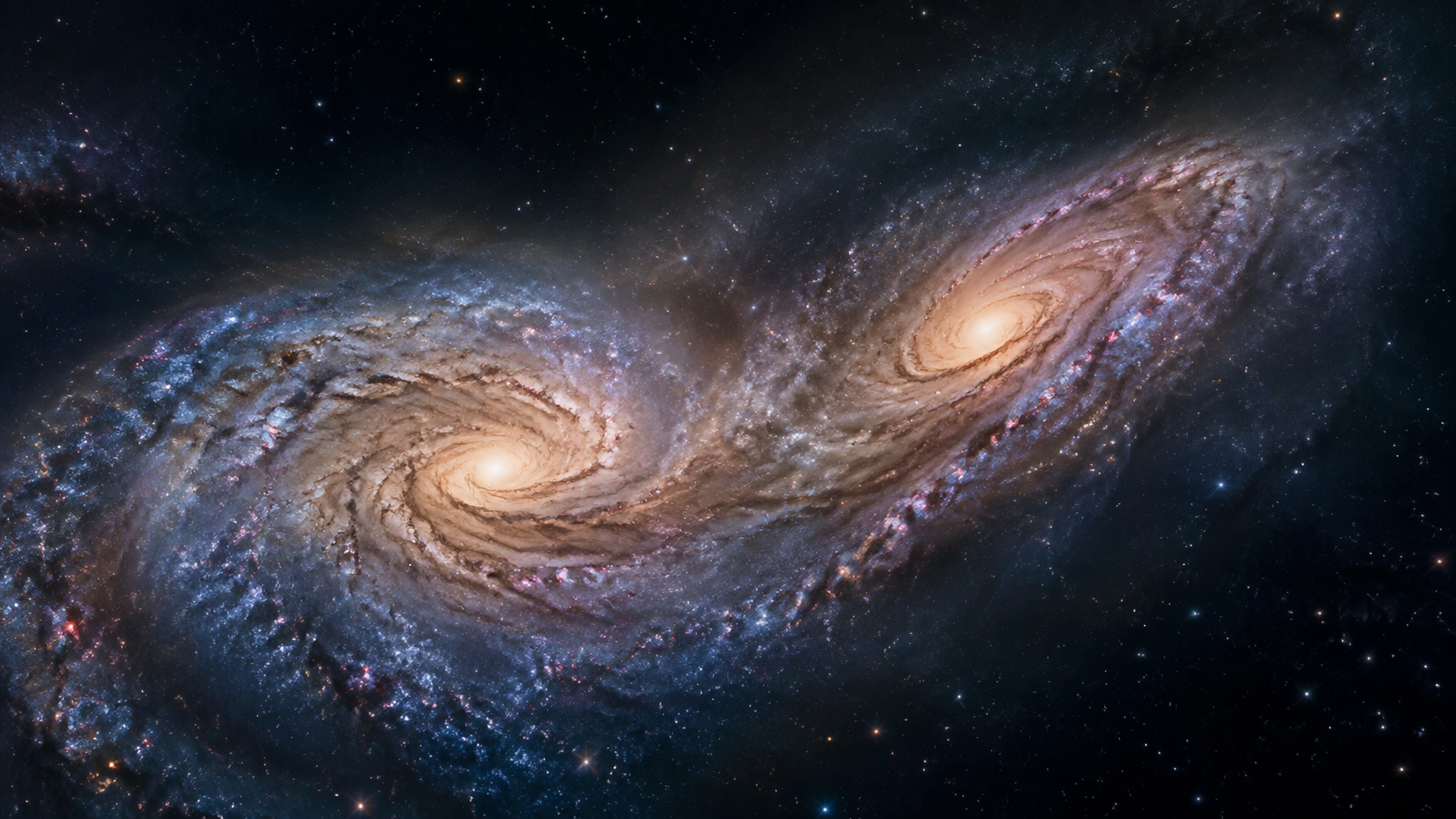
The Future Collision Course of the Andromeda Galaxy with the Milky Way
Theme: Galaxies
Subject: Galaxy Collision
Article Summary: The Andromeda Galaxy is the closest large galaxy to the Milky Way, and the gravitational interaction between the two galaxies is strengthening over time. The motion of Andromeda relative to the Milky Way indicates that the two galaxies could have a close encounter in the distant future. Rather than a simple collision, this process will be a prolonged interaction in which the gravitational forces of the two massive galaxies alter each other's movements. Because the distances between stars within the galaxies are vast, direct collisions between stars are not expected. However, the gas and dust structures of the galaxies may compress, star formation may accelerate, and the shapes of both galaxies could change significantly over time.
Date: 18-09-2026
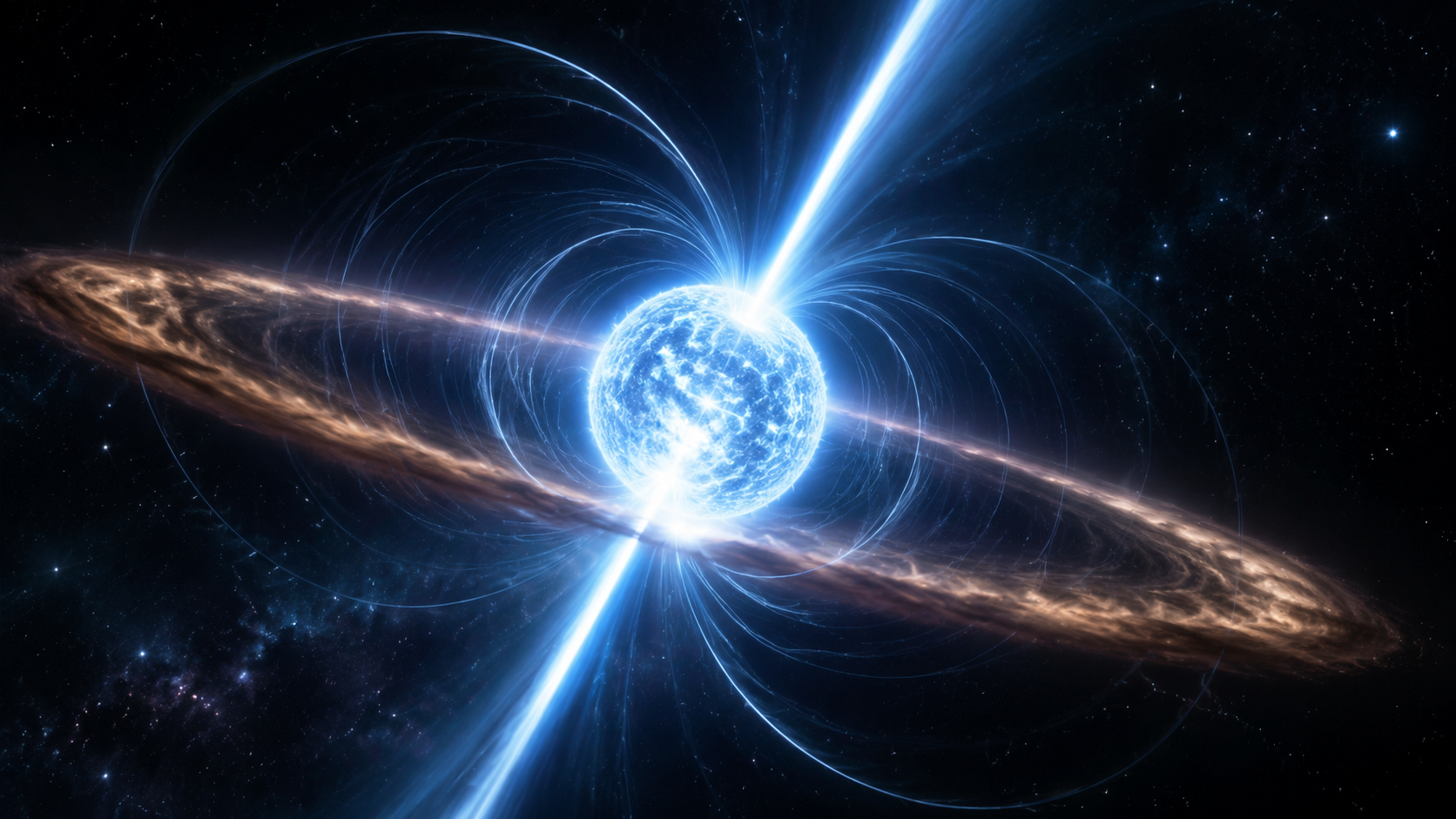
The Rotational Mechanism That Enables Pulsars to Produce Regular Signals
Theme: Neutron Stars
Subject: Pulsars
Article Summary: Pulsars are rapidly rotating types of extremely dense neutron stars left behind after the supernova explosion of massive stars. The strong magnetic fields and rapid rotation of these objects can cause electromagnetic radiation to be emitted into space in narrow beams from their polar regions. During rotation, these beams sweep through space like the light of a lighthouse. Each time one of the beams passes over Earth during a rotation, a regular signal can be detected. Therefore, the signals from pulsars are repeated at extremely regular intervals, directly linked to the star's rotation period.
Date: 17-09-2026
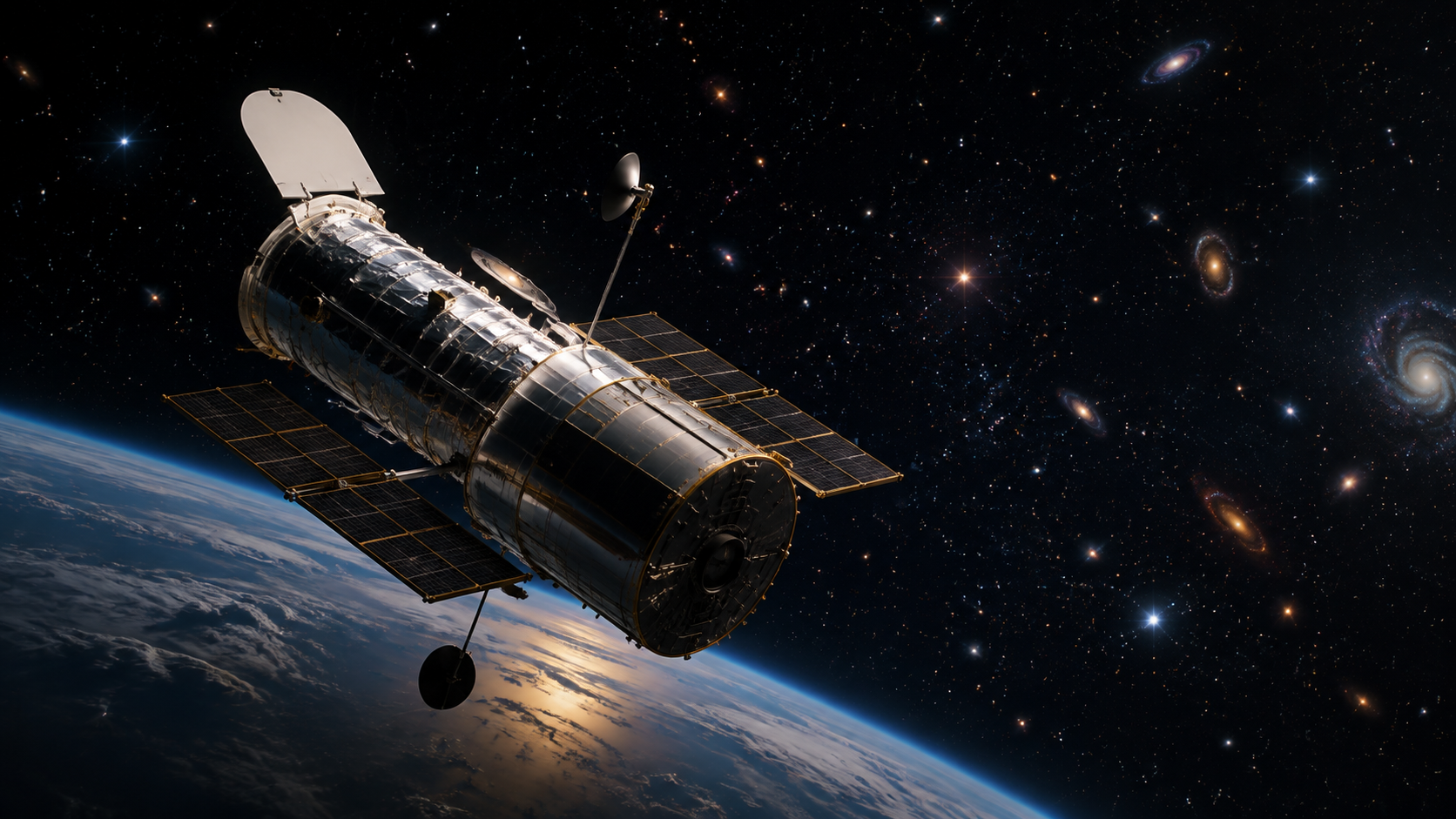
Hubble Space Telescope's Journey to See the Depths of the Universe
Theme: Spacecraft
Subject: Hubble Space Telescope
Article Summary: The Hubble Space Telescope is a space telescope that operates above Earth's atmosphere, observing light from distant celestial objects. Launched into space in 1990, Hubble can obtain highly detailed astronomical images because it is largely free from effects such as the absorption of light and image blurring caused by the atmosphere. Over the years, Hubble has observed stars, nebulae, galaxies, and other distant cosmic structures, and has drawn particular attention with its deep space images that require very long exposures. These observations have made it possible to study the light from very distant galaxies and from different eras of the universe.
Date: 17-09-2026
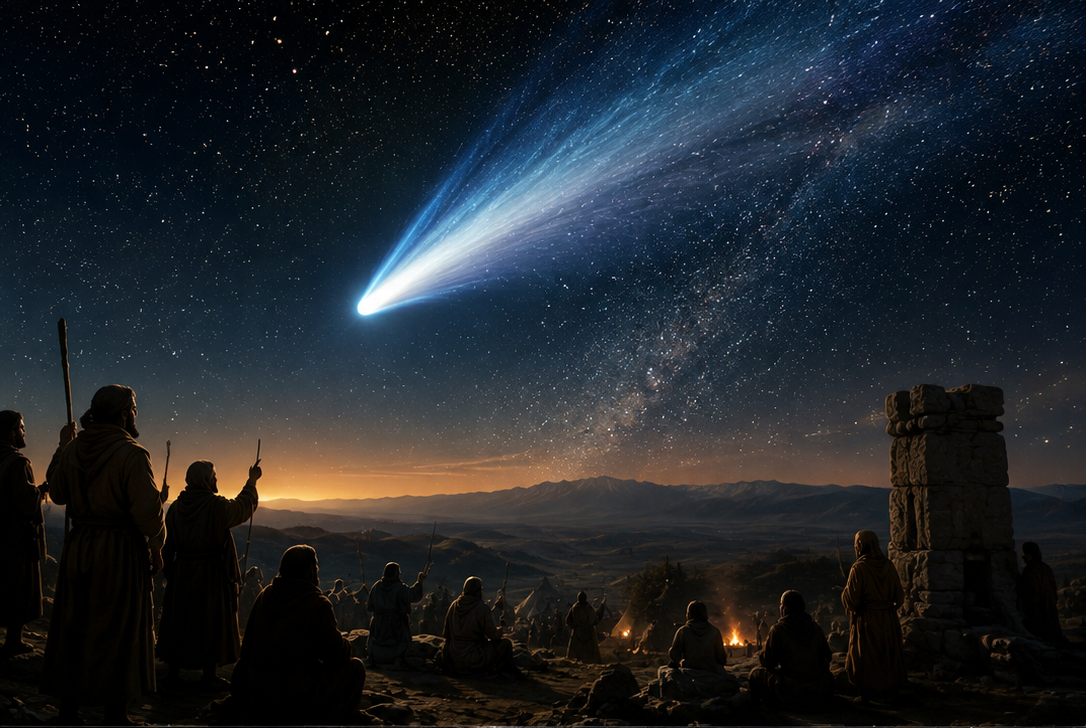
The Place of Halley's Comet in Human History
Theme: Comets
Subject: Halley - Comets
Article Summary: Halley's Comet has played a significant role in changing humanity's perspective on comets, thanks to its repeated appearances in the sky. In particular, Edmond Halley's discovery that comets observed in different periods were actually the same celestial object demonstrated that these visits were not random events, but the result of a regular orbital motion. Thus, comets ceased to be mysterious objects appearing in the sky and became celestial bodies that could be calculated and predicted.
Date: 17-09-2026
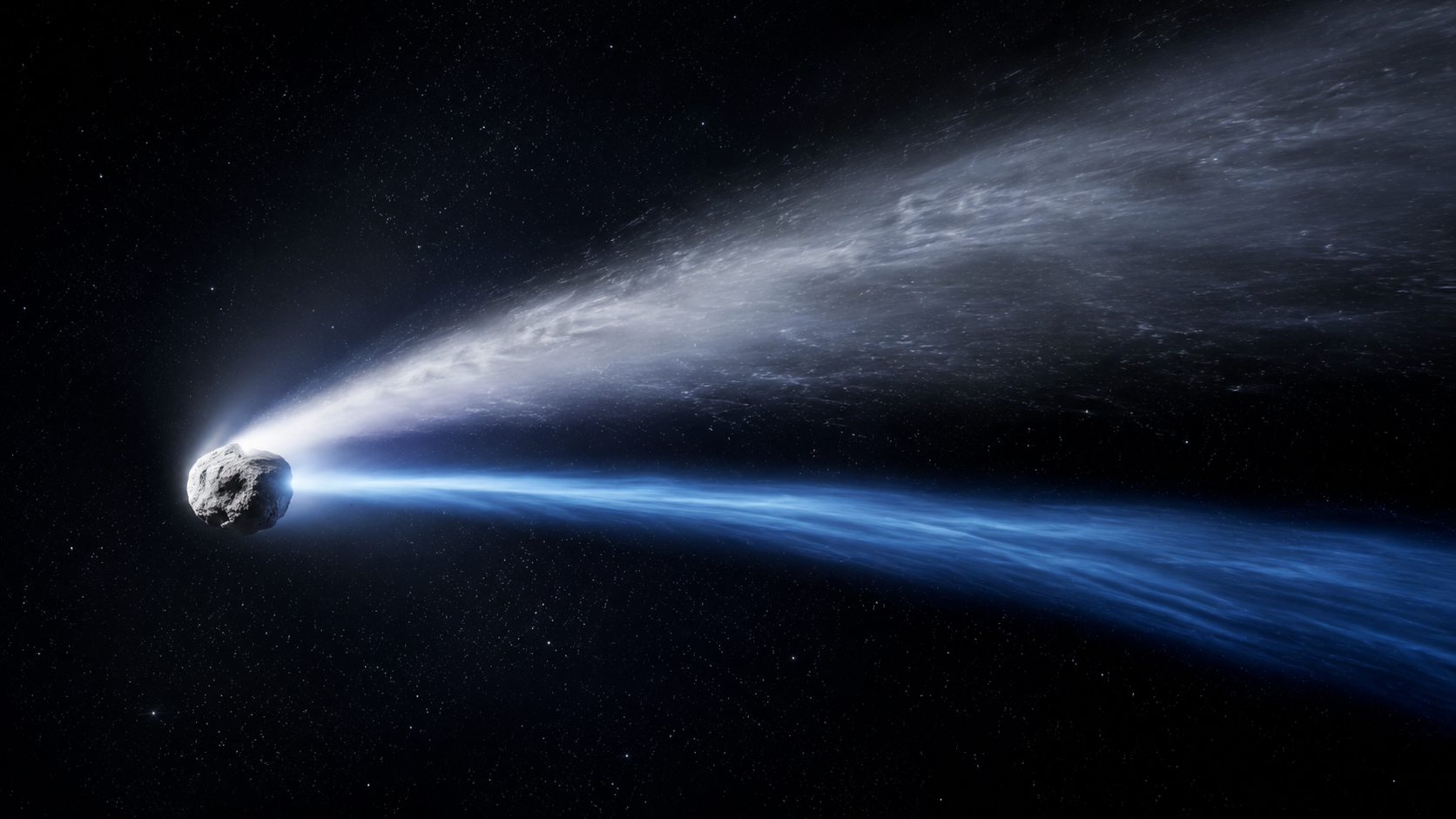
The Dual Tail Structure Created by Solar Winds in Comets
Theme: Comets
Subject: Dual Tail
Article Summary: Comets are celestial bodies that release gas and dust as the ice on their surfaces warms up when they approach the Sun. This material, produced during the approach to the Sun, can give rise to two distinct tail structures due to the effects of solar winds and solar radiation. The ion tail is composed of ionized gas and generally extends in the direction opposite to the Sun as it interacts with the solar wind. The dust tail, on the other hand, consists of larger dust particles and can curve into a different direction under the influence of the pressure exerted by sunlight and the motion of the comet. Therefore, two tails with different orientations can be observed around a single comet.
Date: 16-09-2026
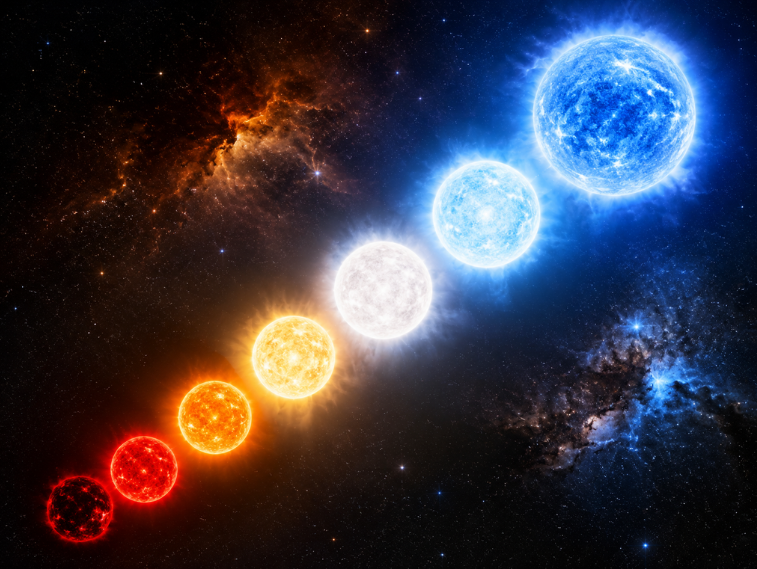
What Star Colors Tell Us About Surface Temperatures
Theme: Stars
Subject: Star Colors
Article Summary: The color of a star is one of the fundamental features that directly provides information about its surface temperature. The wavelengths of light emitted by stars vary depending on their temperatures. Hotter stars appear in blue and blue-white tones, while cooler stars tend toward orange and red hues. Yellow-white stars are found in the middle of this temperature range. The Sun's yellow-white appearance is related to its surface temperature of about 5,500 °C. The colors of stars are not just a visual difference; when the spectrum of their light is analyzed, measurable information about the star's surface temperature can be obtained.
Date: 16-09-2026
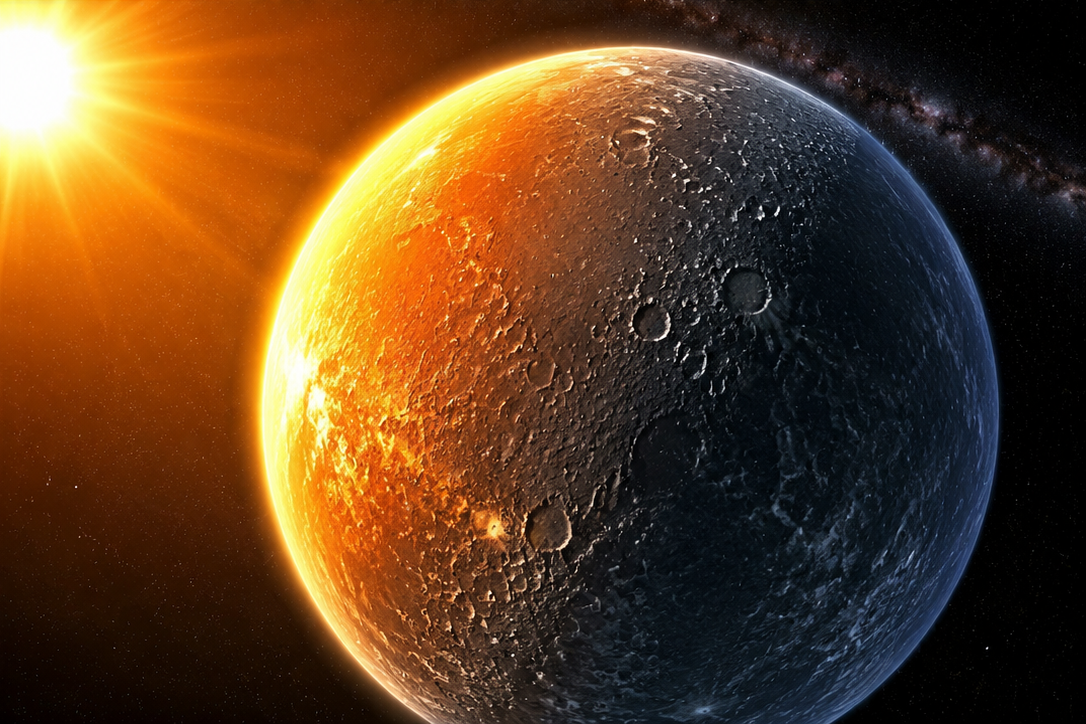
The Extreme Temperature Extremes of Mercury, the Closest Planet to the Sun
Theme: Planets
Subject: Mercury
Article Summary: Although Mercury is the closest planet to the Sun, it is not the hottest planet in the Solar System. The main reason for this is the planet's extremely thin atmosphere. While daytime temperatures on Mercury's surface can reach about 430 °C, nighttime temperatures can drop to around -180 °C. This difference of approximately 600 °C between day and night is due to the lack of a dense atmosphere that could retain heat on Mercury's surface for long periods. Mercury's proximity to the Sun causes it to receive intense radiation, but its very slowly rotating surface and thin atmosphere prevent heat from being effectively distributed across the planet.
Date: 16-09-2026