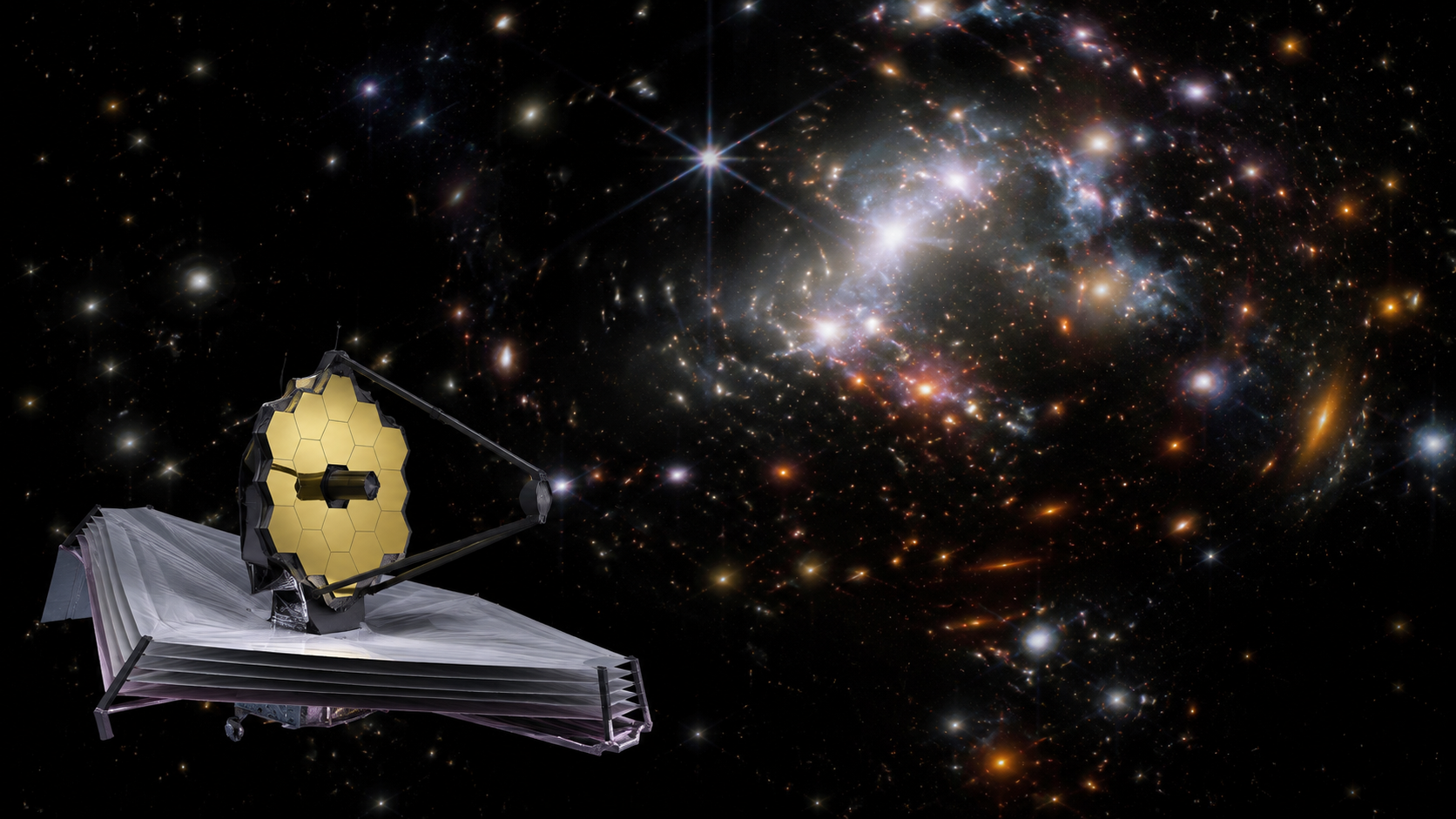
James Webb Space Telescope's Discoveries That Changed Our Understanding of the Universe
Theme: New Developments
Subject: James Webb
Article Summary: Thanks to its sensitivity to infrared light, the James Webb Space Telescope can observe celestial objects from the very distant and early periods of the universe in detail. Webb's observations revealed that galaxies existing only a few hundred million years after the Big Bang have different characteristics than previously thought. The galaxy named MoM-z14, confirmed in 2026, was determined to have existed about 280 million years after the Big Bang. Webb also showed that some small galaxies in the early universe could produce significant amounts of radiation during the reionization process and provided new insights into the formation of black holes in the very early periods. The telescope's infrared spectral observations make it possible to study not only distant galaxies but also the chemical substances in exoplanet atmospheres. These observations provide new data that lead to a reevaluation of current models of how stars, galaxies, and black holes form and evolve.
Date: 18-09-2026
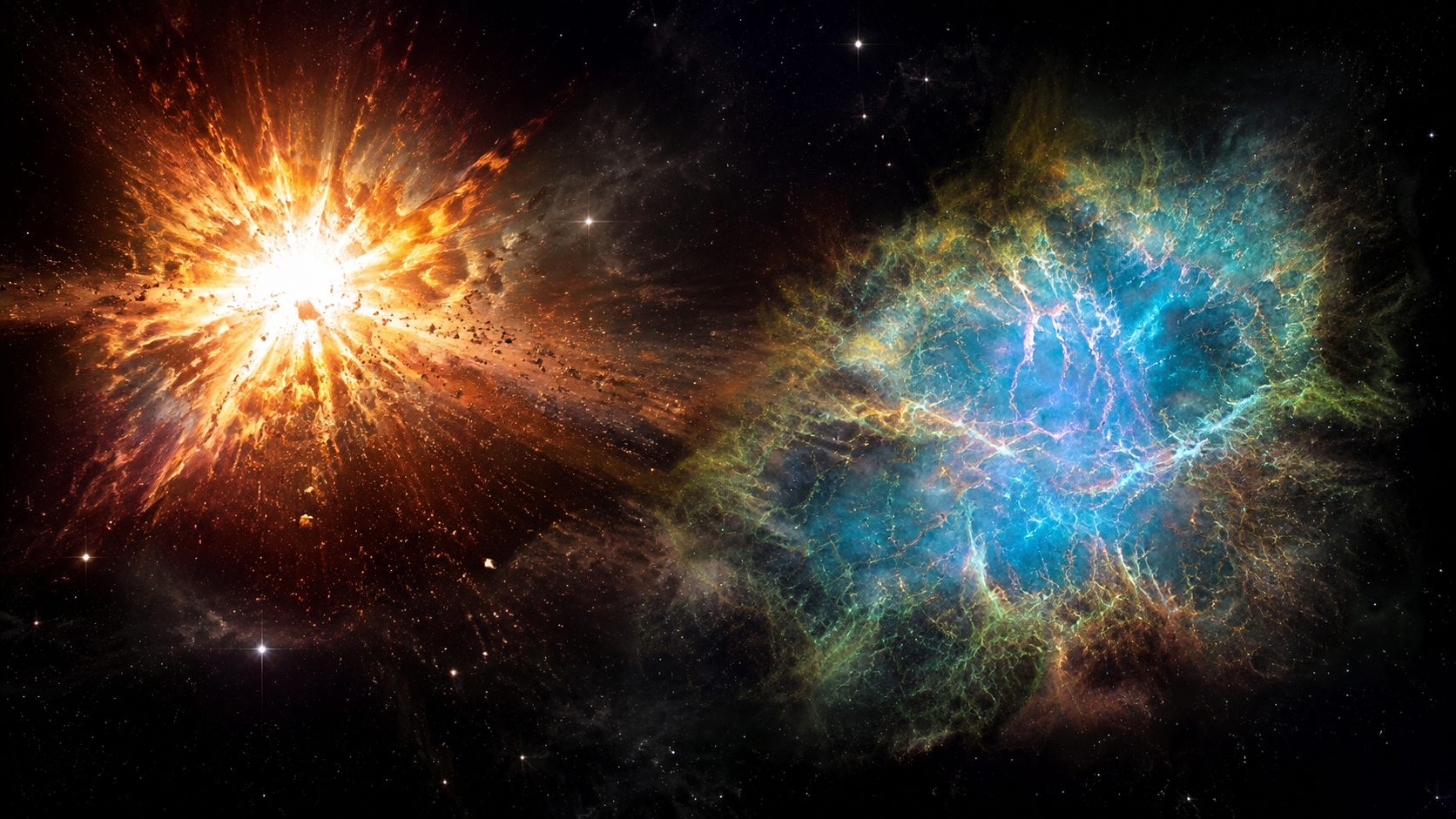
The Story of the Historic Supernova Explosion That Created the Crab Nebula
Theme: Nebulae
Subject: Crab Nebula
Article Summary: The Crab Nebula is the expanding remnant of gas and dust left behind by a powerful supernova explosion that occurred about a thousand years ago. When the light from the explosion reached Earth in 1054, it was recorded by Chinese astronomers and described as an extraordinarily bright star visible even during the day. The core of the exploding star was not completely destroyed, leaving behind a rapidly spinning, dense neutron star—known as a pulsar. Today, the Crab Nebula is observed as a complex supernova remnant, still expanding and illuminated by the energy emitted from its central pulsar. The nebula's structure, its central neutron star, rapidly expanding gas, and radiation emitted at different wavelengths make it an important cosmic example of how stars change in the final stages of their lives.
Date: 18-09-2026
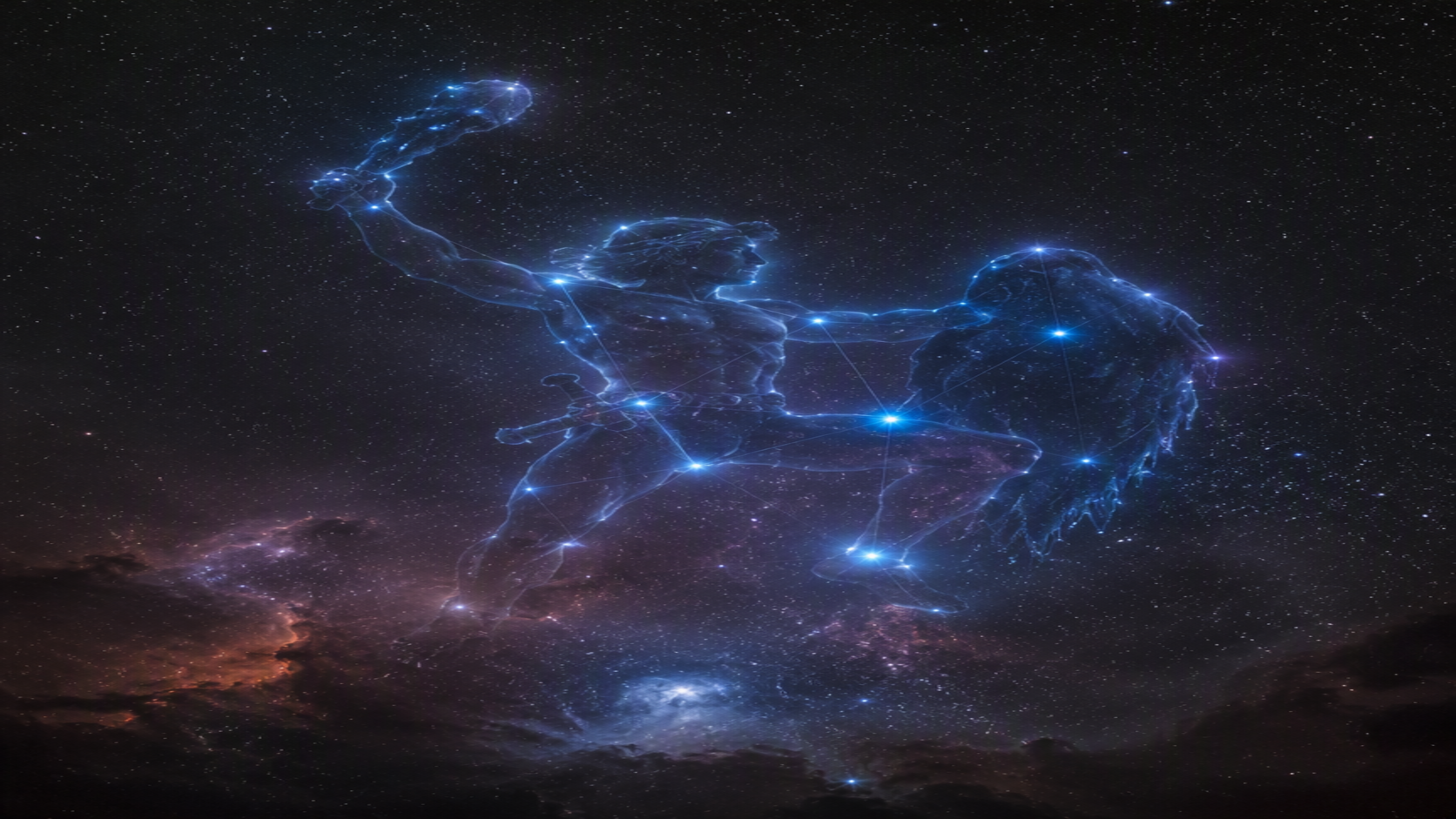
The Famous Hunter of the Winter Sky: Orion and the Stars Around It
Theme: Constellations
Subject: Orion
Article Summary: Orion is a well-known constellation that is easily noticeable in the sky, especially during the winter months, and contains many bright stars together. Its distinctive shape in the sky is easily recognized thanks to Orion's Belt, which consists of three bright stars lined up side by side in the middle. Surrounding the Belt are bright stars such as Betelgeuse and Bellatrix, with Rigel located below. Around Orion are other important constellations like Canis Major, Canis Minor, and Taurus. The Orion region stands out not only for its bright stars but also for the clouds of gas and dust where stars are formed. In particular, the Orion Nebula is a significant celestial object in this region, where young stars and dense star-forming areas can be observed.
Date: 18-09-2026
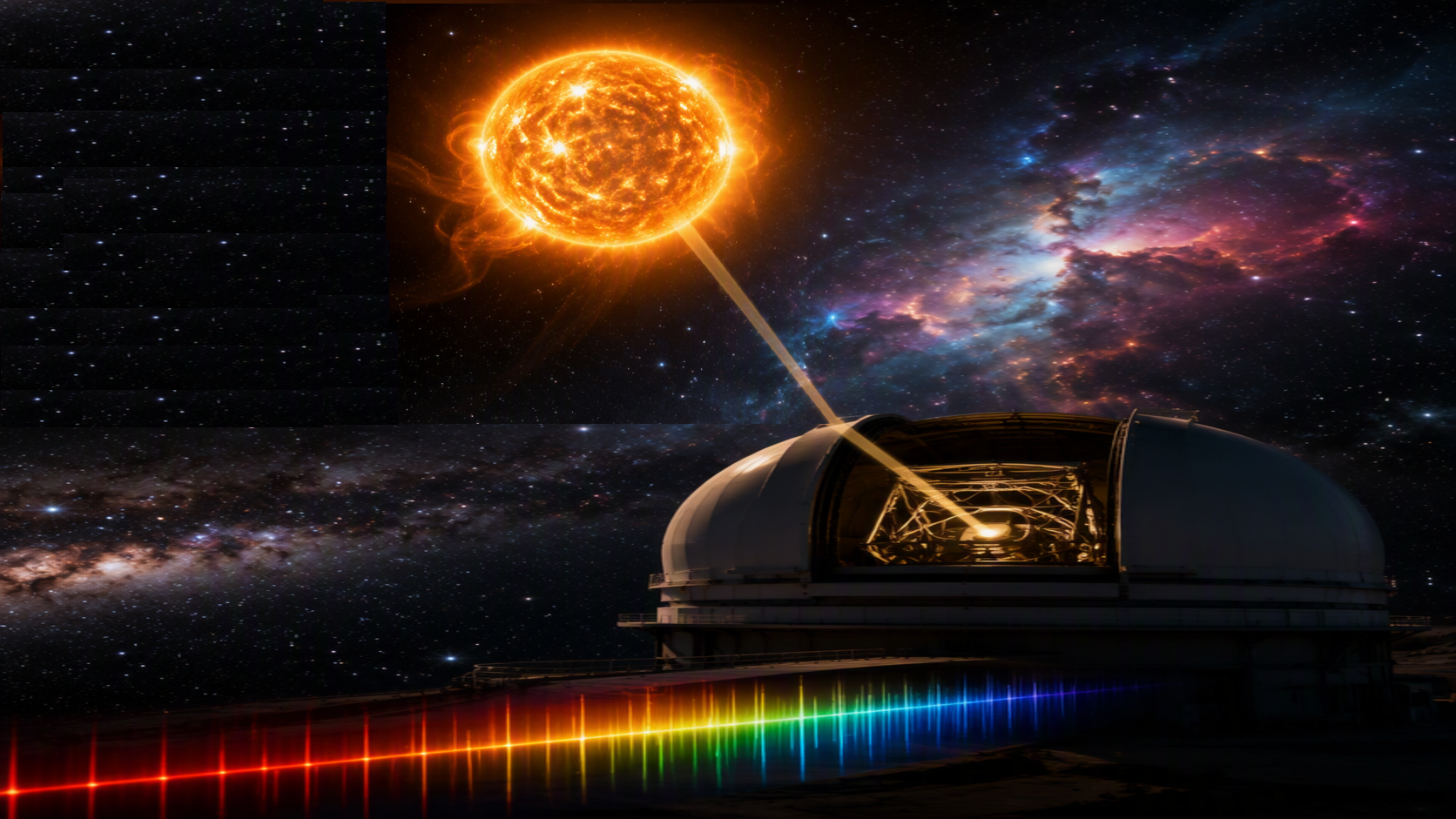
Unraveling the Chemical Secrets of Stars Using Light
Theme: Different Methods
Subject: Stellar Spectrum
Article Summary: The elements that make up stars can be determined by analyzing the light coming from them. When a star's light is separated into its spectrum, dark or bright lines appear at specific wavelengths. These lines result from the interaction of atoms and ions in the star's atmosphere with light. Since each element has different energy levels, it absorbs or emits light at its own characteristic wavelengths. By examining the positions and intensities of these lines, astronomers can determine whether hydrogen, helium, sodium, calcium, iron, and other elements are present in the star's atmosphere. Spectral analysis is one of the fundamental observational methods that not only reveals chemical composition but also provides information about a star's temperature, motion, and some physical properties.
Date: 18-09-2026
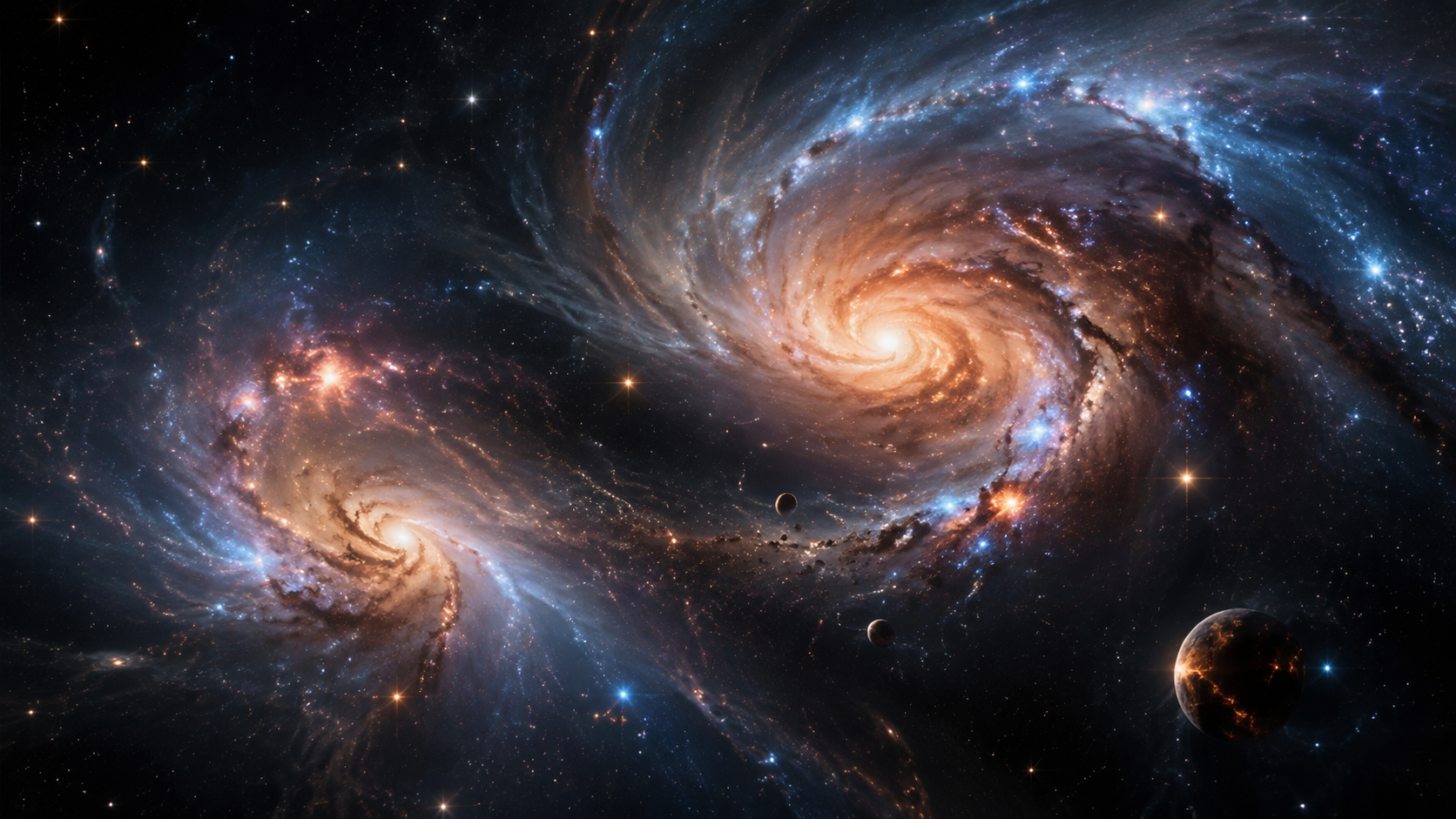
The Physical Effects on Star Systems Within Colliding Galaxies
Theme: Galaxies
Subject: Galaxy Collision
Article Summary: The collision of galaxies does not mean that the stars they contain directly collide with each other. Because the distances between stars in galaxies are so vast, the probability of stars physically colliding is extremely low. Nevertheless, the gravitational fields of the two galaxies strongly influence each other. These interactions can alter the orbits of stars, compress clouds of gas and dust to increase new star formation, and change the movements of planetary systems within the galaxy. During a collision, the direct destruction of a star system's planets is generally not expected; the main change occurs through the alteration of the galactic orbit of the host star and the distribution of surrounding stars. Therefore, the effect of galaxy collisions on star systems occurs primarily through large-scale gravitational changes, rather than individual stars colliding with each other.
Date: 18-09-2026
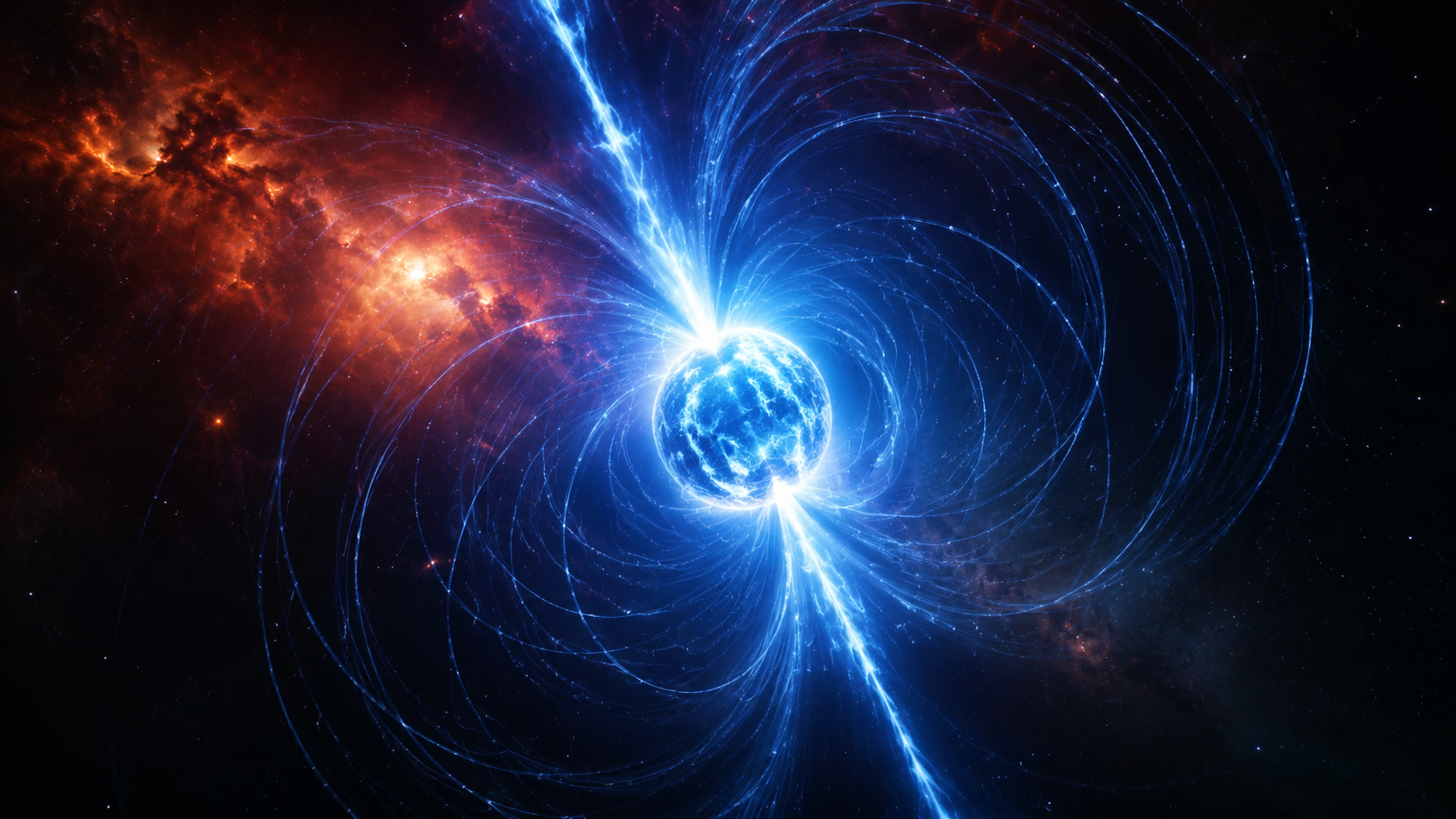
Magnetars with the Universe's Most Powerful and Dangerous Magnetic Fields
Theme: Neutron Stars
Subject: Magnetars
Article Summary: Magnetars are extremely dense neutron stars that can form after supernova explosions at the end of the lives of massive stars. Their defining feature, which sets them apart from other neutron stars, is their extraordinarily strong magnetic fields. These magnetic fields can be trillions of times stronger than Earth's. Crustal movements on the magnetar's surface and sudden changes in the magnetic field can send extremely energetic bursts of X-rays and gamma rays into space. For this reason, magnetars are among the most extreme cosmic objects capable of releasing enormous amounts of energy in a short time. The changes in their strong magnetic fields over time can also lead to variations in the magnetar's rotation speed and the radiation they emit.
Date: 18-09-2026
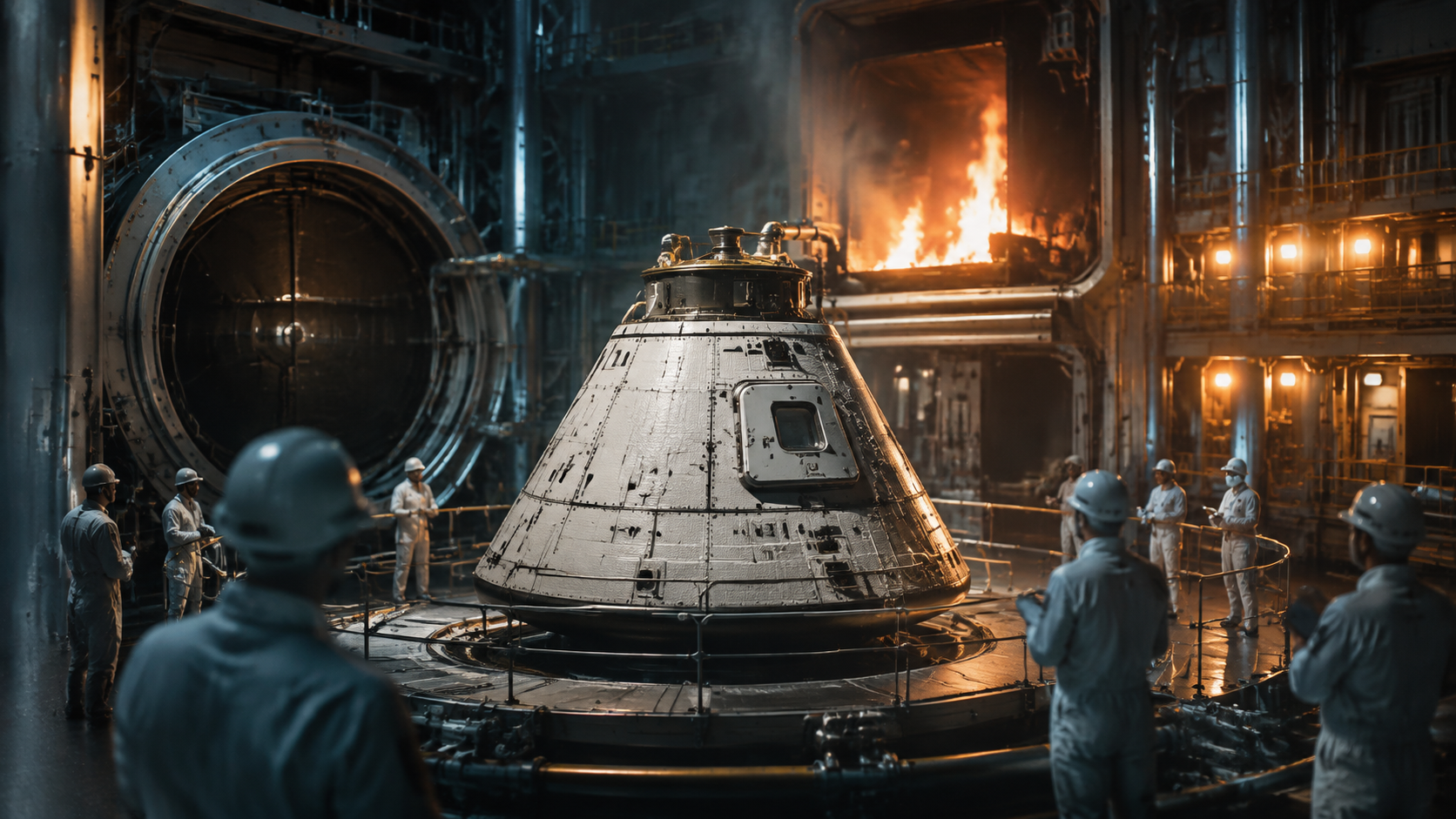
Safety Protocols Changed After the Apollo 1 Fire
Theme: Accidents
Subject: Space Safety
Article Summary: The ground test conducted for the Apollo 1 mission ended in tragedy on January 27, 1967, when a fire broke out inside the capsule, resulting in the deaths of three astronauts. During the test, the capsule's pressurized atmosphere of pure oxygen, the presence of flammable materials inside the cabin, and conditions related to the electrical system created an environment in which the fire spread extremely rapidly. The inability to quickly open the capsule hatch from the inside further worsened the fatal consequences of the emergency. Following the accident, NASA implemented extensive safety changes ranging from the design of crewed spacecraft to ground tests and astronauts' emergency procedures. Flammable materials inside the Apollo capsule were reduced, electrical systems were redesigned, the hatch opening mechanism was changed, and the atmospheric design was reviewed. These changes became fundamental regulations aimed at increasing crew safety in subsequent Apollo missions.
Date: 18-09-2026
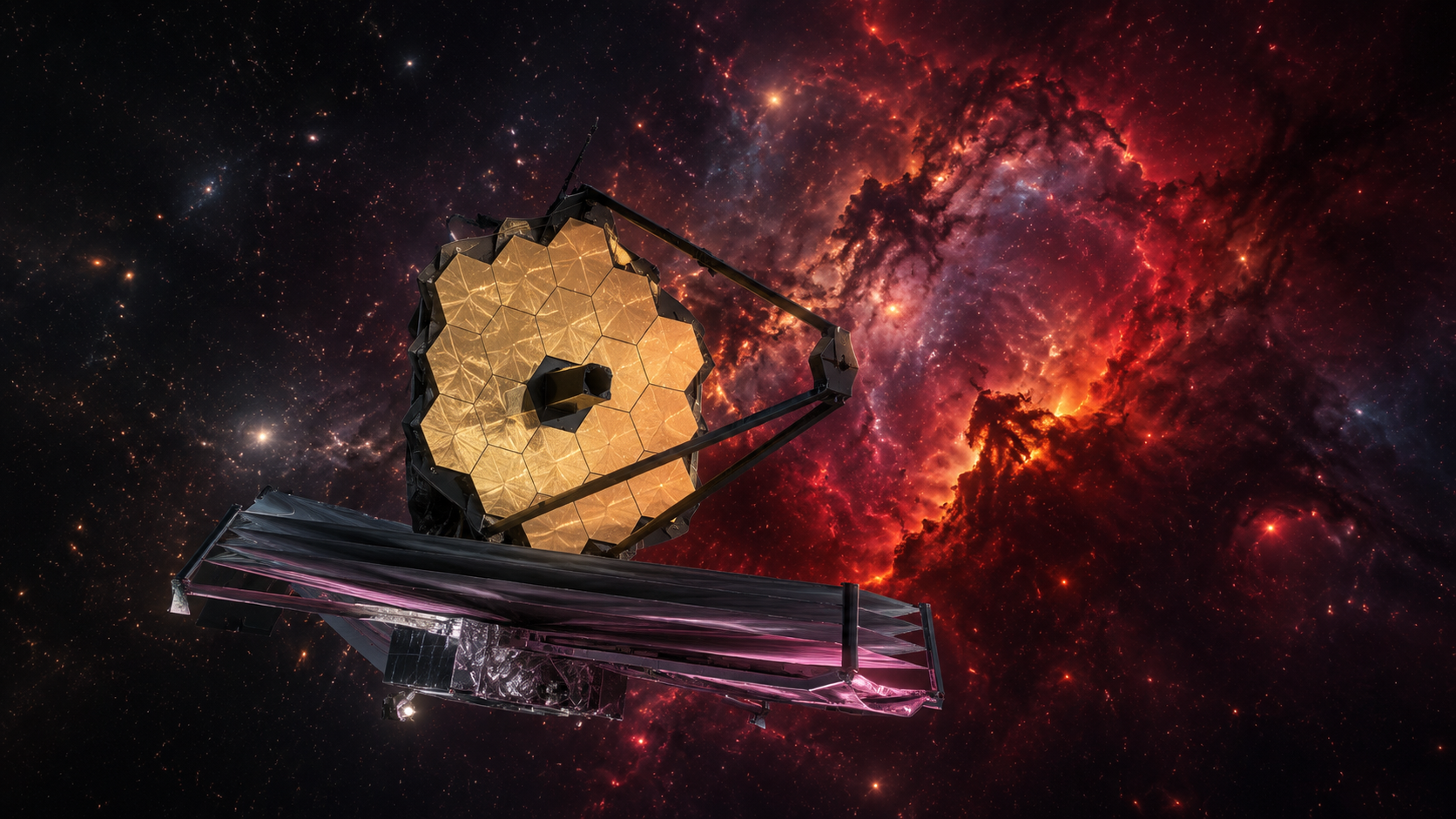
Infrared Observation Capabilities of the James Webb Space Telescope
Theme: Spacecraft
Subject: Infrared Observation
Article Summary: The James Webb Space Telescope is a large space telescope designed primarily to observe the universe in infrared wavelengths. Infrared observations allow for the study of cold and distant celestial objects that are difficult to see in visible light, and for the investigation of structures hidden behind dense clouds of gas and dust. Webb's 6.5-meter primary mirror collects infrared light, helping it to examine radiation from extremely distant and faint sources. The telescope's various infrared observation instruments can study a range of phenomena, from the formation of stars and planetary systems to the properties of distant galaxies and the chemical composition of exoplanet atmospheres. One of the key features of Webb's infrared capability is its ability to observe very distant galaxies whose light has shifted to longer wavelengths due to the expansion of the universe.
Date: 18-09-2026
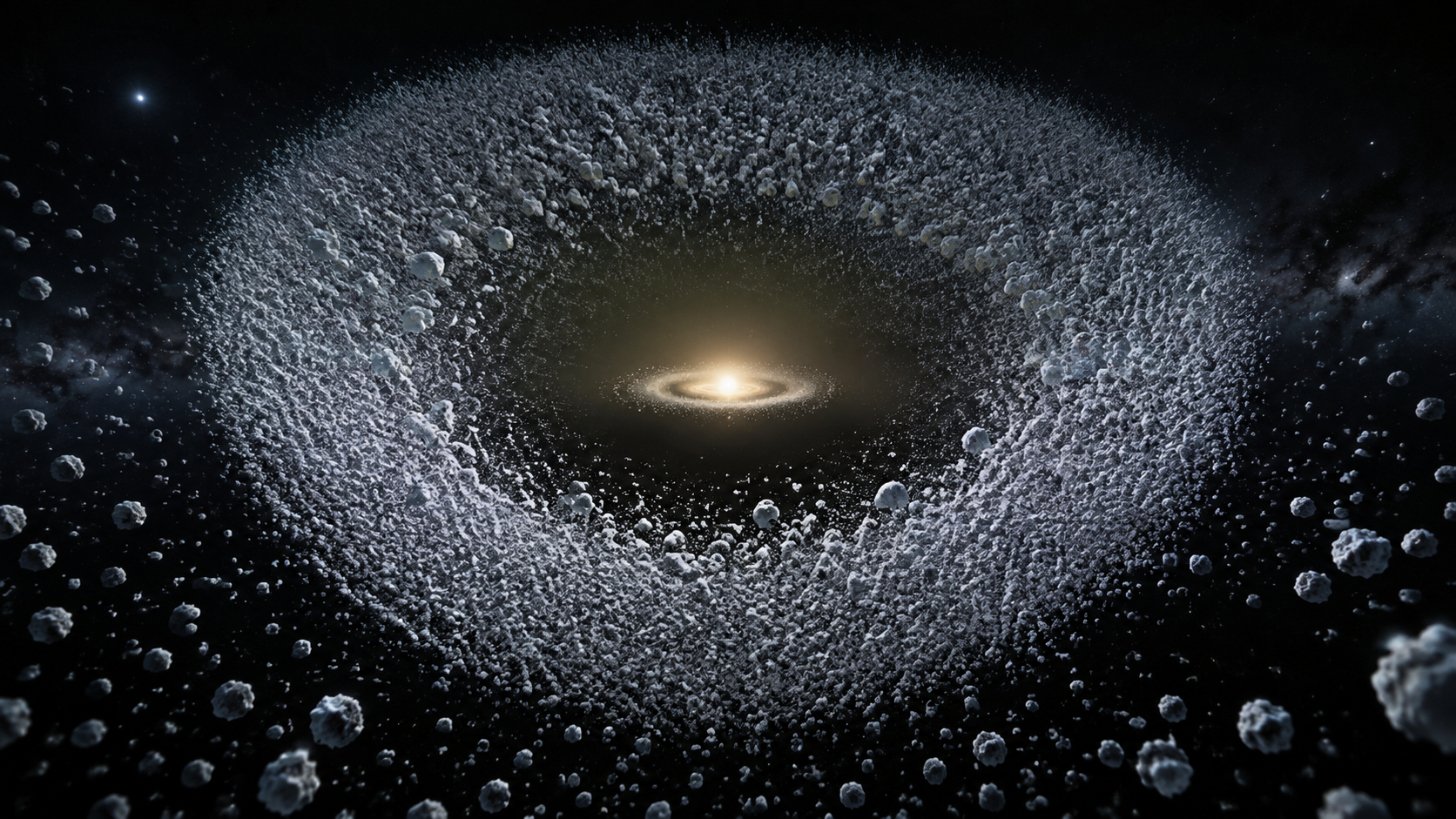
The Icy Reservoir at the Outer Edge of the Solar System: The Oort Cloud
Theme: Comets
Subject: Oort Cloud
Article Summary: The Oort Cloud is a hypothetical spherical region thought to surround the very distant outer regions of the Solar System, containing billions of icy small bodies. This structure, believed to lie far beyond Neptune's orbit, has not been directly observed. The existence of the Oort Cloud is inferred from the orbits of very long-period comets and orbital calculations suggesting that these objects may originate from the farthest regions of the Solar System. It is thought that some of the icy bodies ejected from the regions where planets formed during the Sun's formation were captured by the Sun's gravity in very distant orbits. Passing stars and the gravitational effects of the Milky Way can alter the orbits of these objects and send some of them toward the Sun. Thus, the Oort Cloud represents a reservoir of icy bodies in the most distant regions of the Solar System, serving as a possible source of long-period comets.
Date: 18-09-2026
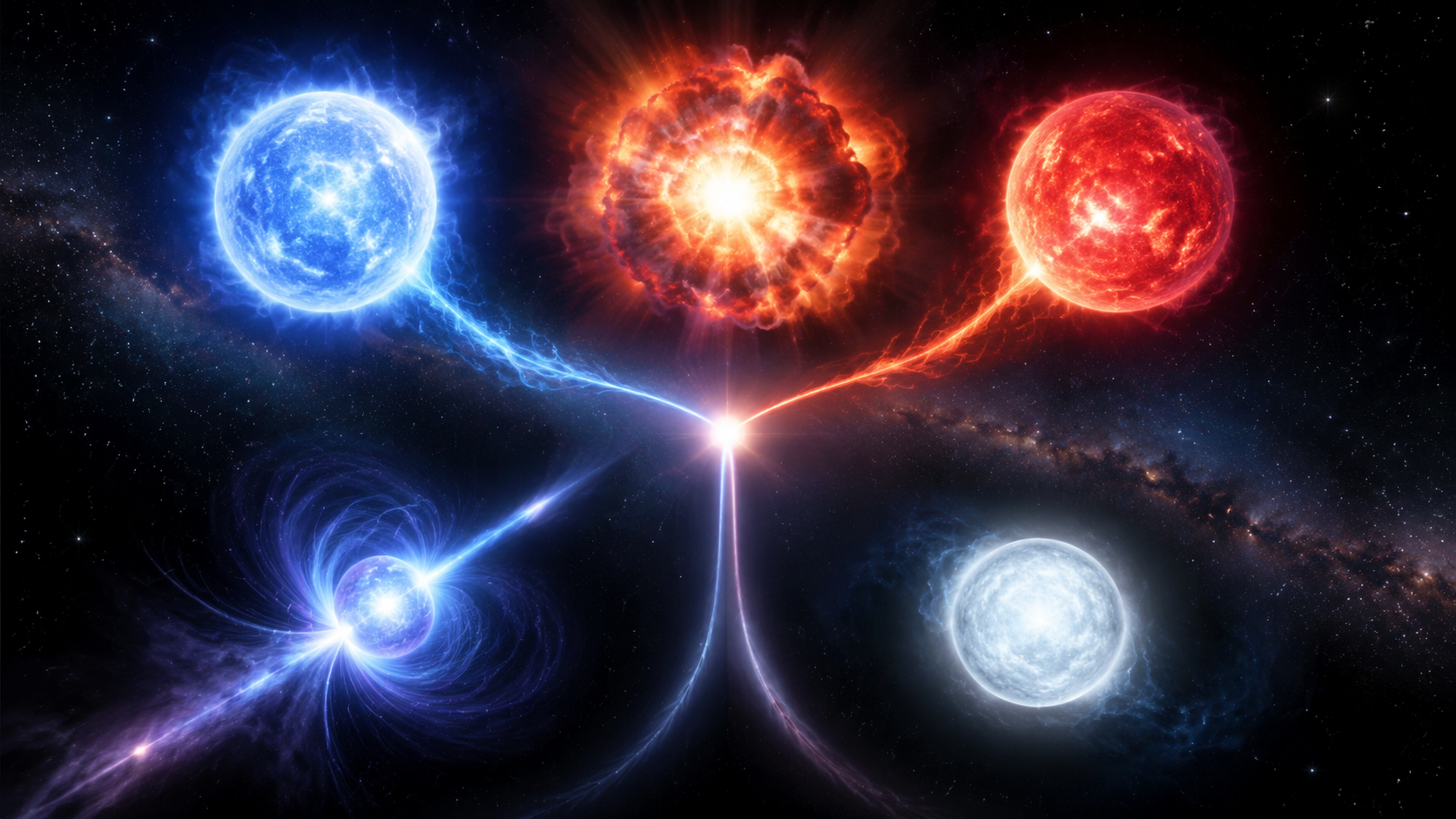
How Stellar Mass Determines Endings Like Supernovae and White Dwarfs
Theme: Stars
Subject: Stellar Mass
Article Summary: One of the most important factors determining what kind of celestial object a star will become at the end of its life is its initial mass. Lower-mass stars consume their fuel more slowly and, at the end of their lives, shed their outer layers into space, leaving behind a dense white dwarf. The future path of Sun-like stars falls into this group. In much more massive stars, as the fuel in the core is depleted, equilibrium is lost and the core collapses under its own gravity. This process can lead to a massive supernova explosion, leaving behind a neutron star or a black hole. Thus, a star's mass becomes one of the fundamental factors determining its fate, from its lifespan to its final physical structure.
Date: 18-09-2026
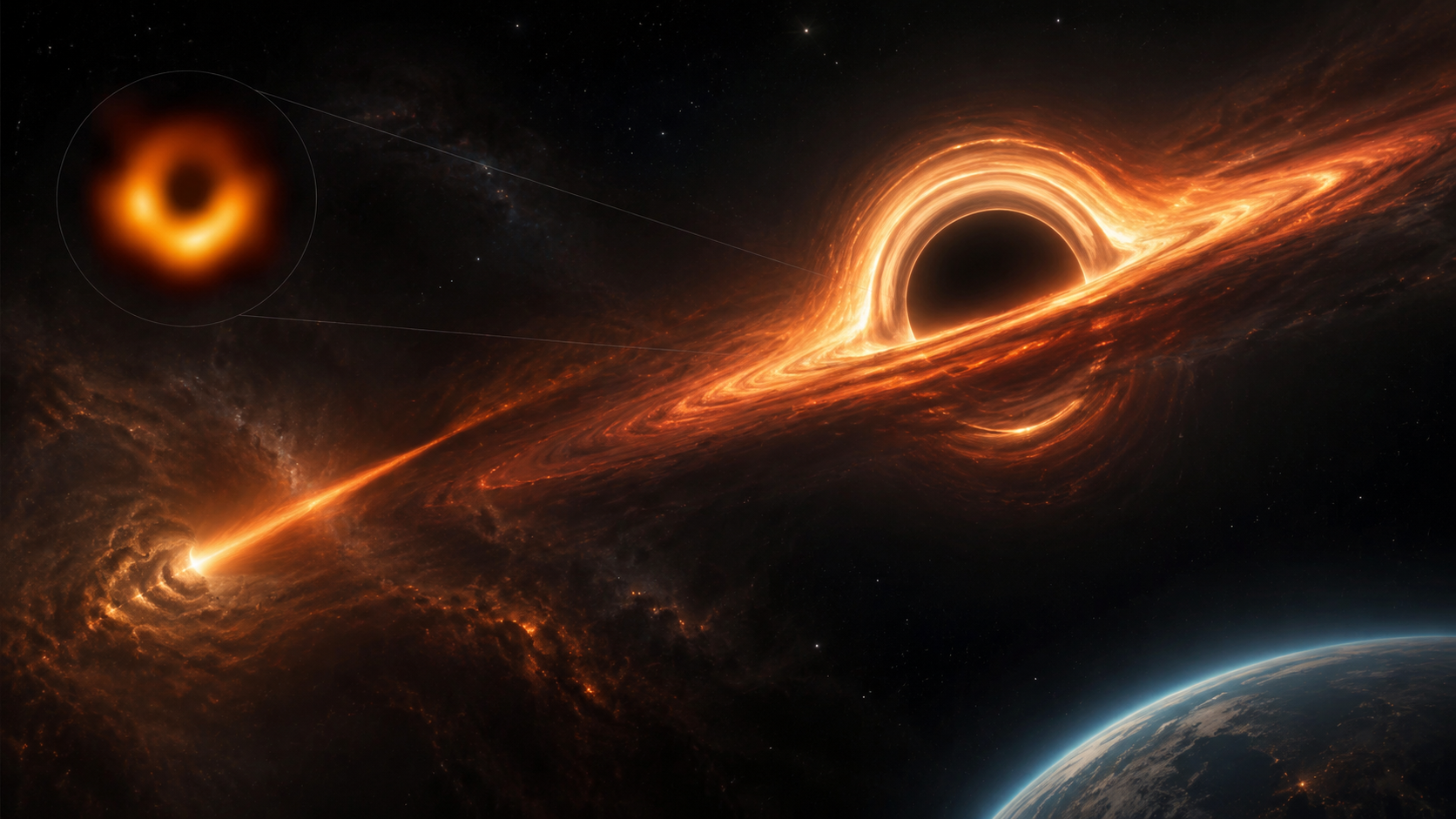
Imaging Methods for Invisible Black Holes: The Case of M87
Theme: Black Holes
Subject: Black Hole Imaging
Article Summary: Black holes cannot be seen directly with a normal telescope because they do not emit their own light. Nevertheless, the light emitted by the hot gas surrounding them and the strong gravity of the black hole bending this light make it possible to image the region where the black hole is located. One of the best-known examples of this is the supermassive black hole at the center of the M87 galaxy, about 55 million light-years from Earth. The Event Horizon Telescope (EHT) observed millimeter-wavelength radiation coming from around M87* by operating radio telescopes in different parts of the world as a single, Earth-sized virtual telescope. In the image published in 2019, a bright ring and a darker region in the center appeared. The imaged dark center is not the black hole itself, but the shadow region from which light cannot escape due to the black hole's strong gravity. This observation demonstrates how black holes can be imaged by taking advantage of their effects on the light around them.
Date: 18-09-2026
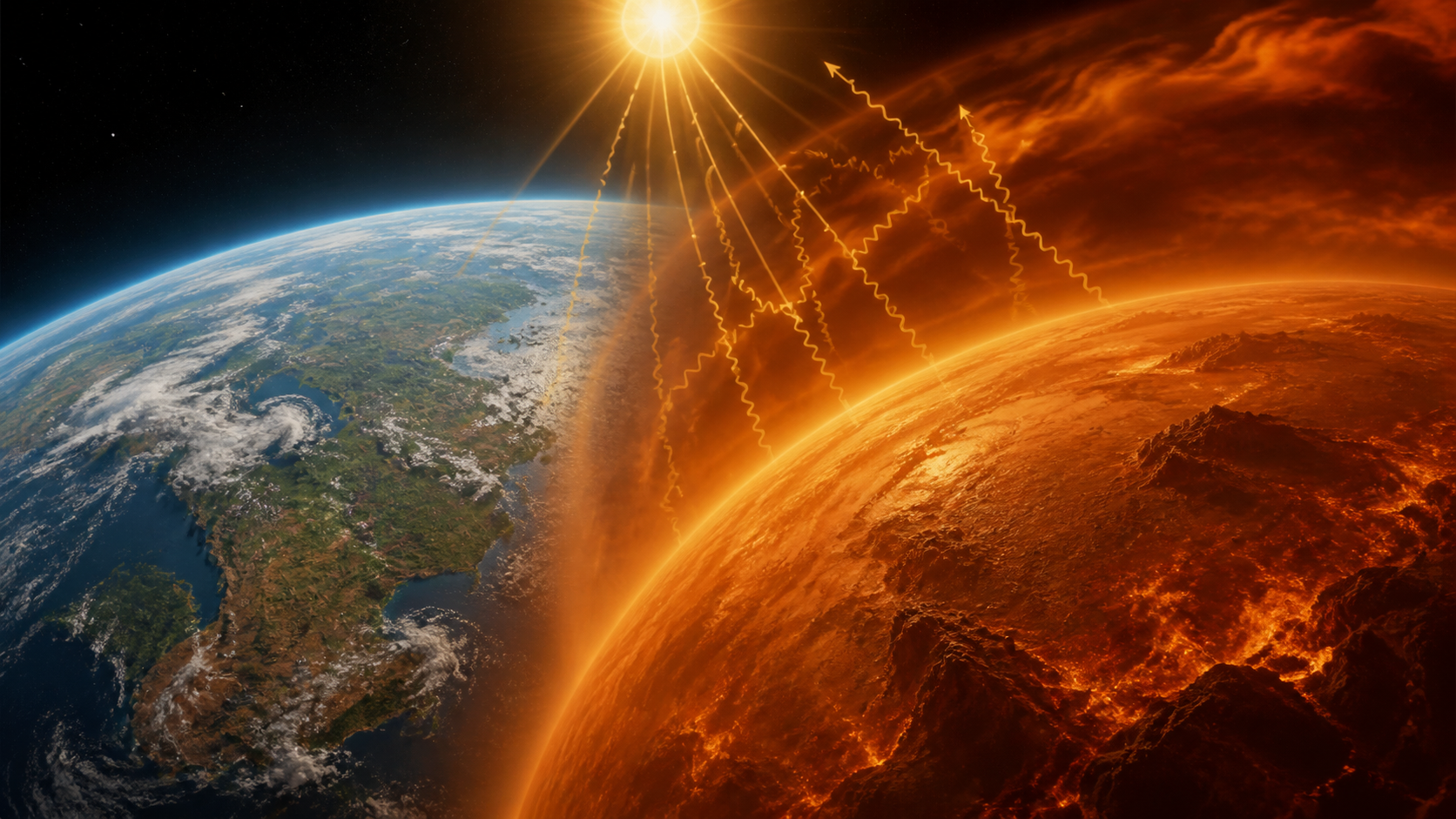
Venus, Earth's Twin, Turns into a Hellscape Due to the Greenhouse Effect
Theme: Planets
Subject: Greenhouse Effect
Article Summary: Venus is a planet similar to Earth in terms of size, mass, and rocky composition; however, surface conditions set the two worlds completely apart. Most of Venus's atmosphere is composed of carbon dioxide, and the atmosphere is extremely dense. While energy from the Sun heats the surface, the infrared radiation emitted from the surface is strongly trapped by carbon dioxide and other gases in the atmosphere. As a result, heat cannot easily escape into space, and the surface temperature reaches about 465°C. The dense atmosphere also raises the surface pressure to about 90 times that of Earth. The extreme greenhouse effect on Venus, along with the loss of its initial water over time and the dominance of carbon dioxide in the atmosphere, has led to the extremely hot and dense environment we see today.
Date: 18-09-2026