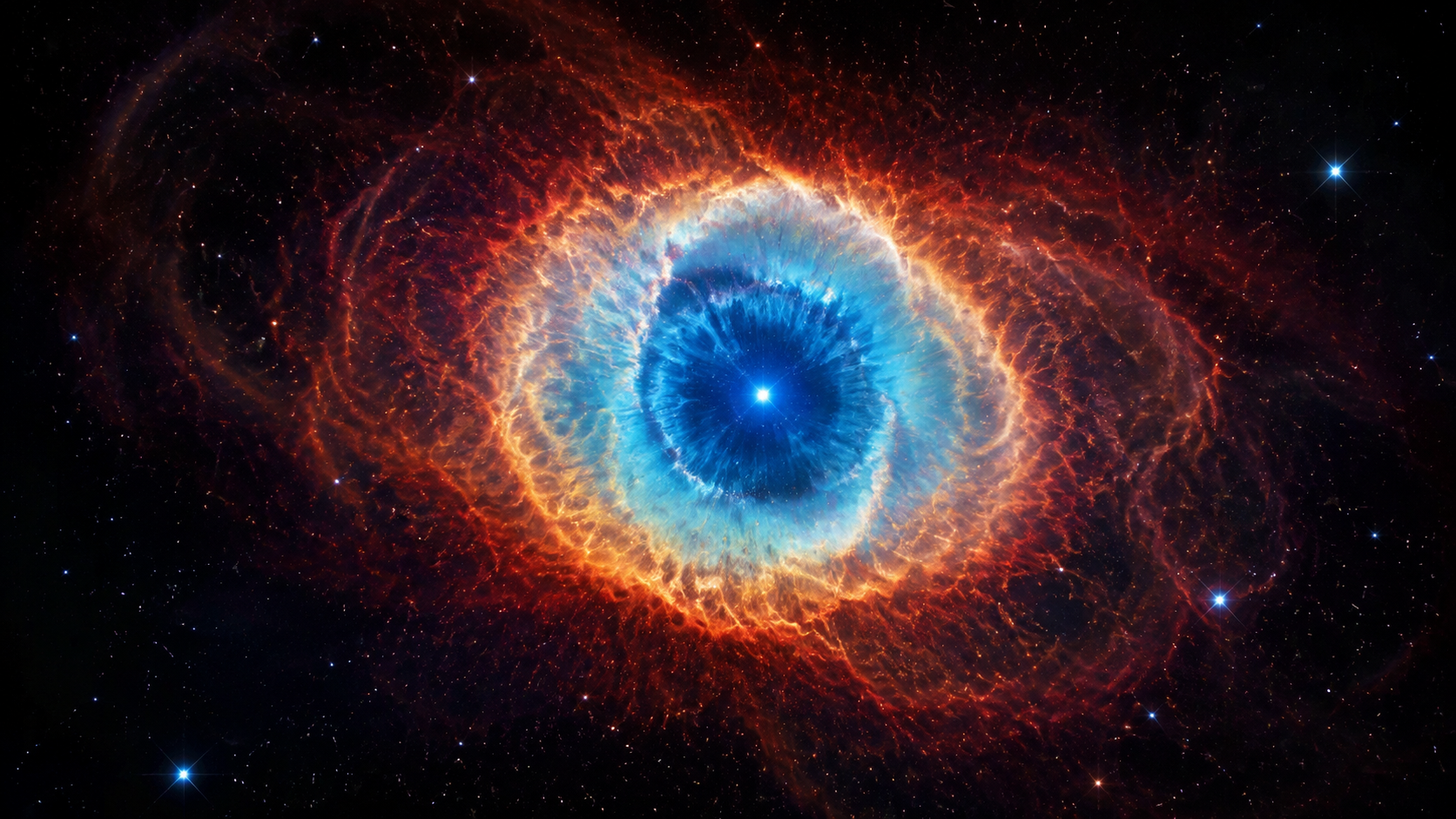
The Helix Nebula Showing the Final Journey of a Dying Star
Theme: Nebulae
Subject: Helix Nebula
Article Summary: The Helix Nebula is a planetary nebula formed when a Sun-like star sheds its outer layers into space during the final stages of its life. Located about 650 light-years from Earth, this structure lies in the direction of the constellation Aquarius. At its center is a hot and dense white dwarf, the remnant left behind by the star. The gas emitted from the star's outer layers becomes ionized by the ultraviolet radiation from the hot remnant at the center, turning into a bright nebula. The ring-like appearance of the Helix Nebula is actually a three-dimensional image created by our viewing angle from Earth and the nebula's complex gas structure. The knots of gas within the structure and the regions seen in different colors reflect the varying physical conditions during the process of the star shedding its outer layers into space.
Date: 19-09-2026
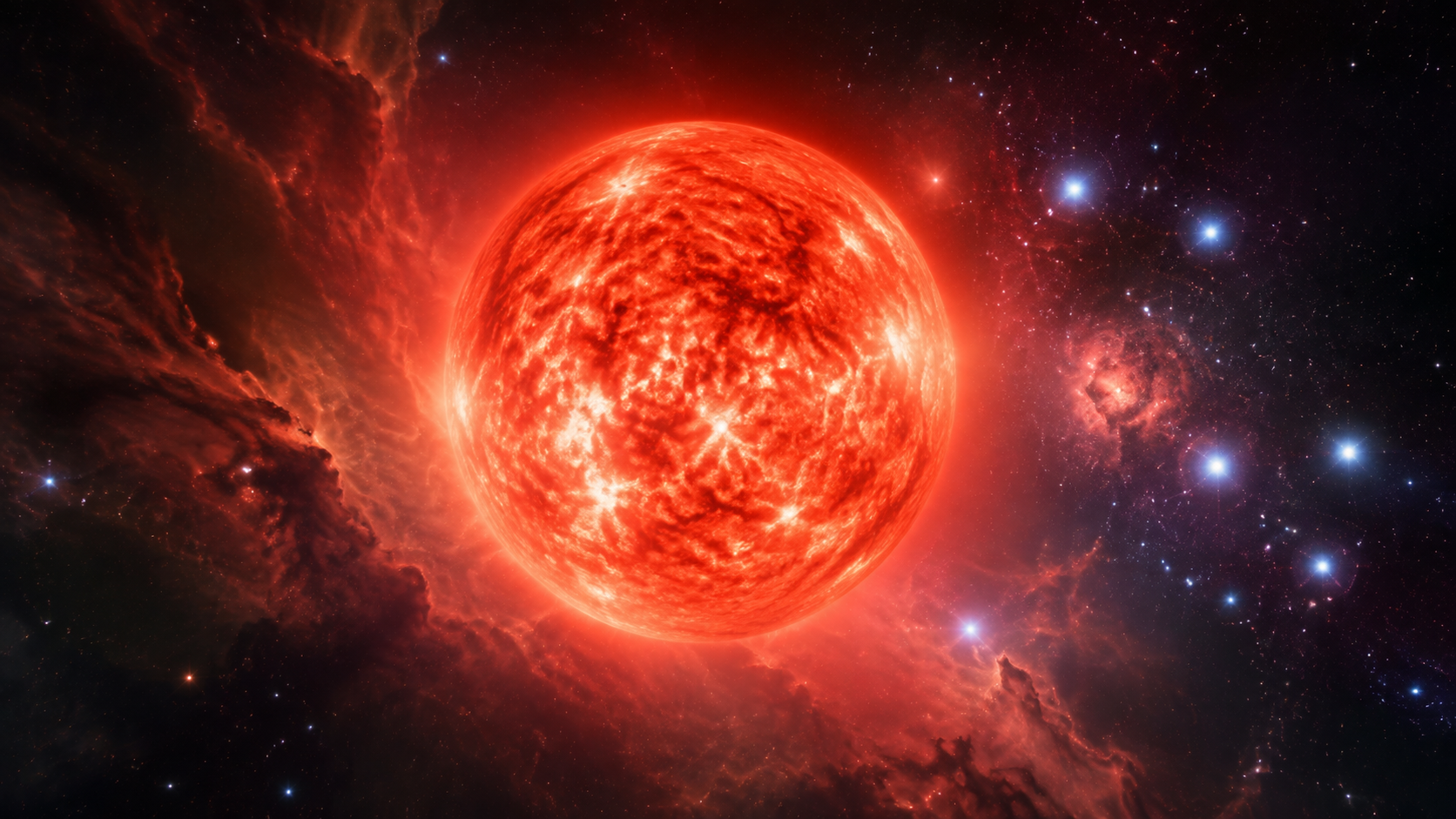
The Red Supergiant Antares Shining at the Heart of the Scorpius Constellation
Theme: Constellations
Subject: Antares
Article Summary: Antares is one of the most prominent stars of the Scorpius constellation and one of the bright red supergiant stars in the sky. Its light appears red-orange because its surface temperature is lower than that of the Sun. In contrast, Antares' diameter is hundreds of times larger than the Sun's, and the star is in an advanced stage of its life. Located among the stars forming the body of Scorpius, Antares can be easily distinguished in the night sky thanks to its distinct red color. The gas and dust structures surrounding the star are also associated with strong stellar winds. The mass of Antares and its advanced evolutionary stage make it a remarkable example for studying stellar phases that may eventually result in a supernova.
Date: 18-09-2026
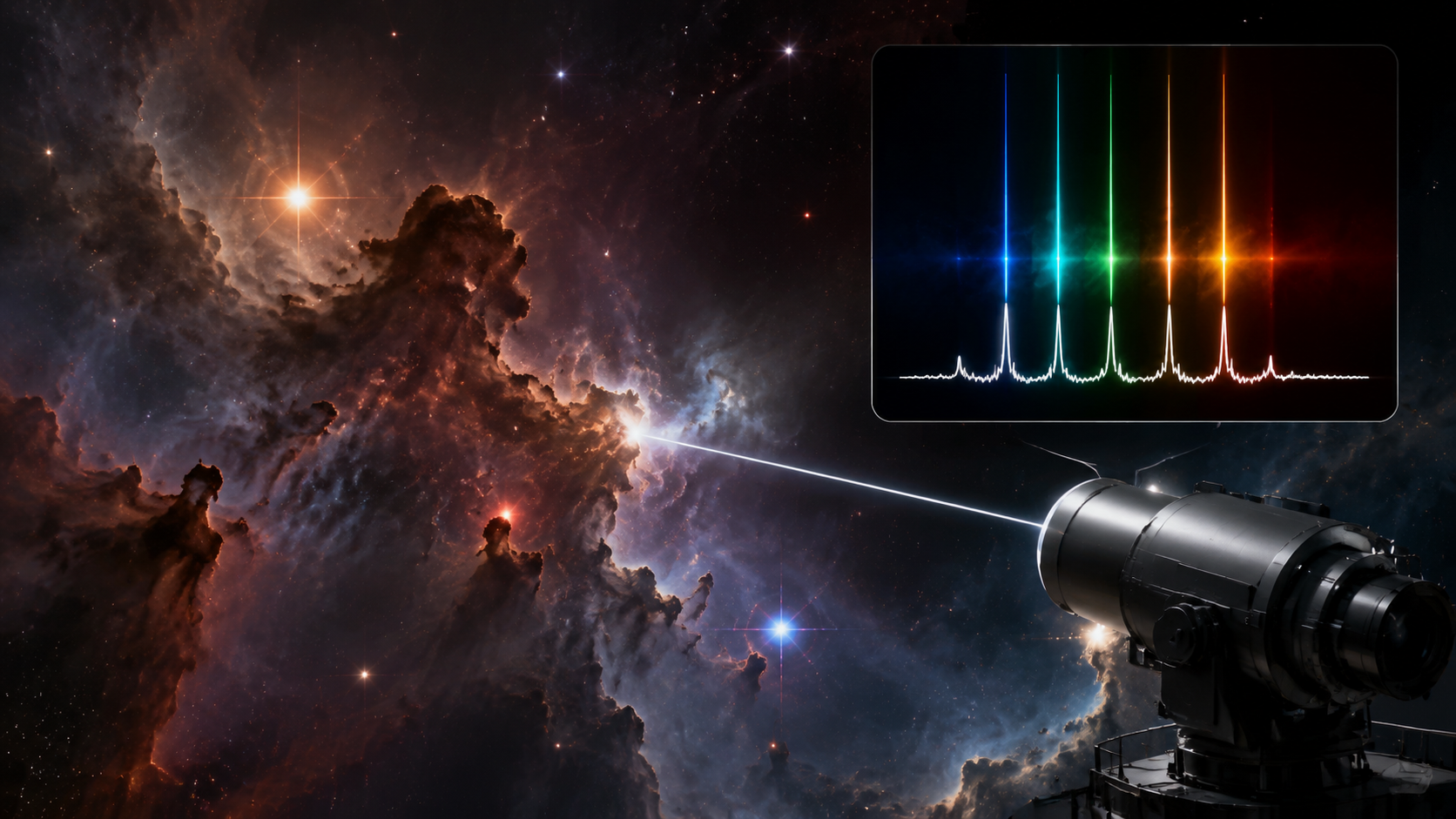
Measuring the Temperature of Gas Clouds in Space with Spectral Lines
Theme: Different Methods
Subject: Spectral Lines
Article Summary: The temperature of gas clouds in space cannot be measured directly with a thermometer; instead, the spectrum of light emitted or absorbed by the gas is analyzed. The atoms and molecules that make up the gas produce or absorb light at specific wavelengths depending on transitions between energy levels. Therefore, the position, intensity, and width of the lines seen in the spectrum provide information about the physical conditions of the gas. In particular, by examining the relative intensities of lines arising from different energy levels of certain atoms or ions, the temperature of the gas can be calculated. In some cases, the broadening of spectral lines can also be related to temperature. These methods are among the fundamental ways to remotely determine the temperature of interstellar and intergalactic gas.
Date: 18-09-2026
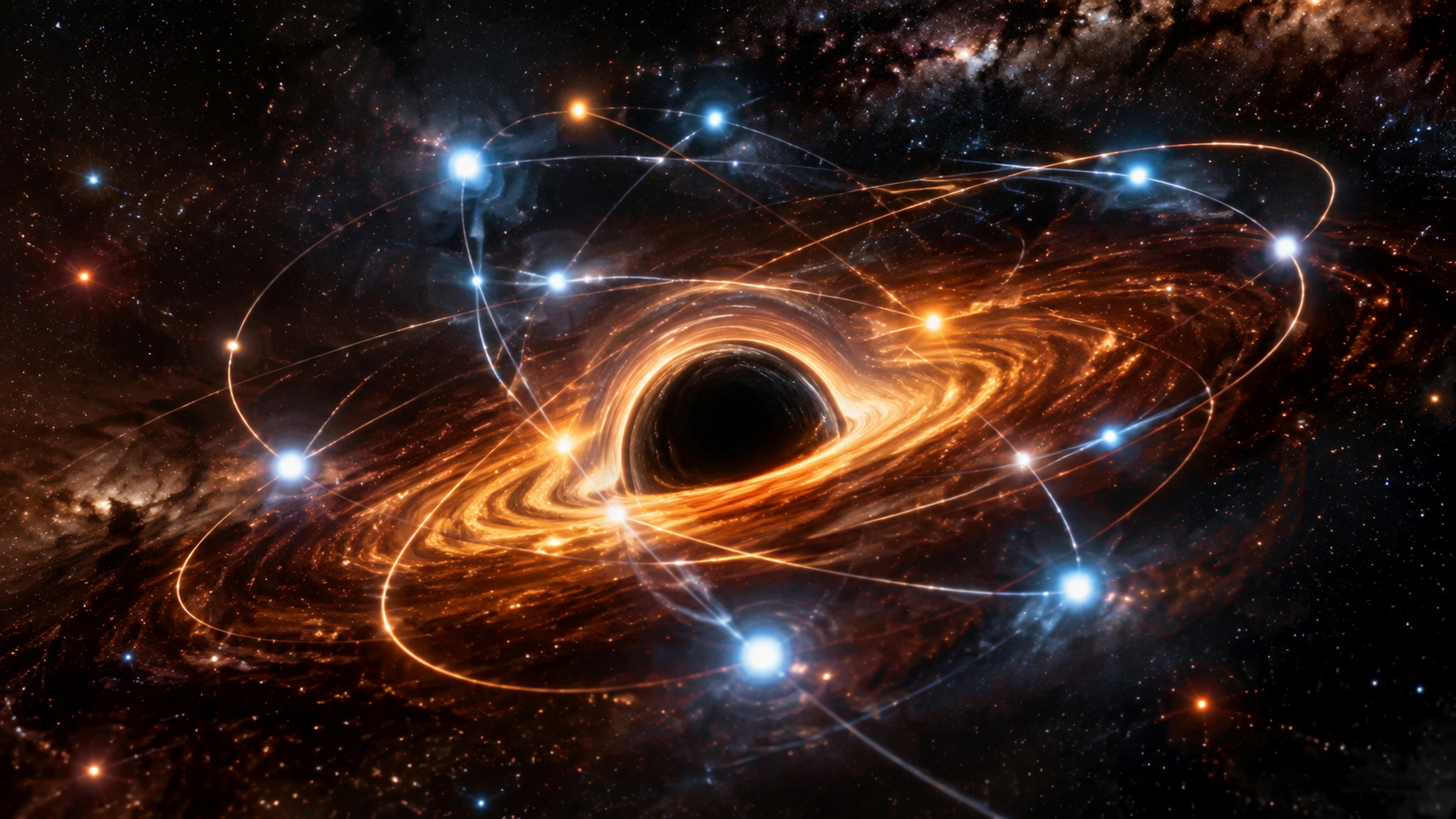
Observing Stellar Orbits Around Supermassive Black Holes
Theme: Galaxies
Subject: Stellar Orbits
Article Summary: Supermassive black holes are dense celestial objects found at the centers of many large galaxies, reaching masses of millions or even billions of solar masses. Since they do not emit light themselves, it is not possible to observe them directly; however, the motions of the stars around them can reveal the properties of this invisible mass. Astronomers determine the orbits of stars by measuring their positions in the sky and their velocities relative to Earth over many years. By examining the shape of the stars' orbits, their orbital periods, and their closest approach points to the center, the amount of mass at the center of the galaxy can be calculated. The star S2, which moves around Sagittarius A* at the center of the Milky Way, is one of the most detailed examples of this method. The star's roughly 16-year elliptical orbit and the very high speed it reaches when approaching the black hole indicate the presence of a compact object with about four million solar masses at the center.
Date: 18-09-2026
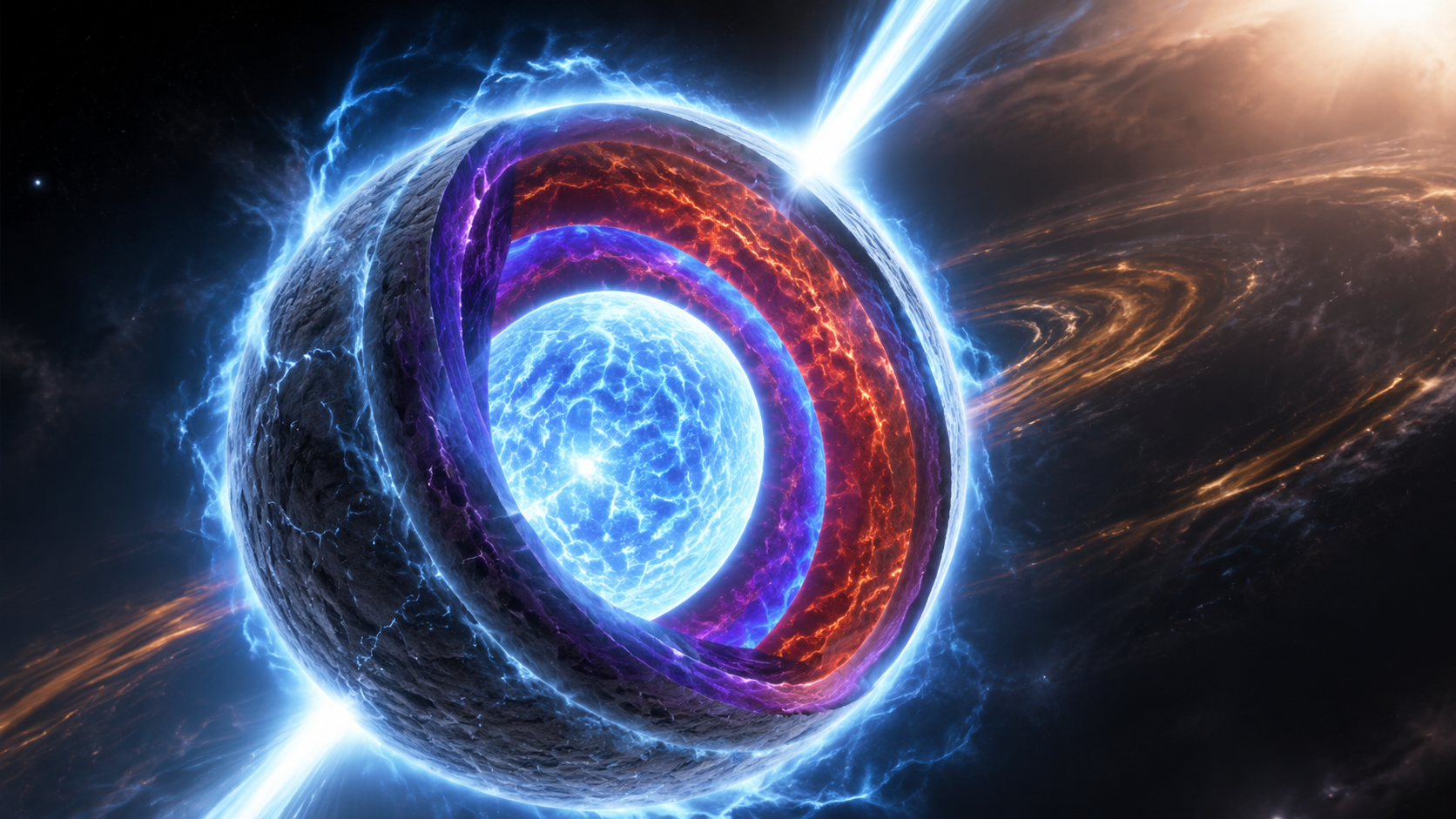
Extreme States of Matter in the Cores of Neutron Stars
Theme: Neutron Stars
Subject: Extreme Matter
Article Summary: Neutron stars are extremely dense stellar remnants left behind after the supernova of massive stars. Because most of their mass is compressed into a volume of just a few tens of kilometers, they contain extreme pressure and density conditions not naturally found on Earth. Closer to the surface, matter exists in dense layers composed mainly of neutrons; as you go deeper, the density and pressure increase even further. In the core, it is not precisely known how neutrons and protons behave. In addition to the possibility of matter remaining in its normal nuclear state, scenarios such as the emergence of more exotic particles or quarks becoming more free are also being investigated. Observable properties such as the mass, radius, and gravitational waves produced during the merger of neutron stars are used to understand the structure of matter under these extreme conditions.
Date: 18-09-2026
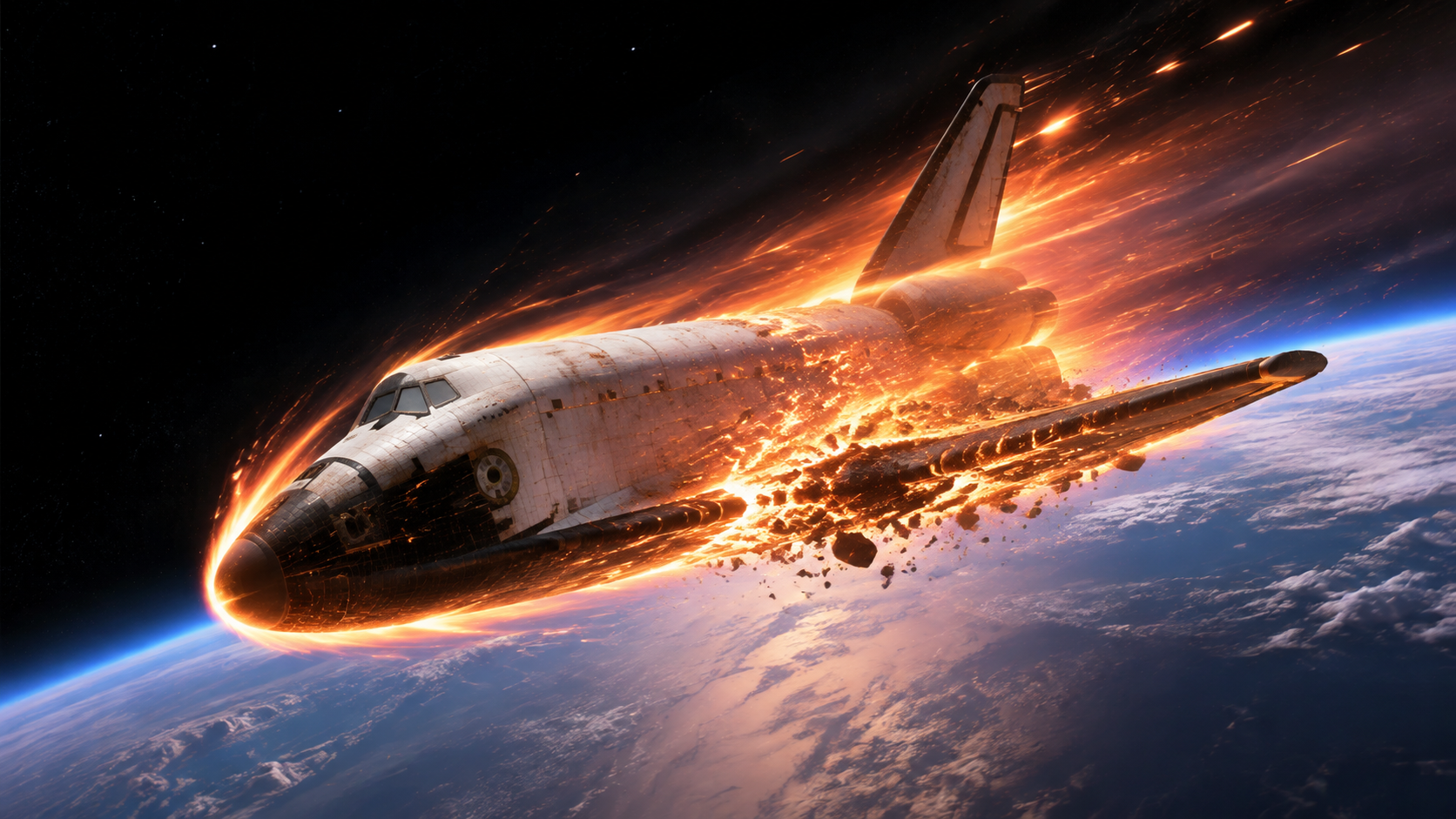
The Heat Shield Disaster During Columbia Space Shuttle's Return to Earth
Theme: Accidents
Subject: Heat Shield
Article Summary: On February 1, 2003, the Columbia space shuttle disintegrated during re-entry at the end of the STS-107 mission, resulting in the loss of seven astronauts. The origin of the accident was a piece of insulation foam that broke off from the external fuel tank during launch and struck the heat protection system on the leading edge of Columbia's left wing. As a result of the impact, one or more of the carbon-carbon panels on the wing's leading edge were damaged. While the shuttle continued its mission in space, the extent of the damage was not fully understood. During re-entry into Earth's atmosphere, extremely hot gases penetrated the wing's interior through the damaged area. As the structural integrity of the left wing deteriorated, control of Columbia was lost and the vehicle broke apart at high speed. The accident was caused not only by the loss of a single piece, but also by a combination of interconnected technical and organizational issues, such as the insufficient assessment of the damage sustained during launch and the misinterpretation of the associated risks.
Date: 18-09-2026
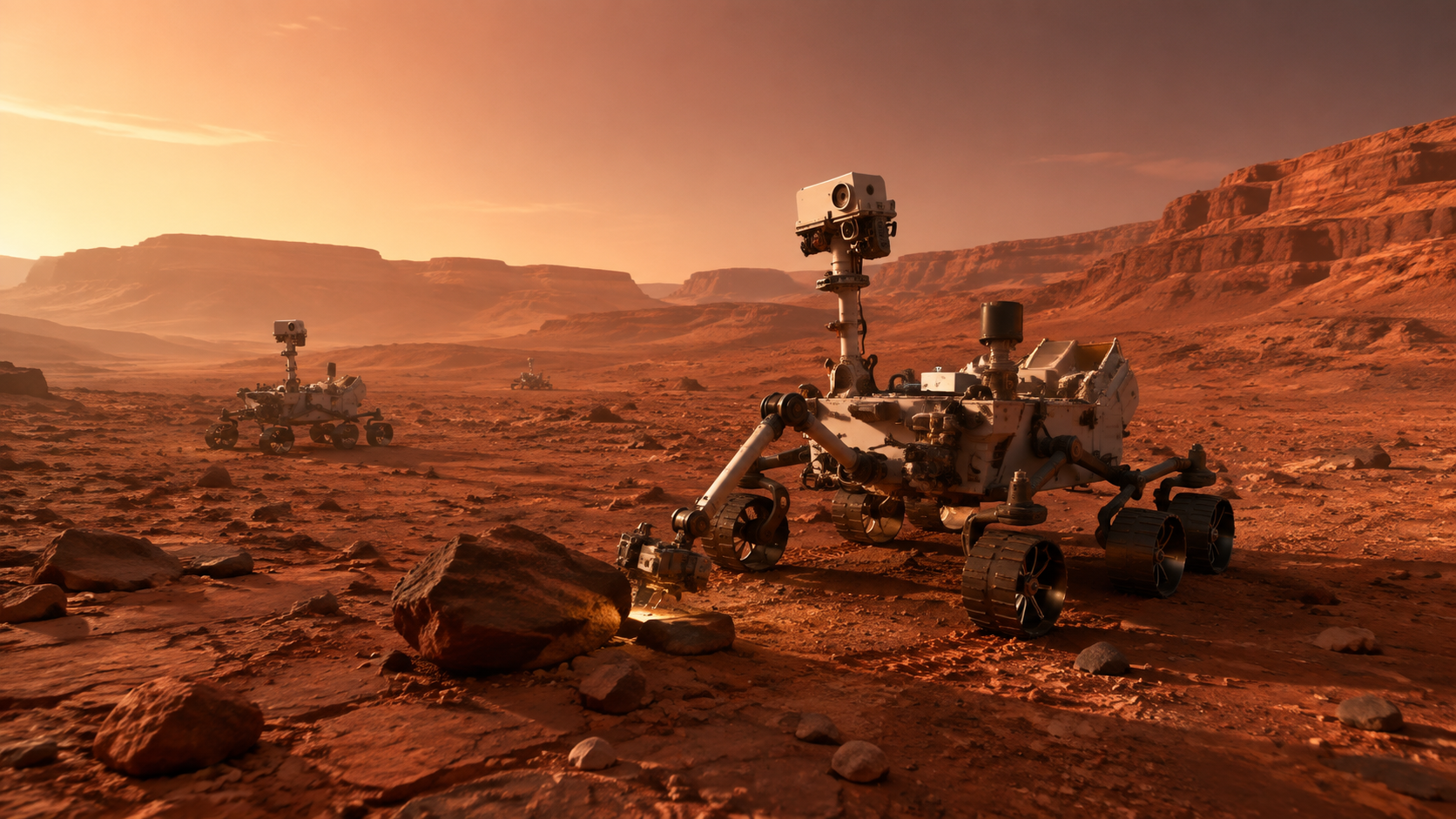
Findings of Robotic Rovers Exploring Every Inch of the Martian Surface
Theme: Spacecraft
Subject: Mars Rovers
Article Summary: Robotic rovers sent to the surface of Mars are mobile science laboratories that examine the planet's rocks, soil, atmospheric conditions, and past environmental features on site. Rovers such as Sojourner, Spirit, Opportunity, Curiosity, and Perseverance have explored different regions of Mars at different times, collecting important data on the geological history of the surface. The findings of these vehicles have revealed rock and mineral evidence indicating the presence of liquid water in Mars' past. While Curiosity obtained data in Gale Crater showing that long-lasting lake and stream conditions once existed, Perseverance is investigating the ancient lake and river delta environment in Jezero Crater. The rock samples and surface measurements collected by the rovers have shown that Mars once had milder and more water-friendly conditions than today, but have not definitively answered the question of whether the planet ever hosted life.
Date: 18-09-2026
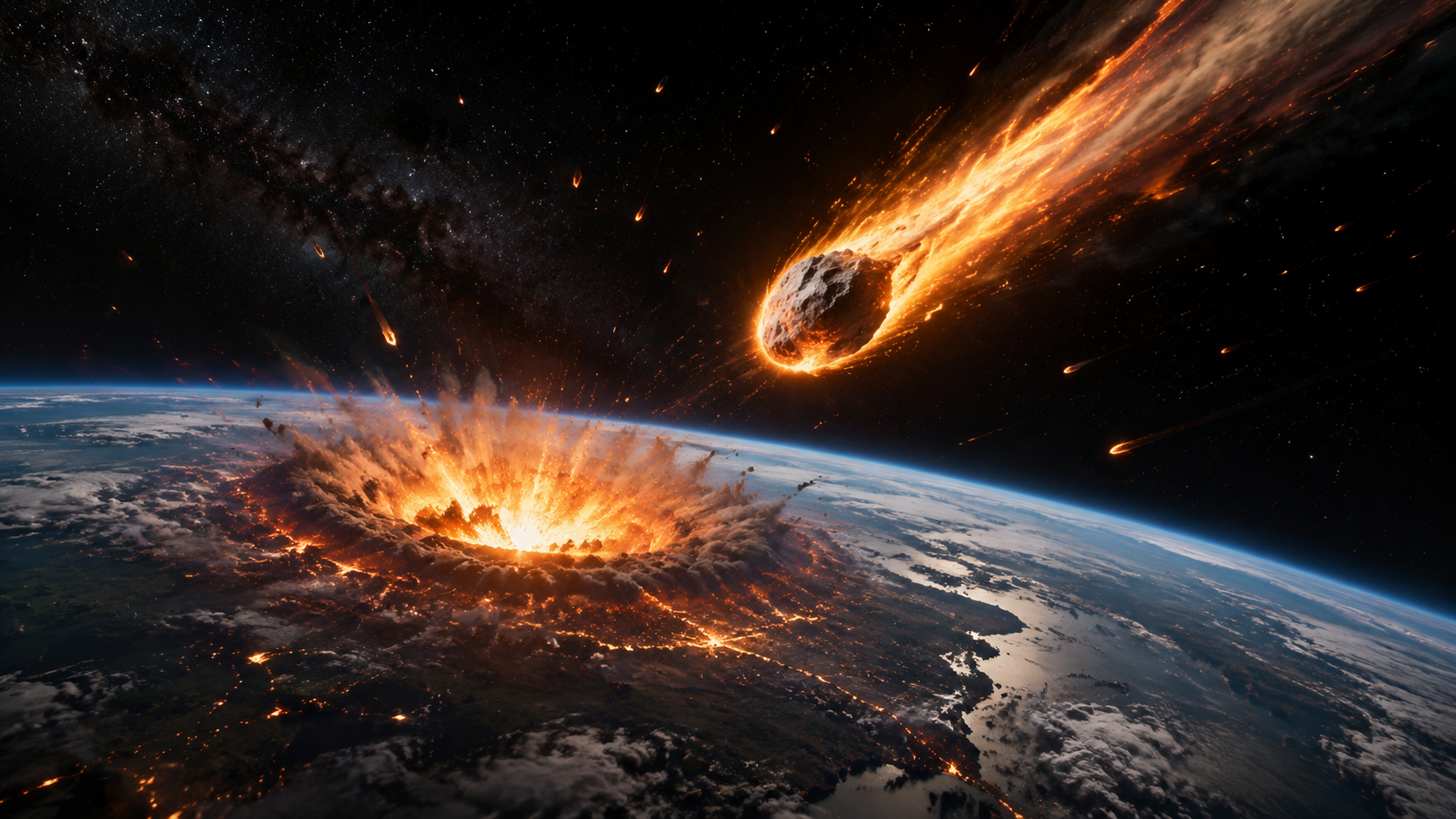
Possible Effects of Comet Collisions on Earth
Theme: Comets
Subject: Collision Effects
Article Summary: Comets are small celestial bodies composed mostly of ice, rock, and dust, and some of them travel from the distant regions of the Solar System toward the Sun. A comet whose orbit intersects with Earth's orbit has a low probability of colliding with our planet, but if it does occur, it can have very significant consequences. The impact's effect depends on the object's size, speed, composition, and the location of the collision. A small comet may disintegrate in the atmosphere, while a larger object can reach the surface and release a large amount of energy. A collision in the ocean can generate powerful waves; a land impact can create a wide crater, shock waves, high temperatures, and dust dispersed into the atmosphere. Very large collisions can carry enough material into the atmosphere to cause long-term changes in the global climate.
Date: 18-09-2026
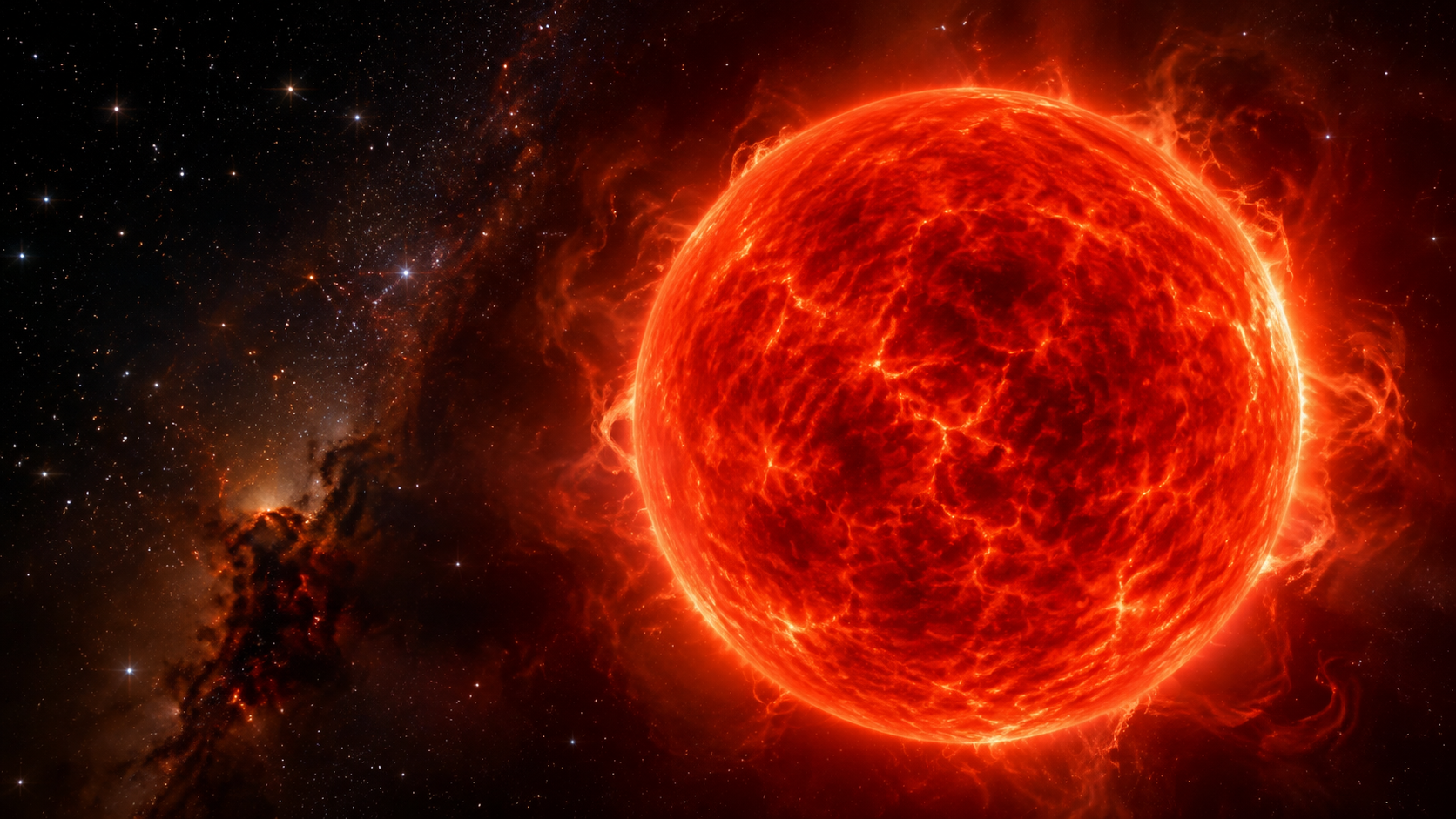
The Red Giant Phase Representing the Sun's Old Age
Theme: Stars
Subject: Red Giant
Article Summary: For about 5 billion years, the Sun has been in its main sequence phase, producing energy by converting hydrogen into helium in its core. When the hydrogen in the core decreases, the Sun's energy production balance will change, and the star will gradually progress into the red giant phase. During this period, the core will contract and heat up further, while fusion will continue in the hydrogen-rich region surrounding the core, causing the star's outer layers to expand significantly. As the expanding surface cools, the Sun will appear redder, but its total luminosity will be much higher than it is today. In the later stages of the red giant phase, helium in the core will fuse to form carbon, a heavier element. After the Sun's red giant period, its outer layers will disperse into space, leaving behind a hot, dense white dwarf.
Date: 18-09-2026
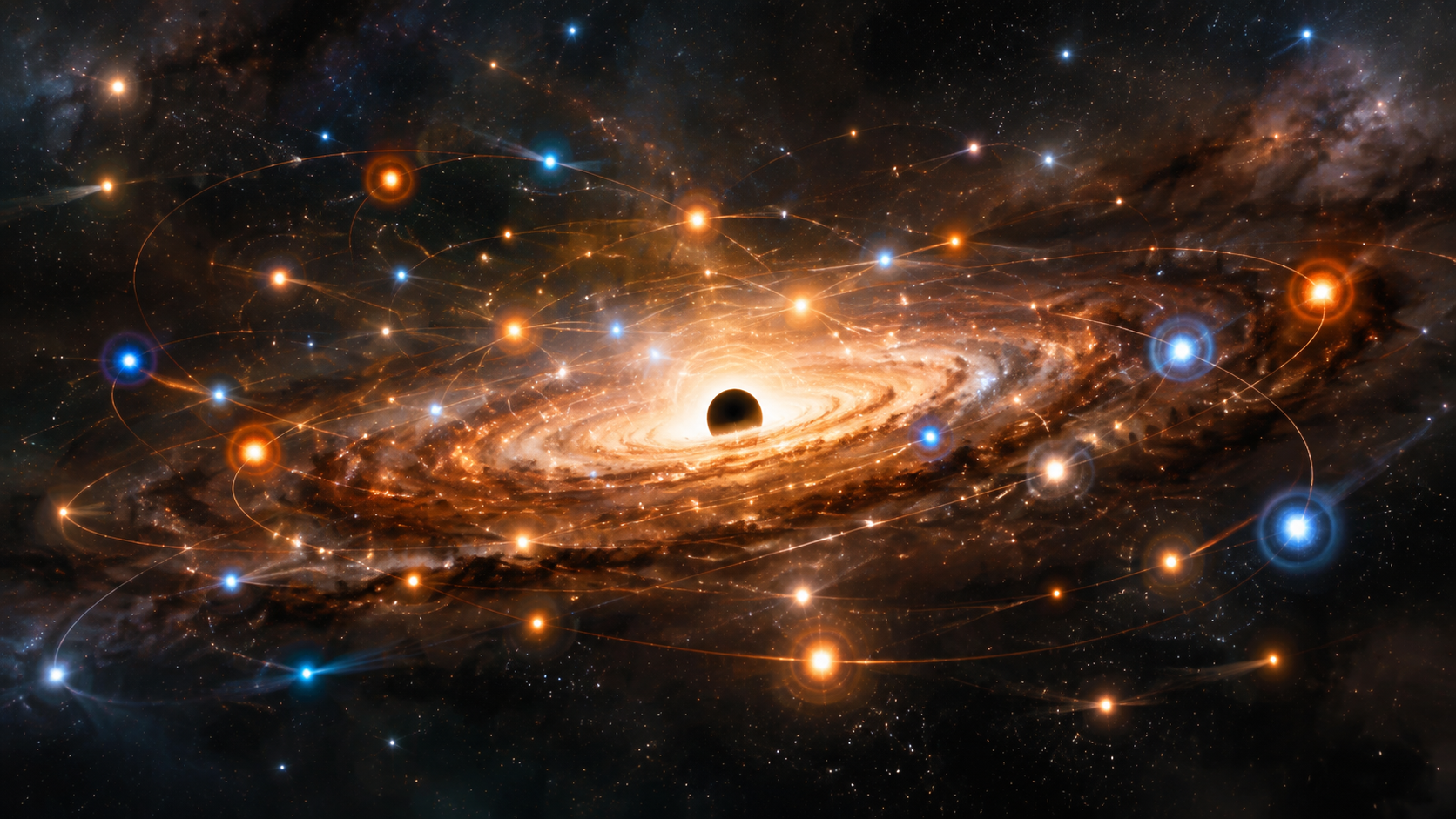
Stellar Motions Around Supermassive Black Holes at Galactic Centers
Theme: Black Holes
Subject: Stellar Orbits
Article Summary: At the centers of galaxies, there can be supermassive black holes reaching millions or even billions of solar masses. Although these black holes cannot be observed directly, the motions of the stars around them provide strong evidence for their existence. By measuring the orbits, velocities, and distances of stars from the central mass, the mass of the unseen object can be calculated. Sagittarius A* at the center of the Milky Way is one of the best-studied examples of this. Some stars near the center move in extremely fast and elliptical orbits very close to the black hole. In particular, the orbit of the star S2 has shown that a mass about four million times that of the Sun is concentrated in a very small region at the center. Monitoring stellar motions over many years makes it possible not only to confirm the existence of supermassive black holes, but also to investigate their masses and the properties of the surrounding space-time.
Date: 18-09-2026
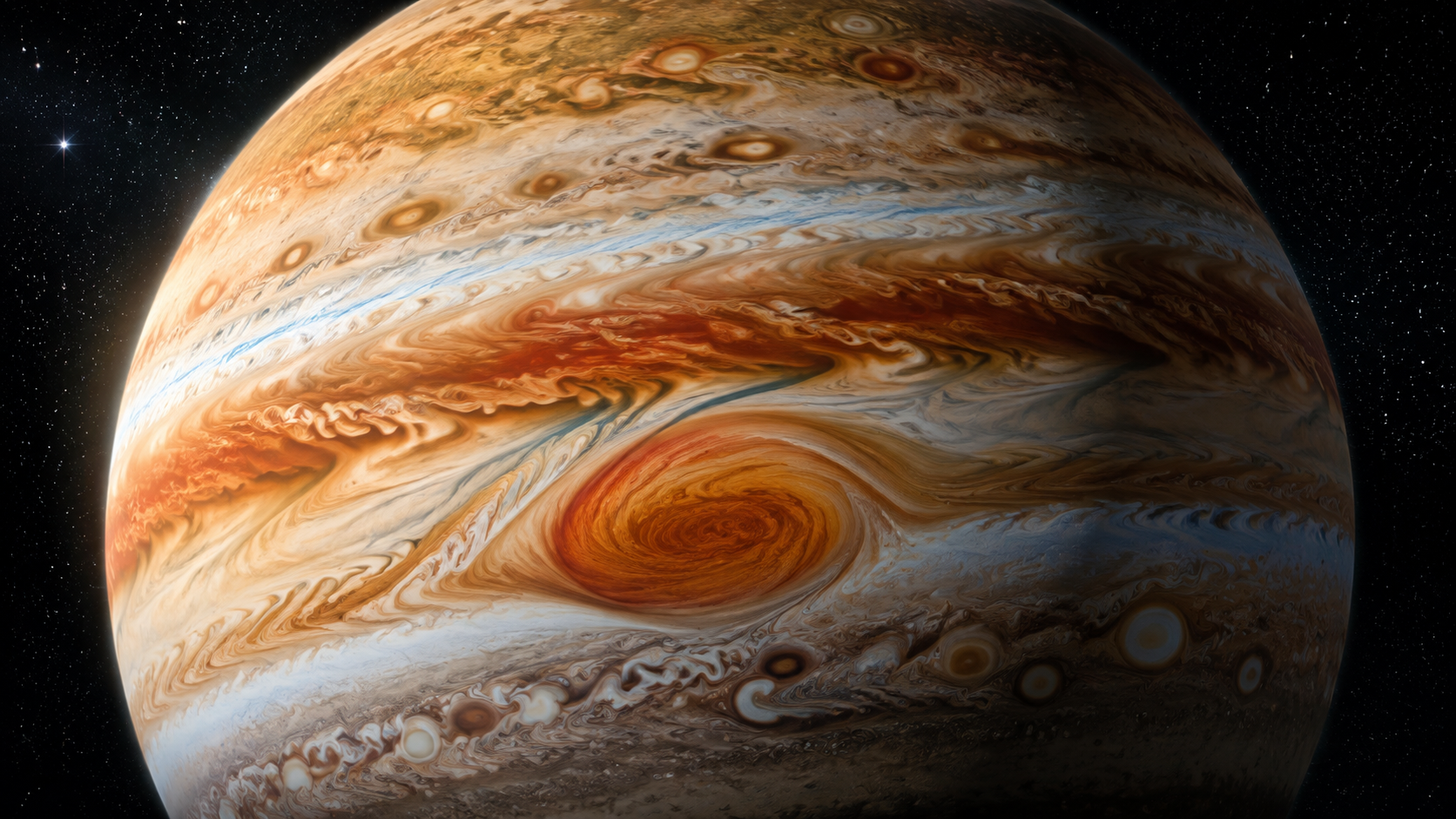
The Storms of the Giant Planet Jupiter and the Famous Great Red Spot
Theme: Planets
Subject: Jupiter Storms
Article Summary: Jupiter is the largest planet in the Solar System and, instead of a solid surface, it has a deep atmospheric layer composed mostly of hydrogen and helium. This atmosphere contains extremely strong winds, cloud bands moving in opposite directions, and massive storm systems. The most famous of these is the Great Red Spot, which has been observed for centuries. Located in Jupiter's southern hemisphere, this enormous atmospheric system is a long-lived anticyclonic storm that can cover an area larger than Earth and rotates on its own axis. The color of the Great Red Spot can change over time, and the size of the storm has decreased over long periods. Jupiter's rapid rotation, temperature differences in its atmosphere, and cloud layers moving at different speeds all contribute to the formation of complex and constantly changing weather systems on the planet.
Date: 18-09-2026
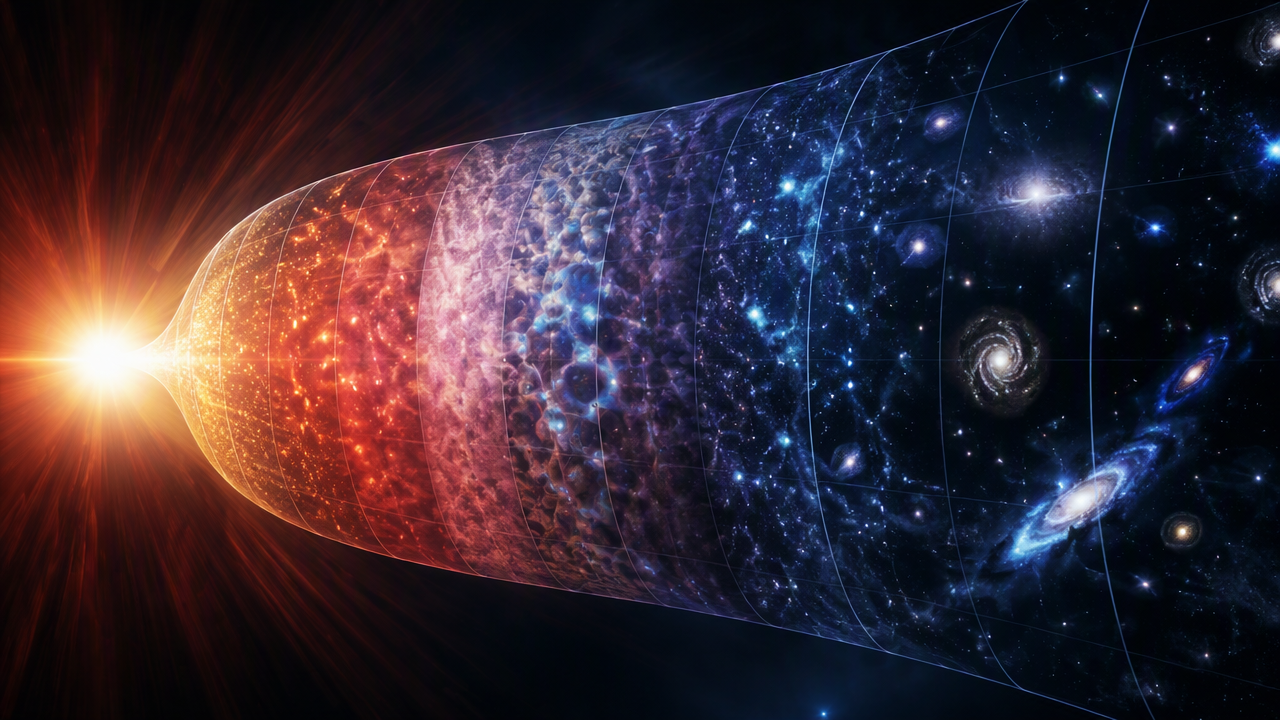
What Happened in the First Minutes of the Universe After the Big Bang
Theme: General Space
Subject: Early Universe
Article Summary: Immediately after the Big Bang, the universe was much hotter, denser, and smaller than it is today. As expansion continued, temperature and density rapidly decreased. While interactions between fundamental particles took place in the first seconds, by the first minutes, protons and neutrons began to come together to form light atomic nuclei. This process is called Big Bang nucleosynthesis. By the end of the first minutes, the universe mostly contained hydrogen nuclei and helium nuclei, with smaller amounts of light nuclei such as deuterium and helium-3 also forming. However, the universe did not yet have the structures we see today, such as stars, galaxies, or neutral atoms.
Date: 18-09-2026