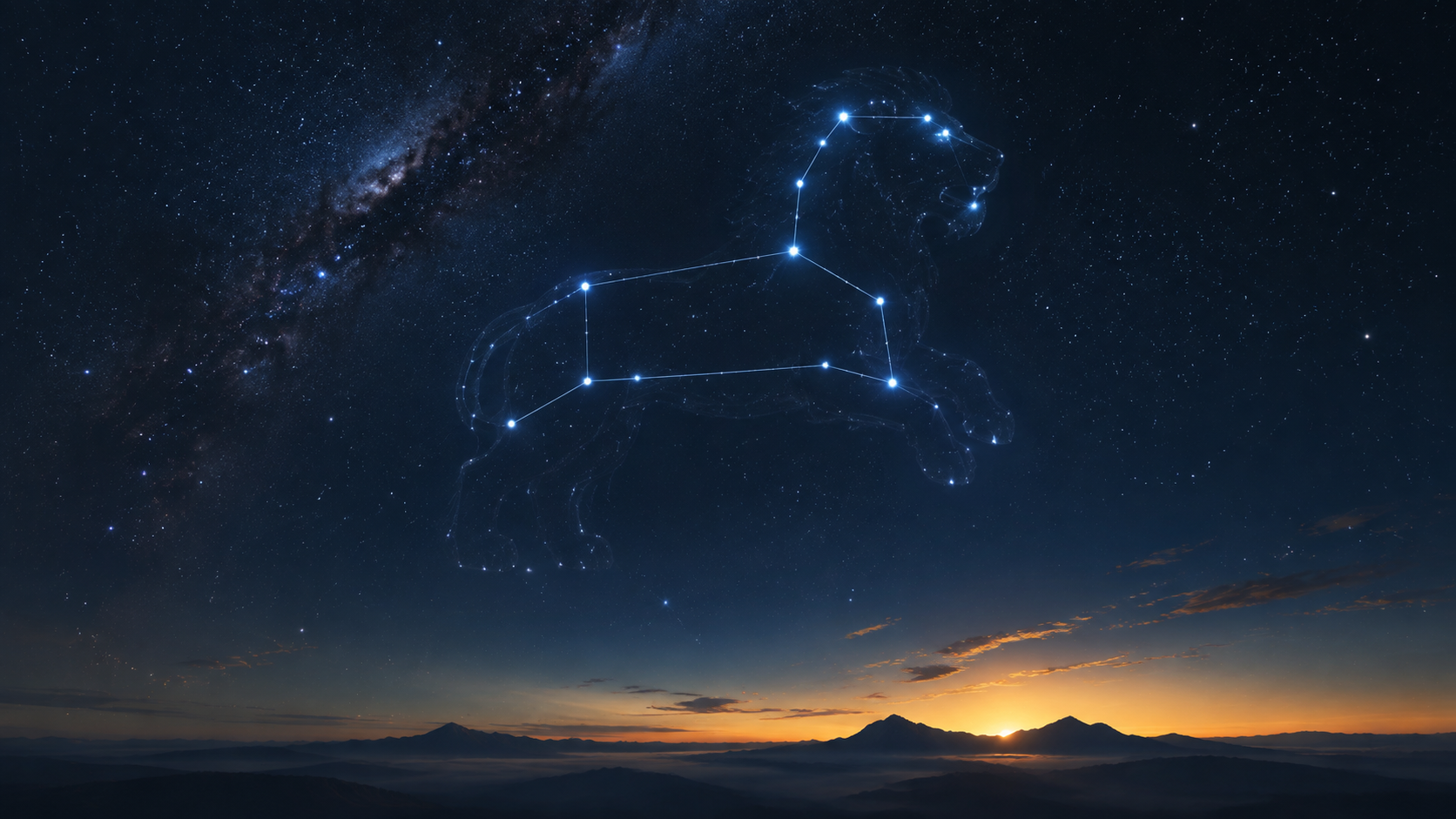
The Magnificent Place of the Leo Constellation in the Spring Sky
Theme: Constellations
Subject: Leo Constellation
Article Summary: Leo is a well-known constellation in the northern sky that becomes prominent during the spring months and is thought to resemble a lion due to its shape. Its most striking feature is the Sickle, a pattern of stars forming a backward question mark that represents the lion's body and head. At the tip of this structure lies Regulus, Leo's brightest star and one of the most important stars in the sky. Within Leo's boundaries, there are also many distant galaxies; thus, the constellation stands out not only for its bright stars but also for its deep-sky objects. Rising in the eastern and southeastern directions on spring nights, Leo can be easily found in the sky using the pointer stars of the Big Dipper.
Date: 19-09-2026
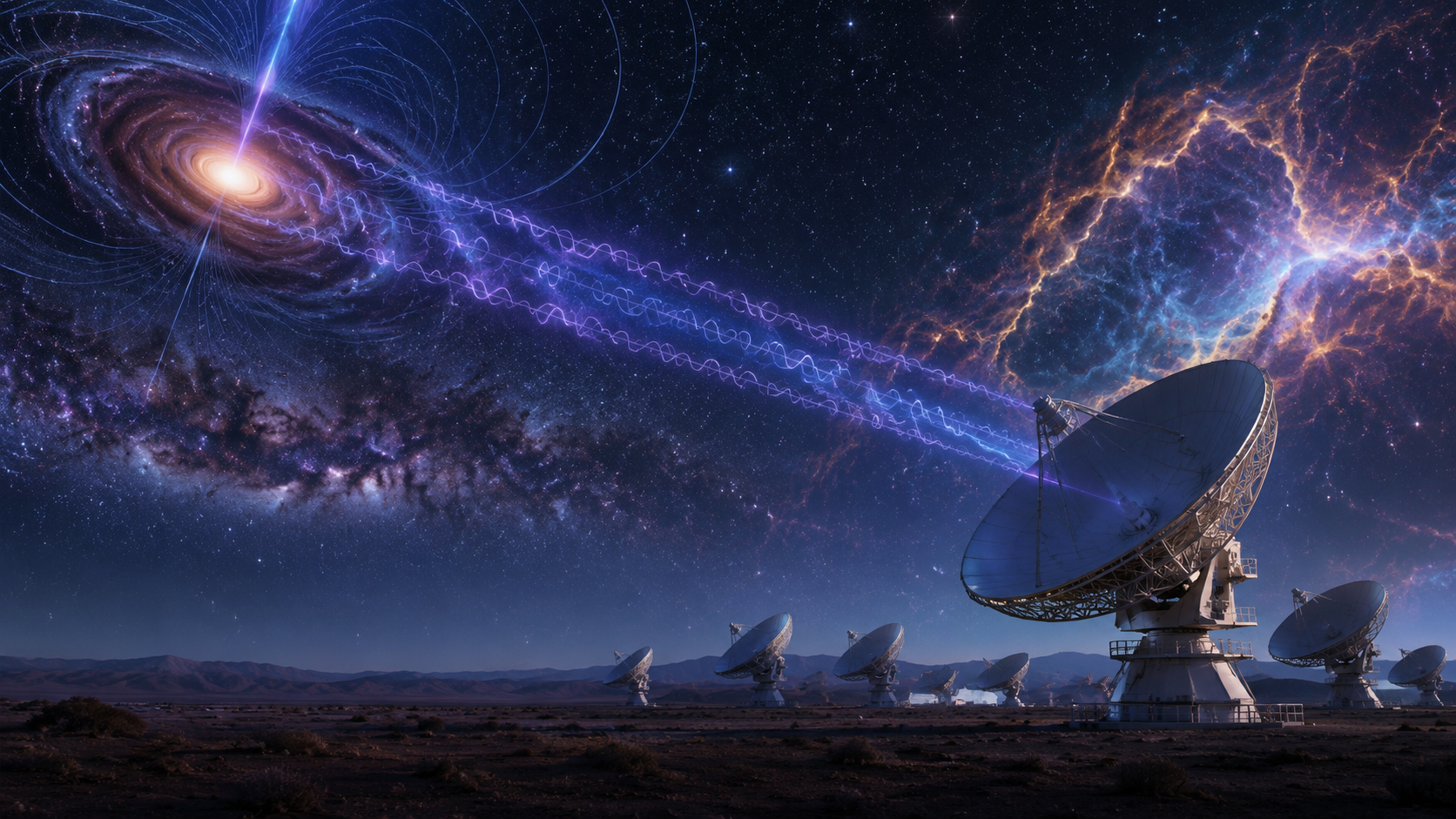
Methods for Listening to the Invisible Cosmic Universe with Radio Telescopes
Theme: Different Methods
Subject: Radio Telescopes
Article Summary: The universe emits energy across a much broader range of electromagnetic radiation than the visible light detectable by the human eye. Radio waves occupy the long-wavelength part of this spectrum and carry information about certain celestial objects and cosmic events that cannot be obtained in visible light. Radio telescopes are used to collect these faint radio signals in order to study the positions, properties, and motions of sources in the sky. Through radio observations, various sources such as cold hydrogen gas, star-forming regions, pulsars, active galactic nuclei, and the cosmic microwave background can be investigated. The working principle of radio telescopes is not similar to how the human ear listens to sound; the electromagnetic signals collected by antennas are processed by electronic systems and converted into scientific data. This method enables the discovery of many cosmic structures that remain dark or hidden in visible light.
Date: 19-09-2026
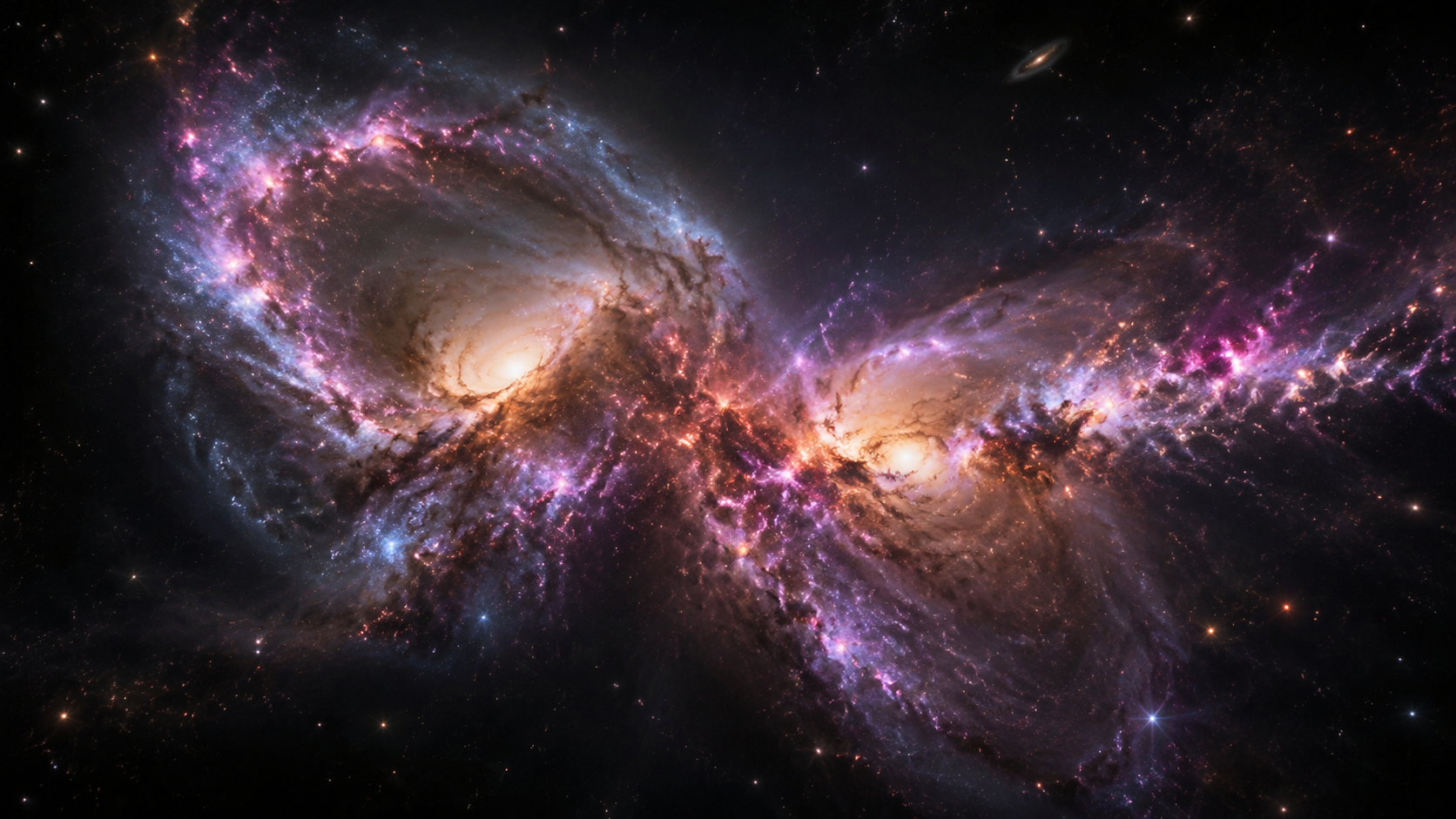
The Intense Triggering of New Star Formation by Galaxy Mergers
Theme: Galaxies
Subject: Galaxy Mergers and Star Formation
Article Summary: Galaxies are massive cosmic systems that contain billions of stars as well as large amounts of gas and dust. When two galaxies approach each other, their structures begin to distort and interact due to their mutual gravity. During this process, gas clouds can become compressed, their densities can increase, and conditions suitable for the formation of new stars may arise. In particular, mergers of gas-rich galaxies can lead to star formation rates much higher than normal within a short period. These periods are called starburst events. During a merger, the stars of the galaxies mostly do not collide directly with each other; the main strong interaction is seen in the movement of gas and dust within the galaxies. The dense regions formed by the compression of gas collapse, laying the foundations for new star clusters.
Date: 19-09-2026
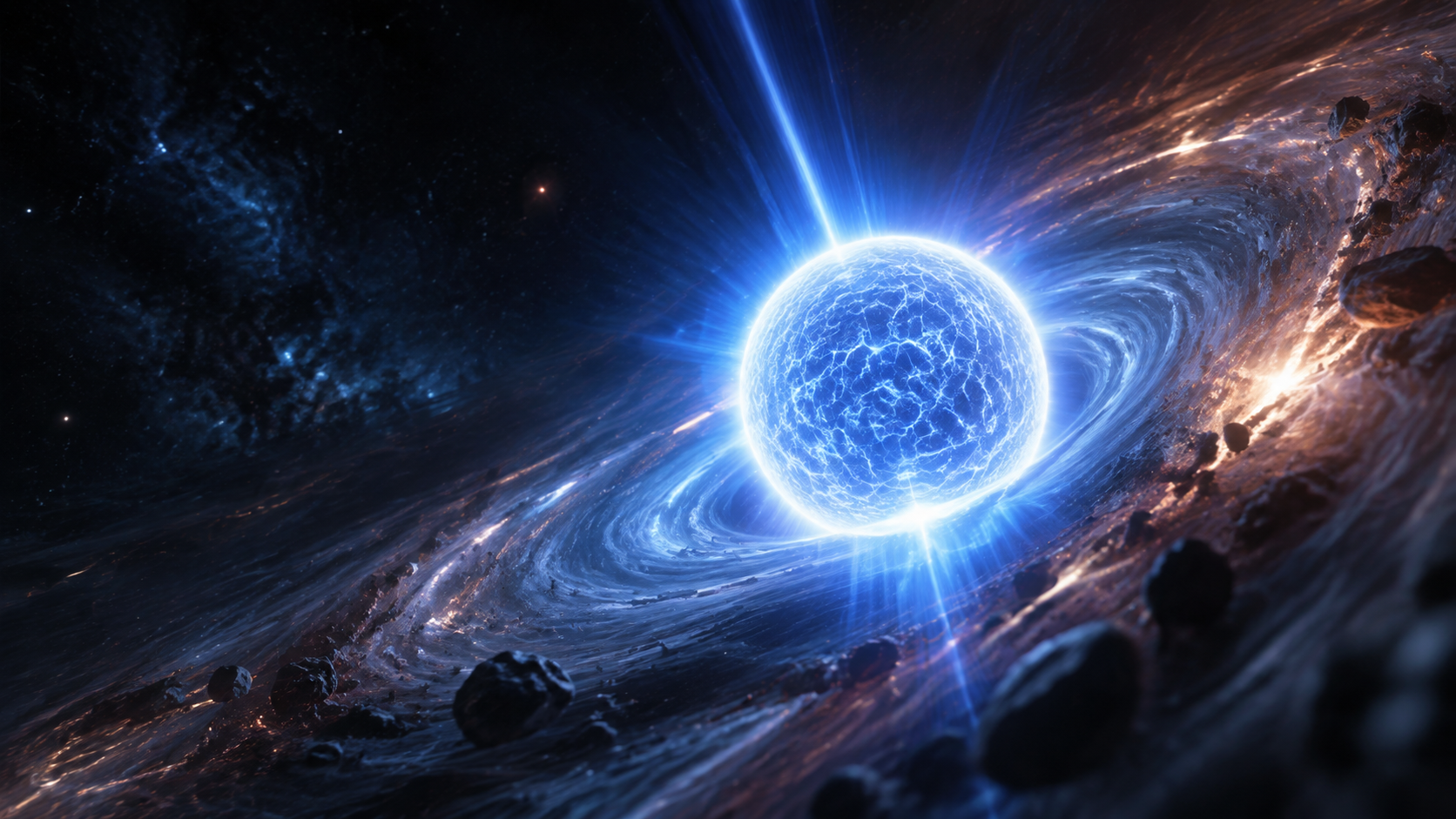
Effects of Extreme Gravity on the Surface of Neutron Stars
Theme: Neutron Stars
Subject: Extreme Gravity
Article Summary: Neutron stars are extremely dense stellar remnants left behind after massive stars undergo supernova explosions. Because they concentrate a significant portion of their mass into a volume only a few tens of kilometers across, the gravity at their surface can be billions of times stronger than that of Earth. This intense gravity affects the behavior of matter near the neutron star's surface, the movement of light, and the measurement of time. Light emitted from the surface can be observed at a lower frequency due to energy loss caused by the strong gravitational field. At the same time, the density of the neutron star causes matter on its surface to exist under extremely high pressure and temperature. These extreme conditions place neutron stars among the most dense and powerful natural gravitational objects in the universe.
Date: 19-09-2026
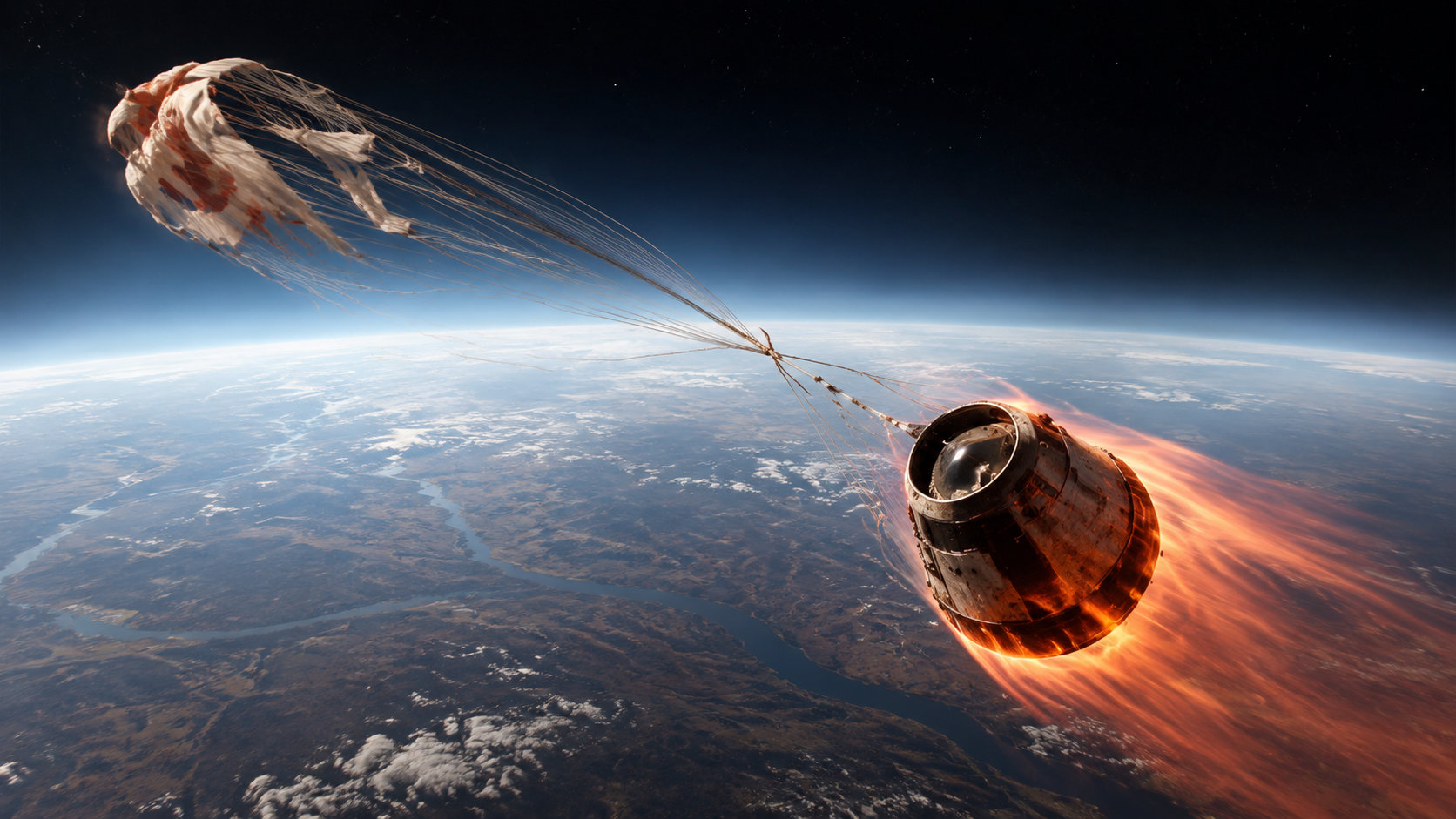
The Soyuz 1 Parachute Accident: One of the First Major Space Disasters
Theme: Accidents
Subject: Soyuz 1 Accident
Article Summary: Soyuz 1 was the first crewed flight in the Soviet Union's manned Soyuz program and began on April 23, 1967, with cosmonaut Vladimir Komarov as the sole participant. During the mission, a series of technical problems arose in the spacecraft. The failure of one of the solar panels to deploy reduced electrical power, while issues with the guidance system made controlling the vehicle difficult. After deciding to terminate the mission early, Soyuz 1 performed its reentry maneuver to return to Earth. However, during descent, a deployment problem with the main parachute system prevented the capsule from slowing down safely. Soyuz 1 crashed to the ground at high speed, and Vladimir Komarov lost his life. The accident became a tragic turning point, demonstrating how crucial it is to thoroughly test complex systems in crewed spaceflight, especially the reliability of reentry and landing mechanisms.
Date: 19-09-2026
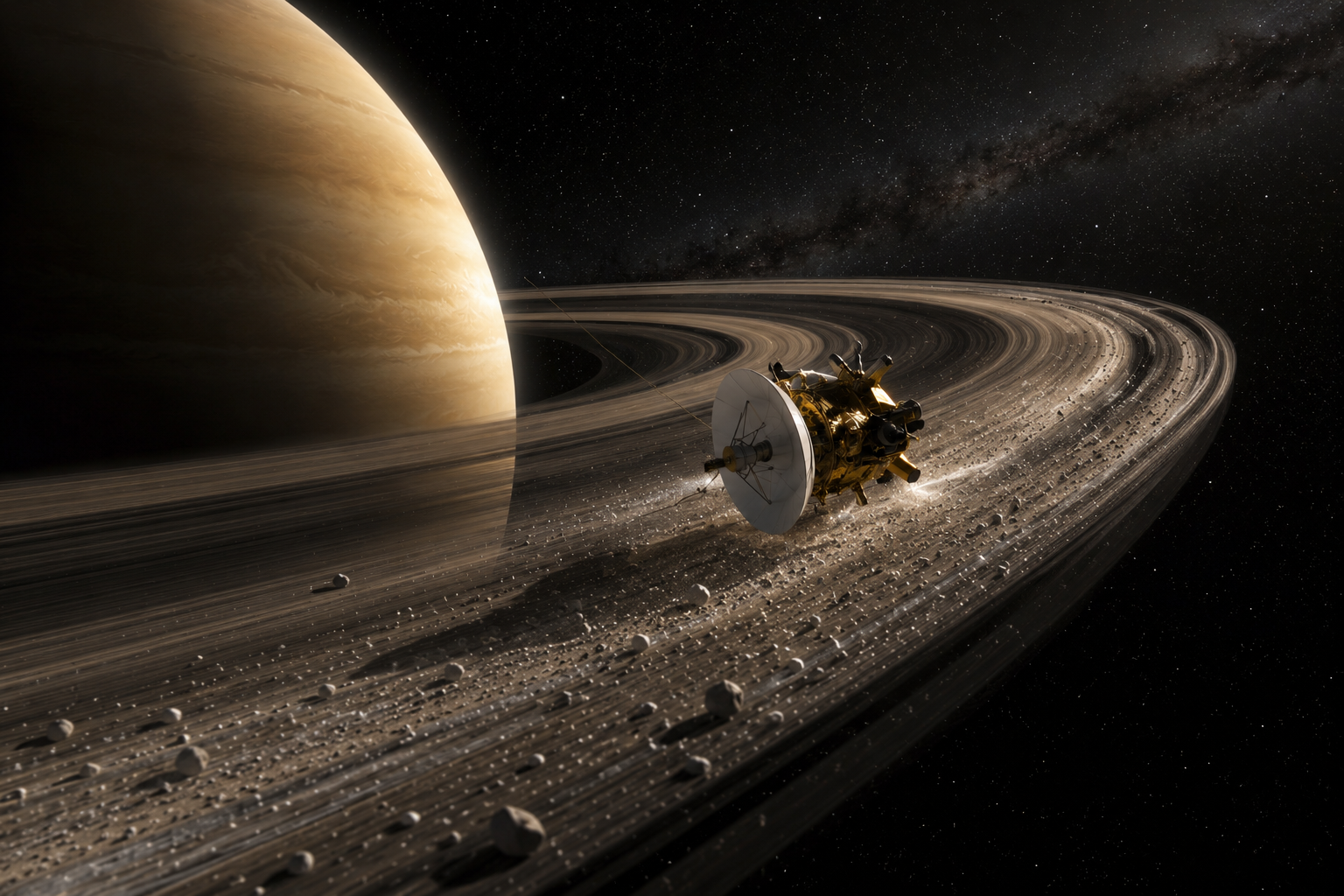
Cassini Spacecraft's Final Grand Dive Between Saturn's Rings
Theme: Spacecraft
Subject: Cassini's Final Dive
Article Summary: The Cassini spacecraft was a space mission that studied the Saturn system for many years, providing detailed data about the planet's rings, moons, and atmosphere. In the final phase of the mission, Cassini began passing through the narrow region between Saturn and its innermost rings. During these passages, the spacecraft had the opportunity to closely examine the structure of the rings, the upper layers of Saturn's atmosphere, and the particle environment surrounding the planet. At the end of the mission, Cassini entered Saturn's atmosphere in a controlled manner and disintegrated. This final dive not only marked the completion of the spacecraft's mission but also enabled the collection of measurements from Saturn's atmosphere.
Date: 19-09-2026
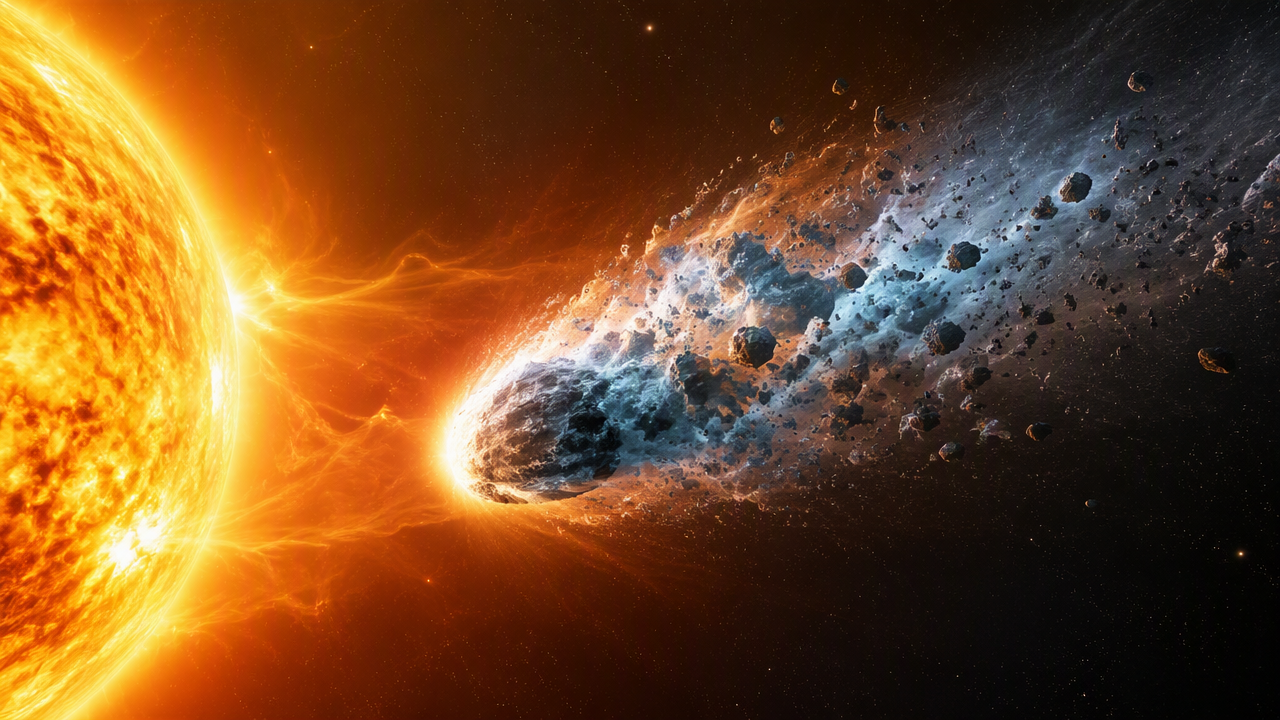
Disintegration Processes of Comets Approaching Too Close to the Sun
Theme: Comets
Subject: Comet Disintegration
Article Summary: Comets are small celestial bodies composed largely of ice, rock, and dust. As they approach the Sun, the energy they receive increases, causing volatile substances on and beneath their surfaces to begin sublimating into gas. This process leads to the formation of a coma around the nucleus and, under the influence of the solar wind, the development of tails. In comets that pass very close to the Sun, not only gas and dust emission occurs; intense heating, gas pressure, rotational motion, and tidal forces caused by the Sun's gravity can stress the nucleus. Especially in comets passing extremely close to the Sun, the nucleus may fragment or completely vaporize. As a result of disintegration, smaller fragments may form and continue moving toward the Sun.
Date: 19-09-2026
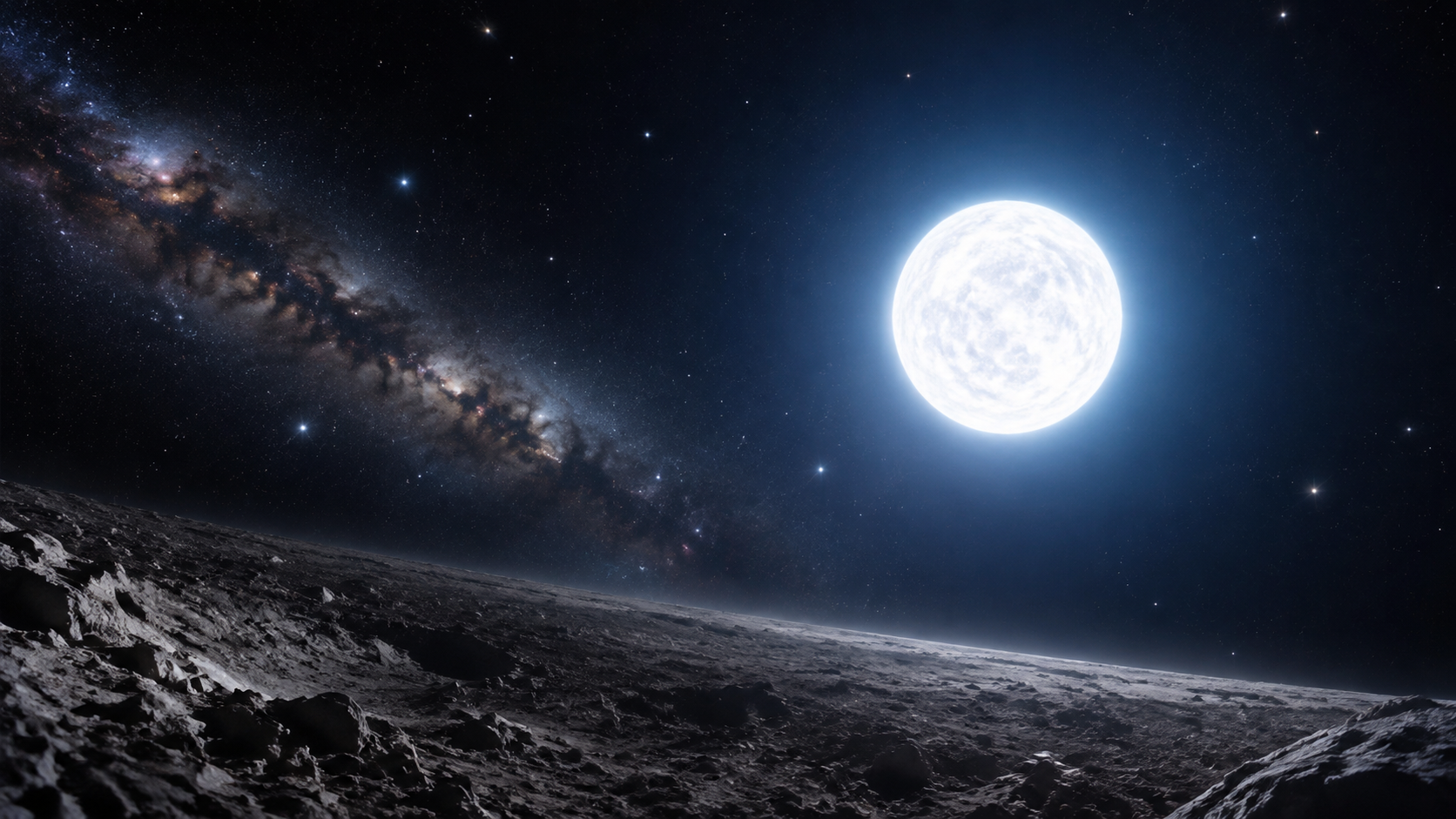
The Bright Yet Quiet End of Sun-like Stars: White Dwarfs
Theme: Stars
Subject: White Dwarfs
Article Summary: Sun-like stars, at the end of their lives, exhaust the hydrogen fuel in their cores and move on to more advanced stages, shedding their outer layers into space. What remains is a white dwarf, composed of the star’s hot and dense core. White dwarfs no longer undergo nuclear fusion in their cores as normal stars do; nevertheless, they initially appear bright due to their very high temperatures. Over time, they slowly cool down by radiating energy into their surroundings and become increasingly dim. These small stellar remnants, which can be composed largely of carbon and oxygen, are notable for their extremely dense matter and strong gravity. The white dwarf phase is one of the final stages in the life cycle of stars with masses similar to the Sun.
Date: 19-09-2026
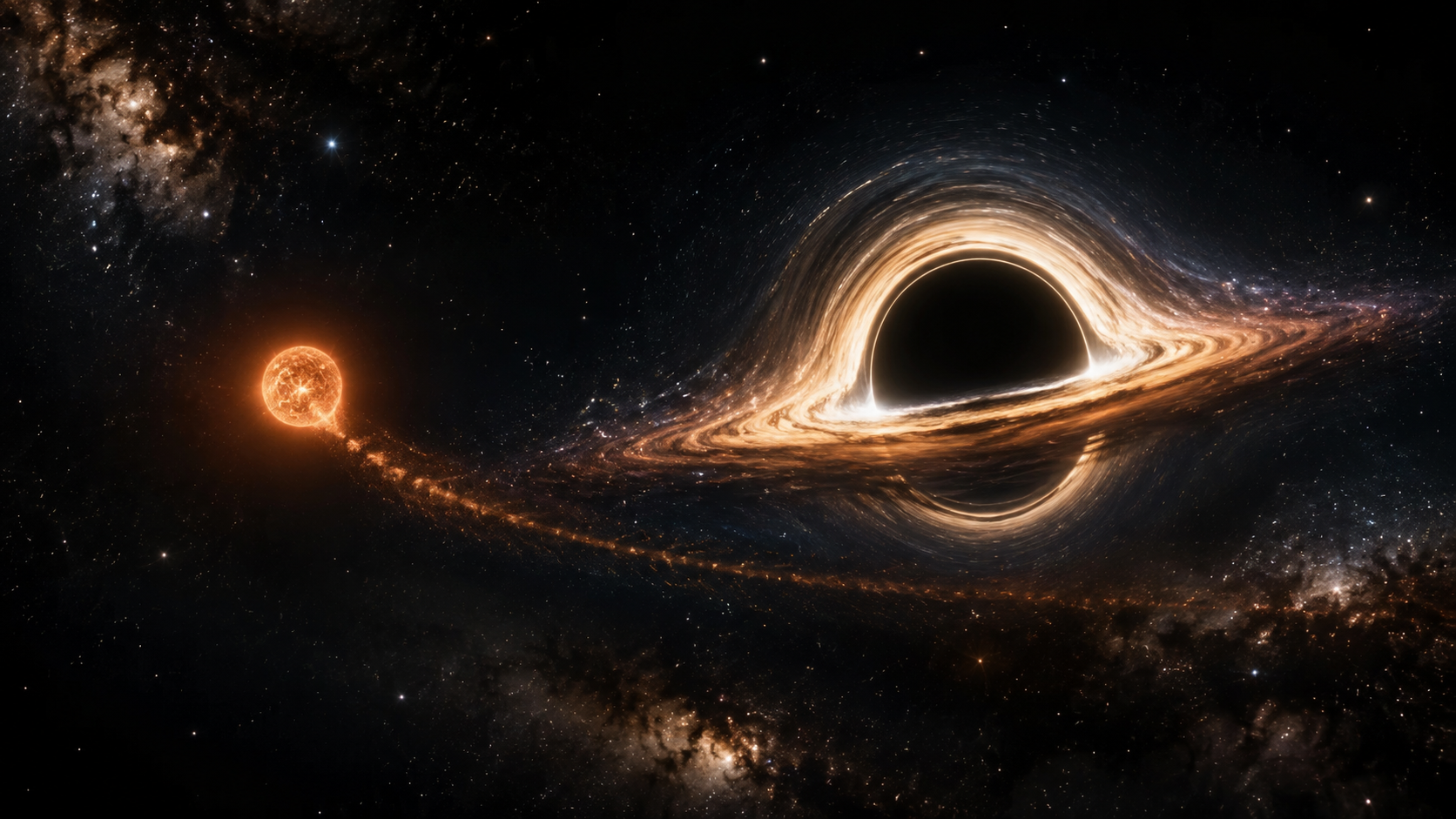
Time Dilation Due to the Massive Gravitational Pull of Black Holes
Theme: Black Holes
Subject: Time Dilation
Article Summary: The powerful gravity of black holes affects not only the movement of matter and light, but also causes time to be measured at different rates by different observers. According to the theory of general relativity, time passes more slowly in a strong gravitational field created by a massive object compared to a distant observer. This effect becomes more pronounced as one approaches a black hole and becomes extremely strong near the event horizon. A distant observer can measure a clock approaching a black hole as ticking more and more slowly, and appearing to move extremely slowly near the event horizon. In contrast, an observer falling into the black hole feels that their own clock is running normally. This shows that time is not an absolute concept progressing at the same rate for everyone, and that space-time is affected by gravity.
Date: 19-09-2026
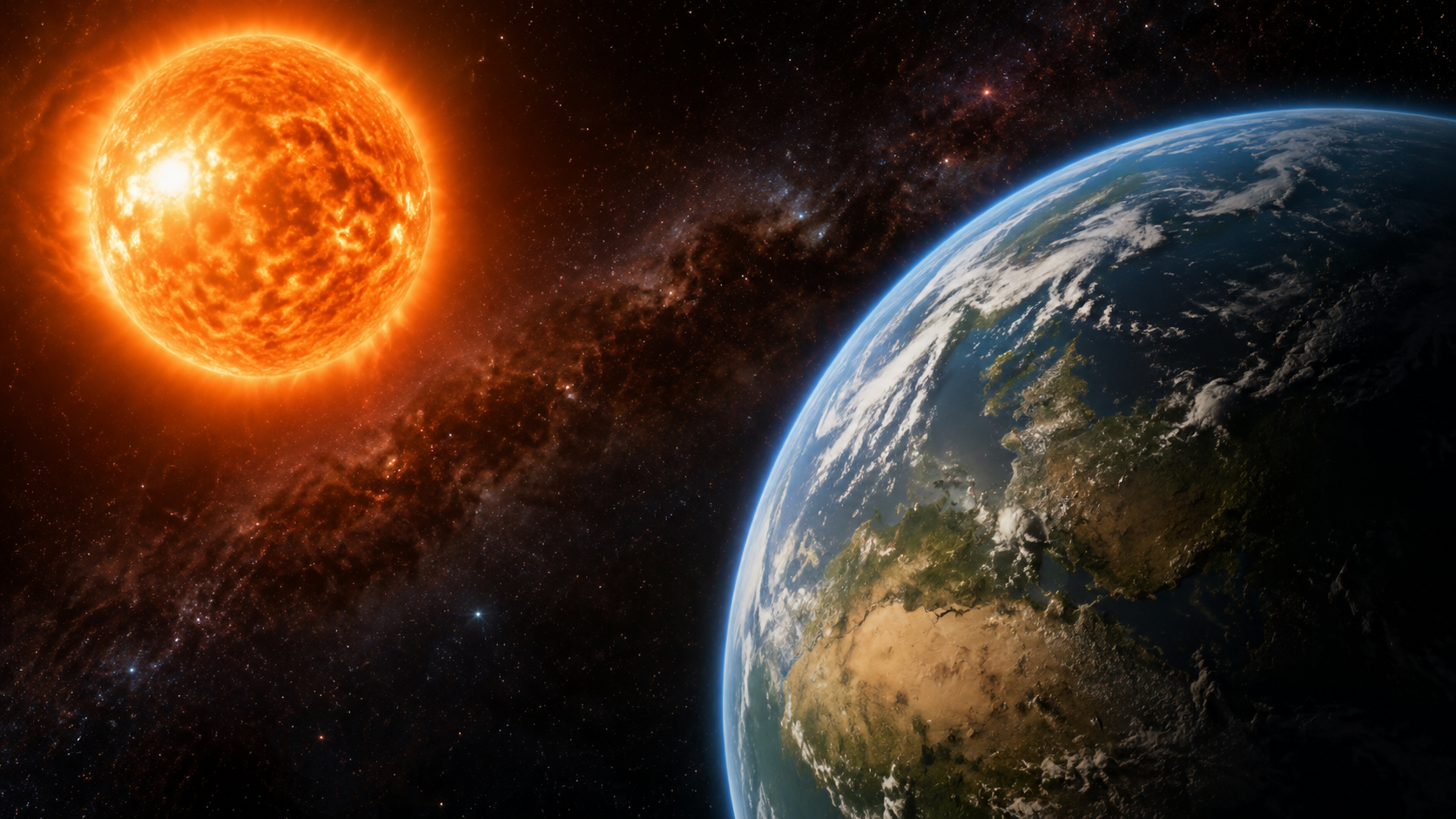
How Earth Maintains Conditions Suitable for Liquid Water and Life
Theme: Planets
Subject: Earth's Habitability
Article Summary: Earth is a planet that simultaneously possesses multiple physical conditions allowing liquid water to exist on its surface for extended periods. Its distance from the Sun plays a fundamental role in keeping surface temperatures suitable for water to remain in liquid form. The atmosphere traps heat, limiting extreme changes in surface temperature and creating an important environment that reduces the loss of water to space. Earth's mass is also significant, as it provides strong gravity to retain its atmosphere. Additionally, the water cycle, carbon cycle, and long-term interactions between rocks and the atmosphere contribute to balancing the planet's climate over time. The interplay of these conditions forms a complex system that has enabled Earth to preserve liquid water on its surface for billions of years.
Date: 19-09-2026
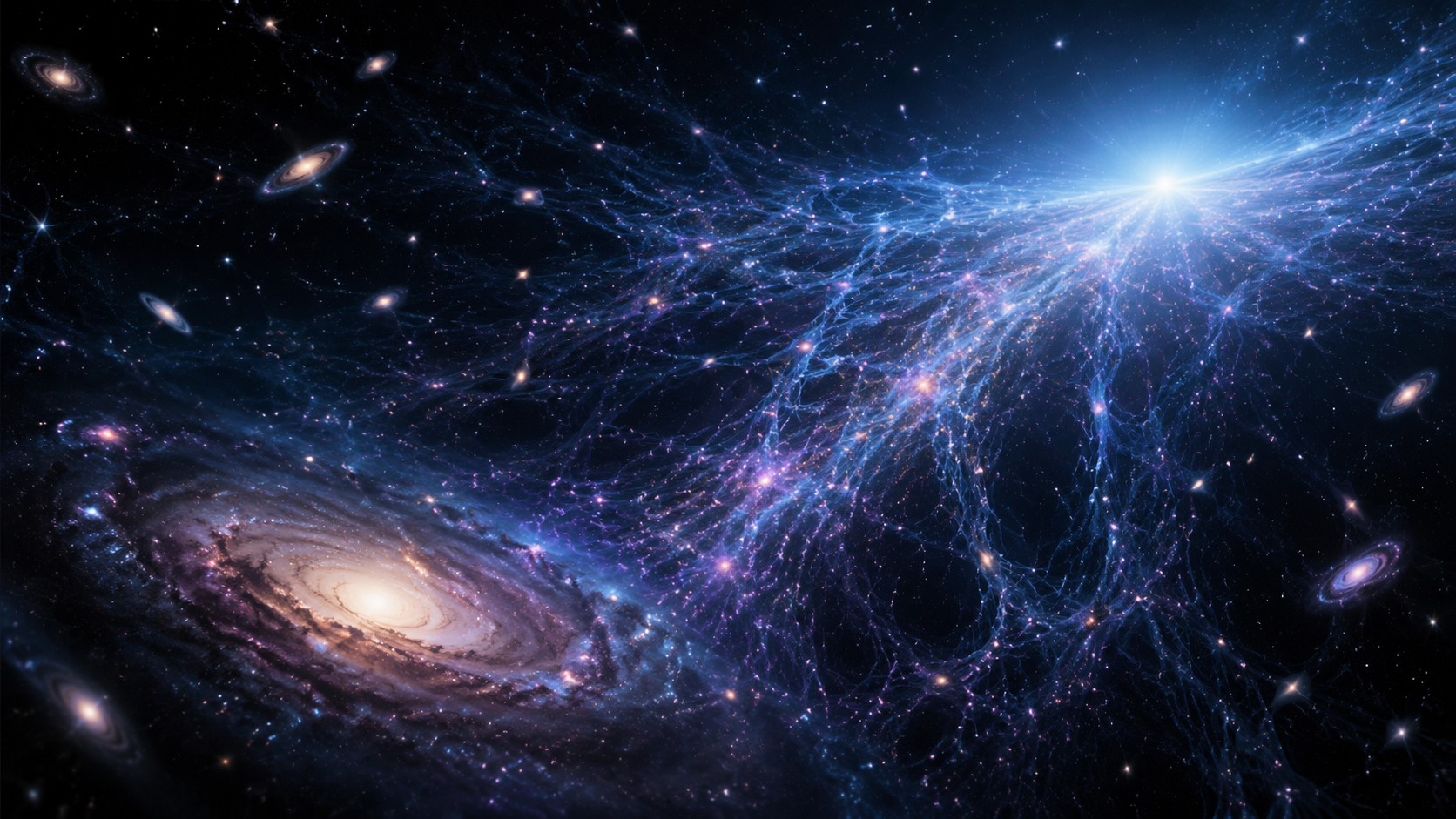
The Hidden Role of Dark Energy in the Continuous Expansion of the Universe
Theme: General Space
Subject: Dark Energy
Article Summary: The expansion of the universe was revealed by studying the redshifts observed in the light from distant galaxies. However, observations show that the rate of expansion has not remained constant over time and that the expansion is currently accelerating. The main concept used to explain this acceleration is dark energy. Since dark energy does not emit light and cannot be directly observed, its nature is not yet fully understood. Its existence is inferred from its effects on the large-scale expansion behavior of the universe and the distribution of galaxies. In current cosmological models, dark energy is considered a component that constitutes the majority of the universe's total energy content and is associated with the expansion of space.
Date: 19-09-2026
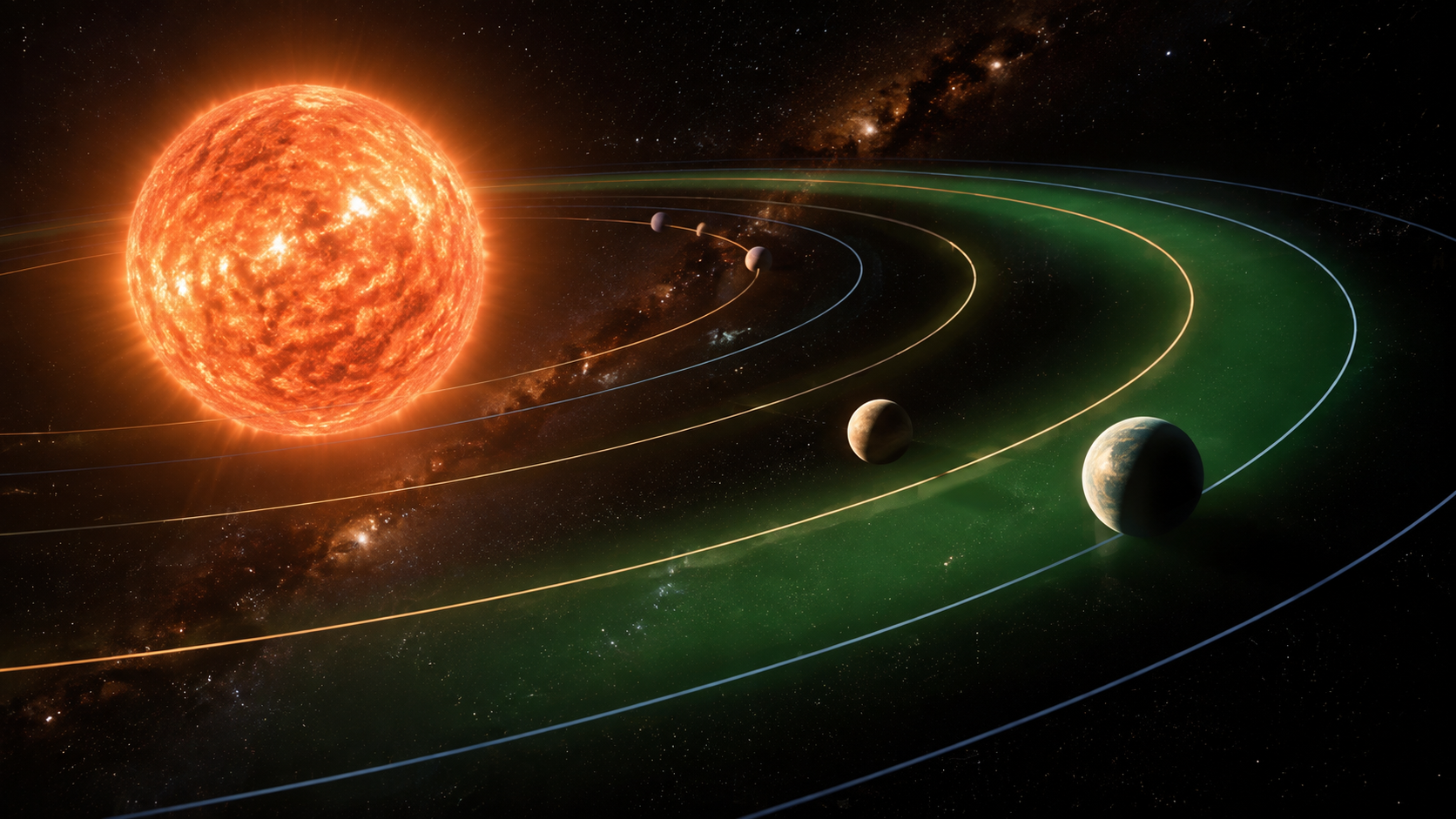
The Current State of Exoplanet Research in Light of the Habitable Zone Concept
Theme: New Developments
Subject: Habitable Zone
Article Summary: The habitable zone is the range of distances around a star where, if surface conditions are suitable, liquid water could exist on a planet. The location of this zone varies depending on the star's temperature and the amount of energy it emits. The presence of an exoplanet in the habitable zone does not necessarily mean it harbors life; the planet's atmosphere, surface conditions, mass, and the activity of its star must also be considered. Today, exoplanet research is not limited to determining the distances of planets from their stars. Using transit observations, radial velocity measurements, and spectroscopic analyses, more detailed information about the atmospheres and physical properties of planets is being obtained. These studies particularly focus on investigating the characteristics of planets that are close to Earth's size and located in the habitable zones of their stars.
Date: 19-09-2026