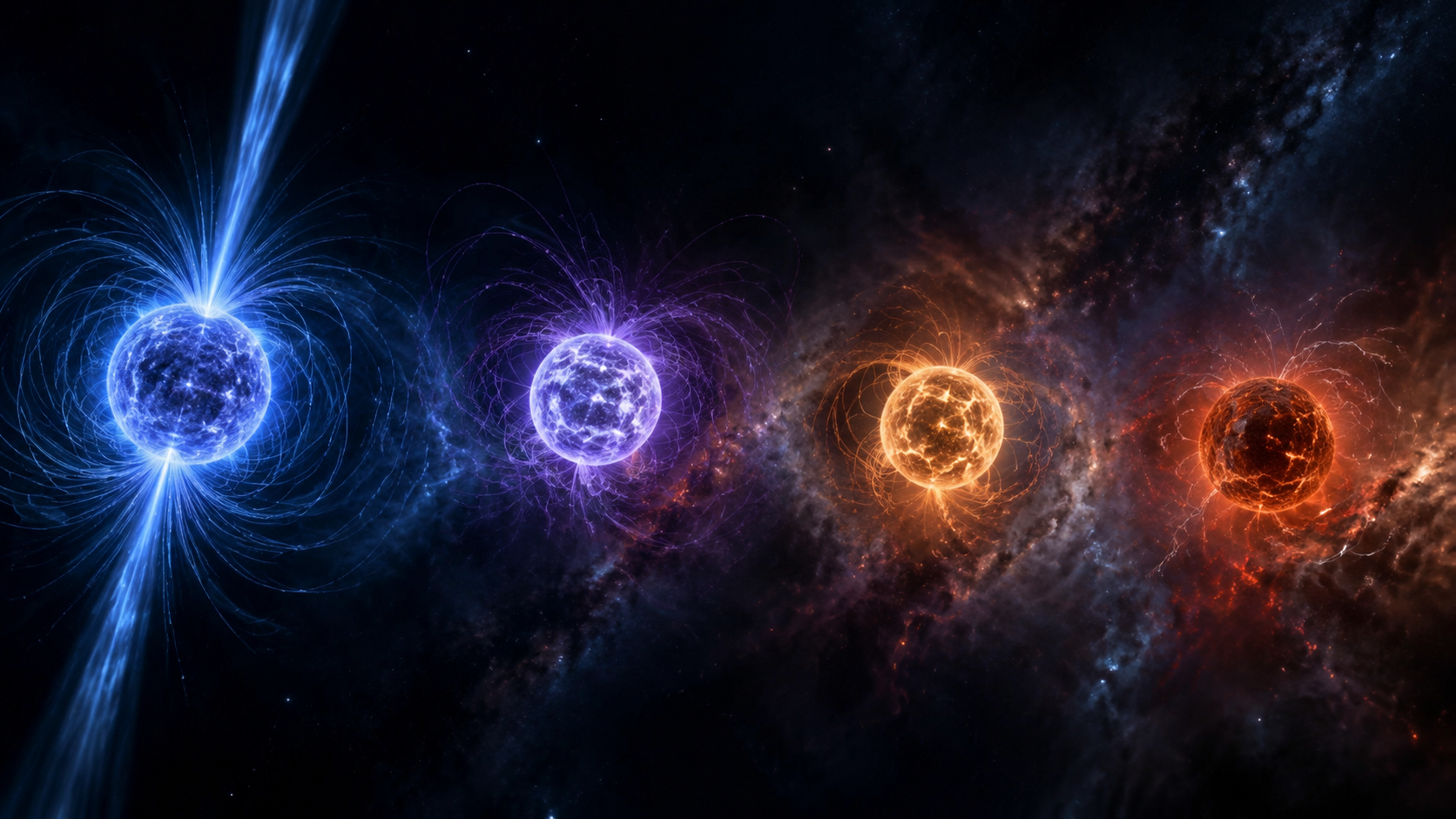
The Evolution of Neutron Star Magnetic Fields Over Time
Theme: Neutron Stars
Subject: Magnetic field
Article Summary: Neutron stars are dense stellar remnants with extremely strong magnetic fields. Magnetars, in particular, possess some of the most powerful magnetic fields known. These fields do not remain constant over time; they change due to the star's rotation, internal structure, and the release of magnetic energy. The evolution of the magnetic field plays a crucial role in understanding the high-energy radiation emitted by neutron stars.
Date: 20-09-2026
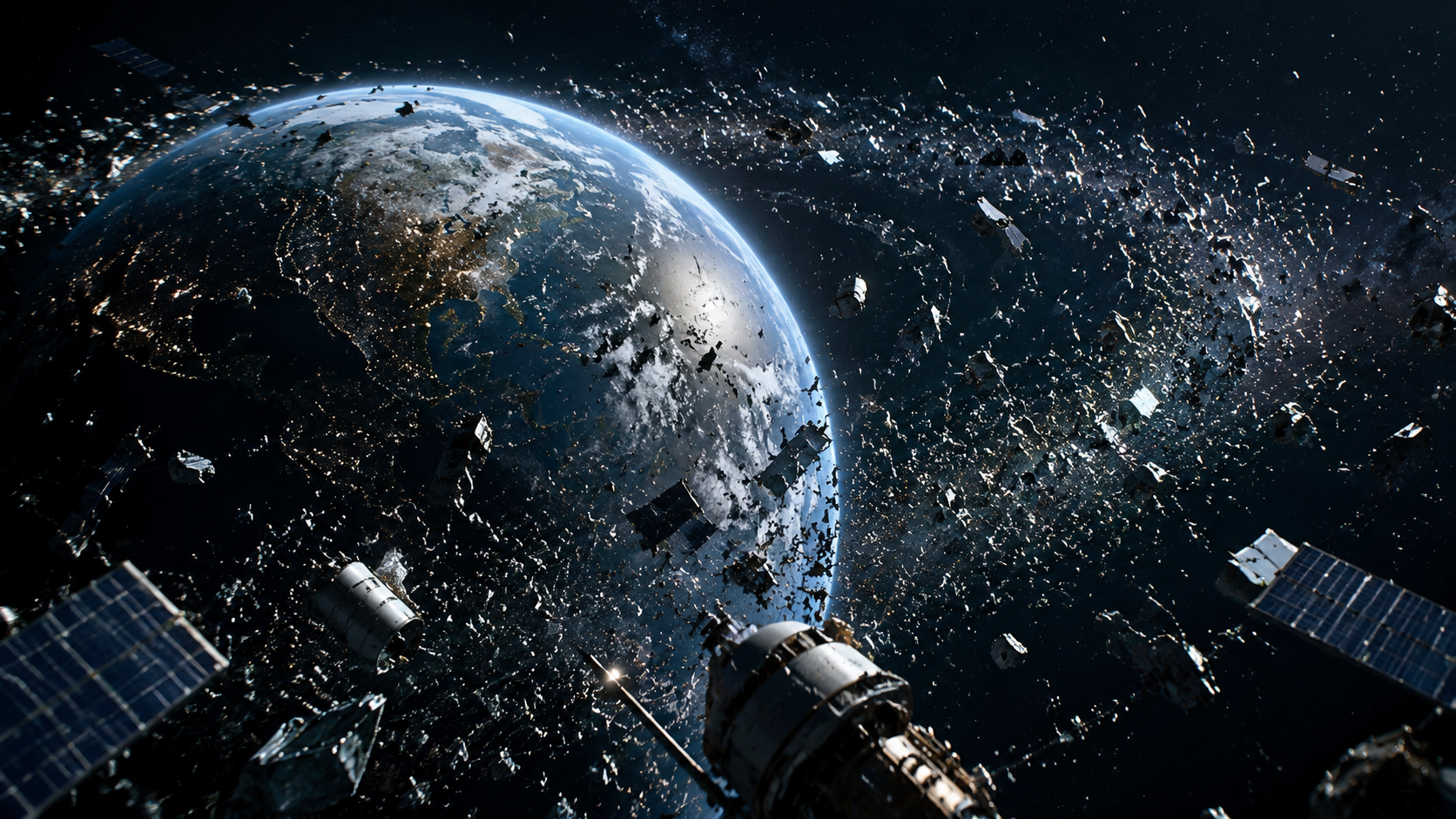
Collision Risk of Space Debris and the Possibility of the Kessler Syndrome
Theme: Accidents
Subject: Space debris
Article Summary: There are numerous objects in Earth's orbit composed of decommissioned satellites, rocket parts, and other man-made items. Collisions between these objects create new fragments. As the number of fragments increases, the likelihood of further collisions also rises. The Kessler Syndrome refers to the possibility that this process could progress in a chain reaction, making space activities increasingly difficult in certain orbits.
Date: 20-09-2026
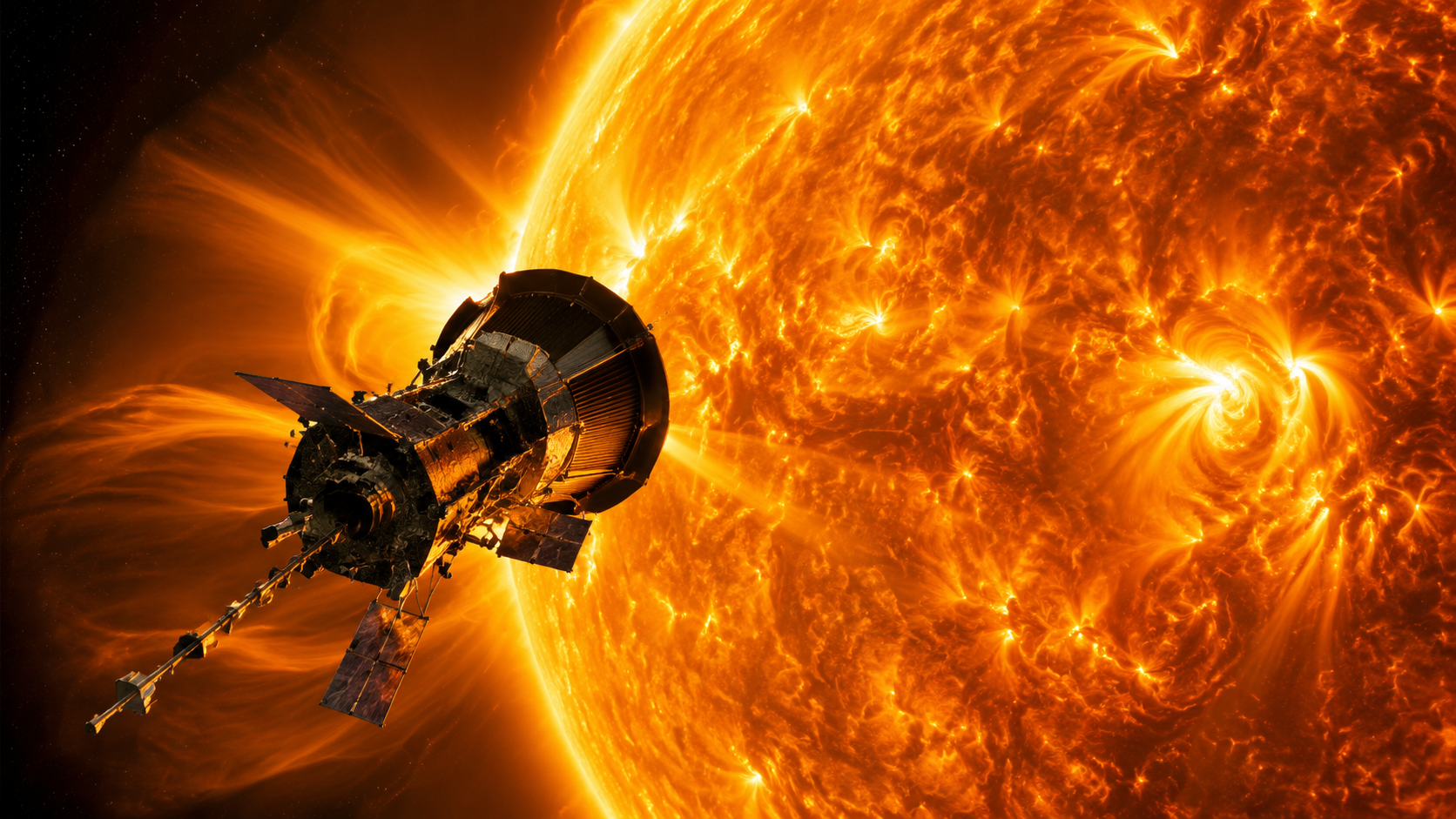
Parker Solar Probe and the Journey to the Sun's Corona
Theme: Spacecraft
Subject: Parker Solar Probe
Article Summary: The Parker Solar Probe is a specialized research spacecraft designed to study the Sun more closely than any previous space vehicle. At the heart of the mission are the Sun's corona, the formation of the solar wind, and the behavior of the Sun's powerful magnetic field. The probe is engineered to perform scientific measurements despite the extraordinary heat it encounters as it approaches the Sun.
Date: 20-09-2026
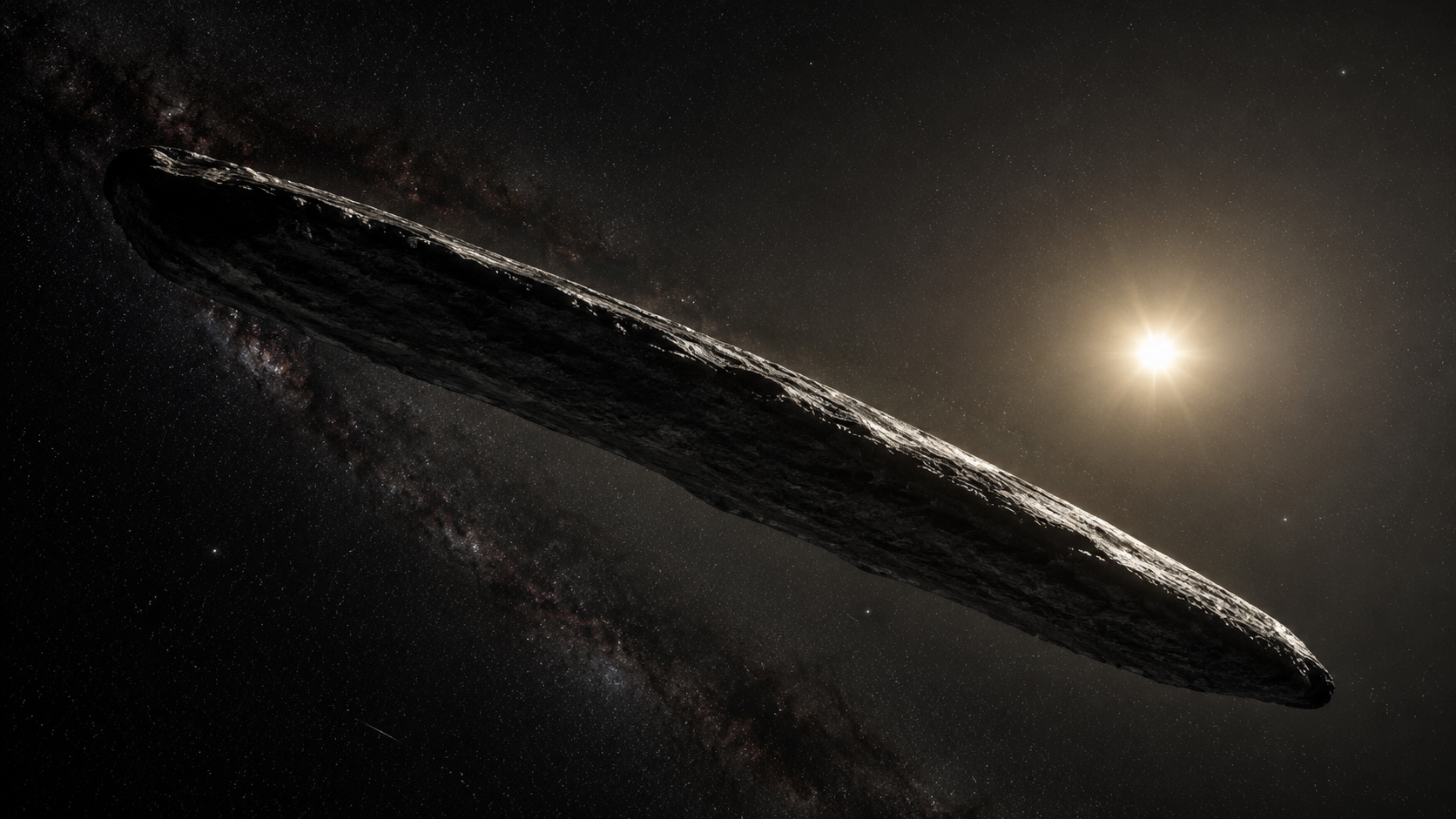
Interstellar Visitors Like Oumuamua from Beyond the Solar System
Theme: Comets
Subject: Interstellar visitors
Article Summary: ʻOumuamua is the first interstellar object confirmed to have passed through the Solar System from another star system, observed in 2017. Its extraordinarily elongated shape, rapid motion, and hyperbolic trajectory not bound by the Sun's gravity set it apart from known objects in the Solar System. Observations also revealed that it showed no distinct tail or coma on its surface, but did exhibit a slight acceleration as it passed by the Sun.
Date: 20-09-2026
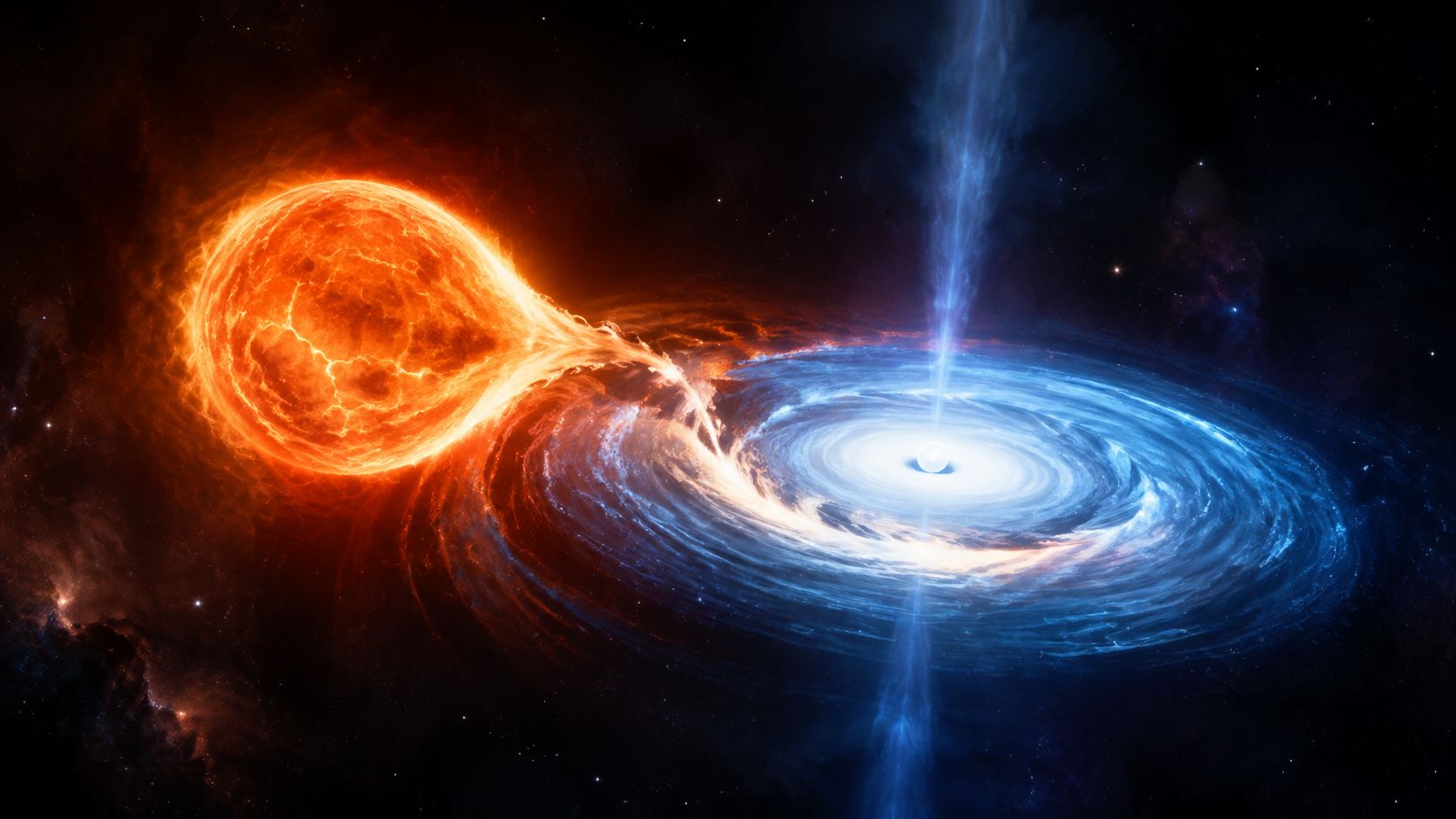
Cosmic Mass Transfer and Energy Sharing in Binary Star Systems
Theme: Stars
Subject: Cosmic Mass Transfer and Energy Sharing
Article Summary: In binary star systems, two stars orbit each other due to their mutual gravitational attraction. When one of the stars evolves and expands, material from its outer layers can be transferred to the companion star's gravitational field. This process forms a significant interaction that determines the future of the system by altering the stars' mass, luminosity, and rate of evolution. Mass transfer or merger is one of the key processes in the evolution of stellar systems.
Date: 20-09-2026
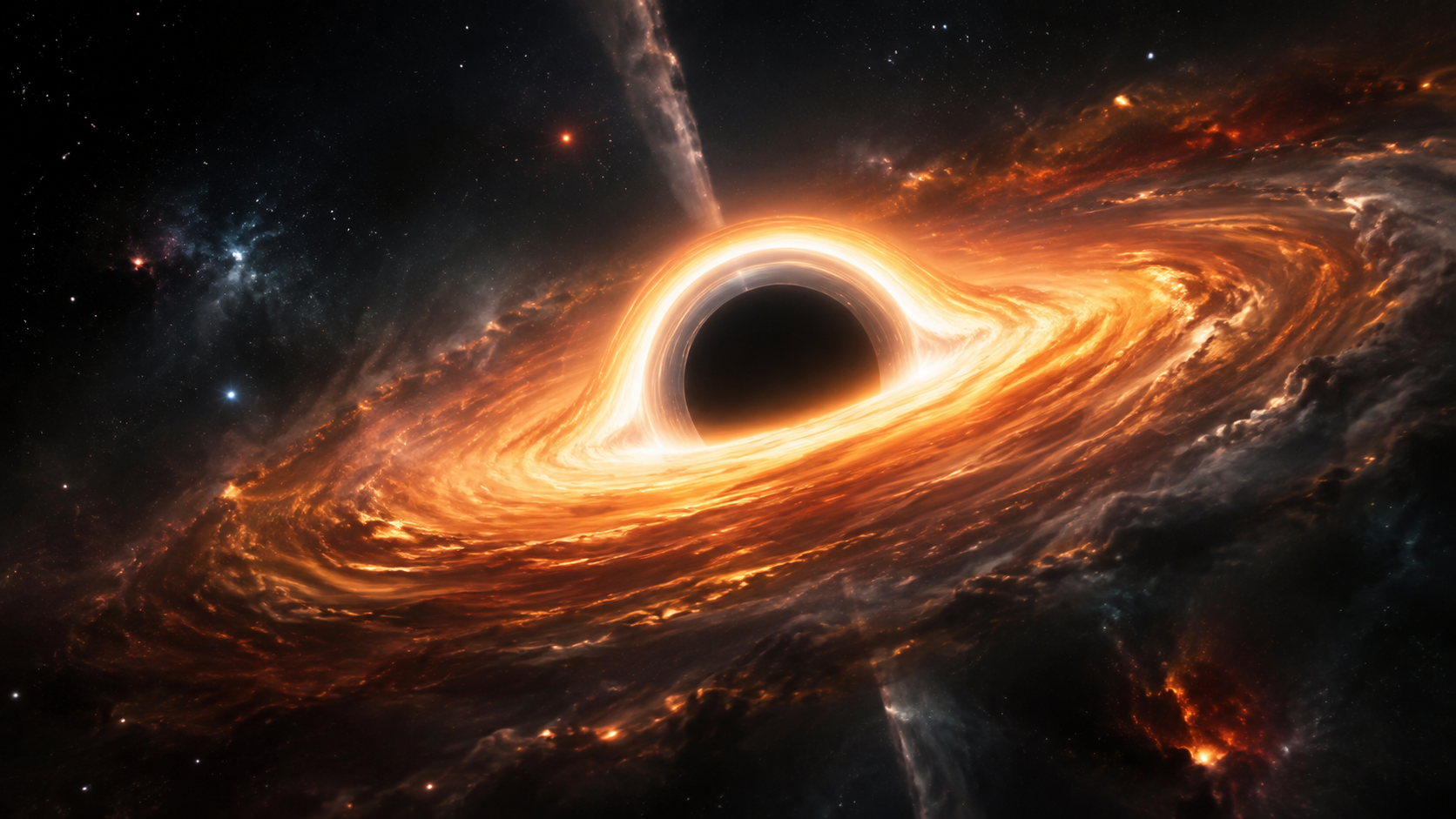
Bright Accretion Disks Formed by Matter Orbiting Black Holes
Theme: Black Holes
Subject: Accretion disks
Article Summary: Black holes do not emit light directly; however, the matter surrounding them can become extremely bright. As gas and dust move inward under the black hole's intense gravity, they spin rapidly and flatten into a disk. This accretion disk produces radiation at temperatures reaching millions of degrees due to friction and compression. In particular, X-rays play an important role in studying this highly energetic region around black holes.
Date: 20-09-2026
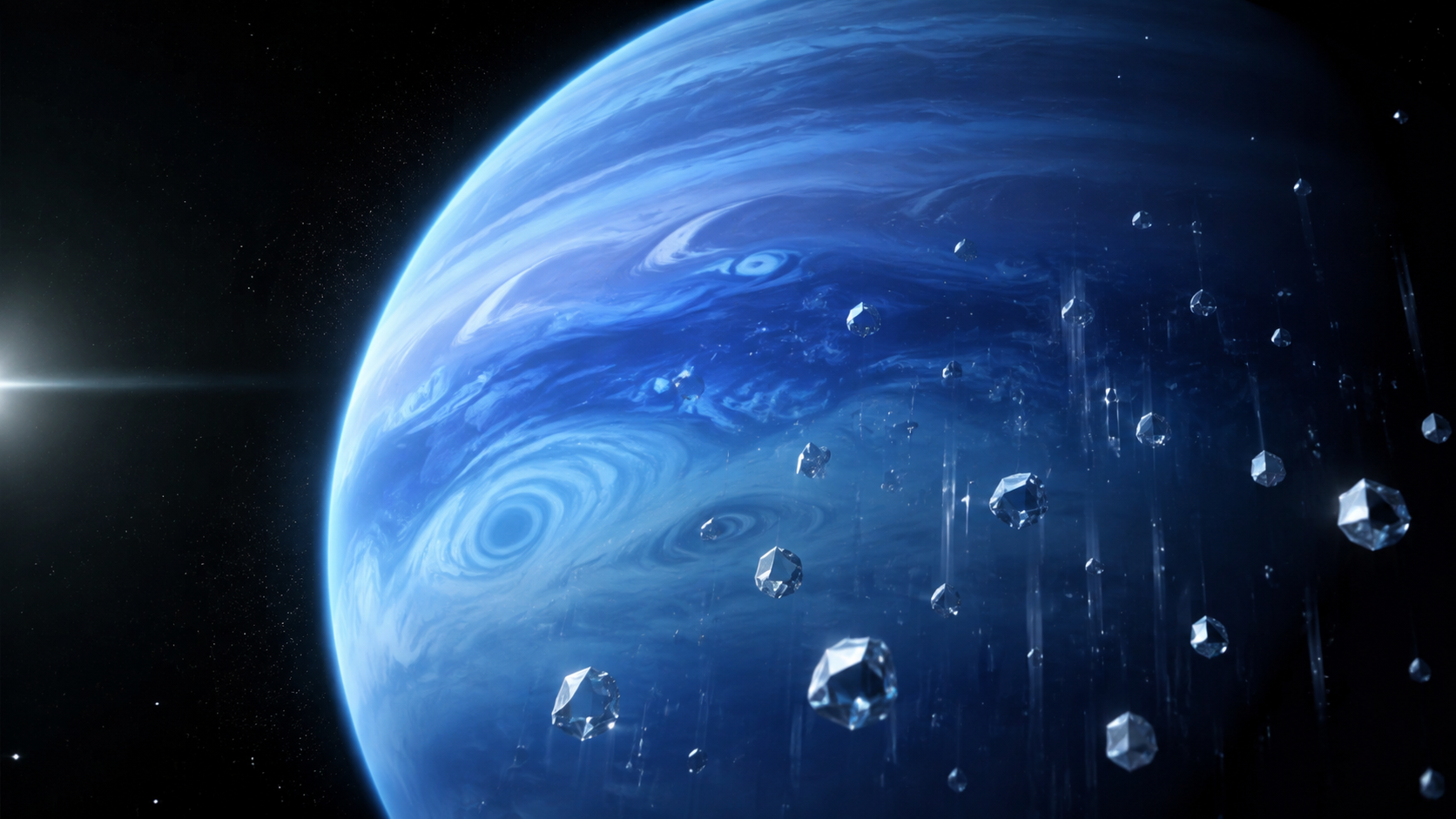
Neptune: The Distant Blue Giant of the Solar System Where Diamonds Rain
Theme: Planets
Subject: Neptune
Article Summary: Neptune is the most distant major planet in the Solar System. Its blue appearance is primarily due to methane in its atmosphere. Beneath its thick atmosphere, extreme pressure and temperature conditions prevail. In these deep layers, it is thought that carbon-containing materials can transform into diamond crystals and, due to their density, settle downward.
Date: 20-09-2026
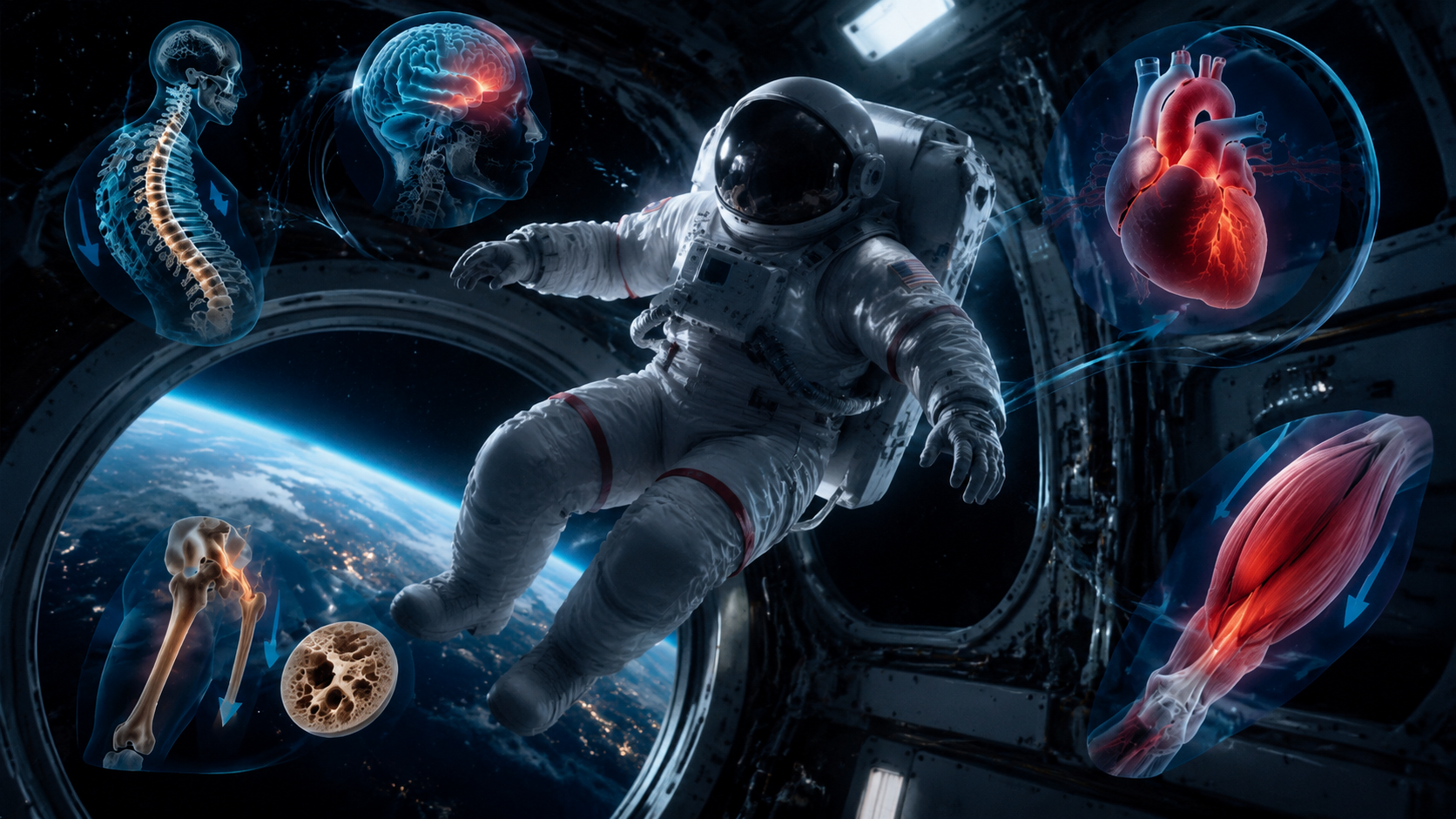
The Effects of Microgravity on Astronauts' Human Bodies
Theme: General Space
Subject: Microgravity
Article Summary: Microgravity causes the human body to adapt to a physical environment different from conditions on Earth. With the significant reduction in gravity, muscles and bones bear less load, the distribution of body fluids changes, and the balance system begins to receive different signals. As the duration of stay in space increases, these changes become more pronounced.
Date: 20-09-2026
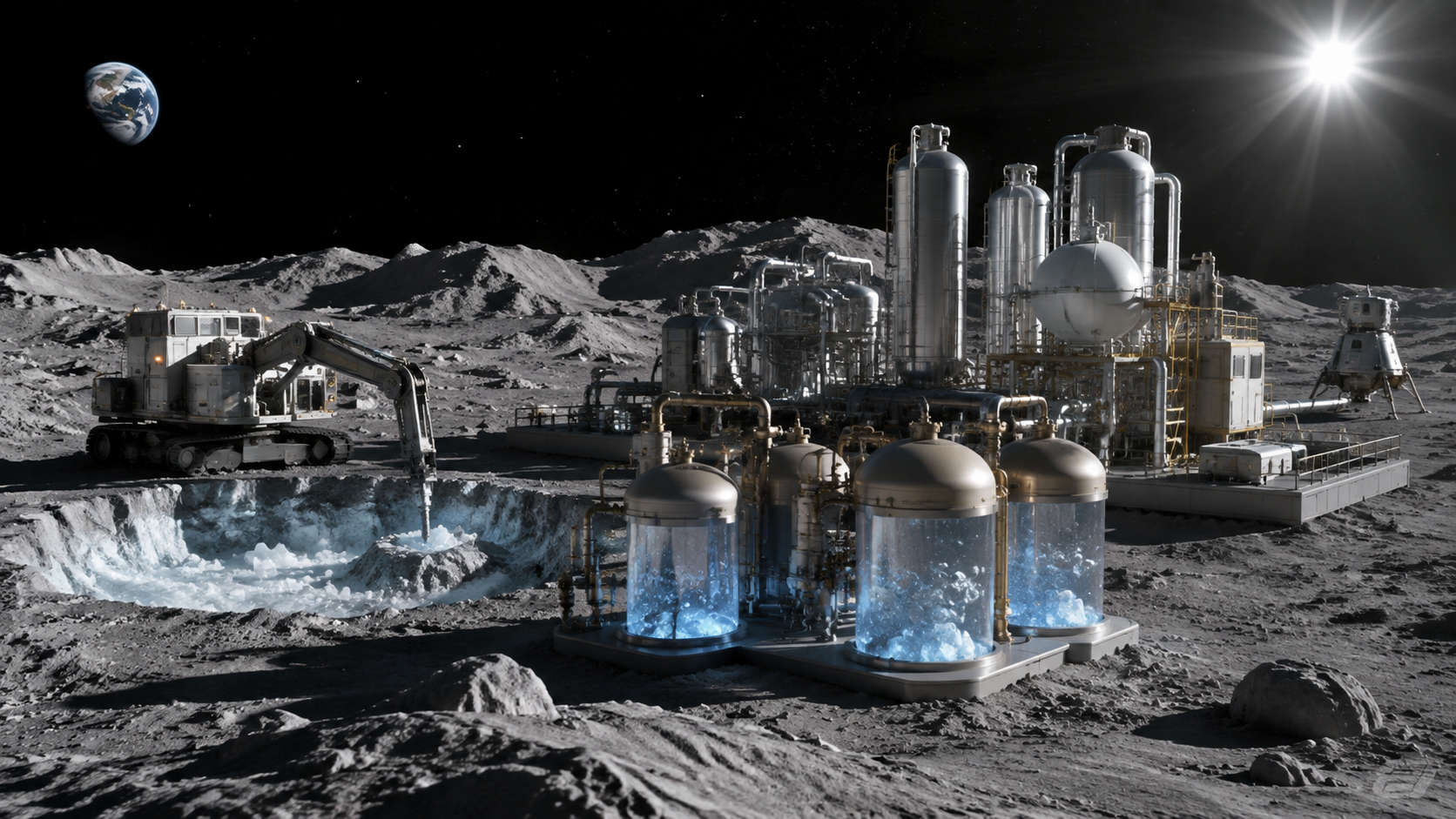
The Possibility of Producing Space Fuel from Water Ice on the Lunar Surface
Theme: New Developments
Subject: Fuel production on the Moon
Article Summary: Water ice found in the Moon's polar regions stands out as an important natural resource that could be used in future space missions. Water obtained from this ice can be separated into hydrogen and oxygen and utilized in rocket fuel production. Such a system could transform the Moon into a significant logistical hub for refueling spacecraft in the future.
Date: 20-09-2026
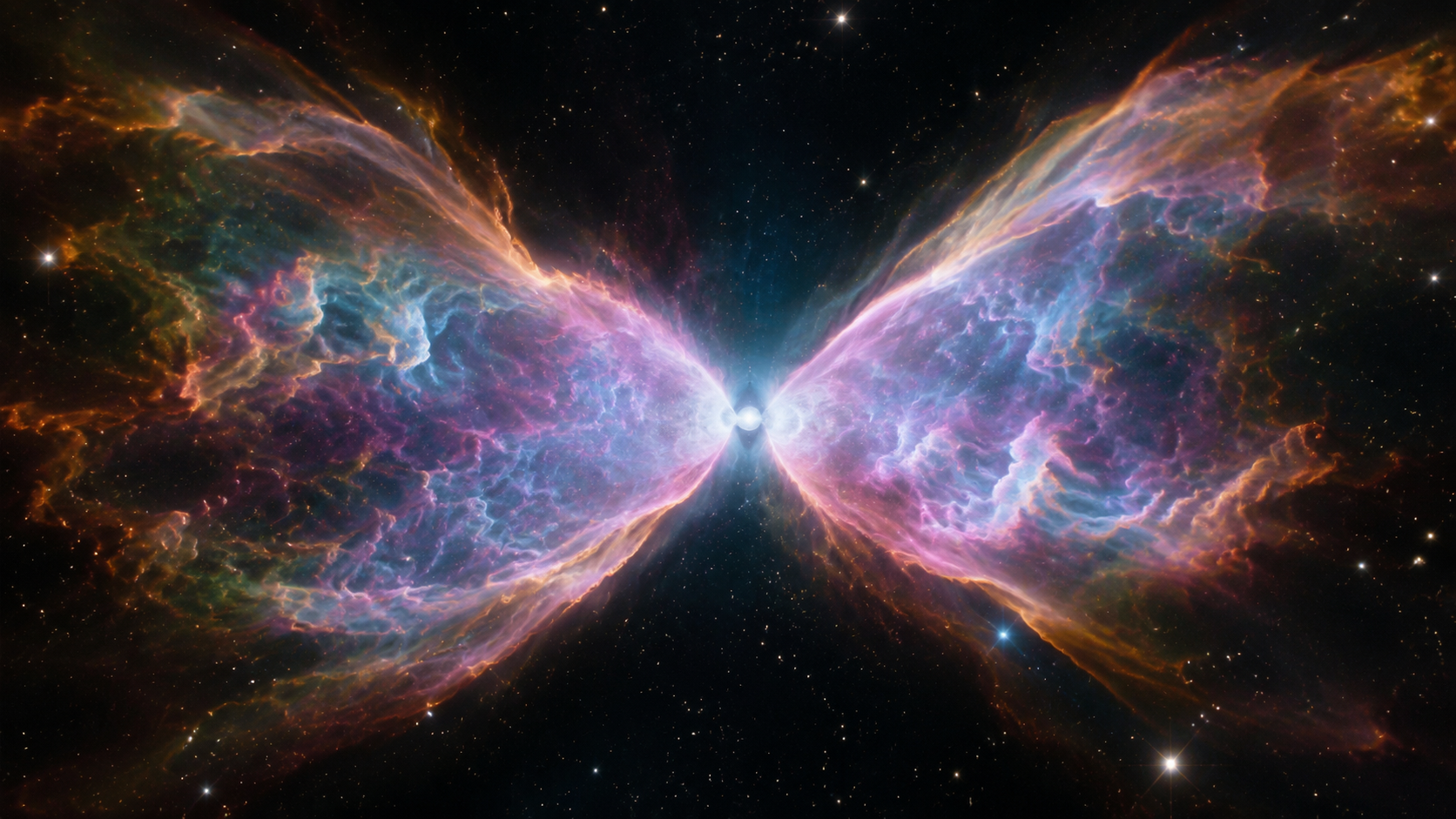
The Butterfly Nebula with Symmetrical Wings Left by a Dying Star
Theme: Nebulae
Subject: Butterfly Nebula and the end of a star's life
Article Summary: The Butterfly Nebula is a striking planetary nebula that forms when a star sheds its outer layers into space during the final stages of its life. The hot stellar core left at the center illuminates the surrounding gas with its intense radiation. The most distinctive feature of the nebula is its two broad lobes extending outward from the center, resembling the wings of a butterfly. This unusual shape indicates that the gas around the star is not distributed evenly in all directions and that matter is concentrated along certain axes.
Date: 19-09-2026
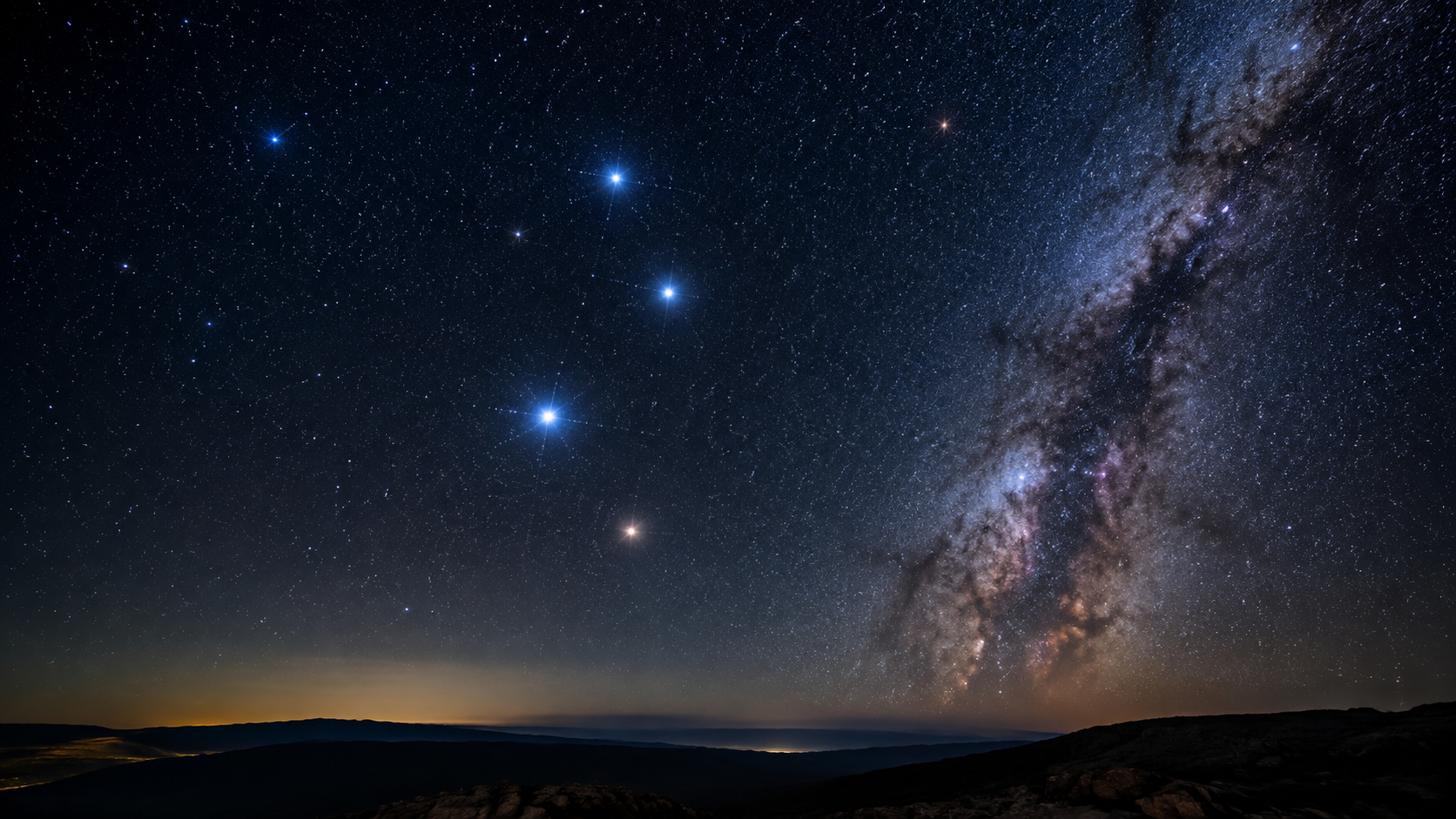
The Southern Cross: The Most Important Marker of the Southern Hemisphere Sky
Theme: Constellations
Subject: The Southern Cross and navigation in the southern sky
Article Summary: The Southern Cross is one of the most easily recognized star patterns in the night sky of the southern hemisphere. Known as Crux, this constellation stands out with its distinctive cross shape formed by four bright stars. Although it covers a small area of the sky, the brightness and arrangement of its stars make it prominent among the dense star fields of the Milky Way. Its most important feature is that its long axis is used to find the approximate position of the south celestial pole.
Date: 19-09-2026
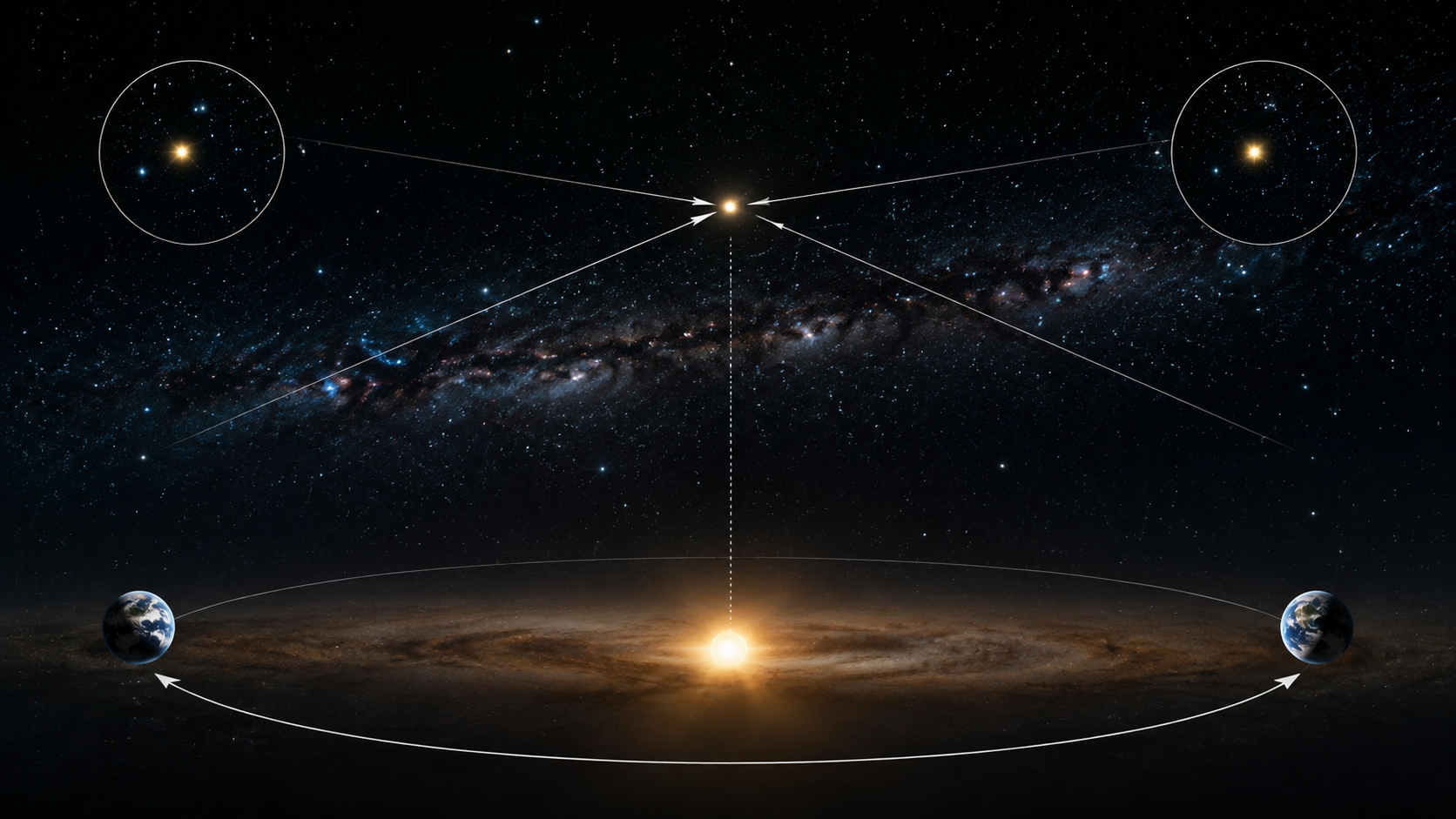
Measuring the Distance of Nearby Stars Using the Parallax Method
Theme: Different Methods
Subject: Measuring stellar distance with parallax
Article Summary: Determining the distance of stars in the sky is one of the fundamental measurement problems in astronomy. For nearby stars, one of the most direct methods used is the parallax method. This technique takes advantage of Earth's motion around the Sun, measuring the small change in the position of a nearby star relative to very distant stars in the sky. The greater this apparent shift in the star's position, the closer the star is. The distance can be calculated using the parallax angle. It is noted that advances in observational techniques have made it possible for astronomers to determine the distance between us and the stars.
Date: 19-09-2026