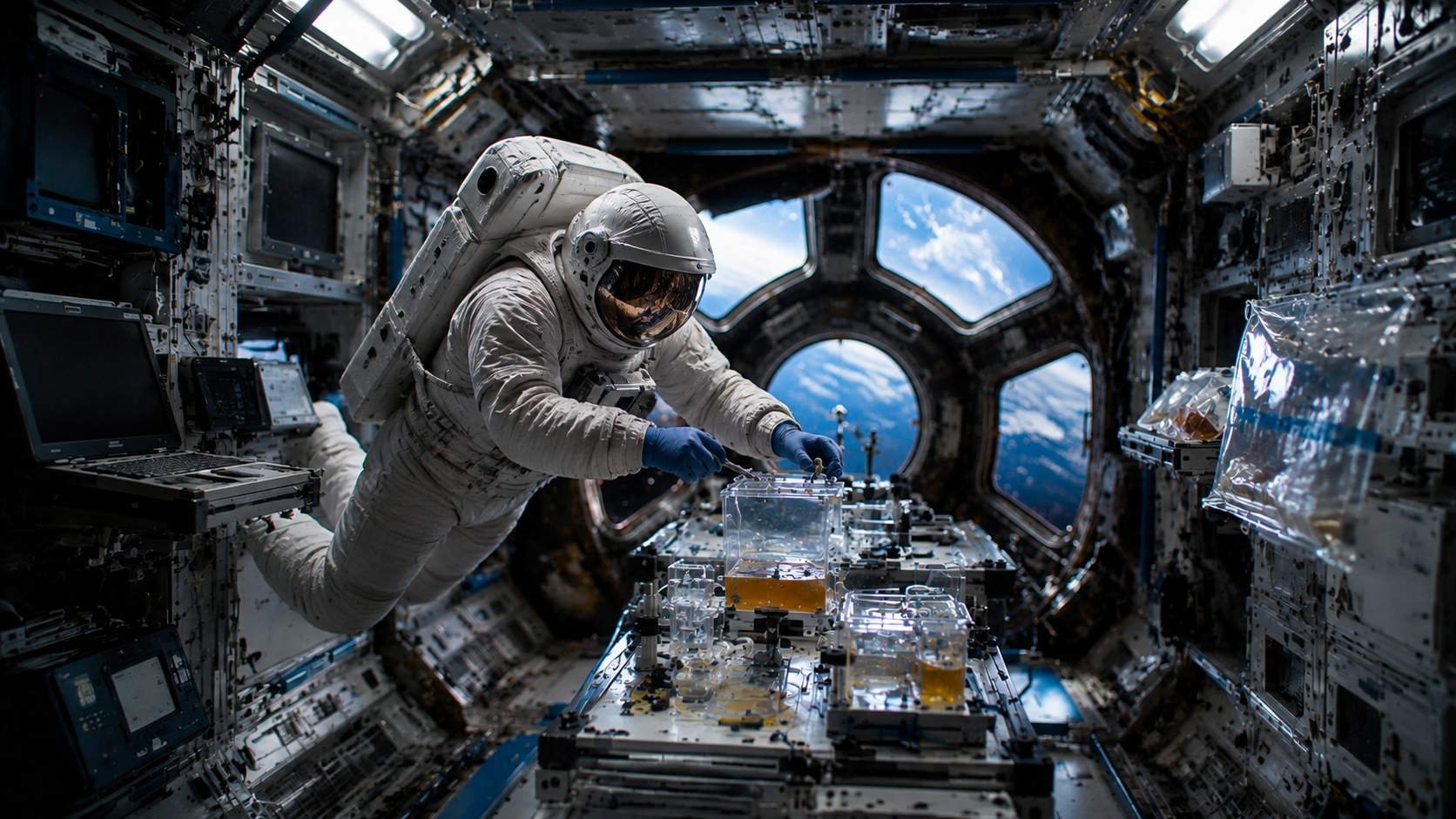
Scientific Experiments Conducted in Microgravity on the International Space Station
Theme: New Developments
Subject: Microgravity
Article Summary: Microgravity is not an environment where Earth's gravity is completely eliminated. Because objects in orbit are in a constant state of free fall, a near-weightless environment is created. These conditions allow for the study of physical, biological, and chemical processes that are difficult to observe under the influence of gravity on Earth. A wide range of research benefits from this environment, from the behavior of cells to the movement of fluids, from the formation of crystals to the human body's response to prolonged space conditions.
Date: 20-09-2026
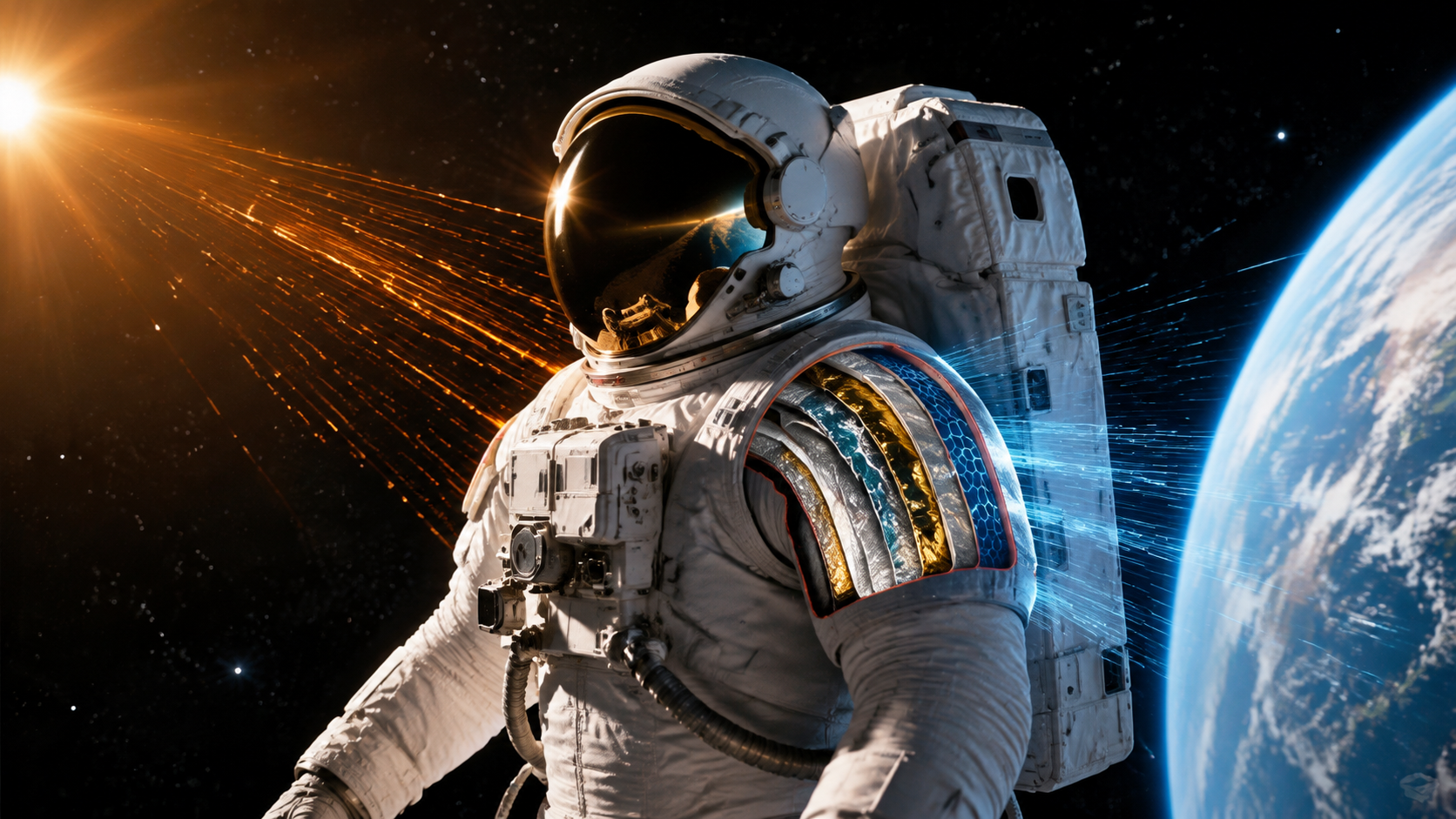
How Space Suits Protect Astronauts from Vacuum and Extreme Temperatures
Theme: Spacecraft
Subject: Space suits
Article Summary: Outer space creates conditions for the human body that are completely different from those on Earth. In an environment without air and atmospheric pressure, astronauts must be able to breathe, maintain body pressure, and regulate their thermal balance. Space suits are advanced life support systems that combine these needs into a single garment. Thanks to their layered structure, insulation properties, and controlled air circulation, they protect astronauts from vacuum, temperature fluctuations, and other hazards of the space environment.
Date: 20-09-2026
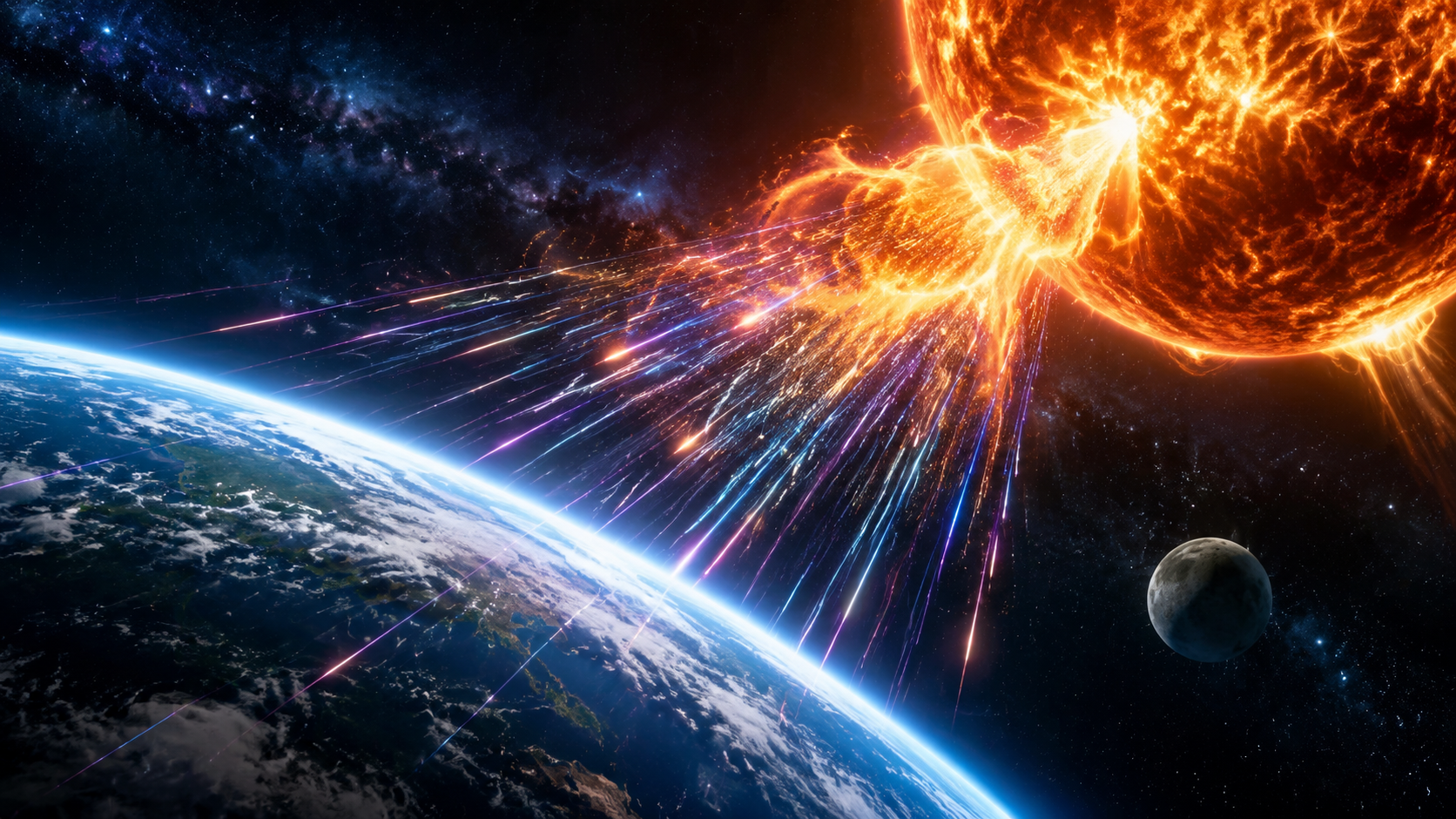
Sources of Cosmic Rays and Space Radiation
Theme: General Space
Subject: Cosmic rays
Article Summary: Cosmic rays are high-energy electrically charged particles that reach Earth from space. Unlike electromagnetic radiation, these particles arrive as a direct flow of matter. Supernova explosions, high-energy stellar remnants, and other extreme cosmic environments are the main candidates involved in the formation of these particles. Nevertheless, the exact celestial sources of the highest-energy cosmic rays have not yet been fully determined.
Date: 20-09-2026
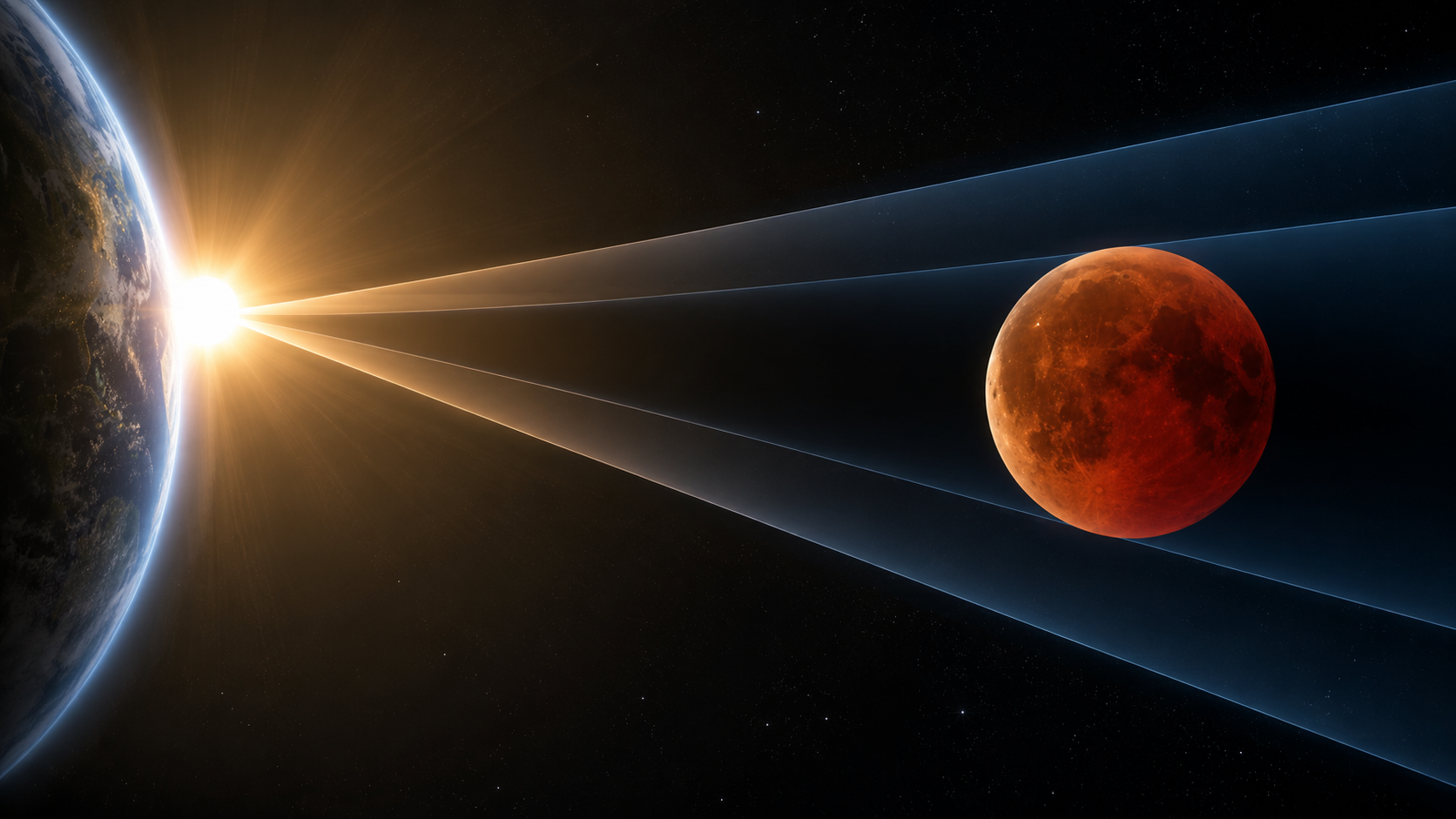
The Reason the Moon Appears Red During a Total Lunar Eclipse
Theme: General Space
Subject: Lunar eclipse
Article Summary: During a total lunar eclipse, the side of the Moon illuminated by direct sunlight enters Earth's shadow. Nevertheless, the Moon does not become completely dark; a portion of sunlight passing through Earth's atmosphere is redirected by the atmosphere and reaches the Moon's surface. While the atmosphere scatters blue tones more strongly, it allows some red and orange light to reach the Moon. For this reason, the Moon appears copper or deep red at the peak of the eclipse.
Date: 20-09-2026
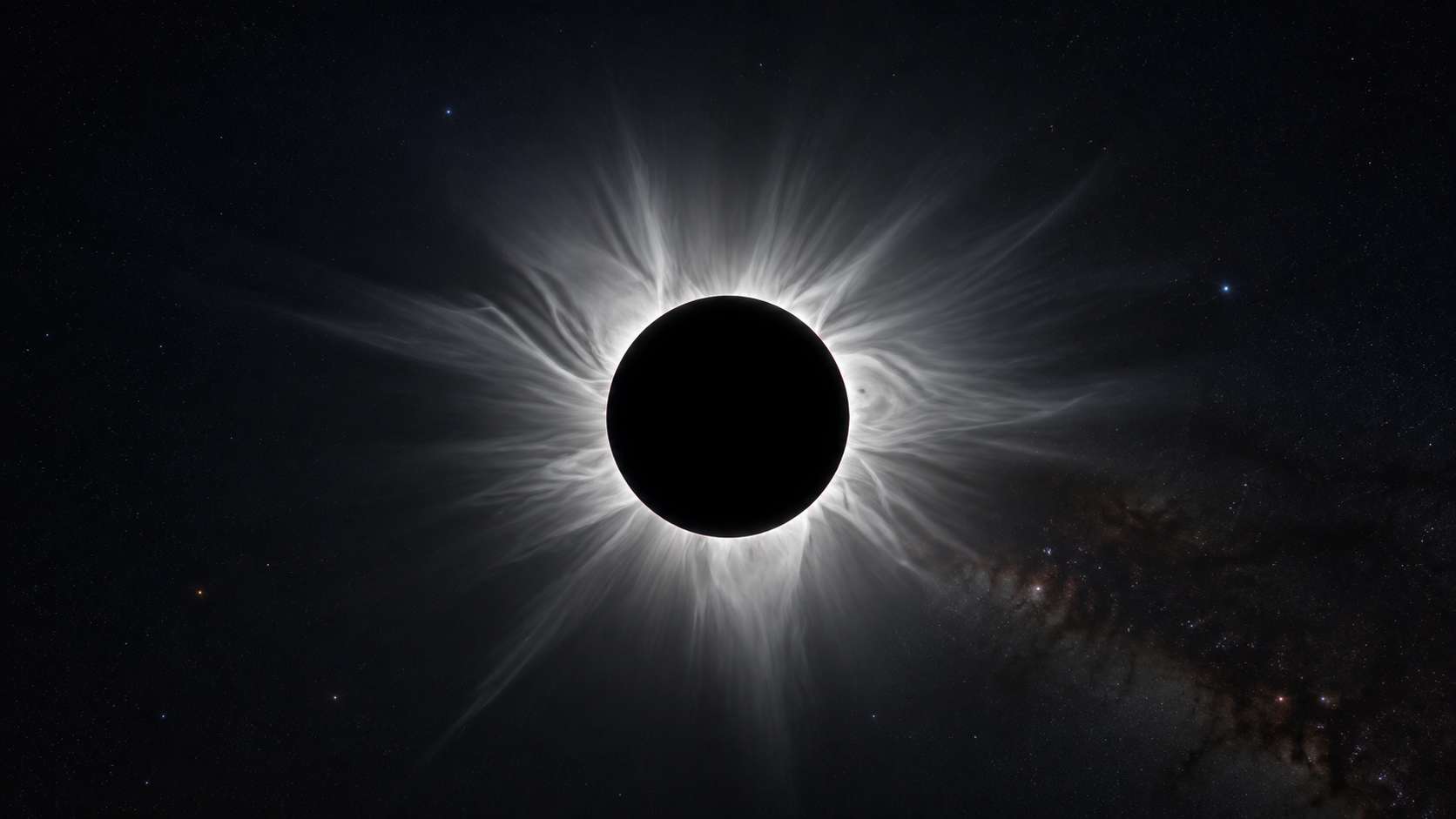
The Solar Corona Visible During a Total Solar Eclipse
Theme: General Space
Subject: Solar Corona
Article Summary: The solar corona is the outermost and most extensive part of the Sun's atmosphere. Under normal conditions, the Sun's very bright surface overwhelms the faint light of the corona, making it difficult to observe directly. During a total solar eclipse, when the Moon completely covers the visible face of the Sun, the corona becomes prominent and thin, irregular light structures extending around the Sun appear.
Date: 20-09-2026
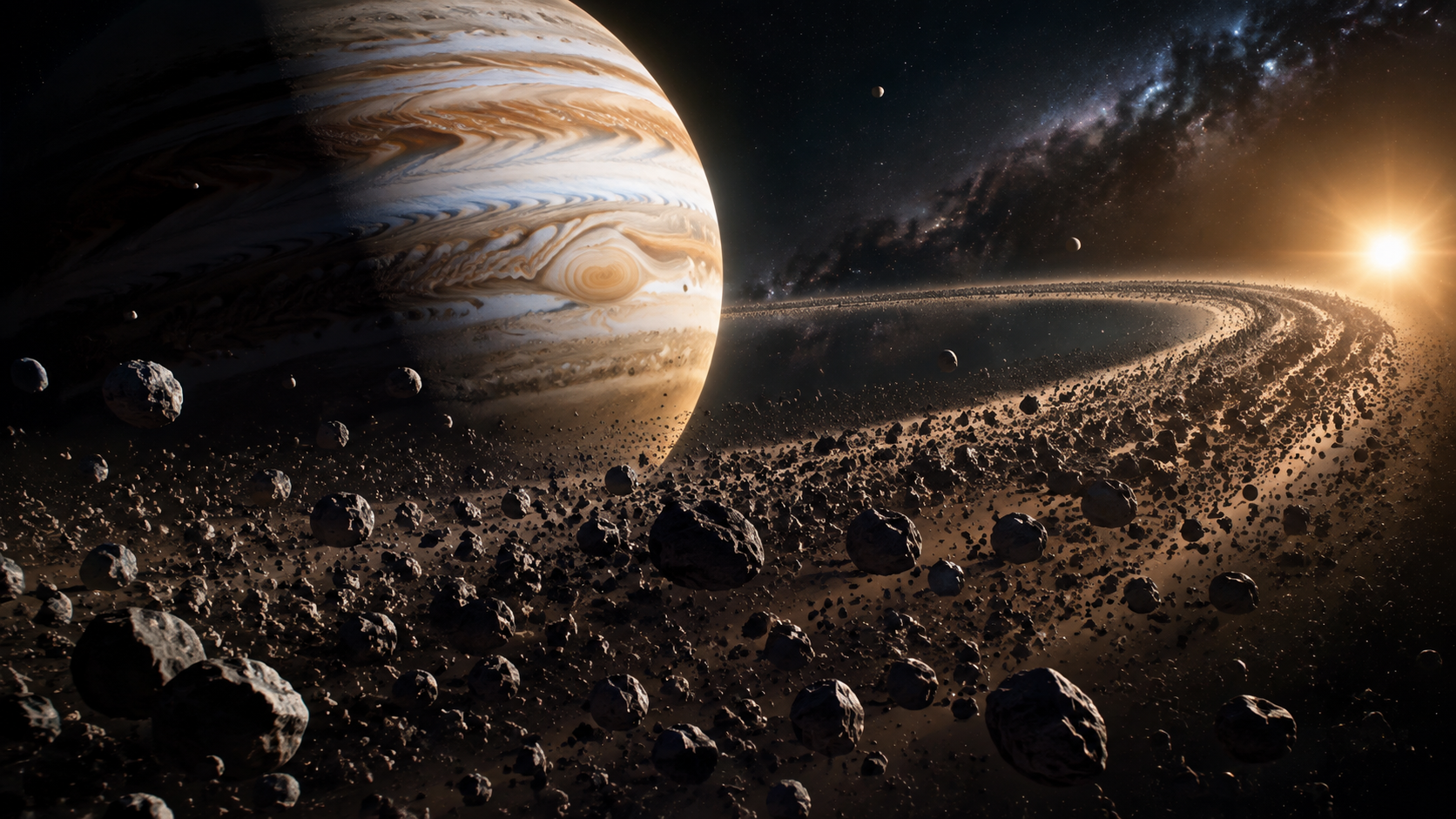
The Role of Jupiter's Gravitational Influence in the Formation of the Asteroid Belt
Theme: Planets
Subject: Jupiter and the asteroid belt
Article Summary: The asteroid belt contains a large number of small celestial bodies orbiting the Sun in the region between Mars and Jupiter. Jupiter's immense mass strongly affects the motions of objects in this area. Gravitational interactions alter the orbits of asteroids and prevent the formation of regular orbits in certain regions. In this way, Jupiter plays a significant role in shaping the current scattered structure of the asteroid belt.
Date: 20-09-2026
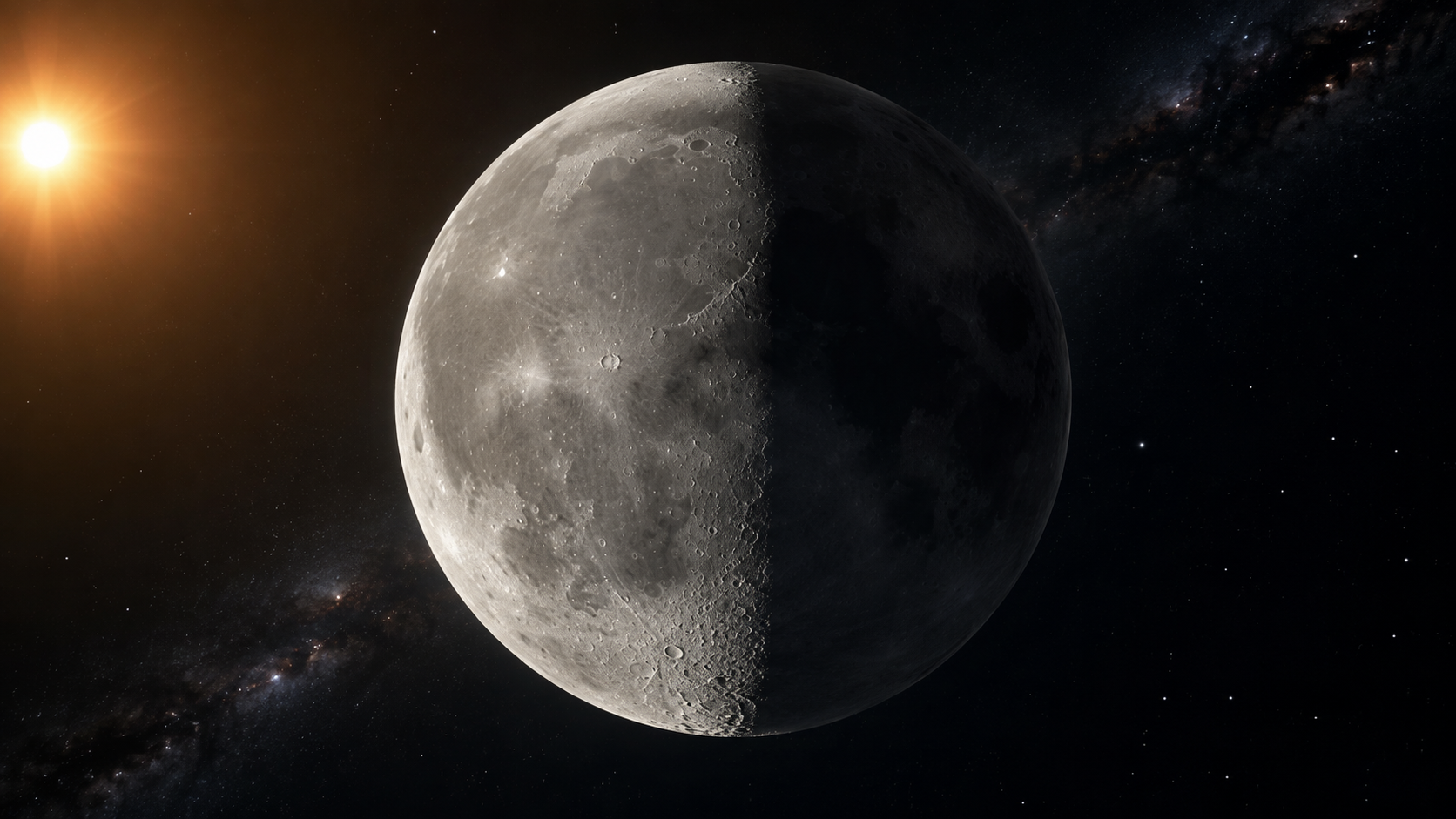
The Effect of Tidal Locking on the Moon's Rotation
Theme: General Space
Subject: Tidal locking
Article Summary: The Moon's rotation period on its own axis is equal to its orbital period around the Earth. Therefore, the same side of the Moon is always visible from Earth. This has not always been the case; gravitational interaction between the Earth and the Moon has gradually slowed the Moon's rotation over billions of years, leading it to become tidally locked.
Date: 20-09-2026
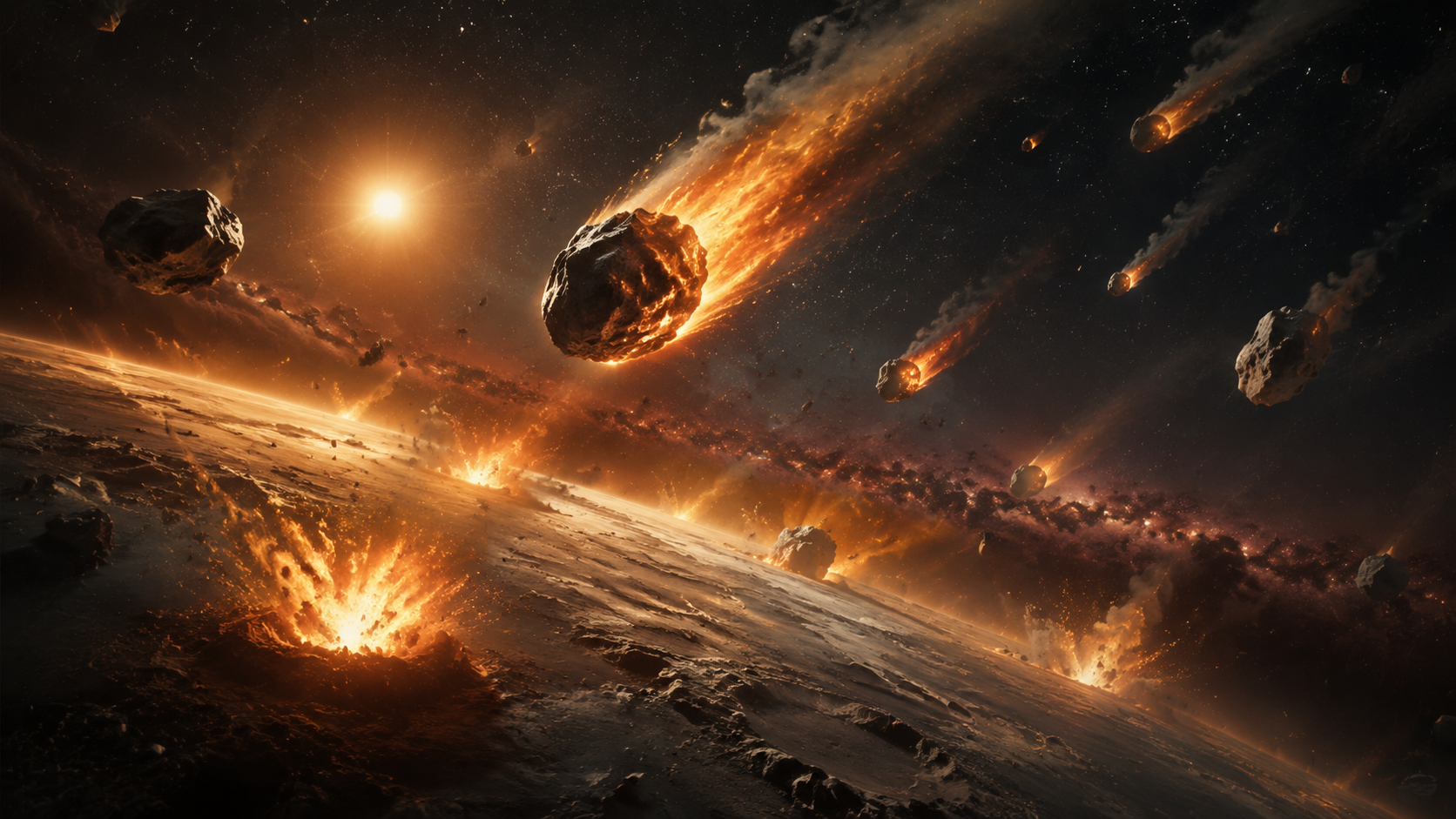
The Late Heavy Bombardment Period in the Early Solar System
Theme: General Space
Subject: Late Heavy Bombardment
Article Summary: The early periods of the Solar System were much more dynamic and filled with collisions than today. Asteroids and comets left over from the formation of planets and small celestial bodies struck the surfaces of young planets much more frequently. The most significant traces of this intense bombardment period are the numerous craters found on the surfaces of the Moon, Mercury, and other rocky bodies.
Date: 20-09-2026
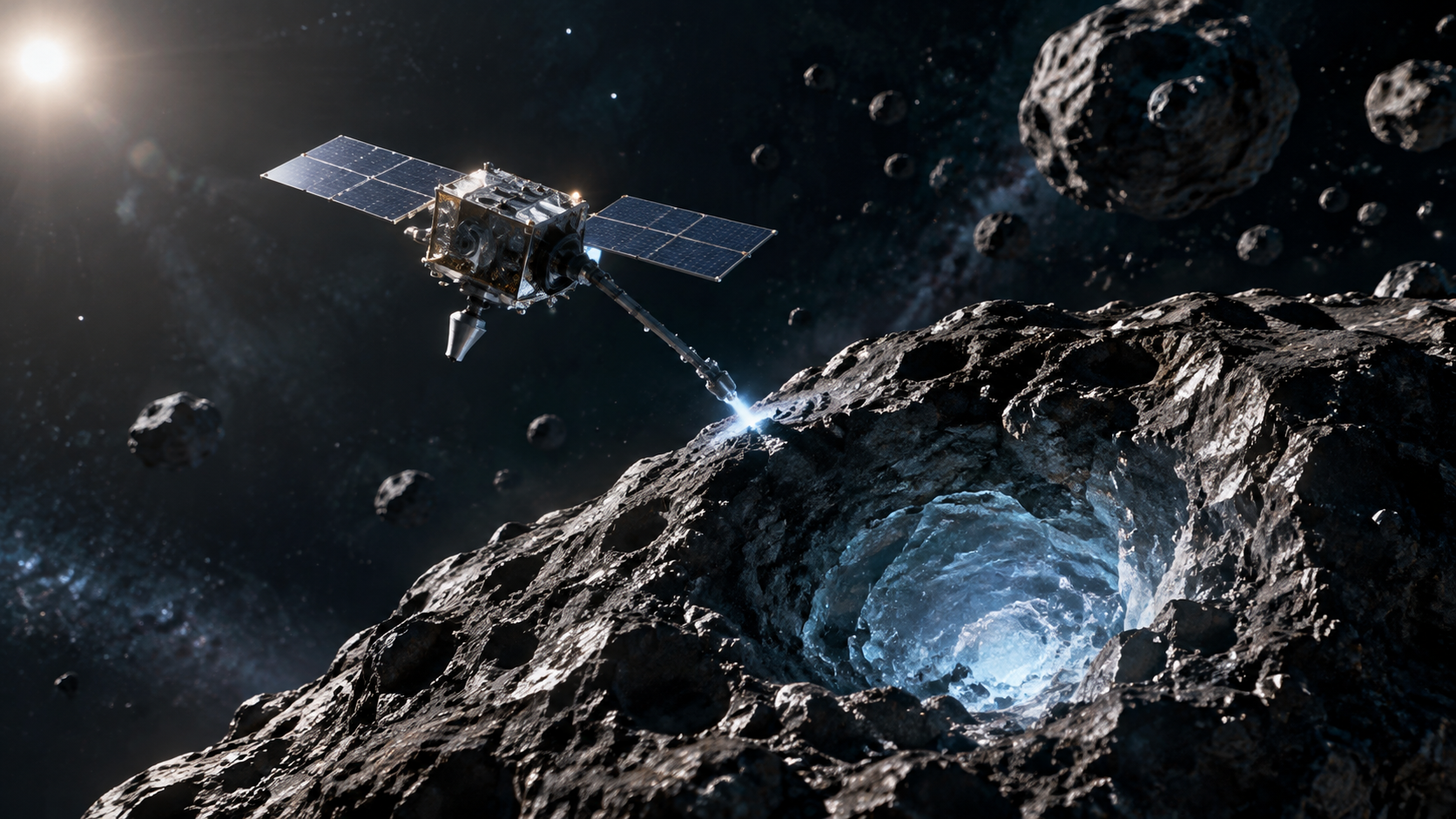
Investigation of Water and Metal-Bearing Resources in Asteroids
Theme: New Developments
Subject: Asteroid resources
Article Summary: Asteroids are a diverse group of celestial bodies that contain not only rock and metal, but also various minerals and volatile substances. While some asteroids contain water-bearing minerals, others have a structure richer in metals. This diversity makes asteroids important both for understanding the history of the Solar System and for exploring natural resources that could be used in space in the future.
Date: 20-09-2026
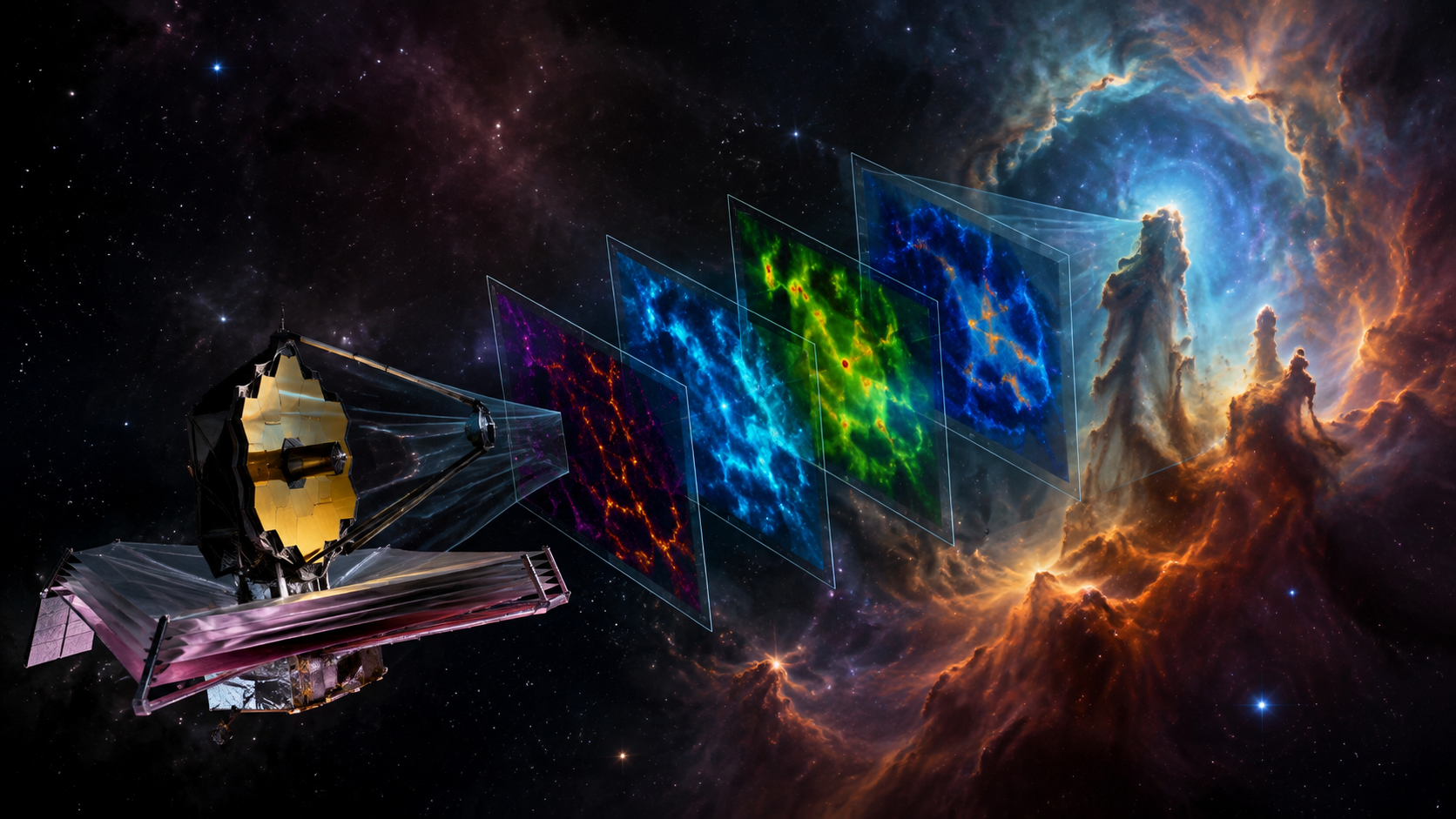
Mapping the Chemical Composition of Gas and Dust Clouds Within Nebulae
Theme: Nebulae
Subject: Chemical mapping
Article Summary: Nebulae are complex cosmic structures where gas and dust at different temperatures coexist. Observations at various wavelengths are conducted to determine the distribution of hydrogen, helium, and various molecules within them. In particular, radio, submillimeter, and infrared observations allow the study of cold and dense regions inaccessible to visible light.
Date: 20-09-2026
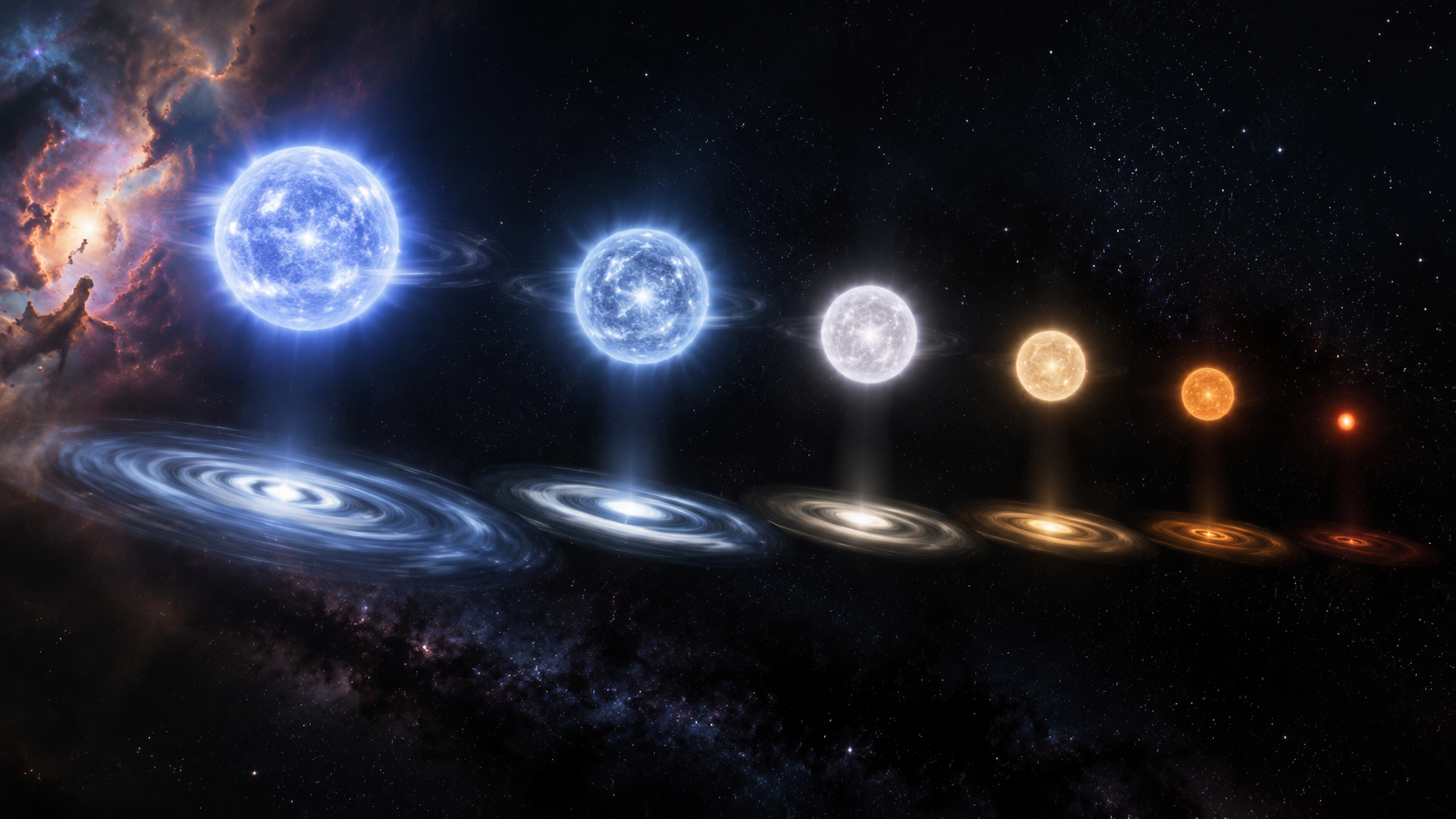
Estimating the Ages of Stars from Their Rotation Speeds
Theme: Different Methods
Subject: Stellar age
Article Summary: It is not possible to directly measure the age of stars. Instead, strong estimates about their age are made using the star's physical properties. Rotation speed is one of these methods. Especially in Sun-like stars, the rotation speed decreases as they age. Therefore, measuring how fast a star rotates provides an important indicator that can be used to determine its age.
Date: 20-09-2026
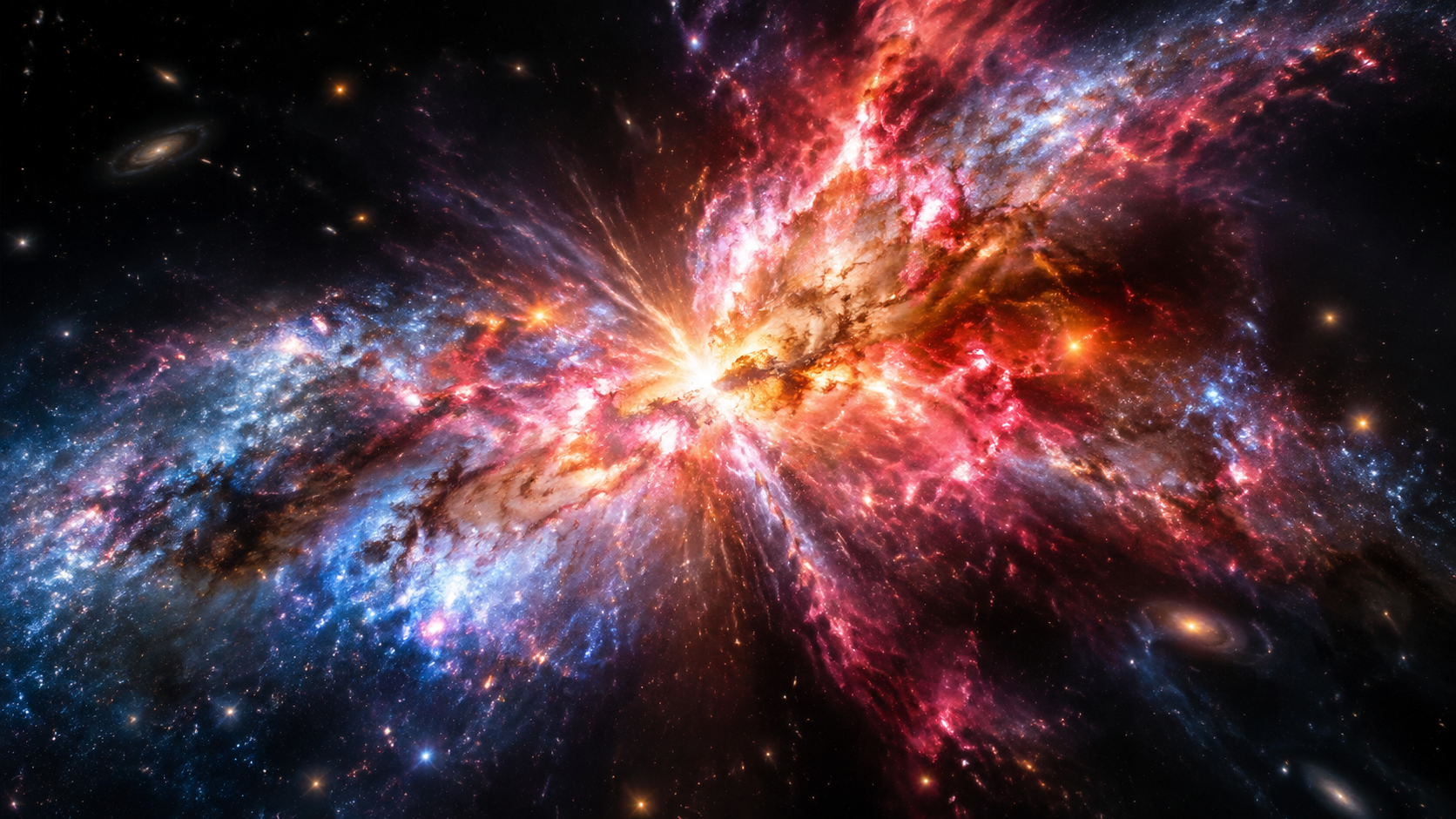
Starburst Galaxies: Cosmic Regions Where Star Formation Peaks
Theme: Galaxies
Subject: Starburst galaxies
Article Summary: Starburst galaxies are dense cosmic environments where stars form much more rapidly than in ordinary galaxies. The compression of large amounts of gas and dust accelerates the birth of new stars. In particular, the approach and collision of galaxies can compress gas clouds, triggering intense star formation.
Date: 20-09-2026